
2019 Service/Utility Trucks For Sale
Browse 2019 service and utility trucks built for field repair, construction, telecom, and municipal work with organized storage and jobsite capability.
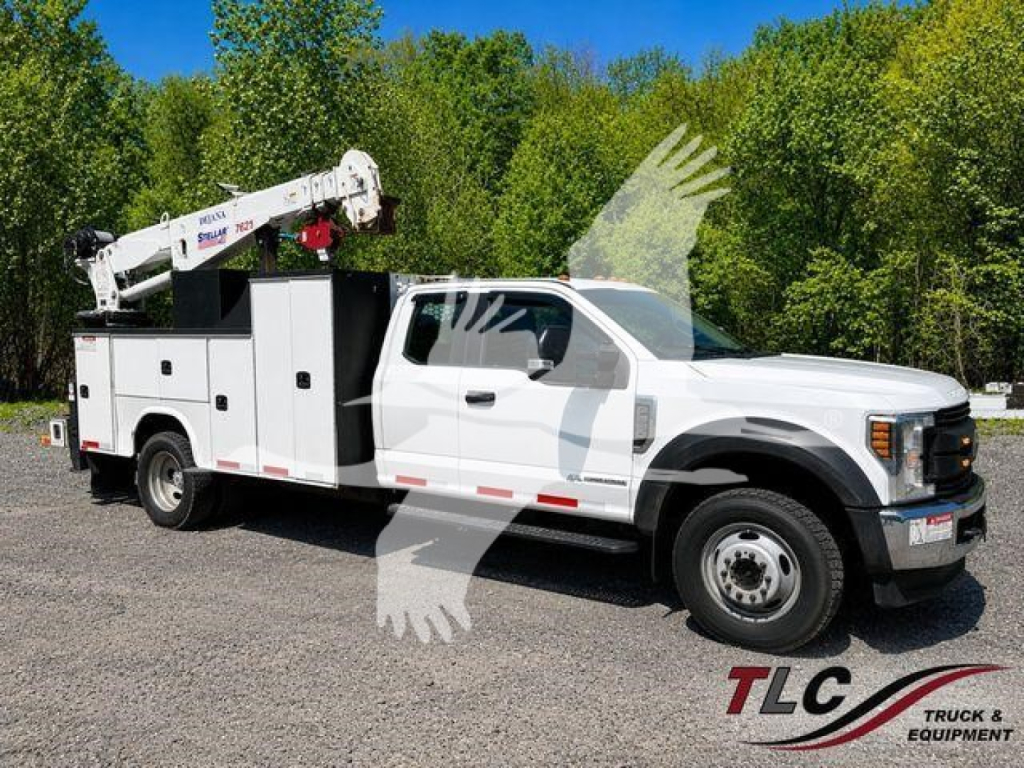

Have 2019 service/utility truck to sell? List it here to reach thousands of buyers.
2019 Service/Utility Trucks
Most 2019 service and utility trucks are diesel-powered, with popular engines including the Ford 6.7L Power Stroke, Cummins 6.7L, and GM Duramax options, typically paired with automatic transmissions. On lighter utility bodies, GVWR often falls in the 10,000 to 19,500 lb range, while heavier mechanic bodies and crane-equipped units push higher depending on chassis class. A buyer comparing listings should verify axle ratings, wheelbase, service body material, and actual remaining payload after the body, crane, compressor, drawer packs, and fuel transfer tank are installed. Four-wheel drive is common on contractor and off-pavement applications, while two-wheel drive can make sense for municipal, highway, and fleet maintenance routes where payload and simplicity matter more.
The body itself determines day-to-day productivity. Steel bodies generally offer durability for mechanic work and rough jobsite use, while aluminum bodies reduce corrosion and help preserve payload. Common features include vertical compartments, adjustable shelving, ladder racks, pipe trays, vise brackets, inverter systems, work lighting, backup cameras, and power lock systems. Mechanics-body variants may add air compressors, hydraulic outriggers, telescoping cranes, and heavy rear bumpers for towing equipment. Utility configurations aimed at service technicians often prioritize enclosed tool storage, parts access, and clean organization over maximum lifting capacity. A 2019 truck should also be checked for rust in compartment floors and door seams, PTO or crane service history, idle hours, electrical accessory condition, and evidence of overloading.
For many buyers, a 2019 service or utility truck offers a practical balance of modern emissions-era drivability, available safety tech, and lower acquisition cost than newer upfitted units. The best fit depends on how the truck earns money: mobile repair, contractor support, utility line work, HVAC service, facilities maintenance, or snow and seasonal municipal duty. Focus on the complete package rather than the badge on the hood. Body brand, upfit quality, crane certification, storage design, and maintenance records usually tell you more about long-term value than engine specs alone.
Frequently Asked Questions about 2019 Service/Utility Trucks
What should I check first on a 2019 service or utility truck?
Start with the upfit, not just the chassis. Confirm the service body manufacturer, compartment condition, rust level, latch and hinge operation, and whether accessories like cranes, compressors, inverters, strobes, and work lights are operational. Then verify GVWR, front and rear axle ratings, and remaining usable payload after all mounted equipment is included. On mechanic trucks, service records for the crane, PTO, hydraulic system, and outriggers are especially important.
Is a diesel engine the best choice for a 2019 service truck?
Diesel is common in 2019 service trucks because it delivers strong low-end torque, good towing performance, and better suitability for heavier bodies and crane-equipped applications. It makes the most sense when the truck carries substantial payload, idles for jobsite support, or tows equipment regularly. Gas-powered trucks can still be a smart fit for lighter utility bodies, shorter routes, and fleets trying to reduce maintenance complexity and upfront cost.
What is the difference between a utility truck and a mechanic service truck?
The terms overlap, but a utility truck usually refers to a service body with side compartments built for tools, parts, and field service access. A mechanic service truck is a more specialized version designed for repair work in the field and often includes a crane, compressor, welder, hydraulic systems, and reinforced body structure. The right choice depends on whether the truck is mainly carrying organized tools and supplies or actively performing lifting and repair operations on site.
How important is 4x4 on a 2019 service/utility truck?
Four-wheel drive matters when the truck operates on construction sites, utility easements, unpaved yards, snow-covered roads, or remote service locations. It improves traction and jobsite access but can reduce payload slightly and add drivetrain complexity. For paved-route work such as municipal maintenance, telecom service, building maintenance, or urban contractor use, a 4x2 truck may offer a lower operating cost and simpler maintenance profile.
Are aluminum service bodies better than steel bodies?
Neither is automatically better. Aluminum bodies resist corrosion and can free up payload, which is valuable for regions with road salt or applications where every pound counts. Steel bodies usually offer higher impact durability and are common on mechanic trucks that see harder use, crane work, and frequent loading of heavy tools or parts. The best choice depends on climate, payload target, and how aggressively the truck will be used on the job.