
2019 Ford Service/Utility Trucks For Sale
Shop 2019 Ford service and utility trucks. Compare F-250, F-350, and Super Duty upfit options for contractors, fleets, and field service work.

Have 2019 ford service/utility truck to sell? List it here to reach thousands of buyers.
2019 Ford Service/Utility Trucks
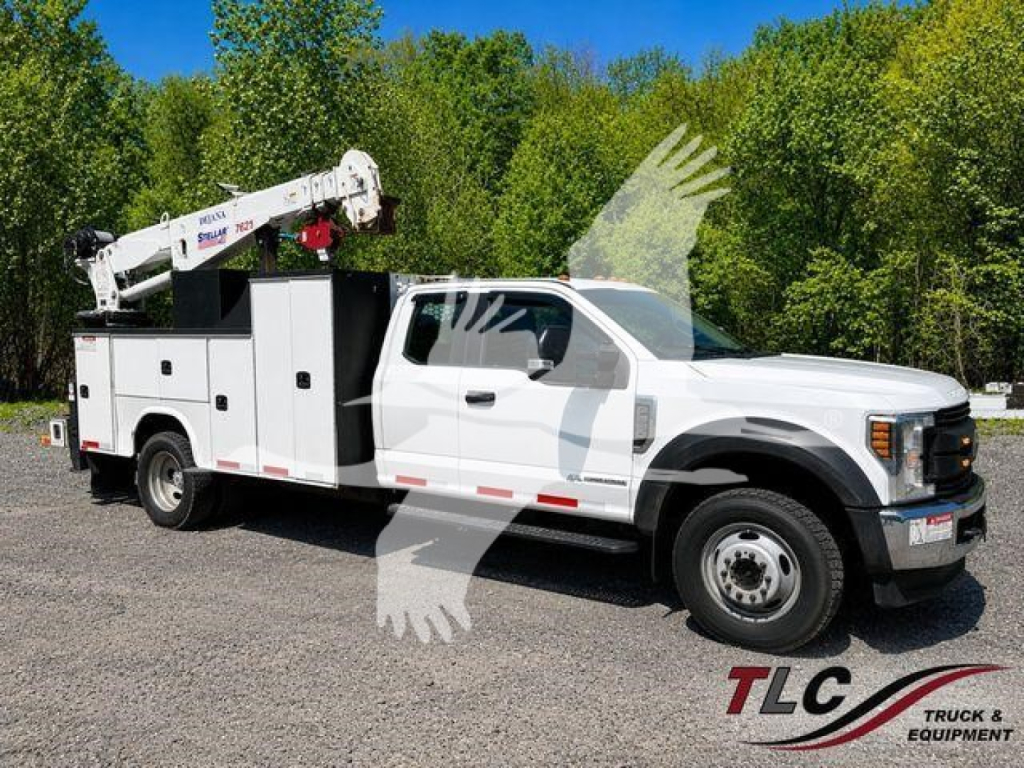
On 2019 Ford service and utility trucks, one of the biggest buying decisions is payload and body configuration. An F-250 may be enough for lighter municipal, electrical, telecom, or general maintenance work, while an F-350 is often the better fit when the truck carries compressors, welders, generators, cranes, or snow and towing equipment. Common setups include single rear wheel service bodies, long-bed utility bodies, and contractor-style rack systems. Buyers should pay close attention to axle ratings, GVWR, suspension condition, tire load range, and how the upfit affects remaining payload. On used units, body condition matters as much as engine condition because rust in compartment floors, hinges, latches, and rear bumpers can turn into expensive downtime.
Powertrain choice also affects long-term operating cost. In the 2019 model year, Ford Super Duty service trucks may be equipped with gas or diesel engines depending on original fleet spec and application. Gas trucks are often preferred for lighter duty, local-route service because they can be less expensive to maintain. Diesel trucks make more sense when the truck sees frequent towing, runs heavier accessory equipment, or spends more time under load. Buyers comparing listings should look beyond mileage and check idle hours if available, PTO or compressor use, transmission service history, charging system health, and signs of hard jobsite use. A clean fleet-maintained truck with documented service intervals is usually a better value than a lower-priced unit with unknown upfit wear.
The body equipment is what really defines usefulness in this class. Common features include enclosed side packs, slide-out drawers, ladder racks, beacon lighting, strobe packages, inverter systems, onboard air, cranes, and receiver hitches. For utility and service work, practical details such as compartment depth, shelving layout, rear workbench space, and lighting coverage have a direct impact on efficiency. Buyers in northern regions should inspect for plow prep, corrosion from road salt, and frame condition, while buyers in hotter climates may put more emphasis on air conditioning performance and electrical reliability. A good 2019 Ford service truck should match the trade it supports, carry the tools without exceeding ratings, and reduce time lost looking for equipment in the field.
Frequently Asked Questions about 2019 Ford Service/Utility Trucks
What is the difference between a Ford service truck and a utility truck?
The terms are often used interchangeably, but a service truck usually refers to a pickup or chassis with a compartment body designed for tools, parts, and field repair equipment. A utility truck can describe the same layout, though it is also commonly used for municipal, telecom, electrical, and public works applications. If the truck includes a crane, compressor, welder, or mechanic-style body, buyers may also call it a mechanic truck. The important factor is the body configuration and payload capacity, not just the label in the listing.
Is a 2019 Ford F-250 or F-350 better for a service body?
That depends on how much permanent equipment the truck carries. An F-250 can work well for lighter service body setups with hand tools, parts inventory, and moderate towing. An F-350 is usually the safer choice when the body includes a crane, air compressor, welder, heavy drawers, or full steel shelving because the added equipment quickly reduces available payload. Buyers should compare the truck's GVWR and axle ratings against the actual curb weight of the upfit and expected daily load.
What should I inspect on a used 2019 Ford service or utility truck?
Start with the service body itself. Check compartment floors, door hinges, latch function, locks, seals, rack mounts, rear bumper structure, and any signs of rust or cracking around the body mounts. Then inspect the truck chassis for suspension wear, brake condition, tire load rating, frame corrosion, and evidence of overloading. If the truck has auxiliary equipment such as a crane, compressor, inverter, or strobe system, verify that each system operates correctly and that wiring and hydraulic components are professionally installed and not patched together.
Are gas or diesel engines better in a 2019 Ford service truck?
Gas engines are often a strong fit for local service routes, lighter payloads, and fleets focused on lower maintenance complexity. Diesel engines are generally better for heavier loads, more frequent towing, and applications where torque under load matters every day. The right choice comes down to duty cycle, annual miles, idle time, and the weight of the installed equipment. A lightly loaded local technician truck may not need diesel, while a mechanic body carrying a crane and compressor often benefits from it.
Why does the upfit matter as much as the chassis on a service truck?
The upfit determines how useful the truck will be in daily work. Two 2019 Ford Super Duty trucks with similar mileage can have very different real-world value depending on compartment layout, rack design, lighting, auxiliary power, and the condition of installed equipment. A well-designed service body improves technician efficiency, keeps tools secure, and reduces damage from loose cargo. A poor upfit can create payload problems, limit storage, and add repair costs even if the truck itself is mechanically sound.