
2019 Commercial Trucks For Sale in Florida
Browse 2019 trucks for sale in Florida, including medium and heavy-duty models for towing, hauling, service, delivery, and vocational work.
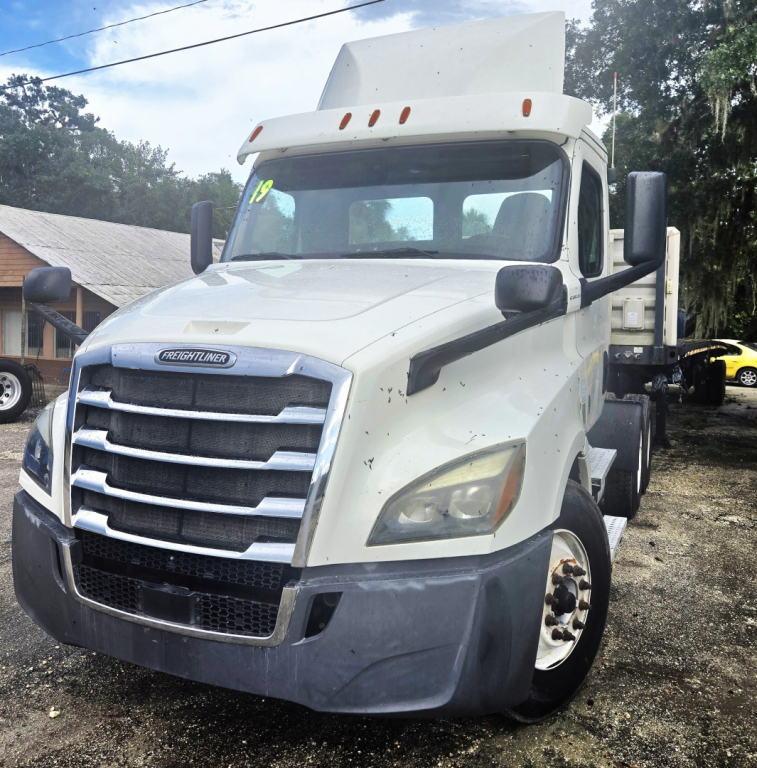
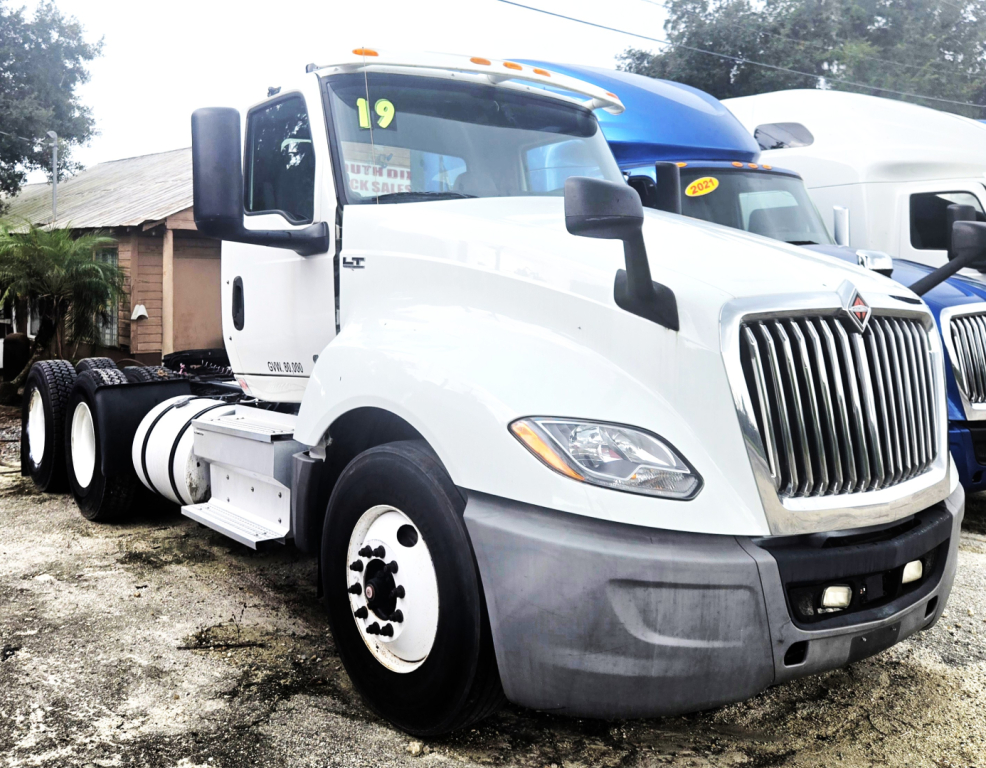
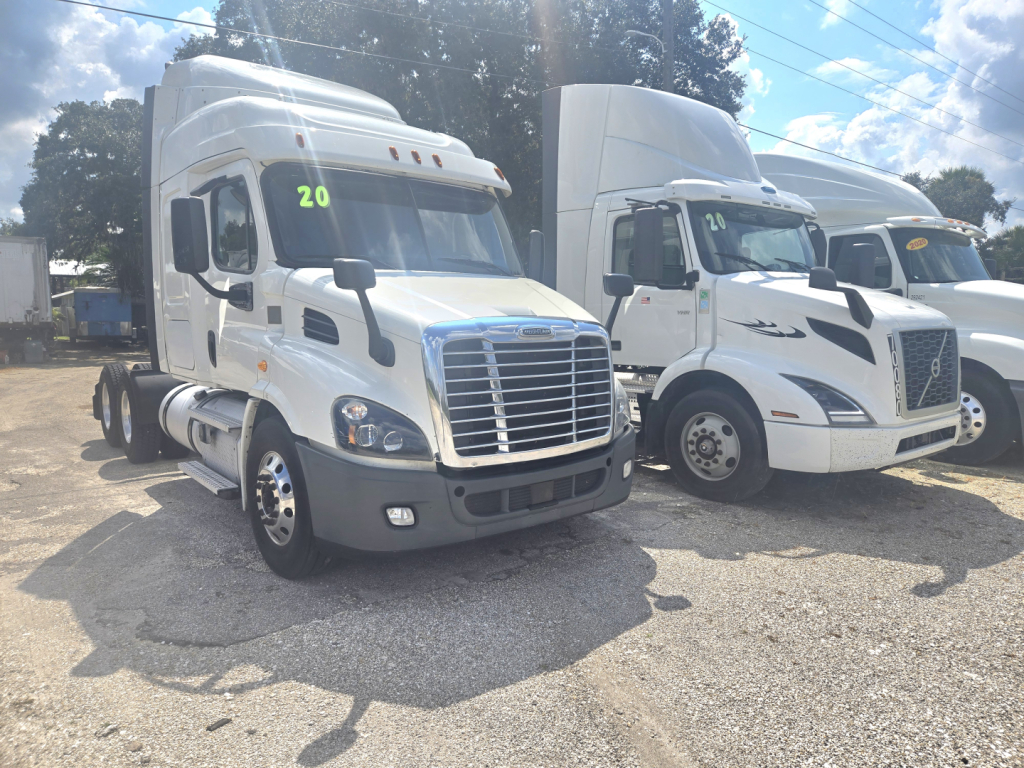
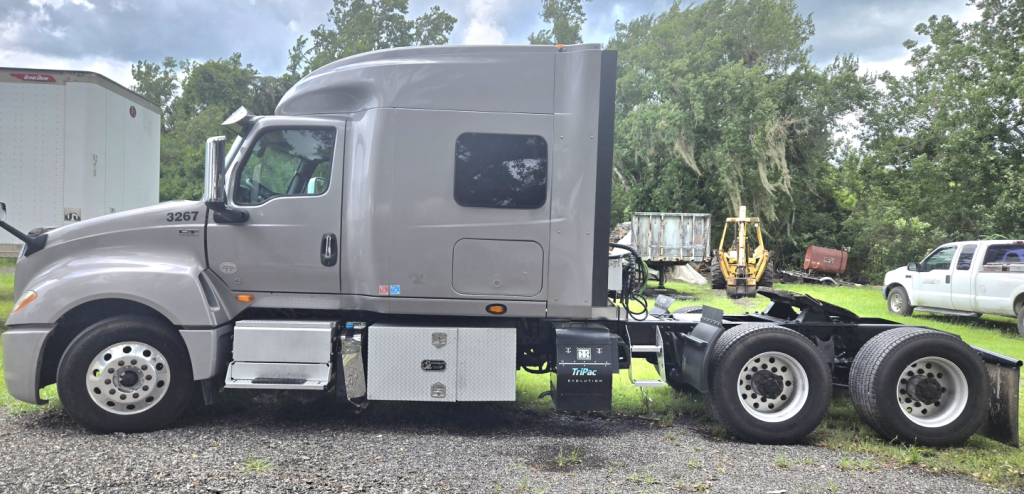
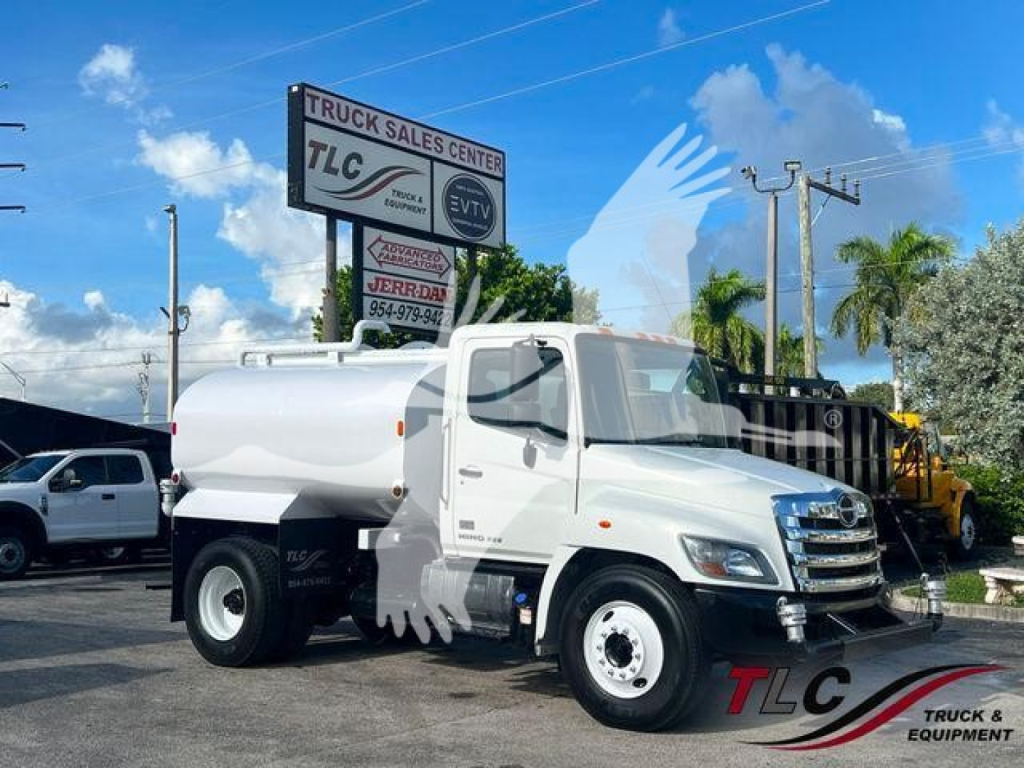
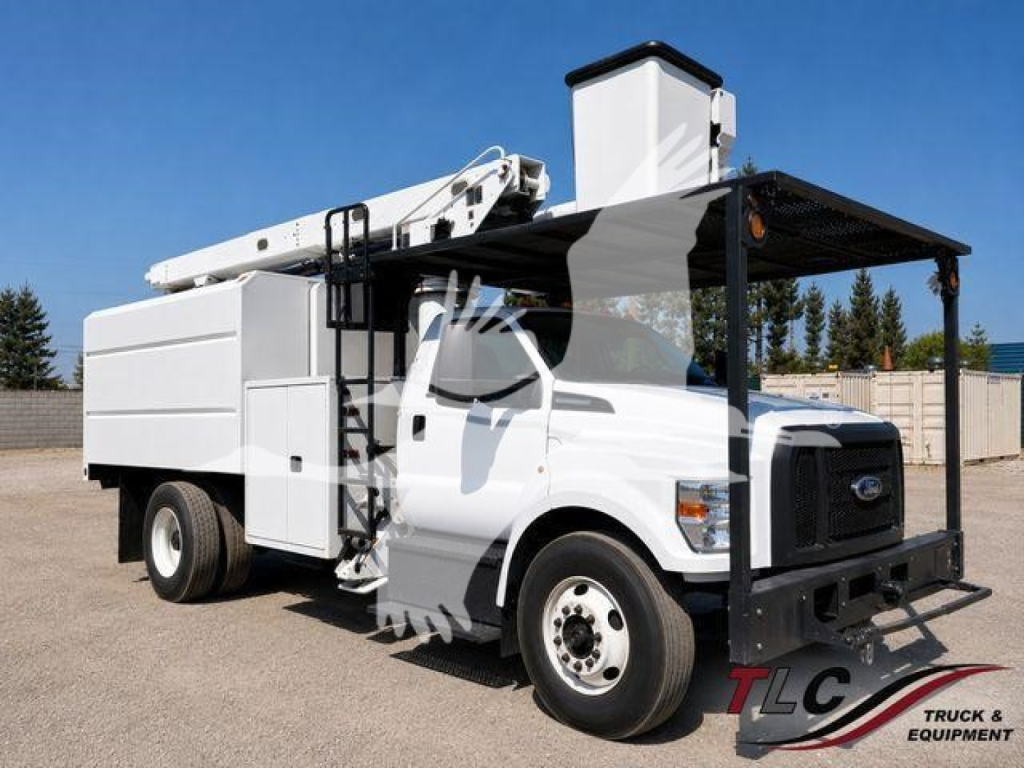
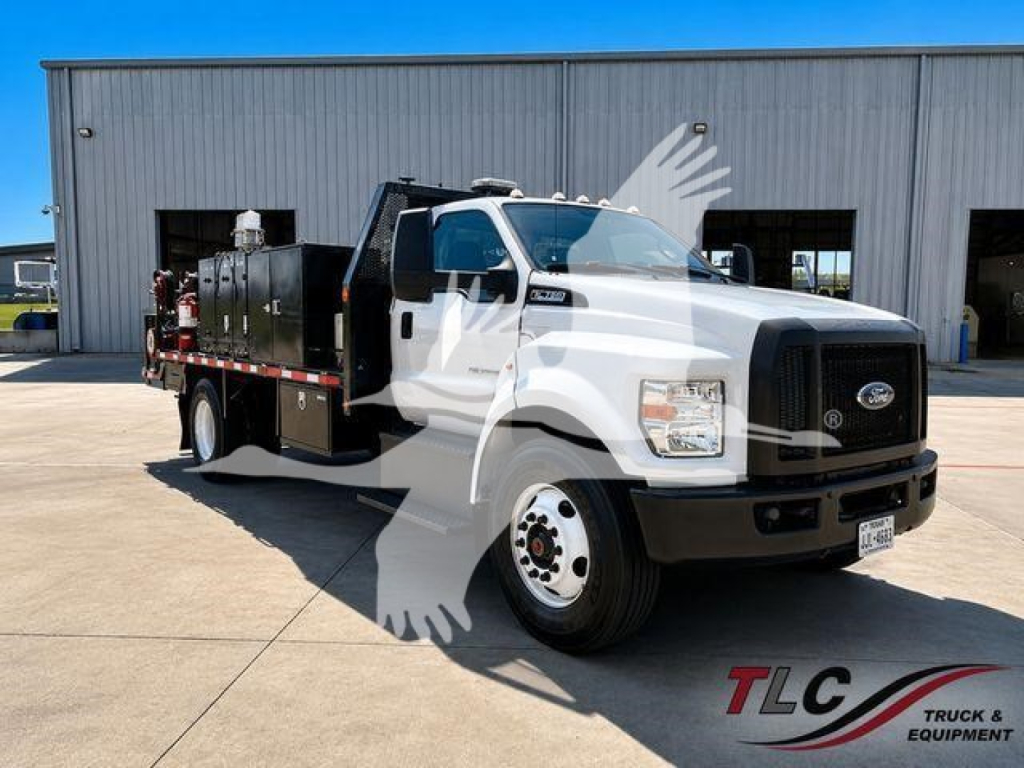
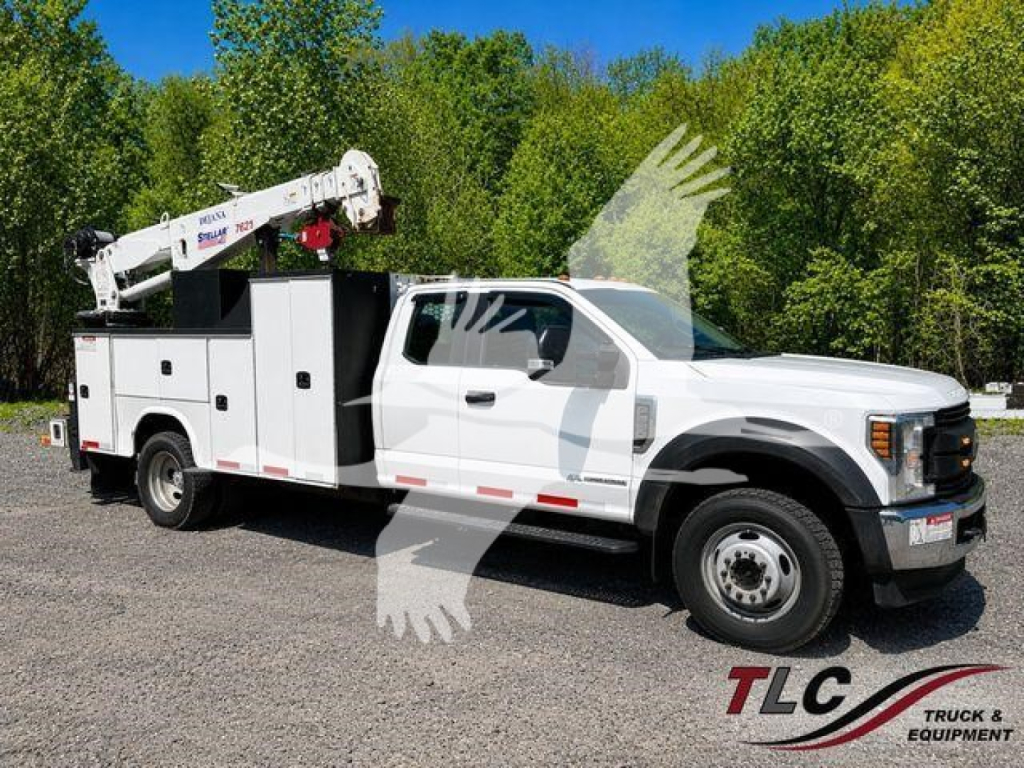
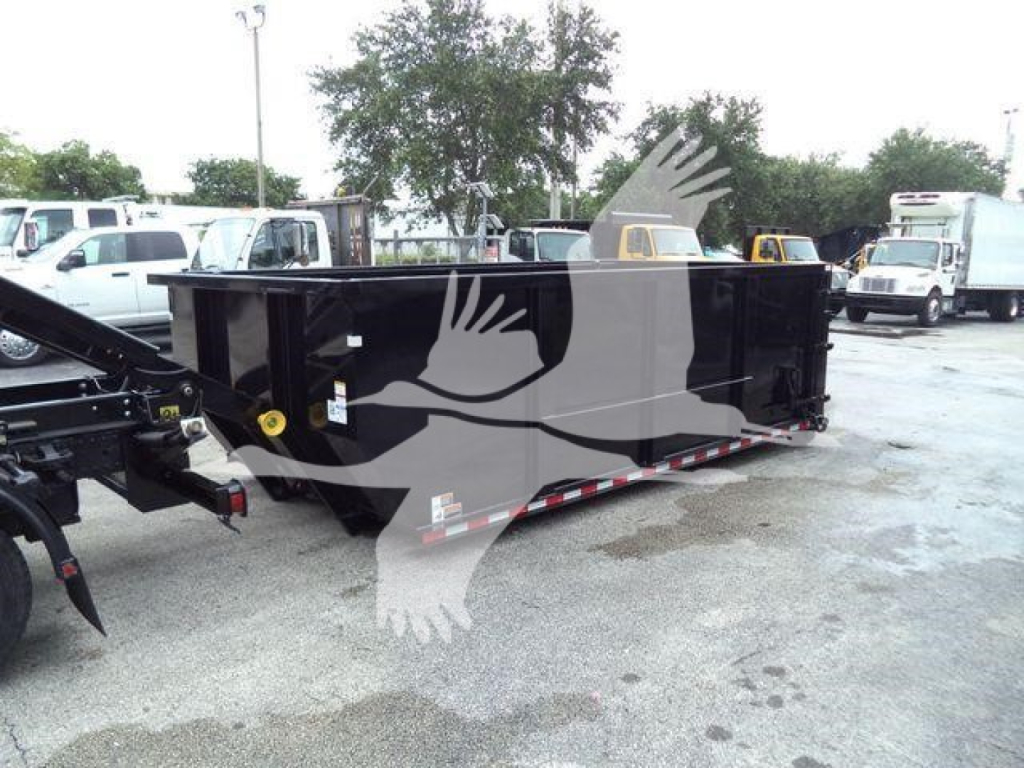
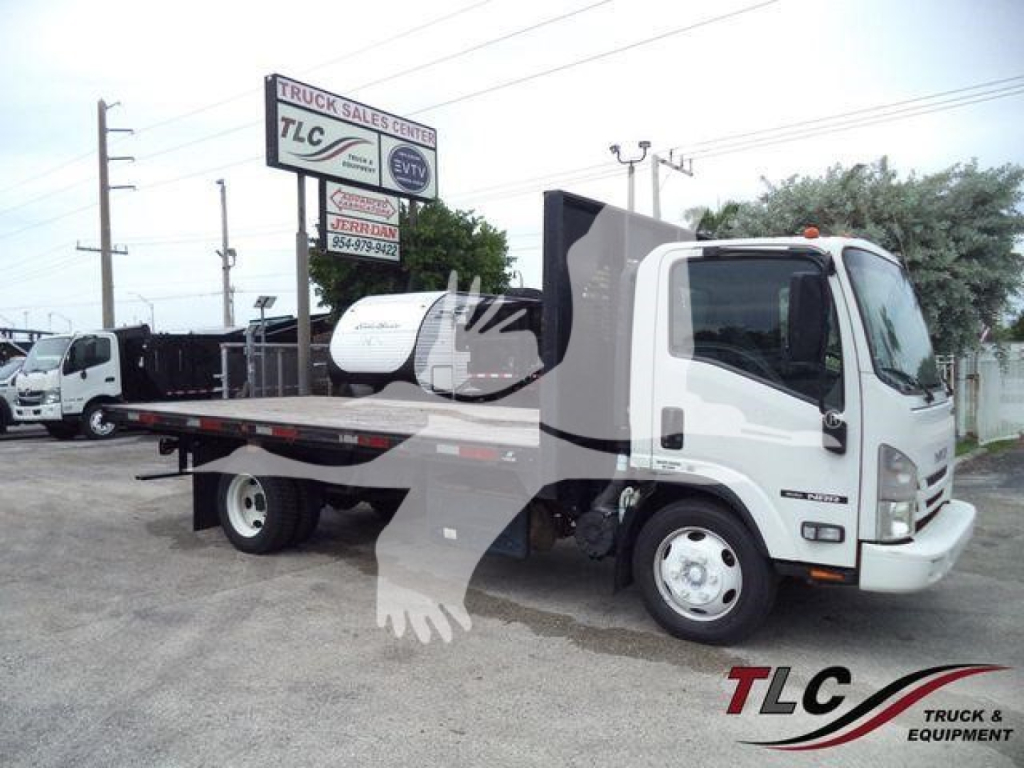
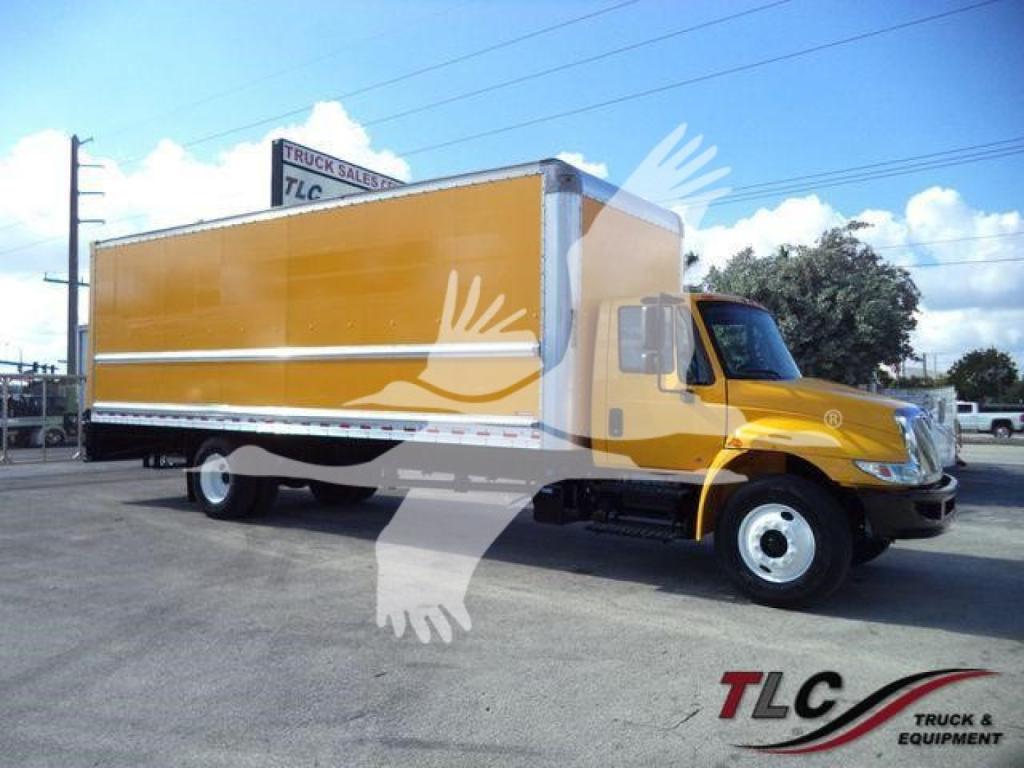
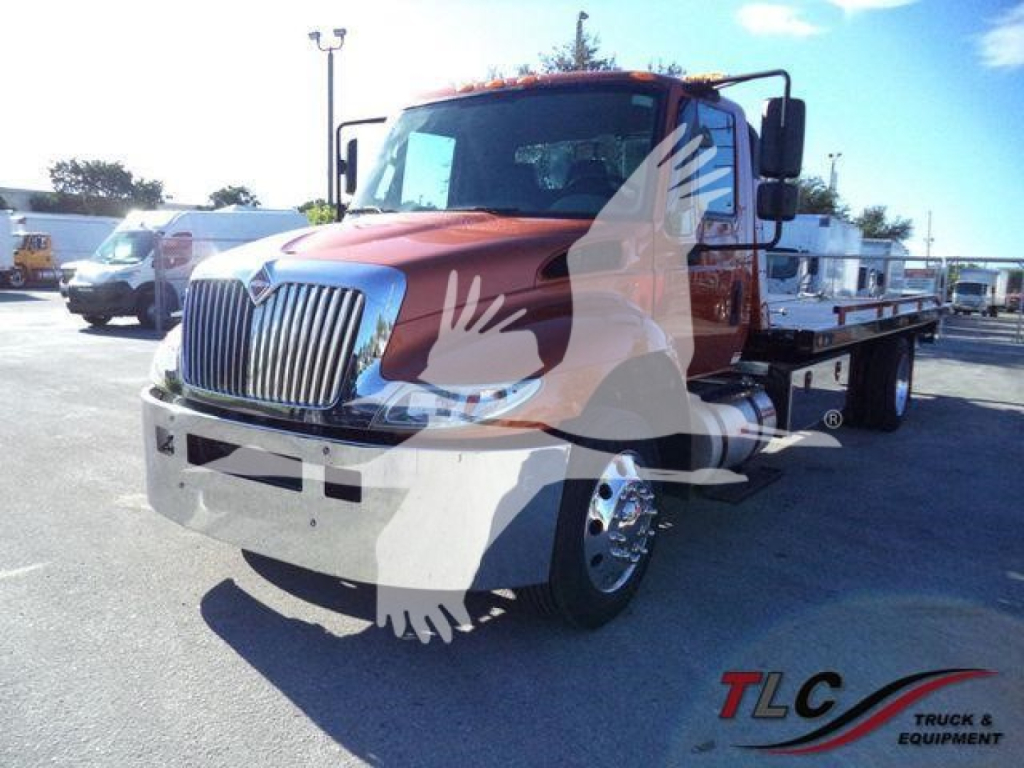
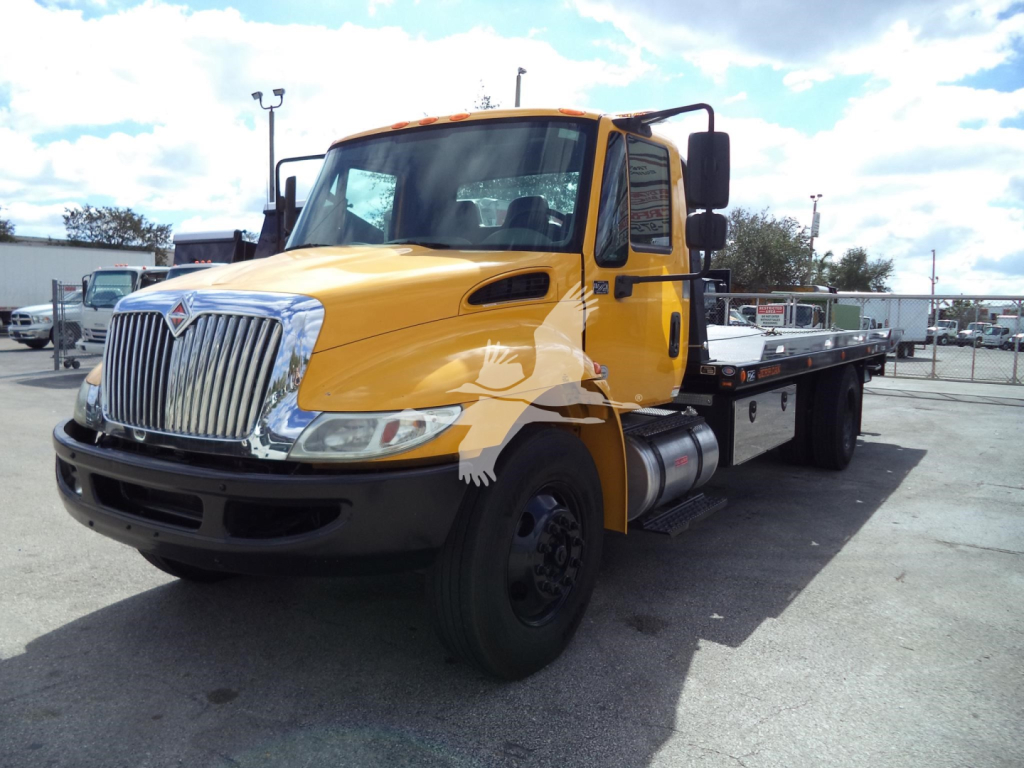
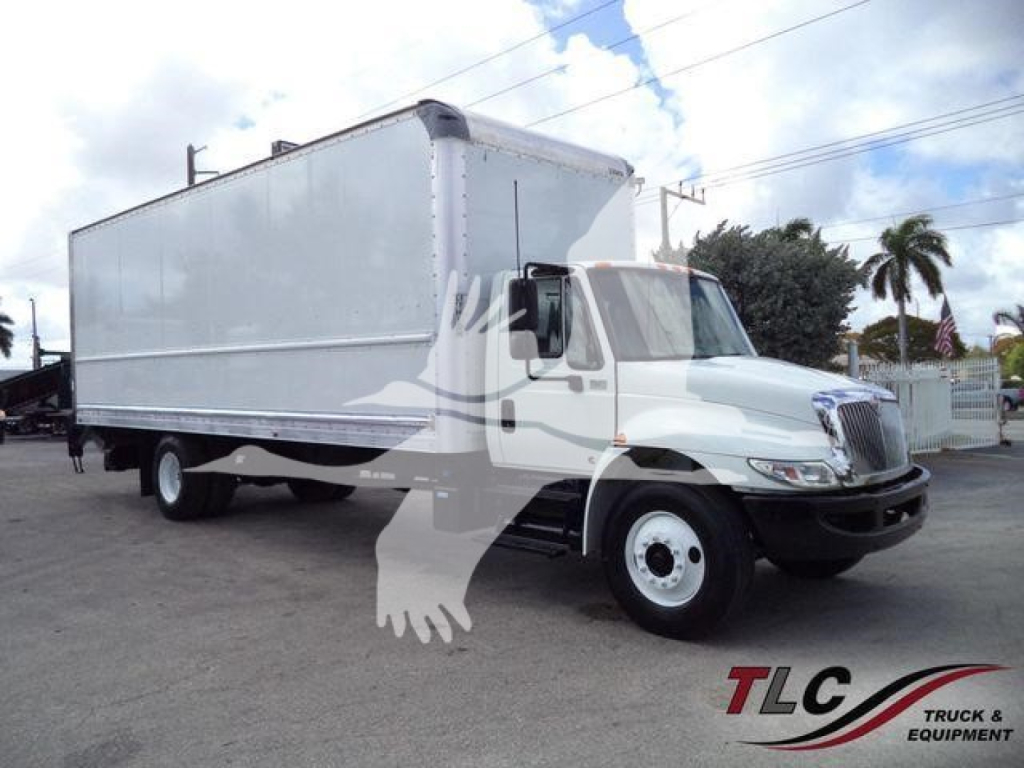
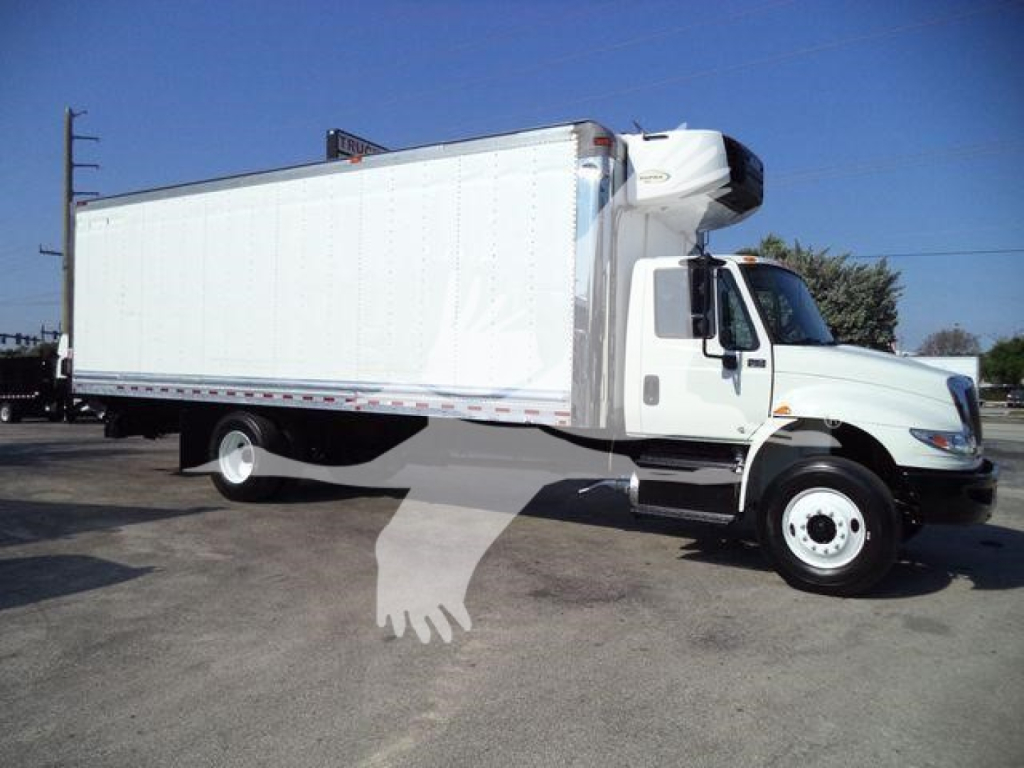
2019 International 4300
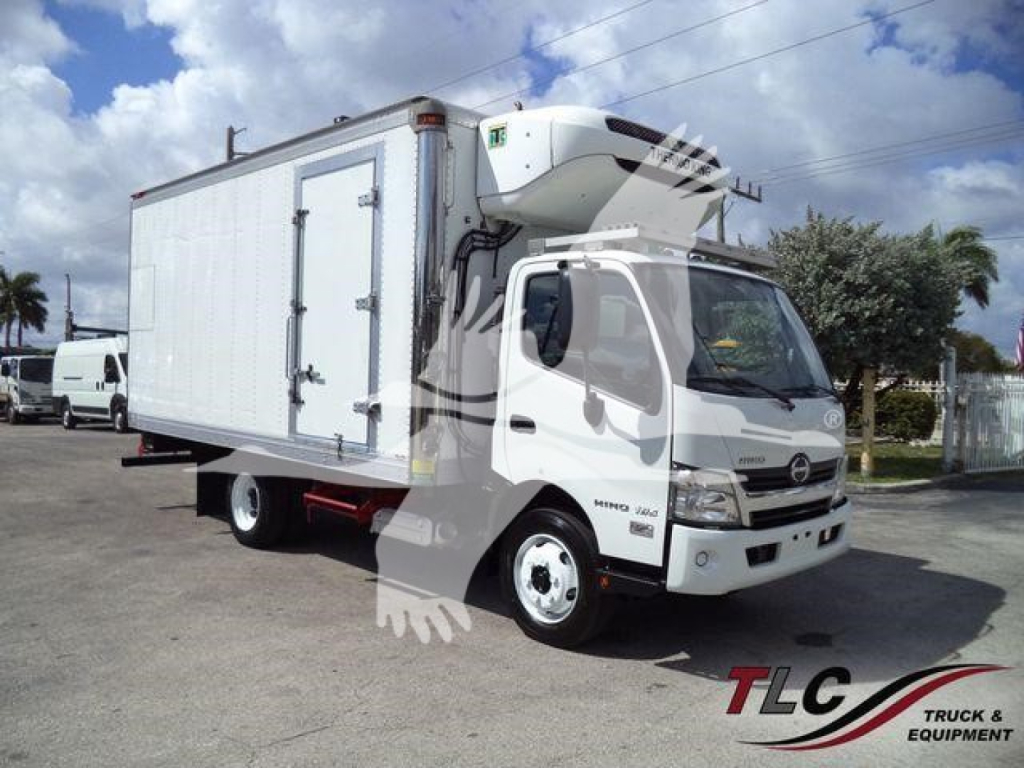
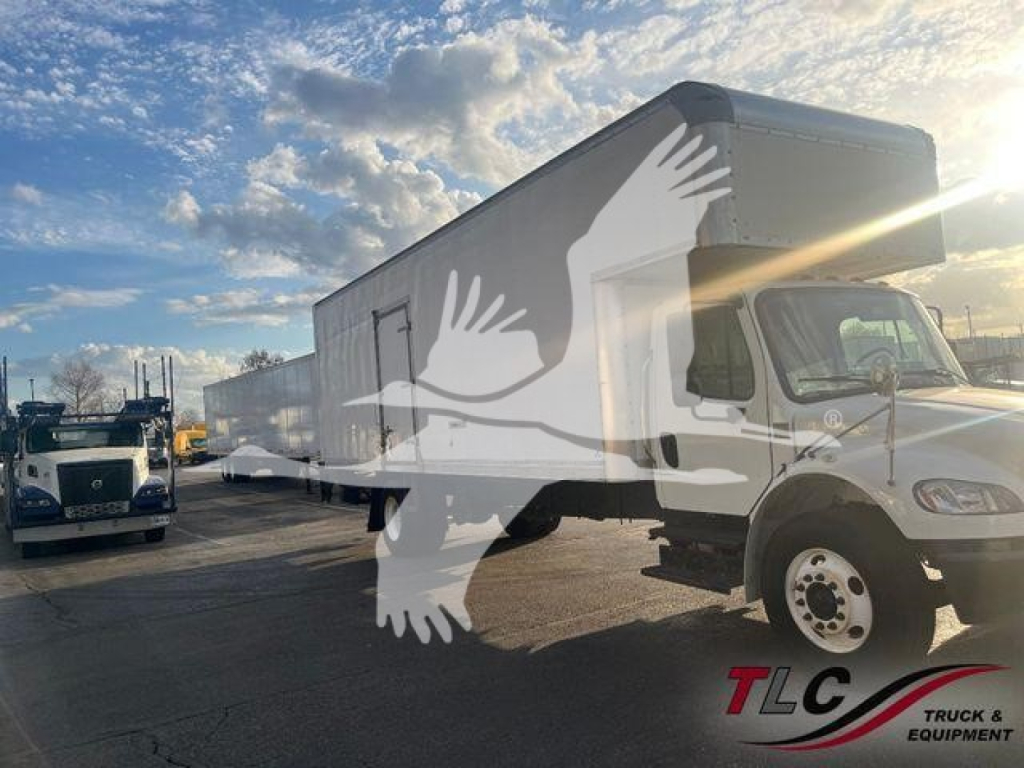
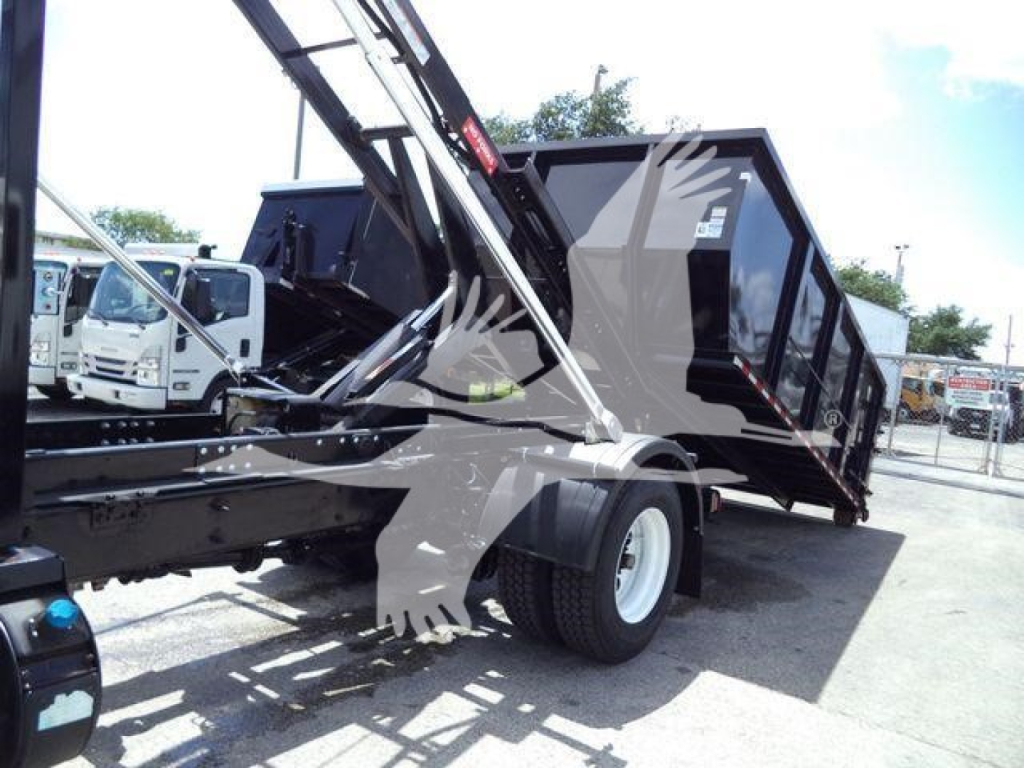
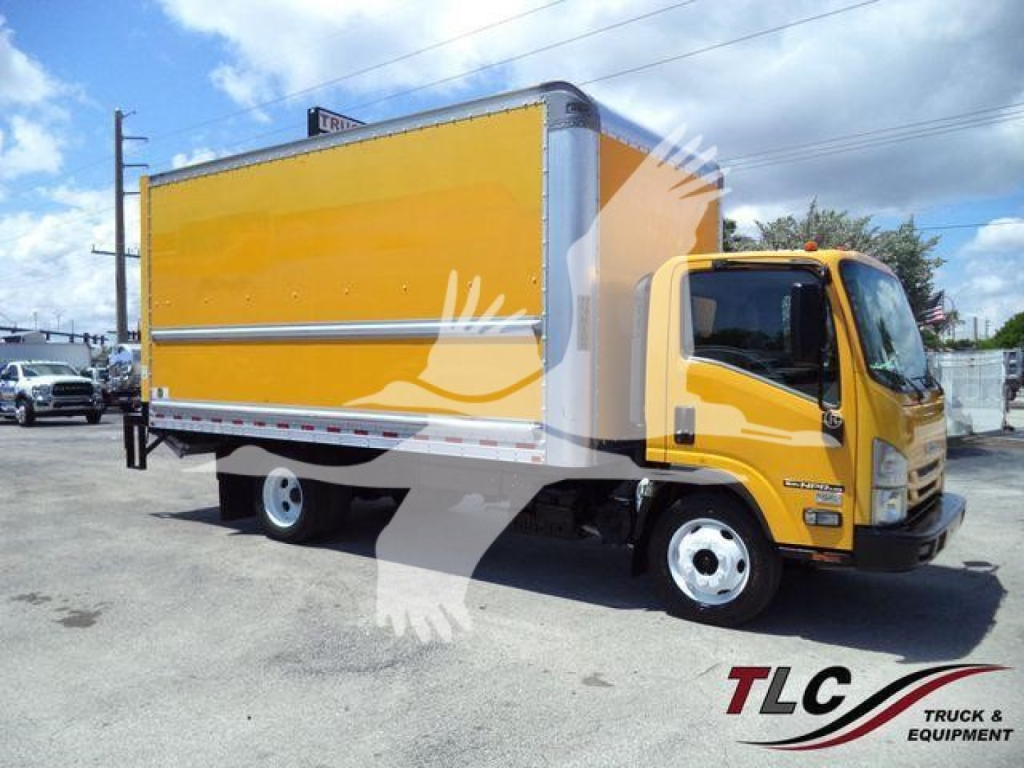
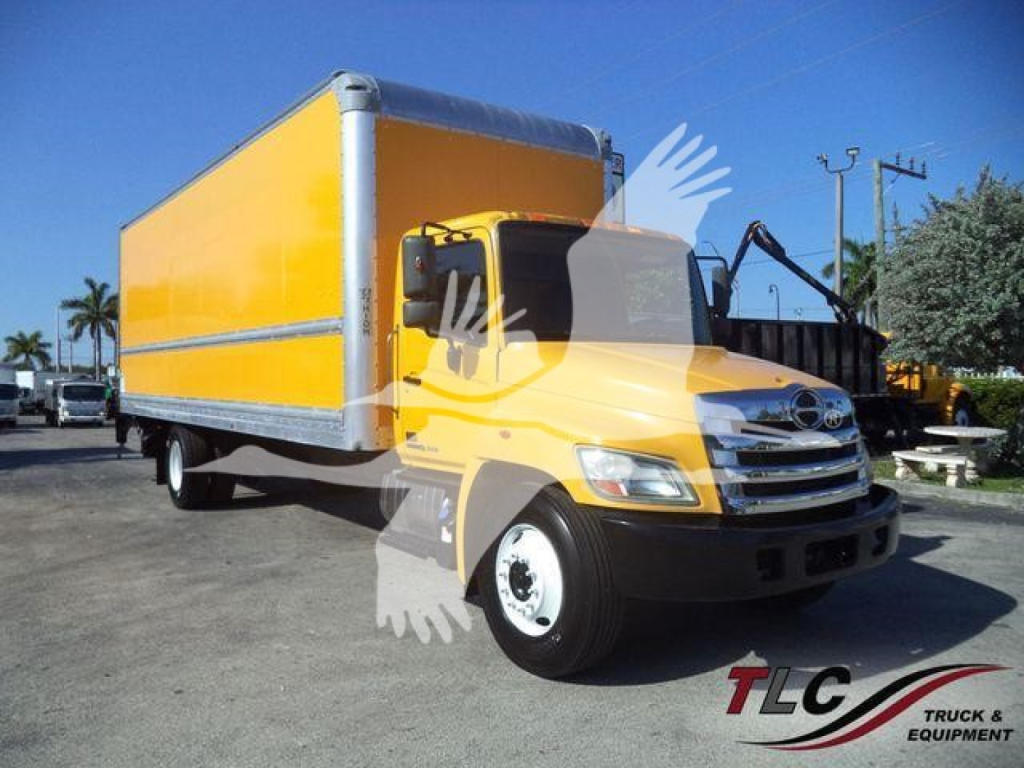
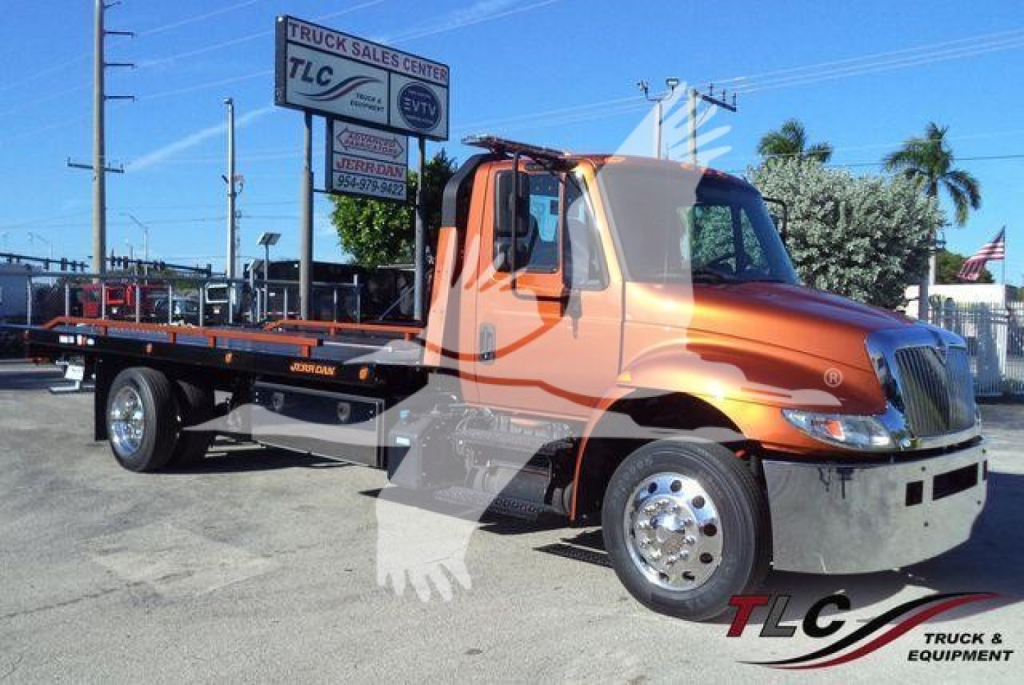
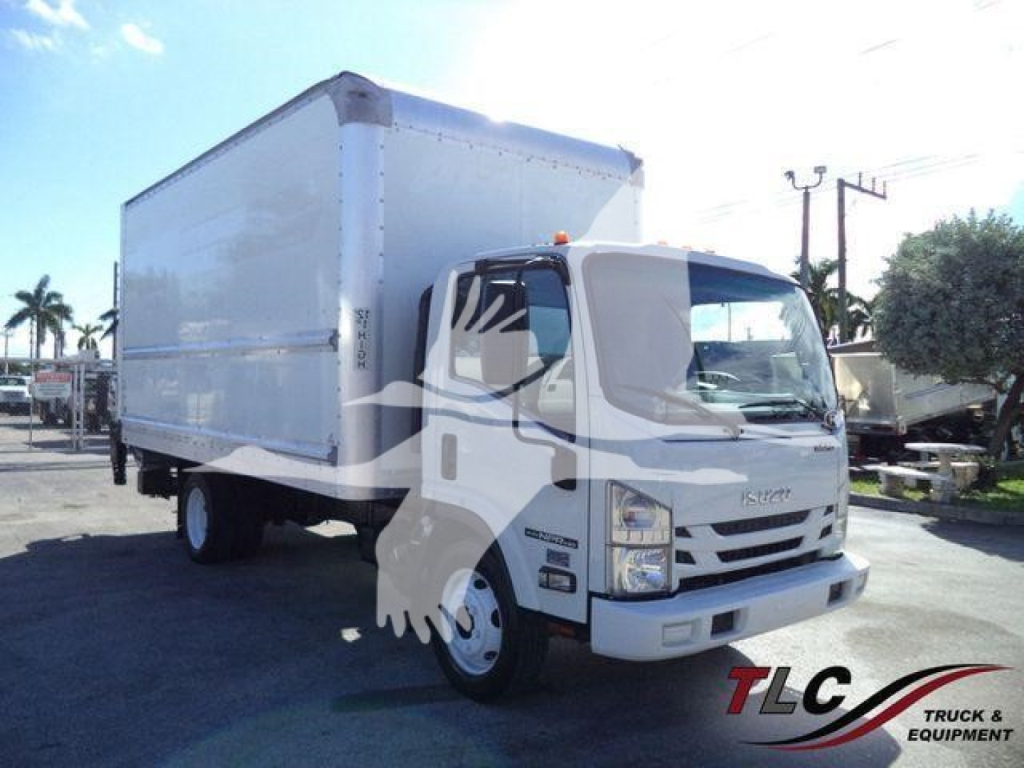
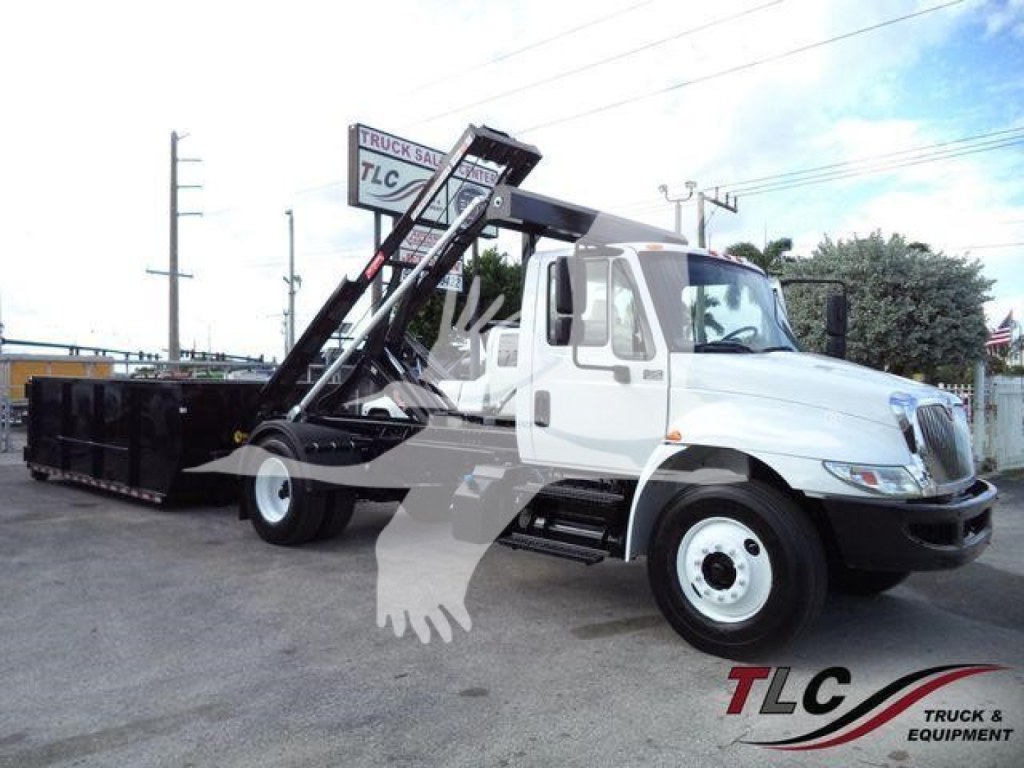
Showing 1 to 28 of 90 results
Selling a 2019 commercial truck? List your 2019 commercial truck for sale and reach thousands of commercial buyers.
2019 Commercial Trucks in Florida
For 2019 trucks, buyers should start with class and GVWR. Light-duty and medium-duty trucks often fall into pickup-based chassis and cab-over delivery platforms, while Class 6 through Class 8 trucks cover common commercial applications like tow trucks, flatbeds, dump bodies, box trucks, hooklifts, and service trucks. Powertrain choices from this year typically include diesel and gas engines paired with automatic or automated transmissions, with air brakes more common as GVWR increases. On vocational units, suspension type, front axle rating, rear axle capacity, PTO setup, wheelbase, and frame condition all matter because they affect what body the truck can legally and safely carry. If the truck has already been upfitted, buyers should inspect the body manufacturer, hydraulic components, controls, winch ratings, and any evidence of corrosion, frame modification, or hard-use damage.
Florida buyers should pay close attention to heat, humidity, and coastal exposure. Rust may be less severe than in northern salt-belt states, but corrosion still shows up on electrical connections, hydraulic fittings, bed hardware, light assemblies, and underbody components, especially near the coast. Air conditioning performance is more than a comfort item in this market, and cooling system condition is important on trucks that idle for long periods, such as wreckers, bucket trucks, or municipal units. Tire date codes, brake condition, steering play, and driveline vibration deserve a close look on any 2019 truck, particularly one that has spent time in stop-and-go service or under heavy payloads.
The best 2019 truck is usually the one with the right spec for the job on day one. Buyers comparing listings should look at engine horsepower and torque, cab style, axle configuration, fuel type, body length, and operating capacity in real working terms. A rollback buyer may care about deck length, wheel-lift rating, and winch capacity. A delivery or landscape buyer may focus on payload, side access, and turning radius. A service fleet may prioritize PTO compatibility, onboard storage, and idle hours. When the truck’s chassis, body, and duty cycle match, a 2019 model can deliver dependable commercial performance with a lower entry cost than newer equipment.
Frequently Asked Questions about 2019 Commercial Trucks in Florida
What should I look for first when buying a 2019 truck in Florida?
Start with the truck’s intended application, GVWR, and current upfit. A 2019 truck may look clean but still be wrong for the job if the axle ratings, wheelbase, suspension, or body capacity do not match your operating needs. In Florida, also inspect air conditioning performance, cooling system condition, electrical connectors, and signs of corrosion from humidity or coastal exposure. Service records, idle hours on vocational units, tire age, and brake wear are often more important than appearance alone.
Is a 2019 truck old enough to have emissions or DEF-related concerns?
A 2019 diesel truck is modern enough to include complex emissions equipment such as EGR, DPF, and SCR systems on most commercial applications. That does not make it a bad buy, but it does make maintenance history important. Buyers should ask about regen frequency, fault codes, injector work, DPF cleaning history, and any previous emissions repairs. A properly maintained 2019 diesel can be a strong value, but deferred emissions maintenance can become expensive quickly.
Are 2019 medium-duty trucks a good fit for towing, rollback, or flatbed work?
Yes, many 2019 medium-duty trucks are well suited for rollback towing, car carrier service, and light to medium flatbed applications when the chassis is spec'd correctly. Buyers should verify GVWR, front and rear axle ratings, wheel-lift capacity if equipped, frame reinforcement, brake type, and transmission pairing. On a rollback or tow truck, the upfit matters as much as the chassis, so bed manufacturer, deck dimensions, winch rating, hydraulic condition, and control layout should all be reviewed closely.
How do I compare two 2019 trucks with different bodies or upfits?
Compare them by the work they can actually perform, not just by engine size or odometer reading. Look at payload or towing capacity, body length, deck width, PTO or hydraulic setup, storage, cab configuration, and axle ratings. A lower-mile truck with the wrong body may cost more to reconfigure than a higher-mile truck that is already correctly spec'd. For vocational trucks, body condition, subframe quality, and evidence of proper installation are critical points in the comparison.
Why do buyers still target 2019 trucks instead of newer models?
Many buyers target 2019 trucks because they often offer a practical balance of price, capability, and modern features. This model year is new enough to provide updated interiors, better transmission options, and current fleet-friendly chassis designs, while still being old enough to avoid the premium attached to near-new equipment. For businesses watching total cost of ownership, a properly maintained 2019 truck can be a cost-effective way to add capacity without stepping into brand-new pricing.