
2019 Refrigerated Trucks For Sale in Florida
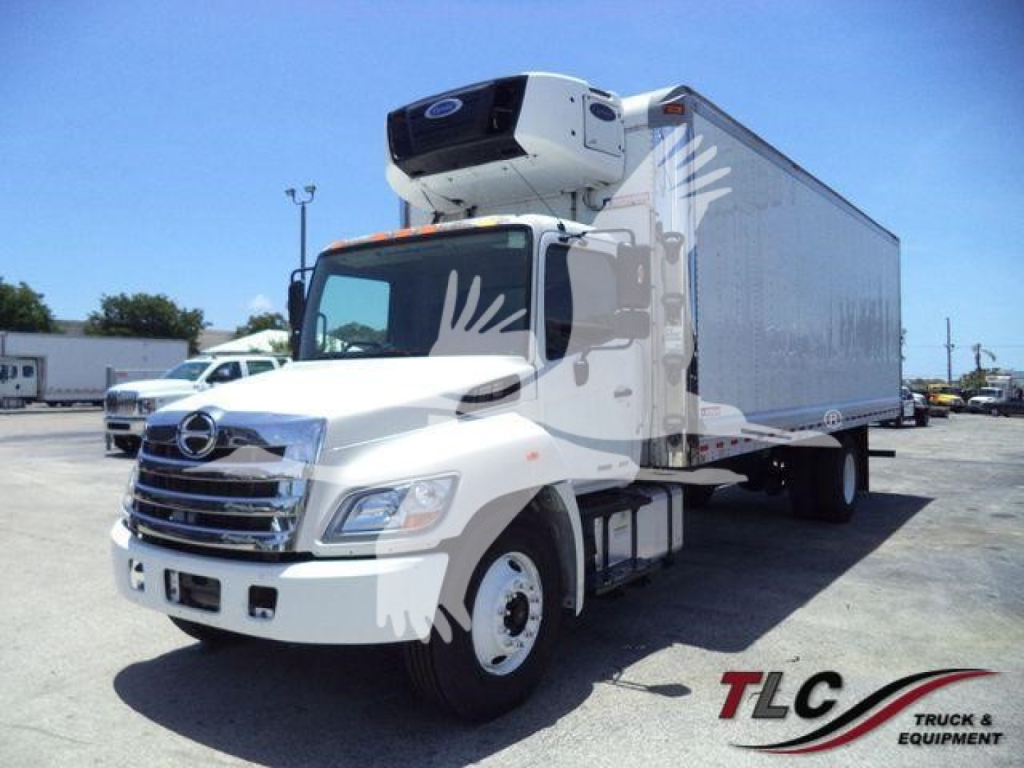
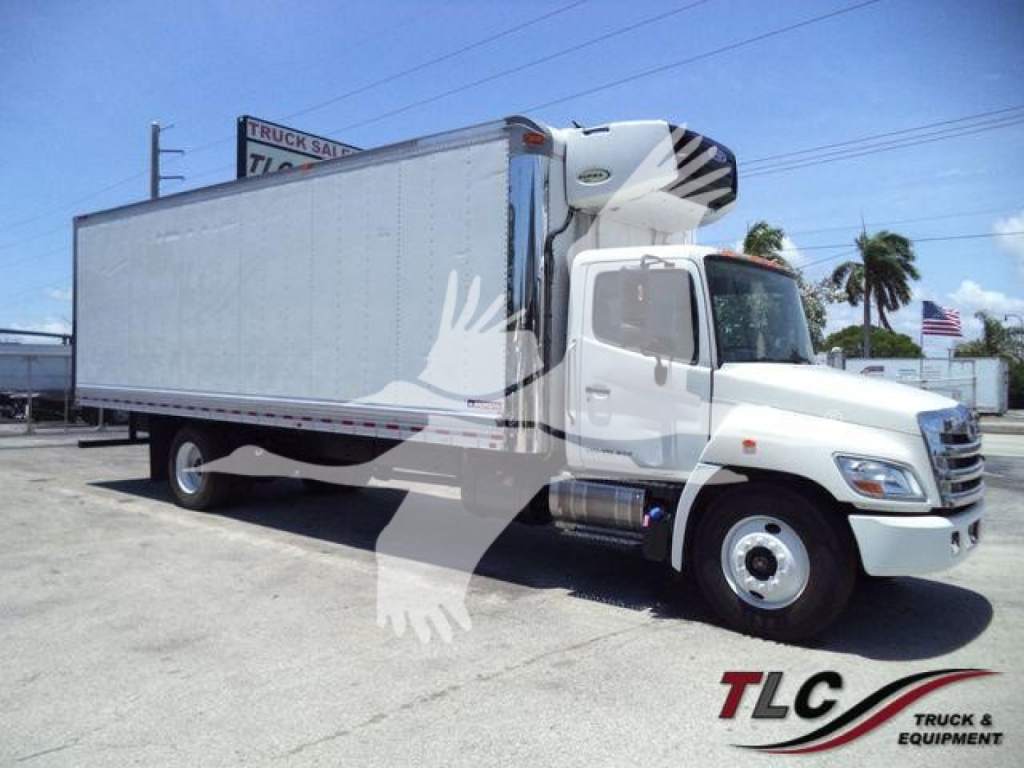
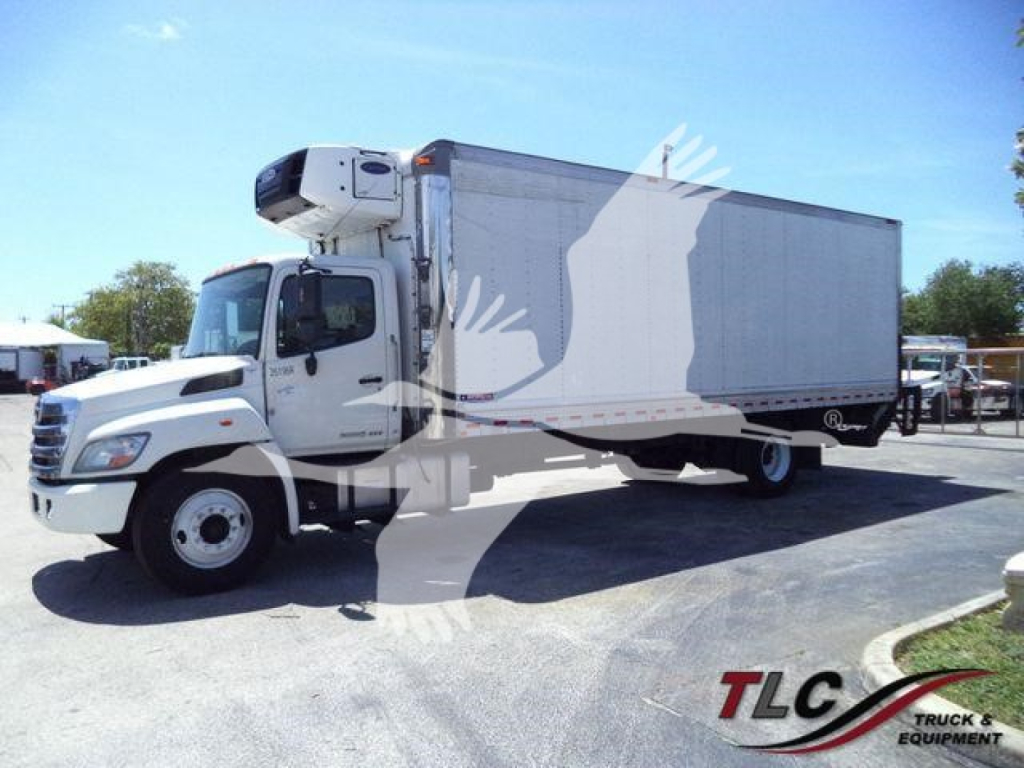
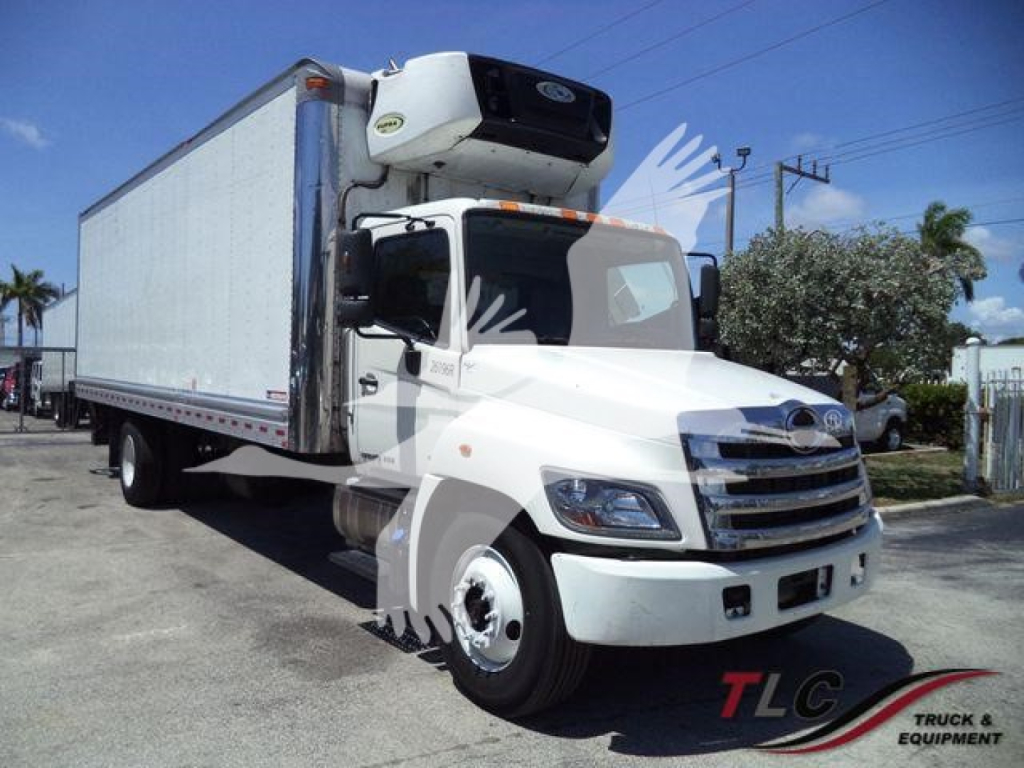
Shop 2019 refrigerated trucks for sale in Florida. Compare reefer box trucks by GVWR, body length, liftgate, reefer unit, and standby.
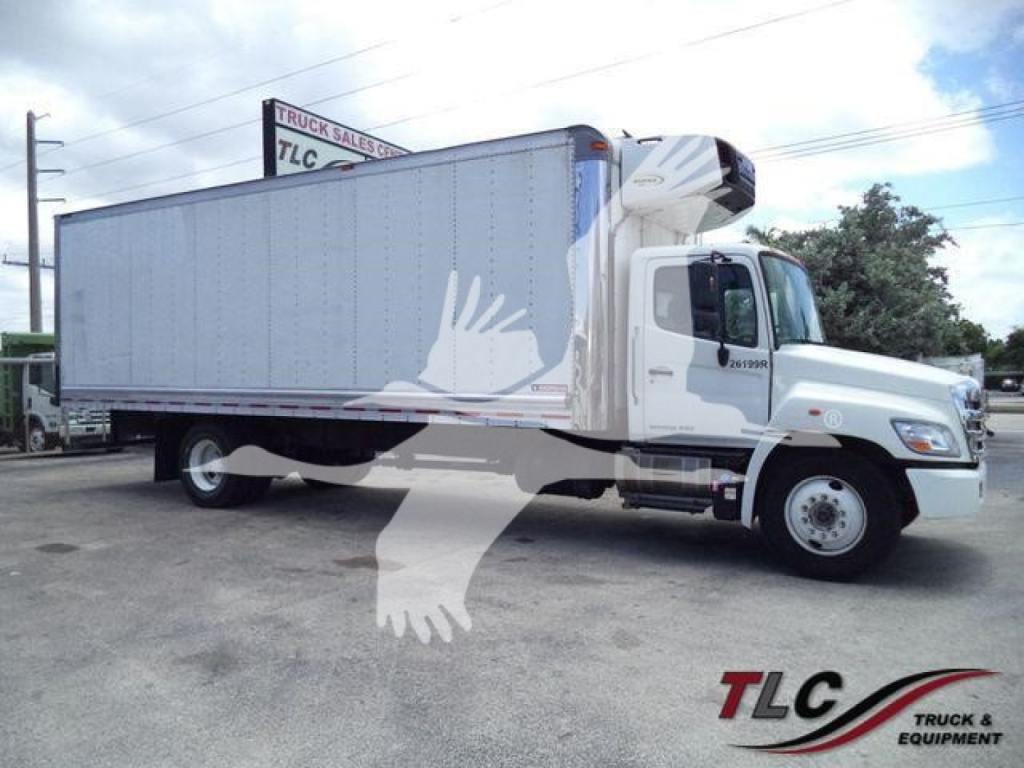
Selling a 2019 refrigerated truck? List your 2019 refrigerated truck for sale and reach thousands of commercial buyers.
2019 Refrigerated Trucks in Florida
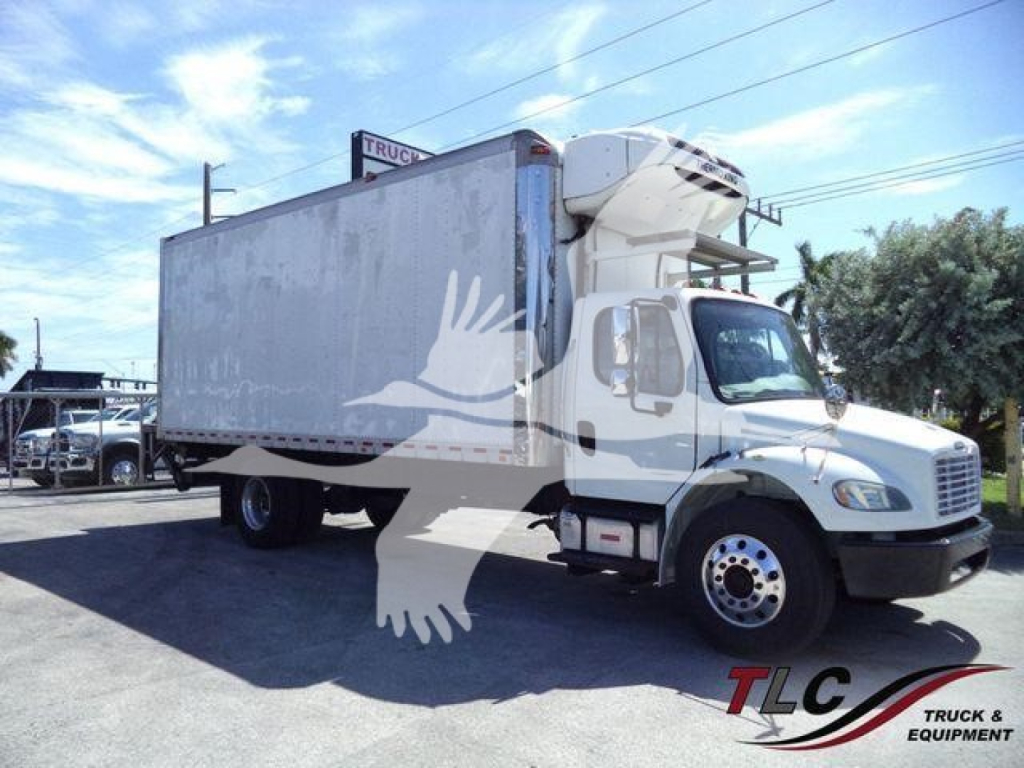
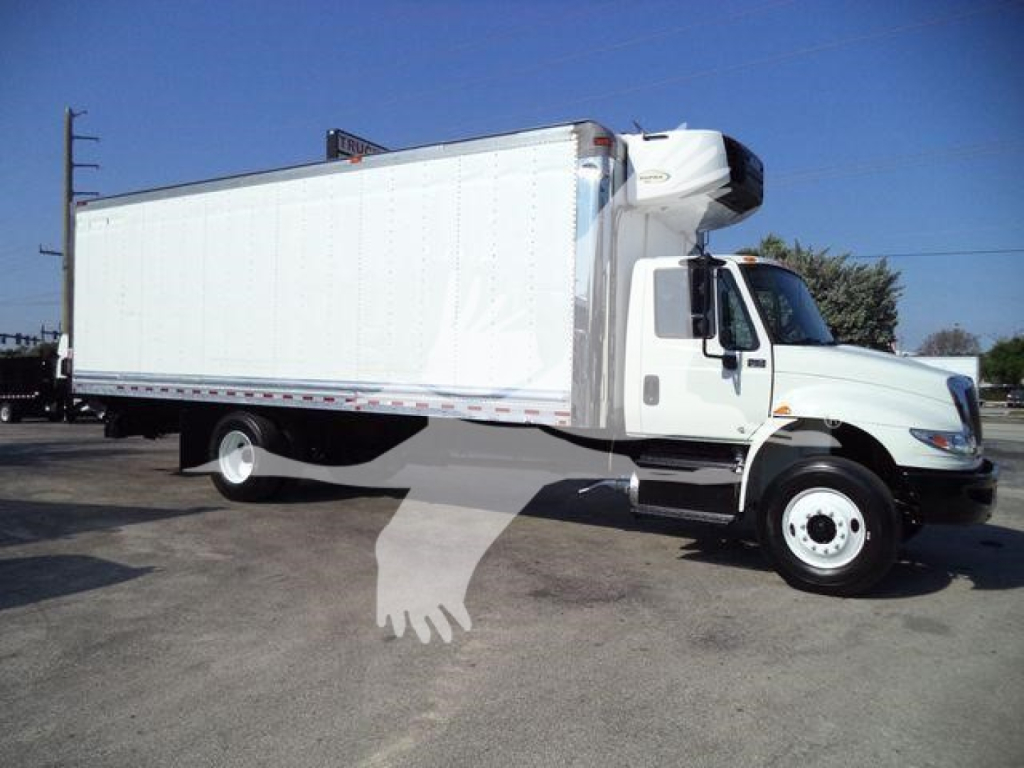
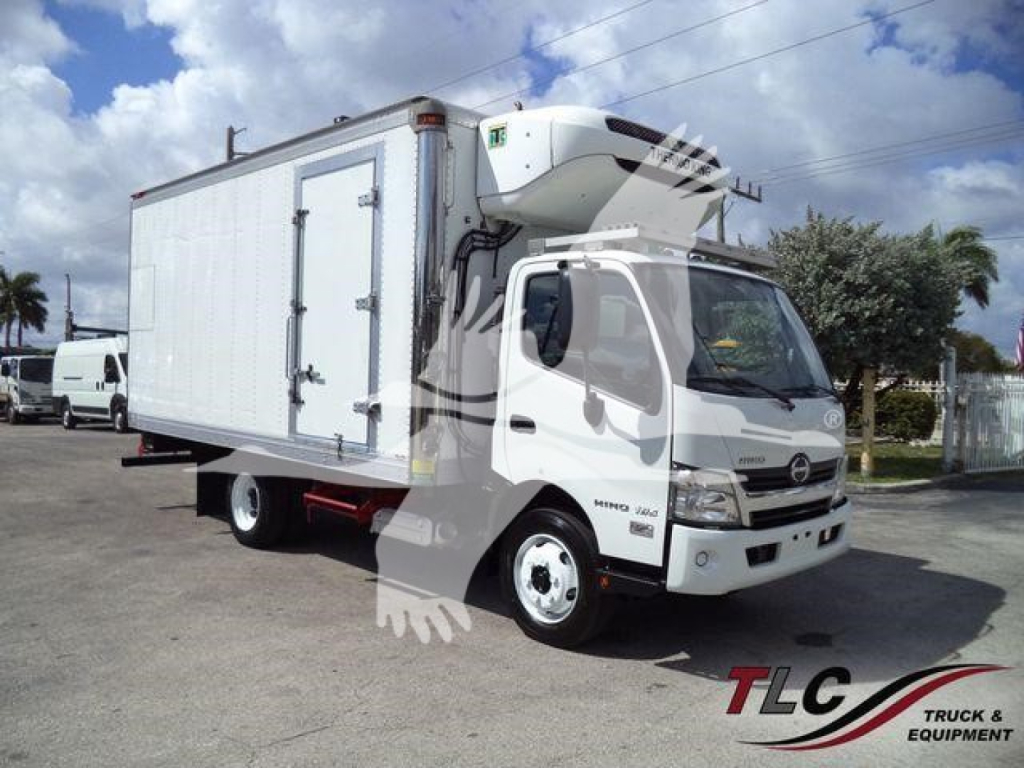
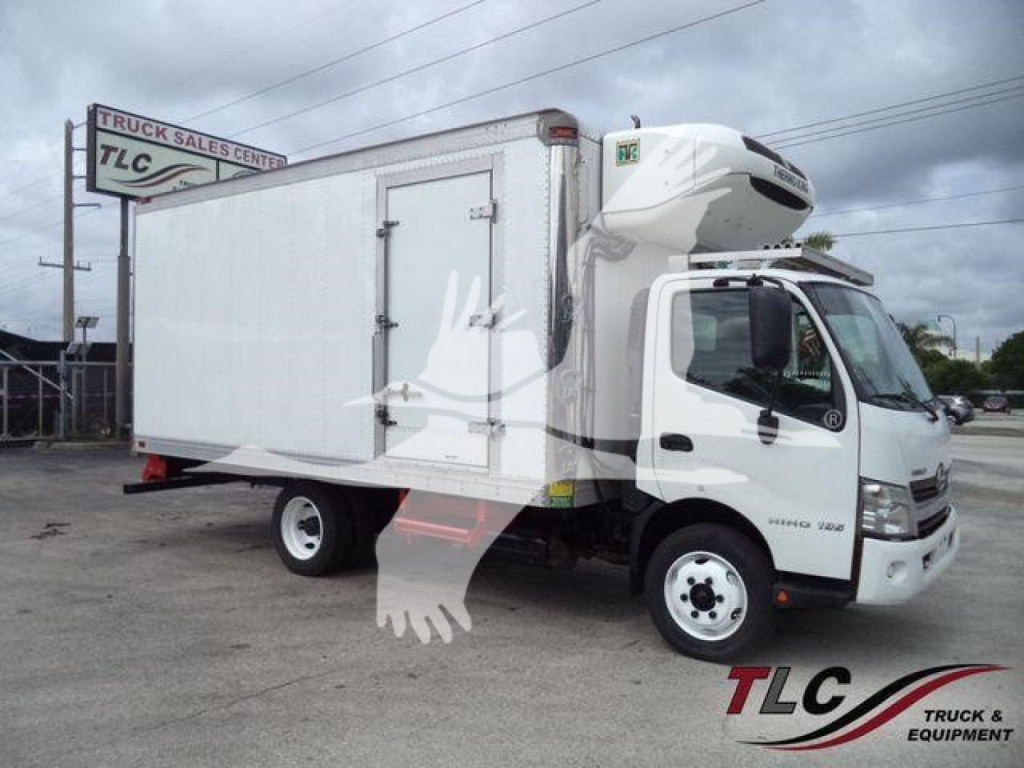
The first buying decision is usually size and weight class. Common 2019 reefer trucks include Class 4 through Class 6 straight trucks with 16-foot, 18-foot, 20-foot, and 26-foot insulated bodies. Many fall at 19,500 to 25,950 lb GVWR to stay under CDL thresholds while still carrying a useful payload. Buyers should compare body length, interior height, wall thickness, door style, and floor construction, then match that to delivery density and pallet count. A smaller under-CDL refrigerated box truck can work well for urban and multi-stop routes, while a 26-foot reefer body gives better cube for commissary, wholesale, and grocery distribution. Roll-up rear doors are common, and side doors can speed hand-cart deliveries.
The refrigeration package deserves the closest review. Thermo King and Carrier units are the names most buyers expect in this category, with diesel-powered nose-mount systems common on medium-duty reefer trucks. Look for the unit model, engine hours, temperature pull-down performance, defrost operation, and whether the truck has electric standby. Standby is especially valuable for Florida operations that stage product overnight or load from a dock with shore power. Inside the body, practical details like scuff liners, insulated bulkheads, ducted airflow, drain ports, and E-track affect daily usability. A tuck-under liftgate is often a better fit than a railgate for route work because it preserves dock access while still handling palletized freight.
On the chassis side, 2019 refrigerated trucks commonly use diesel engines paired with Allison automatic transmissions, plus hydraulic or air brakes depending on GVWR. Buyers should verify payload after the reefer body and liftgate are accounted for, because refrigeration equipment adds significant tare weight. In Florida, corrosion risk is usually lower than in snow-belt states, but reefer buyers still need to inspect the subframe, rear sill, liftgate structure, evaporator mounting, and body seams for moisture intrusion or rust. The best 2019 refrigerated trucks are the ones with documented reefer service, clean insulation and interior panels, strong door seals, and a chassis spec that matches the route instead of simply maximizing box length.
Frequently Asked Questions about 2019 Refrigerated Trucks in Florida
What should I look for first on a 2019 refrigerated truck?
Start with the refrigeration unit, not just the cab or odometer. Confirm the reefer make and model, engine hours, temperature range, pull-down speed, defrost function, and recent service records. Then check the insulated body for soft spots, damaged interior liners, leaking door seals, and floor wear. After that, review GVWR, payload, body length, and liftgate capacity to make sure the truck fits the freight and route.
Are most 2019 refrigerated trucks in the under-CDL range?
Many are. A large share of refrigerated box trucks are built at 19,500 lb or 25,950 lb GVWR so operators can stay under CDL requirements while still carrying refrigerated freight. That said, being under CDL does not automatically mean strong payload. Reefer bodies, diesel refrigeration units, and liftgates add weight, so payload should always be confirmed from the actual door sticker or scale weight.
Is electric standby worth having on a reefer truck in Florida?
For many Florida operations, yes. Electric standby lets the refrigeration unit run while the truck is parked at a facility with shore power, which reduces diesel use and helps hold temperature during loading, staging, or overnight storage. It is especially useful for seafood, dairy, produce, floral, and medical deliveries where product temperature control is tightly managed and ambient heat is consistently high.
What body features matter most on a refrigerated box truck?
Insulation quality, door seal condition, floor construction, and airflow management matter more than cosmetic appearance. Buyers should look for sturdy scuff liners, a clean and undamaged interior, proper evaporator placement, and a floor that can handle the intended mix of pallets, carts, or hand-loaded freight. Roll-up rear doors are common for route delivery, while side doors and tuck-under liftgates can improve efficiency at tight stops.
Which is better for a reefer truck, a tuck-under liftgate or a ramp?
A tuck-under liftgate is usually the more versatile choice for palletized refrigerated freight because it handles heavier loads and still allows dock-height loading when folded away. A pull-out ramp can work for lighter hand-cart routes, but it is slower with pallets and less practical for repeated commercial deliveries. The right answer depends on whether the truck is moving palletized product, mixed route freight, or mostly hand-loaded cases.