
2019 Refrigerated Trucks For Sale
Browse 2019 refrigerated trucks with insulated bodies, reefer units, liftgates, and delivery-ready specs for cold chain operations.
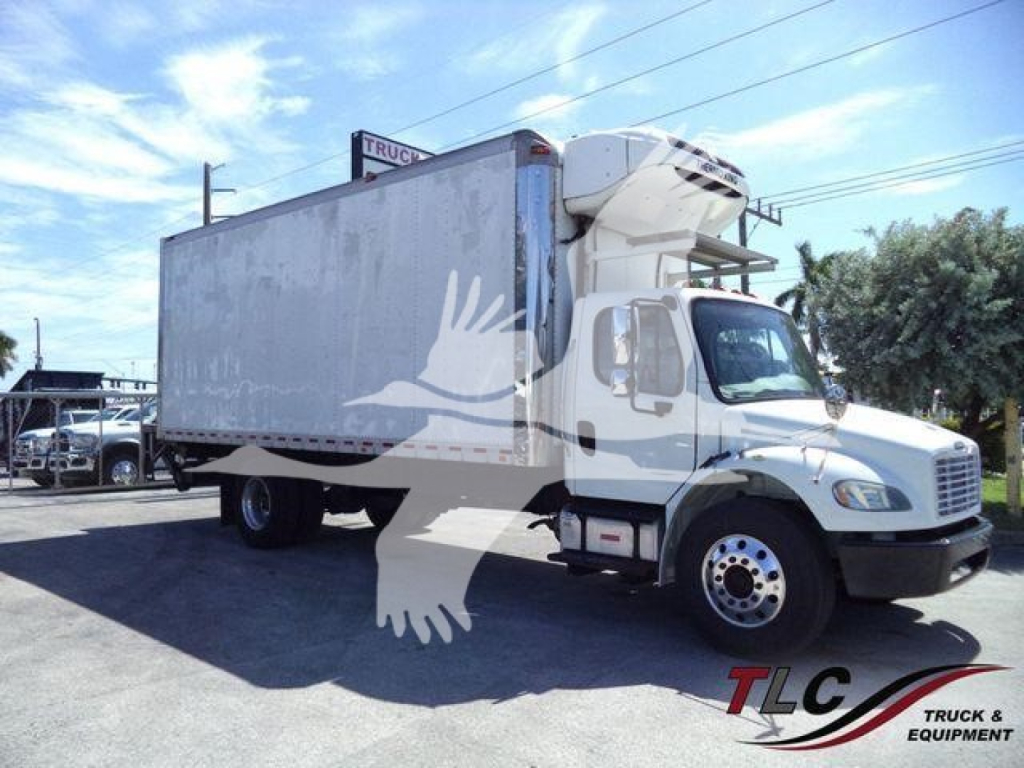
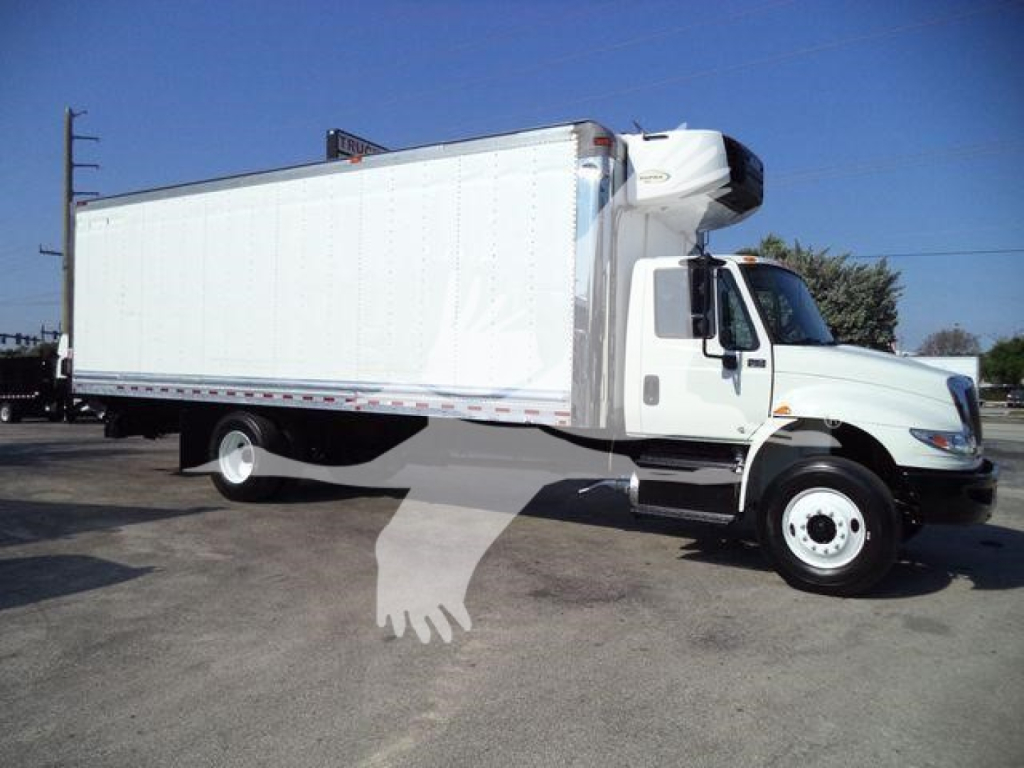
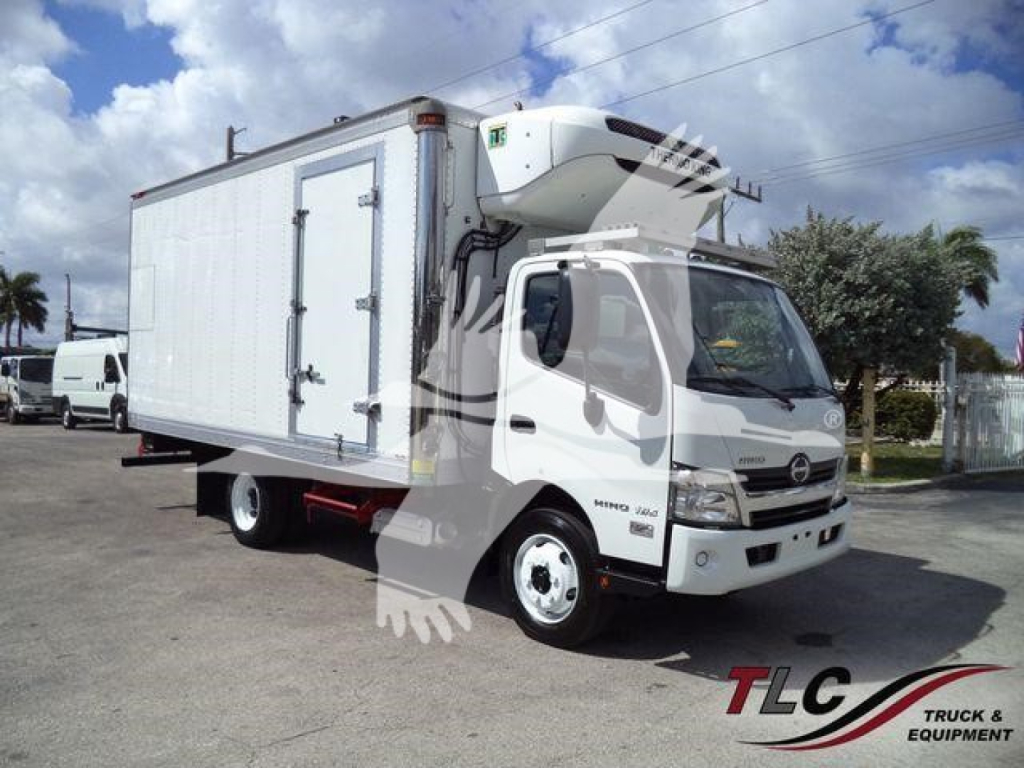
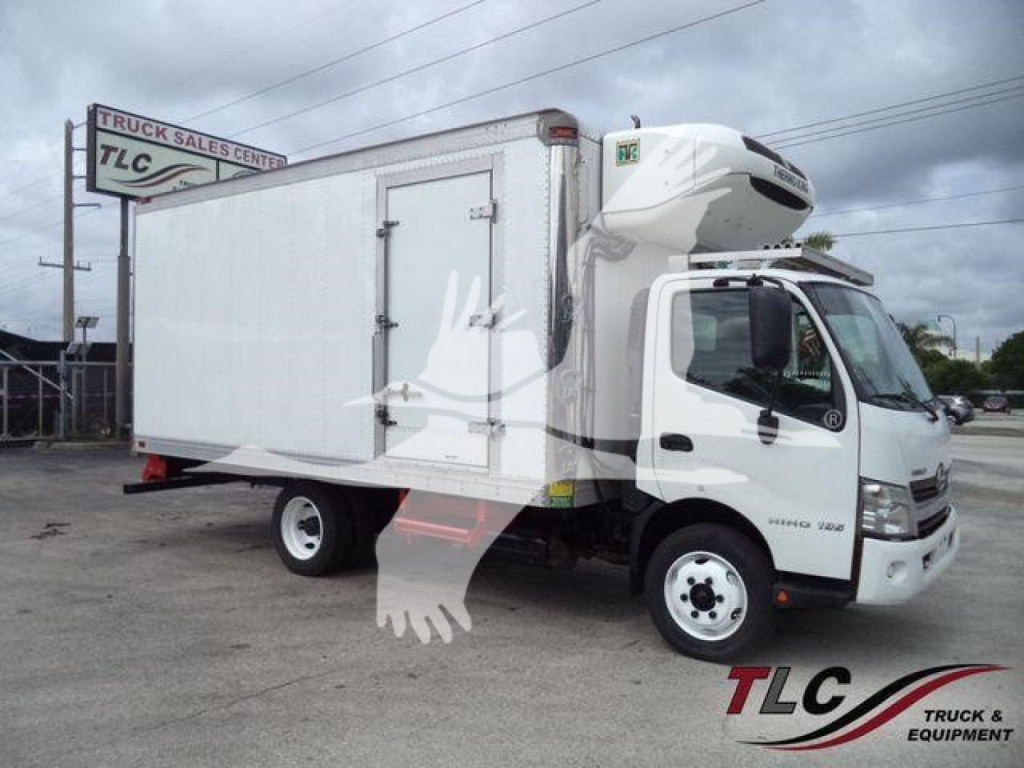
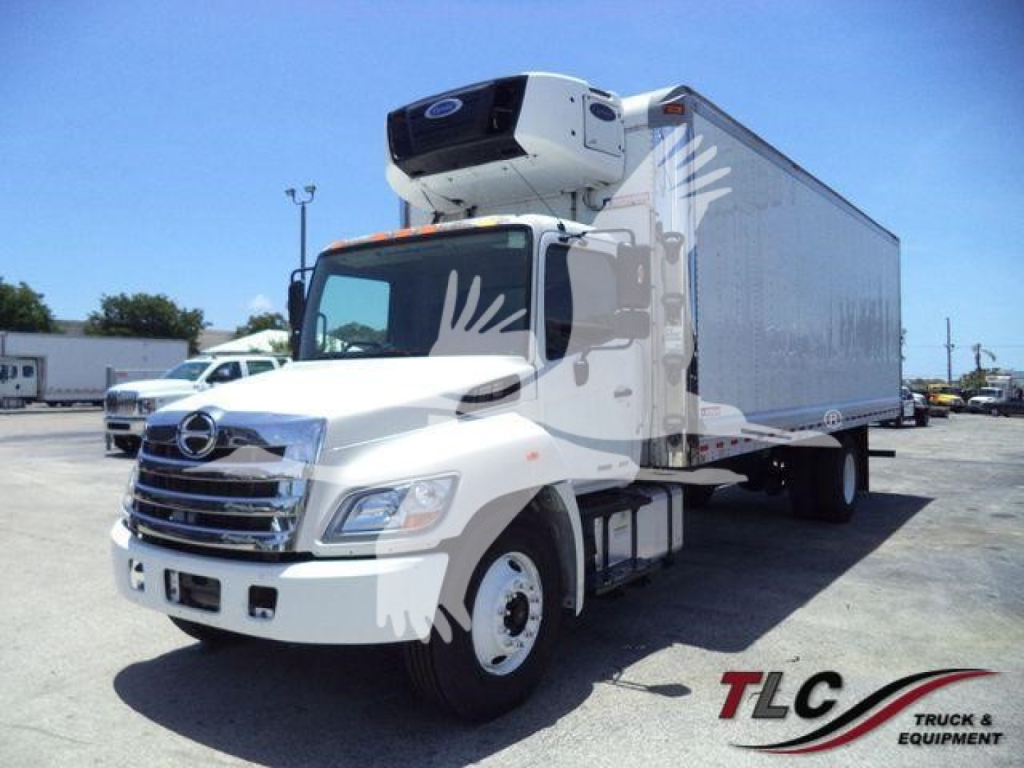
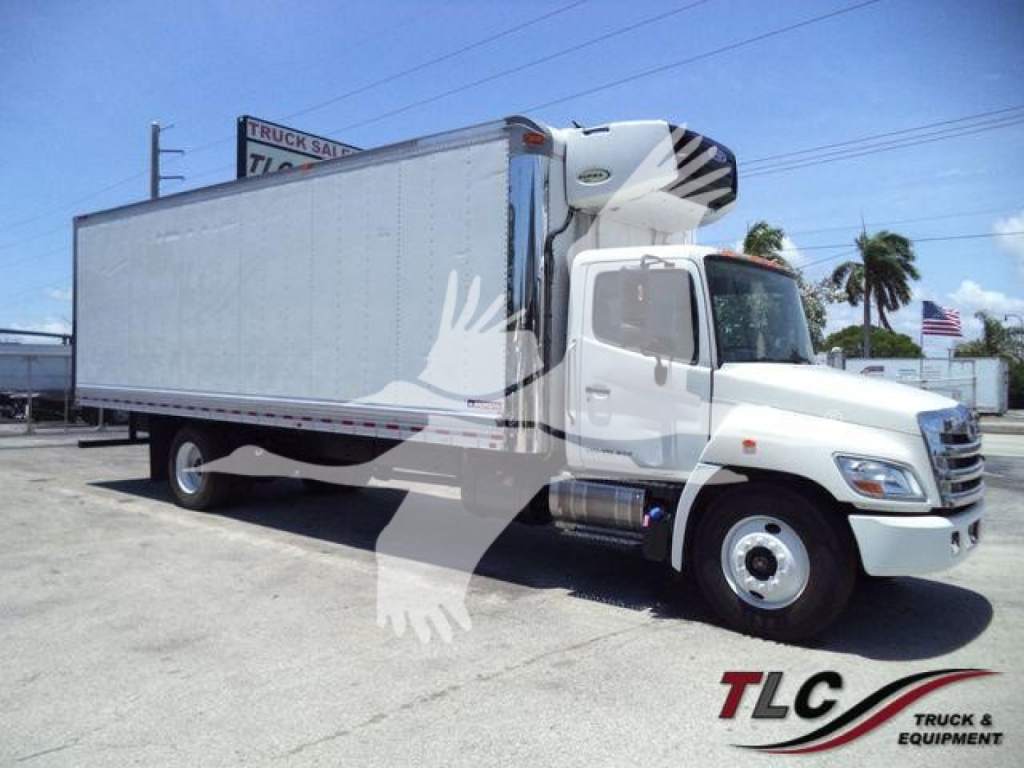
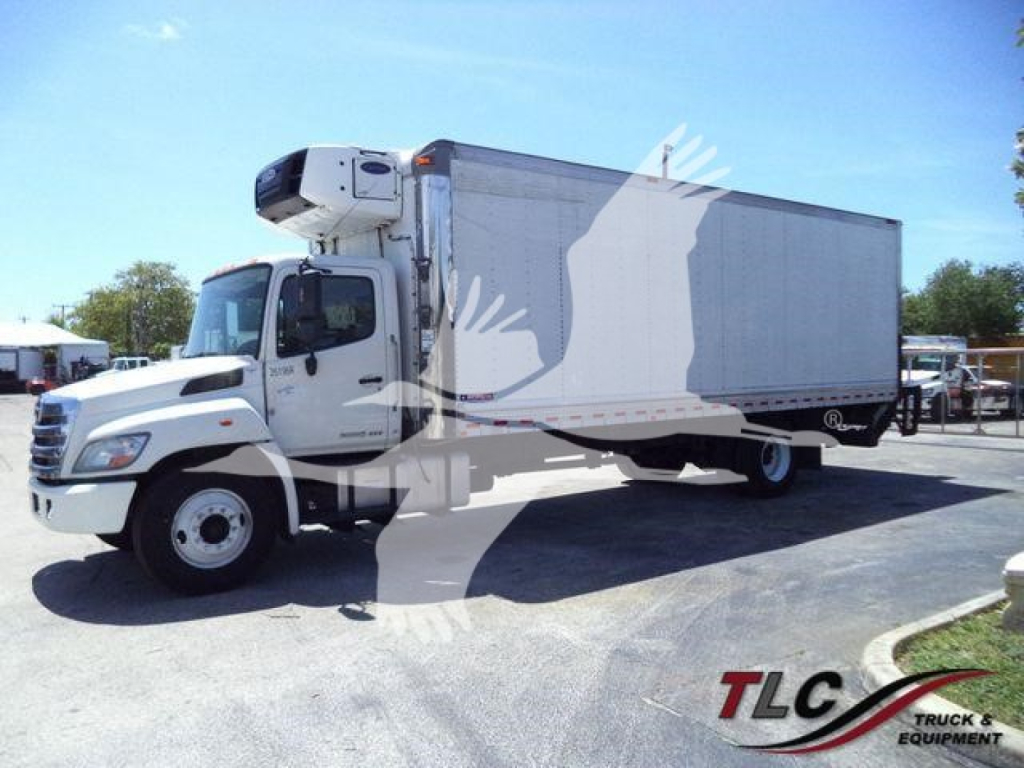
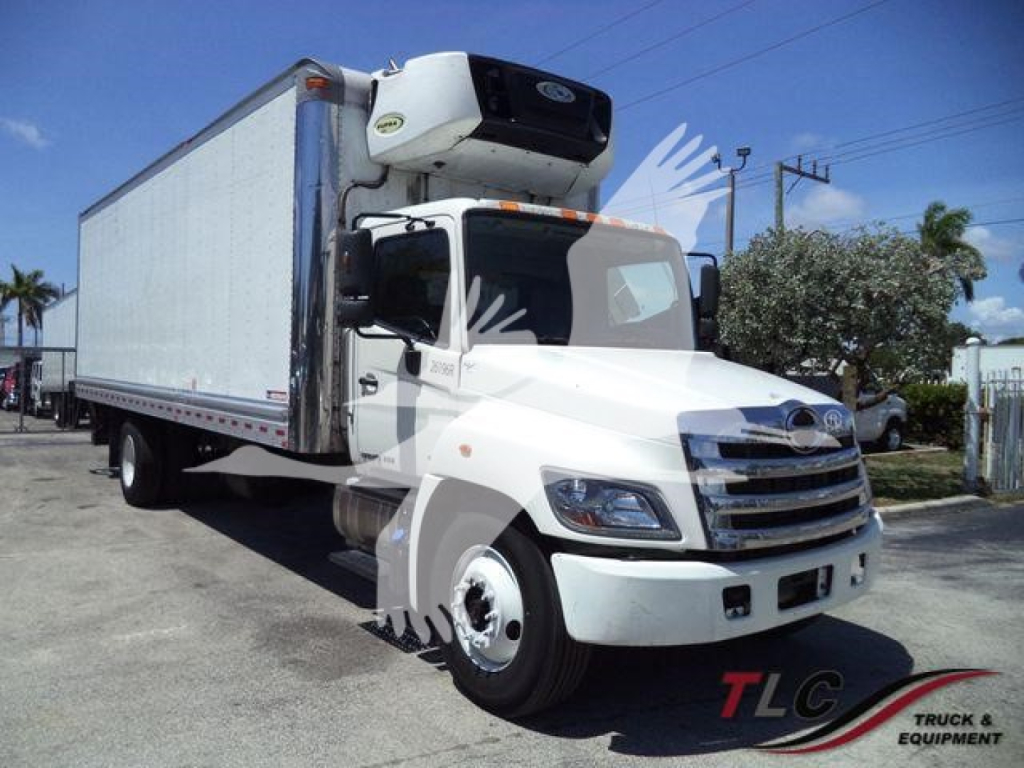
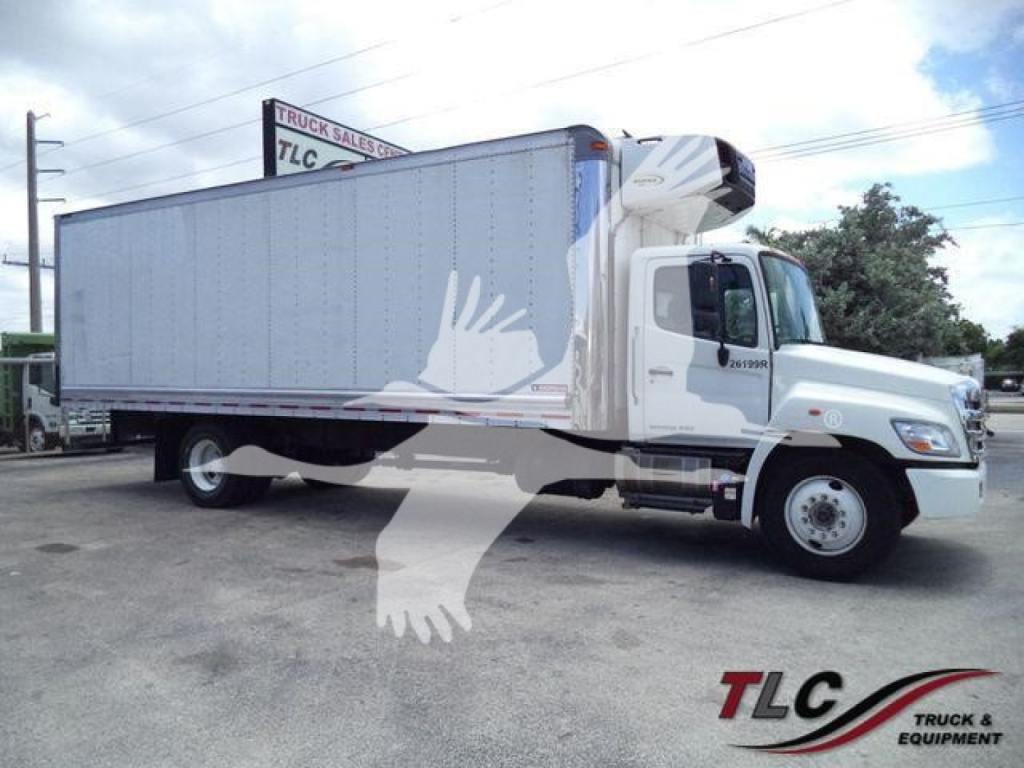
Selling a 2019 refrigerated truck? List your 2019 refrigerated truck for sale and reach thousands of commercial buyers.
2019 Refrigerated Trucks
The reefer unit matters as much as the chassis. Many 2019 refrigerated trucks in this class use nose-mounted units sized for fresh, frozen, or multi-stop delivery service, and the exact unit model will affect pull-down time, fuel use, serviceability, and noise level. Ask how the unit holds setpoint under load, not just when empty. If the application involves frozen product, check insulation thickness, evaporator condition, floor type, and whether the unit has standby electric capability. Interior specs such as Kemlite lining, scuff liners, E-track, and curbside doors are especially important for foodservice, floral, dairy, beverage, and pharmaceutical delivery.
Chassis specs vary widely, so the right 2019 refrigerated truck depends on route density and payload. Under-CDL 25,950 lb GVWR trucks are popular because they open up hiring flexibility while still carrying a full-length refrigerated body. Common powertrains include diesel engines in the 6.7-liter class with Allison automatic transmissions, air brakes on heavier specs, and liftgates for dockless deliveries. A 16-foot body may be ideal for urban work with tighter turning and lower overall weight, while a 24-foot or 26-foot reefer truck gives more cube for palletized freight and longer daily runs. Wheelbase, rear axle ratio, suspension type, and liftgate capacity all affect how the truck performs in stop-and-go service.
Condition on a used 2019 reefer truck should be evaluated as a refrigerated system, not just as a truck. Look for maintenance records on both the chassis and the refrigeration unit, including compressor service, belt condition, leak checks, and hour meter history. Inspect the box floor for soft spots, verify the roll-up rear door closes square, and confirm the liftgate cycles properly under weight. Refrigerated trucks live hard lives in multi-stop delivery, so refrigeration hours, idle time, and cargo area wear often tell more than the odometer alone. A well-maintained 2019 refrigerated truck can still be a strong asset for distribution fleets, wholesalers, catering operations, and temperature-sensitive last-mile delivery.
Frequently Asked Questions about 2019 Refrigerated Trucks
What should I check first on a 2019 refrigerated truck?
Start with the refrigeration unit and insulated body, because that is what makes the truck valuable for cold-chain work. Confirm the unit reaches and holds its set temperature, review reefer service records, and inspect the box for damaged insulation, worn door seals, floor deterioration, and air leaks. After that, evaluate the chassis like any medium-duty truck by checking engine hours, transmission operation, brake type, suspension condition, and maintenance history.
Are 2019 refrigerated trucks commonly available in under-CDL configurations?
Yes. Many 2019 refrigerated trucks were built at 25,950 lb GVWR, which keeps them under the CDL threshold while still allowing useful payload and body lengths up to 26 feet in some specs. These trucks are common in grocery, produce, bakery, and route-delivery applications because they help with driver availability while preserving cargo capacity. Buyers should still verify actual payload after accounting for the refrigerated body, reefer unit, fuel, liftgate, and any interior cargo equipment.
Which is better for a refrigerated truck, Thermo King or Carrier?
Both are widely used and both have strong support networks, so the better choice usually depends on local service access, unit model, and maintenance history rather than brand alone. A well-maintained Carrier or Thermo King unit is generally more valuable than a neglected unit from the competing brand. Buyers should compare parts availability, dealer support in their operating region, temperature performance under load, and whether the specific unit is sized correctly for the body and cargo profile.
What body length is most common on a 2019 refrigerated straight truck?
Body lengths from 16 to 26 feet are common, with 20-foot, 24-foot, and 26-foot refrigerated bodies frequently used in delivery fleets. Shorter bodies are easier to maneuver in urban environments and can improve access to tight docks or alleys. Longer bodies offer better cube for palletized freight and can reduce the number of trips on larger routes, but they also increase overall weight and may affect turning radius and loading efficiency.
Do liftgates add value on a used refrigerated truck?
In many delivery applications, yes. A working tuck-under or rail liftgate adds practical value because many refrigerated routes involve dockless stops, restaurants, convenience stores, schools, and healthcare facilities. The key is condition and capacity. Buyers should verify the liftgate's rated capacity, inspect for hydraulic leaks or structural damage, and test operation under load, since liftgate repair costs can be significant if the system has been neglected.