
2019 Day Cab Trucks For Sale
Browse 2019 day cab trucks with specs for regional haul, port work, and local delivery. Compare wheelbase, engine, axle, and cab options.
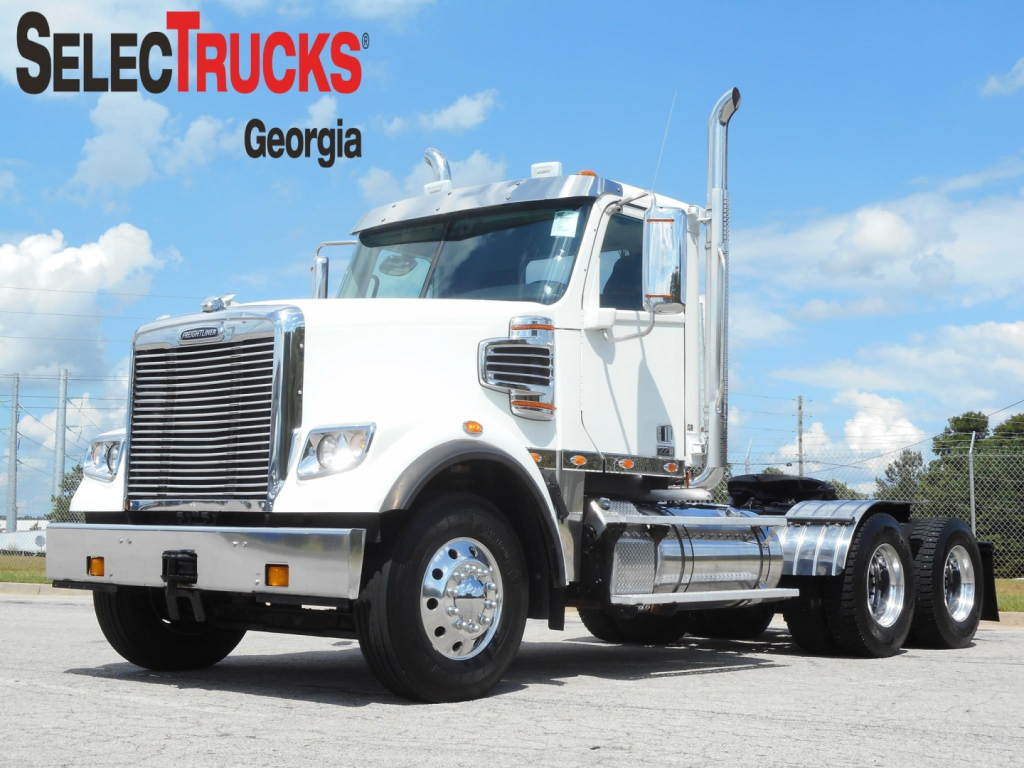
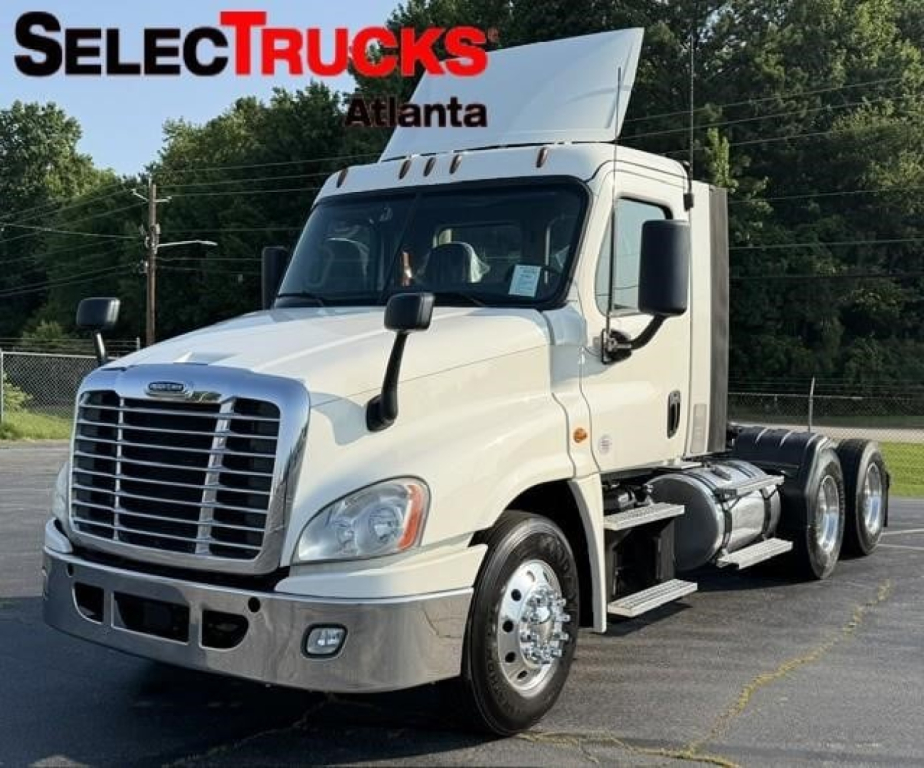

Selling a 2019 day cab truck? List your 2019 day cab truck for sale and reach thousands of commercial buyers.
2019 Day Cab Trucks
The first decision is usually application. For local and regional freight, many 2019 day cabs were spec'd with engines in the 350 to 505 horsepower range and torque ratings suited to gross combination weights seen in dry van, reefer, container, tanker, and flatbed service. Automated transmissions are common in this year range, especially in fleet units, but manual transmissions still matter in certain heavy-haul, municipal, and vocational setups. Pay close attention to axle ratings, suspension type, frame rail spec, and wheelbase. A shorter wheelbase helps with dock access and turning radius, while a longer wheelbase may be preferred for ride quality, frame-mounted equipment, or specific trailer gap requirements. Front axle capacity, tandem ratio, and fifth wheel travel can make a major difference in how well a truck fits your lanes.
2019 day cab tractors also deserve careful review on emissions and maintenance history. This model year typically includes diesel particulate filter and SCR aftertreatment systems that perform best when the truck has been operated and serviced correctly. Buyers should look for documentation around DPF cleaning intervals, sensor replacements, EGR-related work, and software updates. On used day cabs, idling history, PTO use, and stop-and-go duty cycles can tell you as much as odometer miles. Cab condition matters too. A clean interior, functioning HVAC, good seat base, intact steering wheel controls, and working mirrors and windows all affect daily driver retention on local routes where operators are in and out of the truck all day.
Spec details that often separate one 2019 day cab from another include collision mitigation, adaptive cruise, lane departure warning, disc versus drum brakes, aluminum versus steel wheels, and fuel tank capacity matched to route length. For buyers running ports, food distribution, LTL, or private fleet operations, visibility, ingress and egress, and PTO compatibility may be as important as horsepower. Also known simply as a daycab tractor, this equipment class is designed around productivity per shift. The right truck is the one with a drivetrain, axle package, and chassis layout that matches your trailer type, average payload, terrain, and maintenance strategy.
Frequently Asked Questions about 2019 Day Cab Trucks
What is a 2019 day cab truck best suited for?
A 2019 day cab truck is best suited for local and regional hauling where the driver returns home daily and does not need a sleeper. Common applications include drayage, LTL, dedicated contract freight, foodservice support, tanker work, dump trailer pulling, and private fleet distribution. The day cab layout reduces empty weight and overall length while improving maneuverability for terminals, city routes, and multi-stop operations.
What specs matter most when comparing 2019 day cab tractors?
The most important specs are engine horsepower and torque, transmission type, rear axle ratio, wheelbase, front and rear axle ratings, suspension, and fifth wheel setup. Buyers should match these specs to trailer type, payload, terrain, and route density. A regional van operation may prioritize fuel economy and automated shifting, while a heavier vocational application may need a stronger frame, higher axle ratings, and a manual or heavy-duty automated transmission.
Are 2019 day cab trucks reliable from an emissions standpoint?
They can be reliable if the truck has been maintained correctly and used in an application that supports proper aftertreatment performance. Most 2019 models use DPF and SCR emissions systems, so service records are important. Look for evidence of regular preventive maintenance, DPF cleanings, DEF system repairs, sensor work, and software updates. A truck with consistent highway or regional use often presents differently than one that spent its life idling or running short stop-and-go routes.
Is an automated manual transmission a good choice in a 2019 day cab?
For many fleets, yes. Automated manual transmissions are common in 2019 day cabs because they help with fuel economy, driver onboarding, and consistency in urban or regional service. They are especially popular in fleet-spec highway tractors. Buyers should still confirm clutch life, shift calibration, and service history. In severe-duty or specialized applications, some operators still prefer a manual transmission for control, familiarity, or jobsite conditions.
How do I choose the right wheelbase on a 2019 day cab truck?
Wheelbase should be selected based on trailer swing clearance, bridge law considerations, frame-mounted equipment needs, and operating environment. A shorter wheelbase usually improves turning radius and works well in ports, tight docks, and urban delivery yards. A longer wheelbase may provide a smoother ride and better packaging for larger fuel tanks, battery boxes, or PTO-driven equipment. The correct setup depends on the trailers you pull and the spaces you operate in every day.