
Volvo Conventional Daycab Trucks For Sale

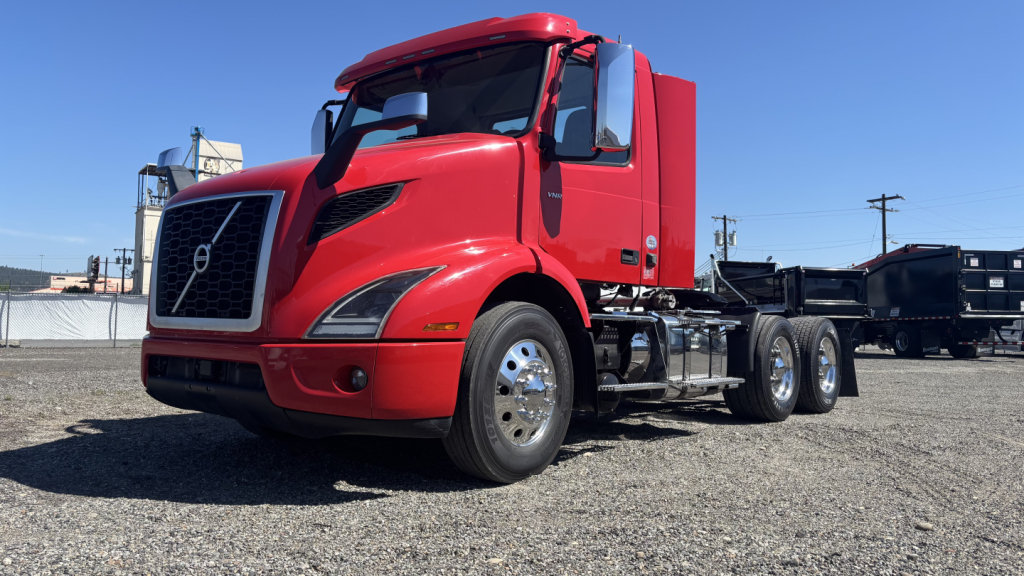
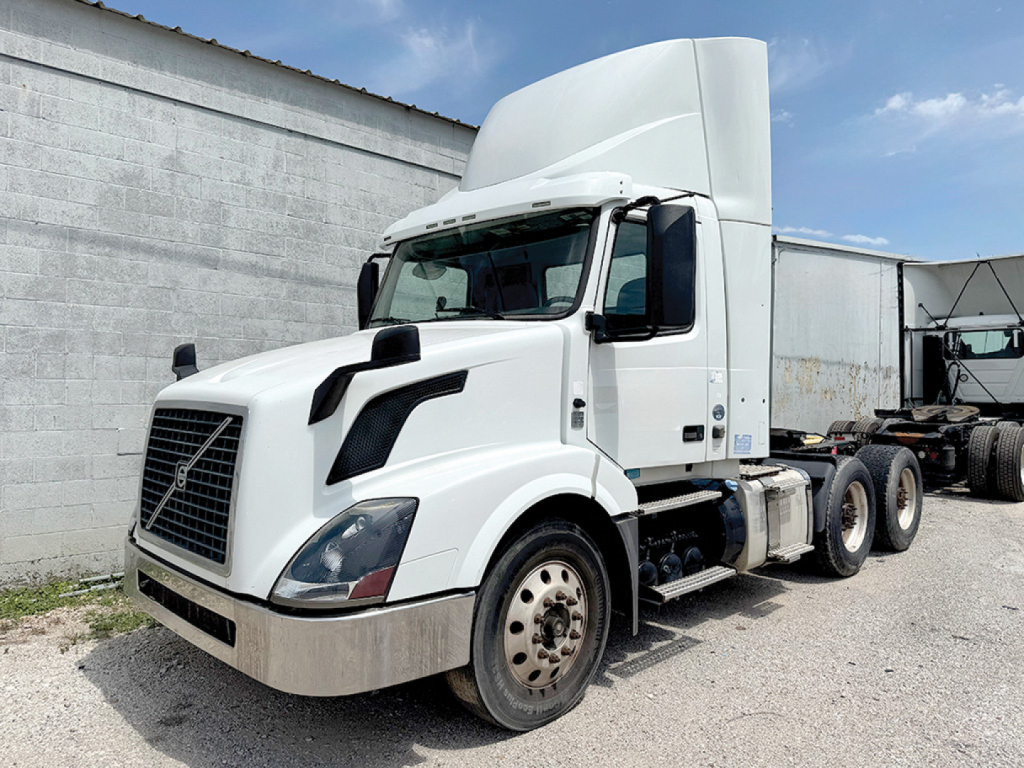
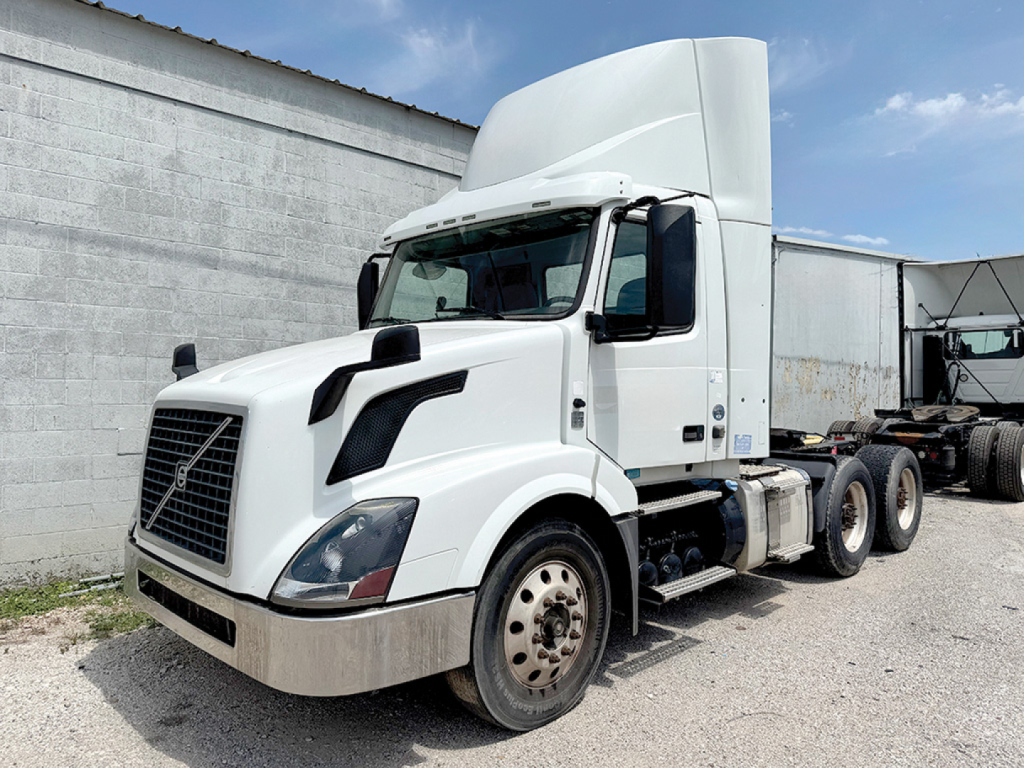
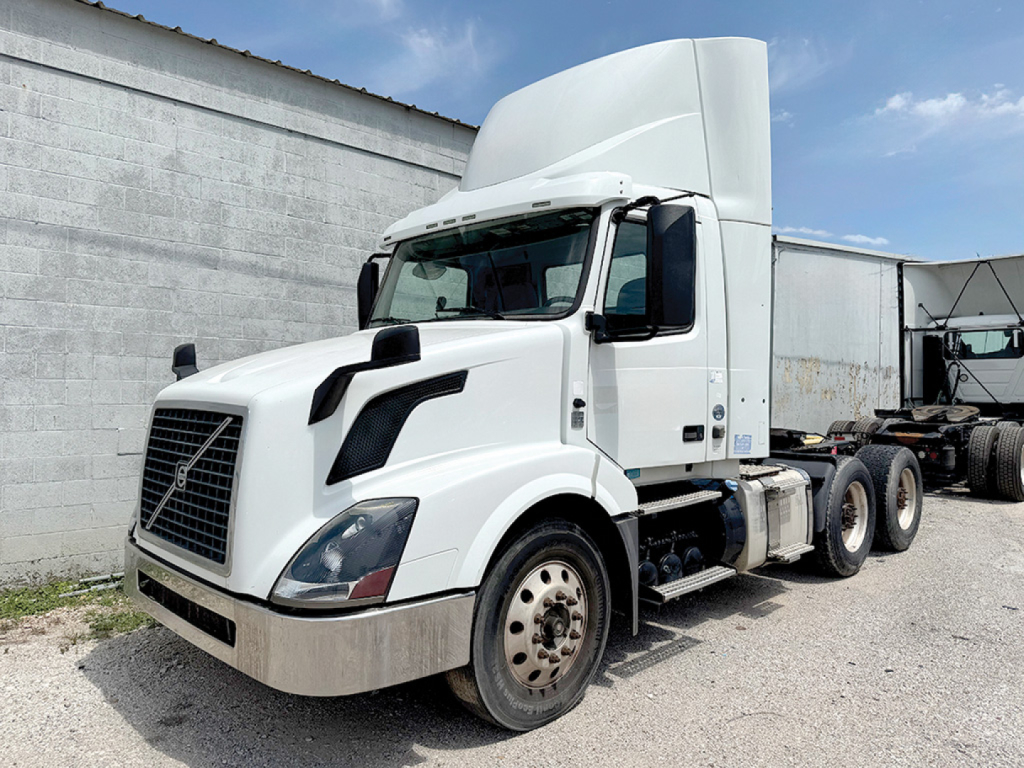
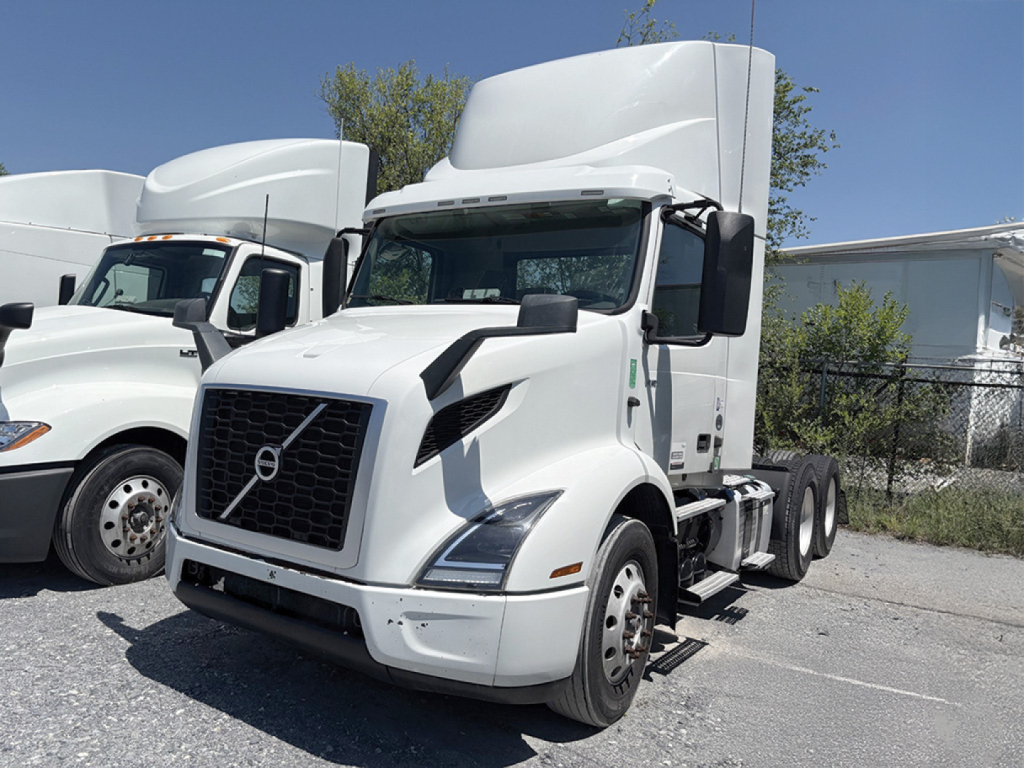
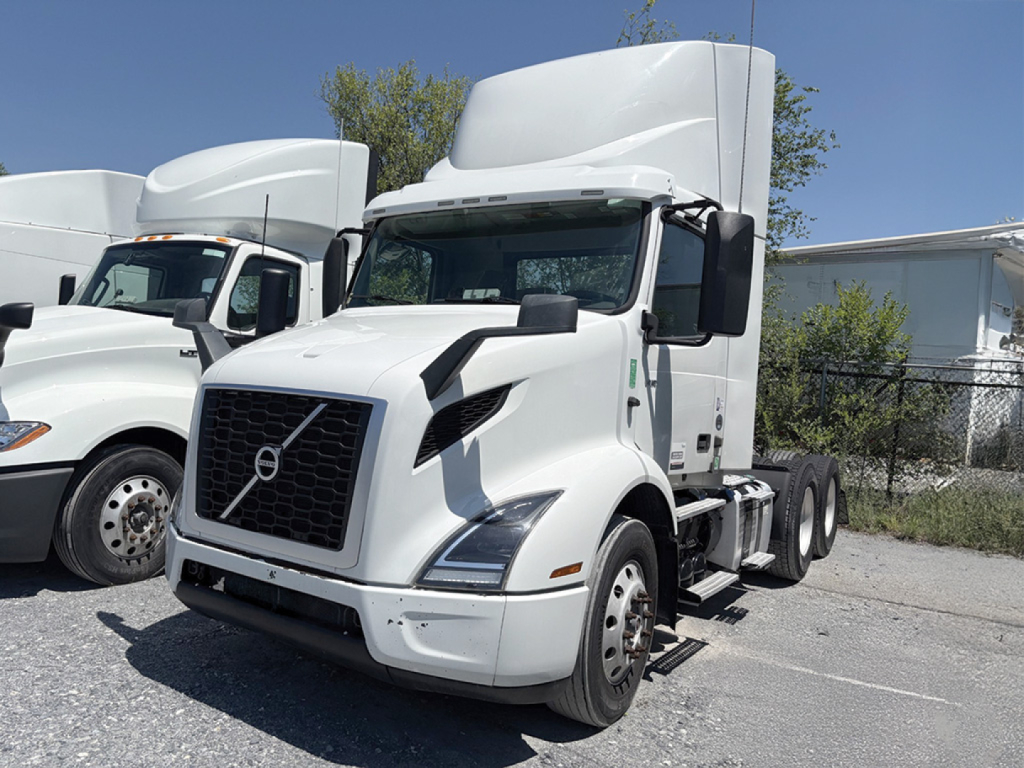
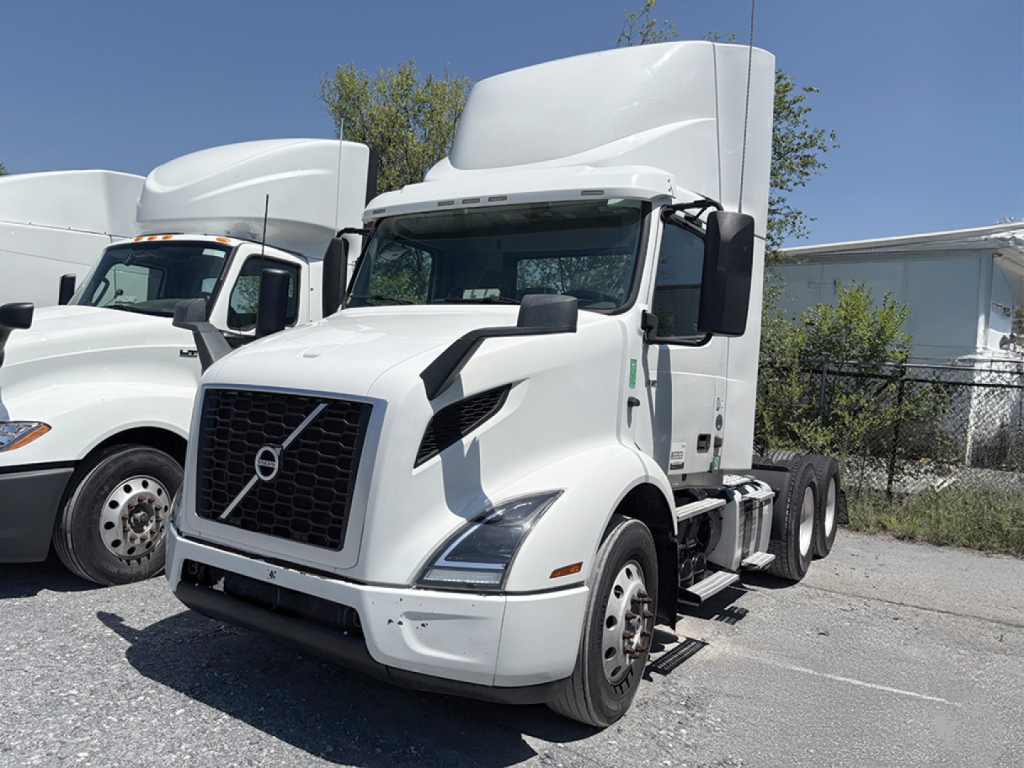
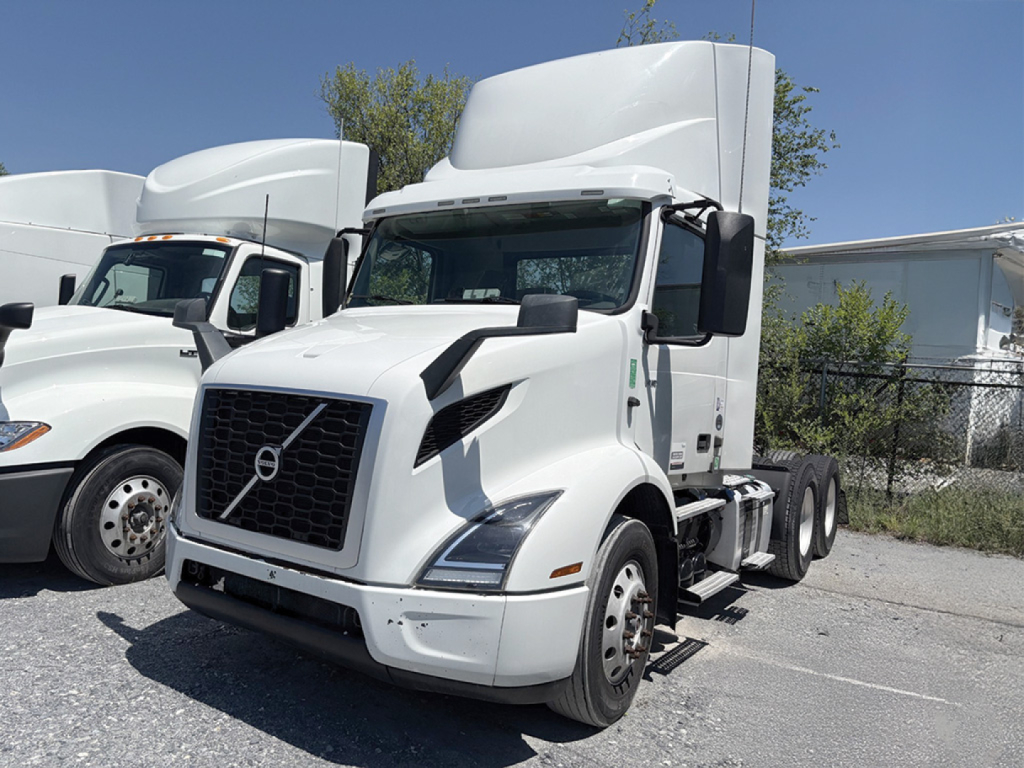
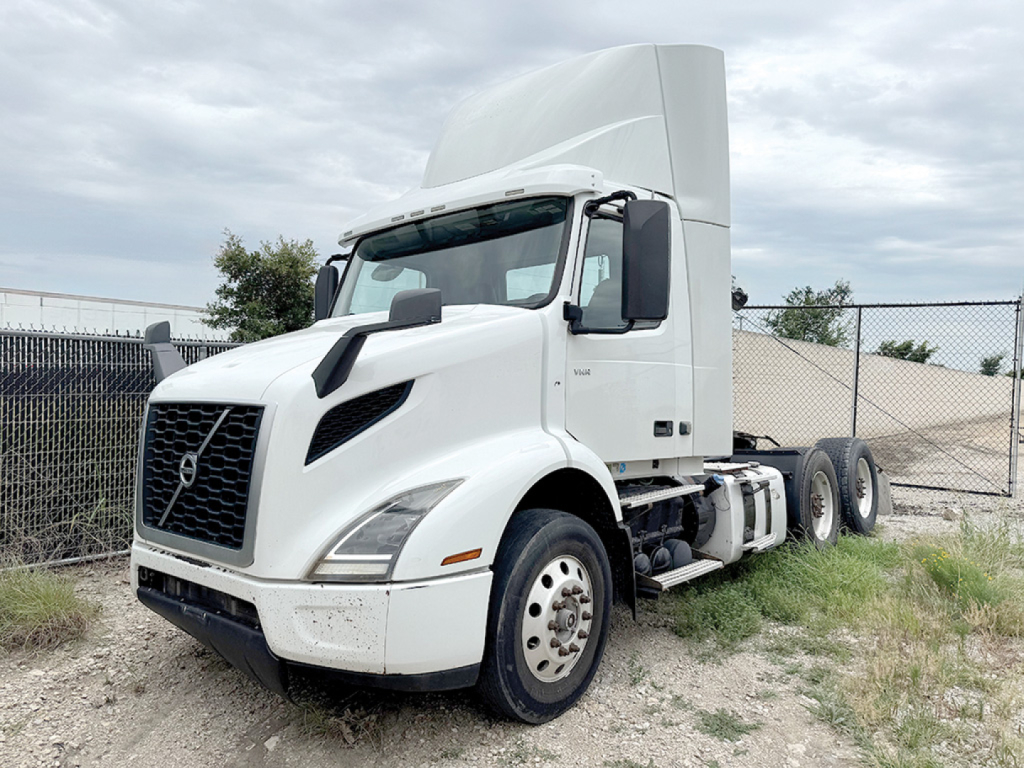
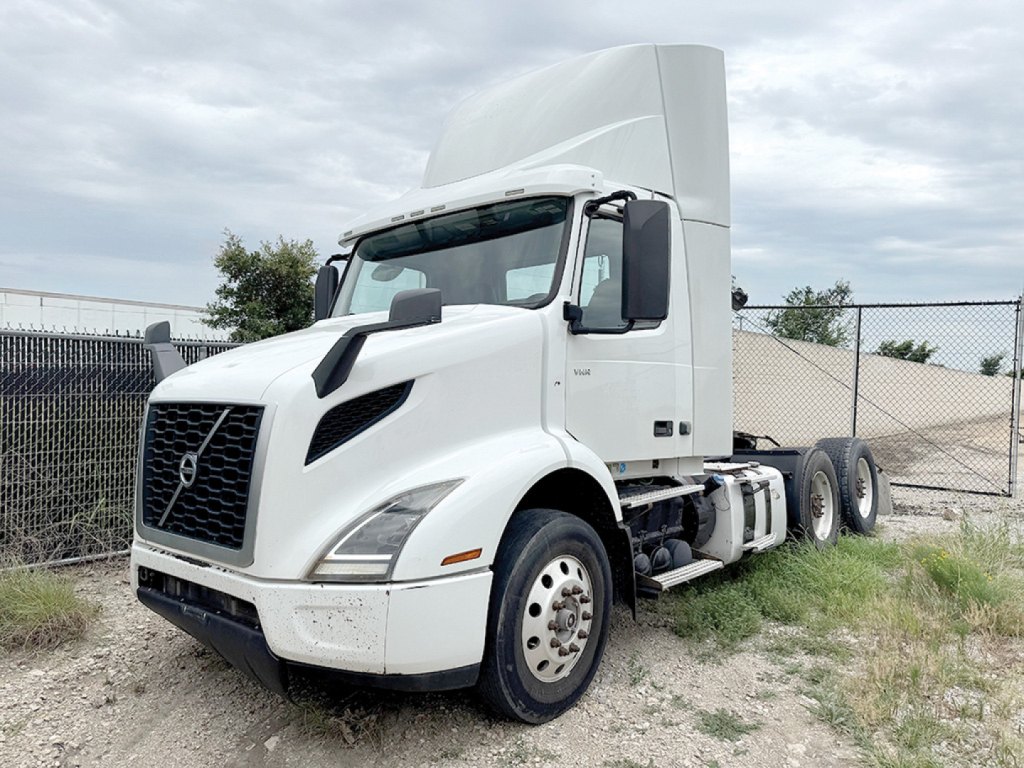
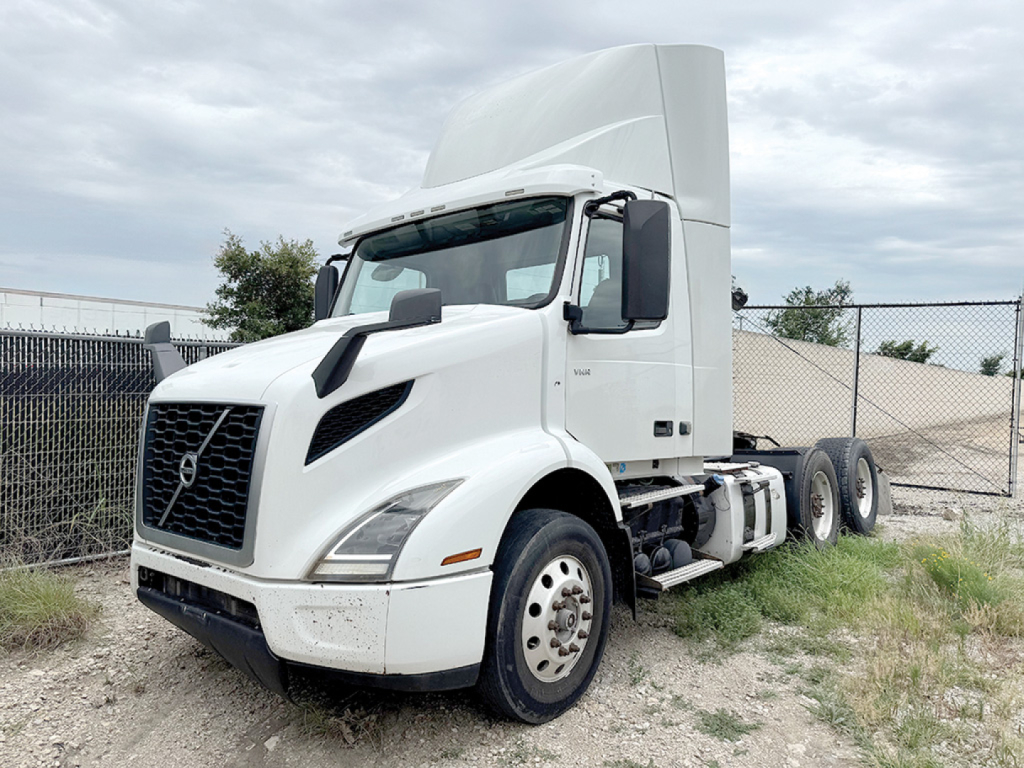
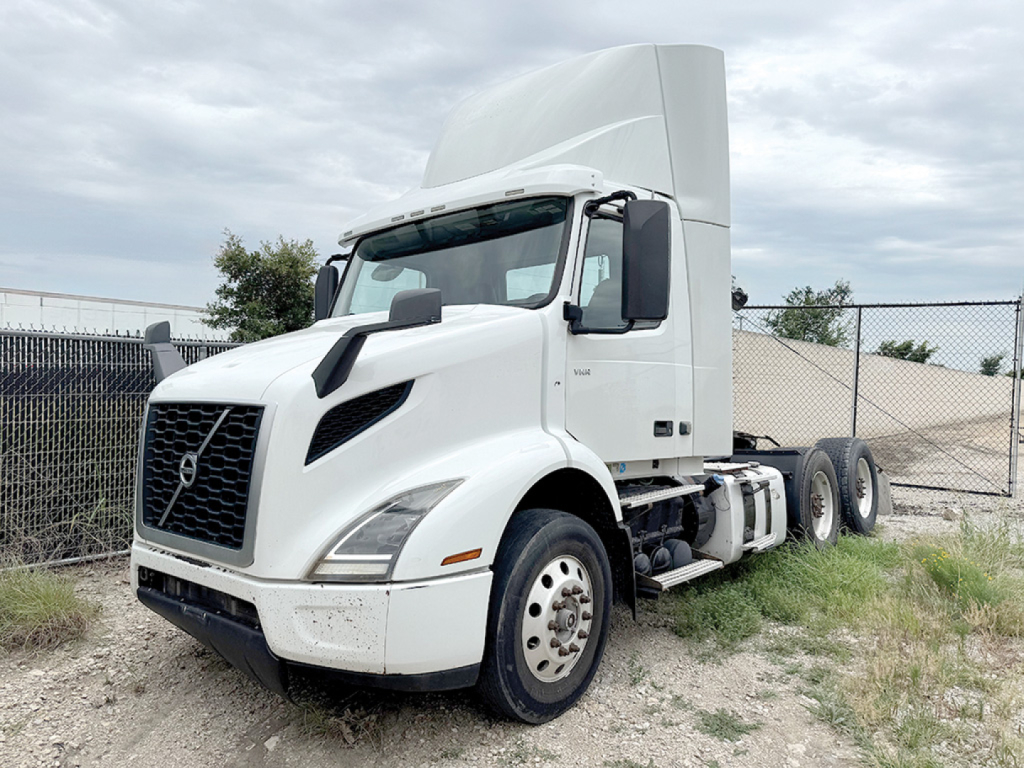
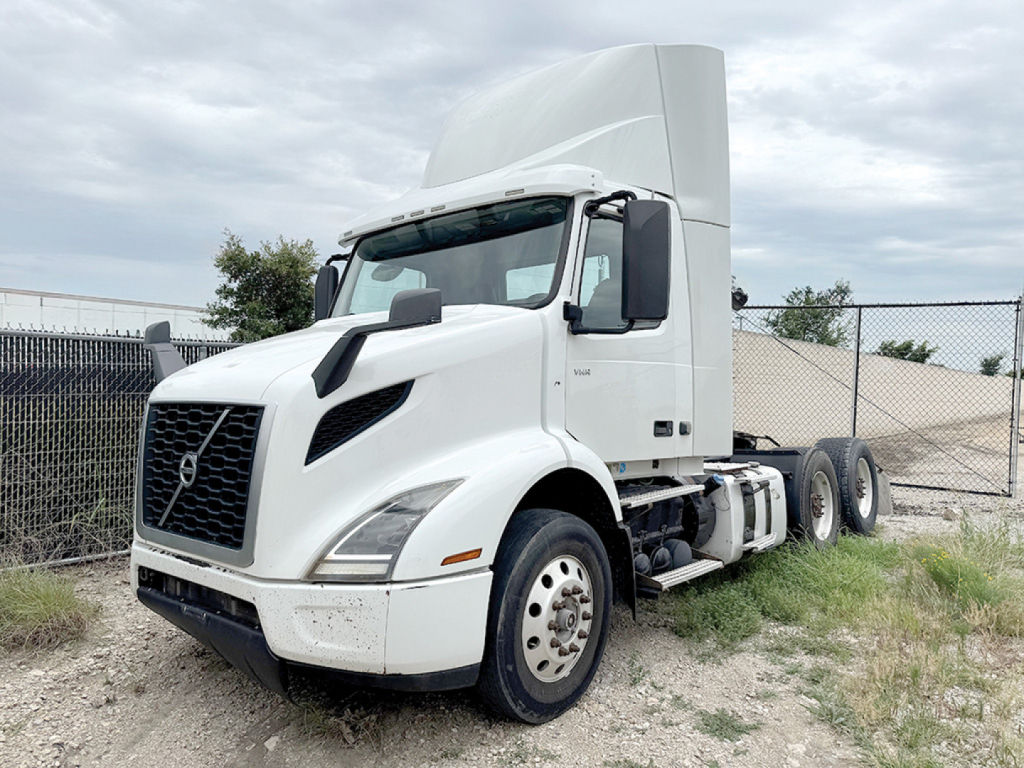
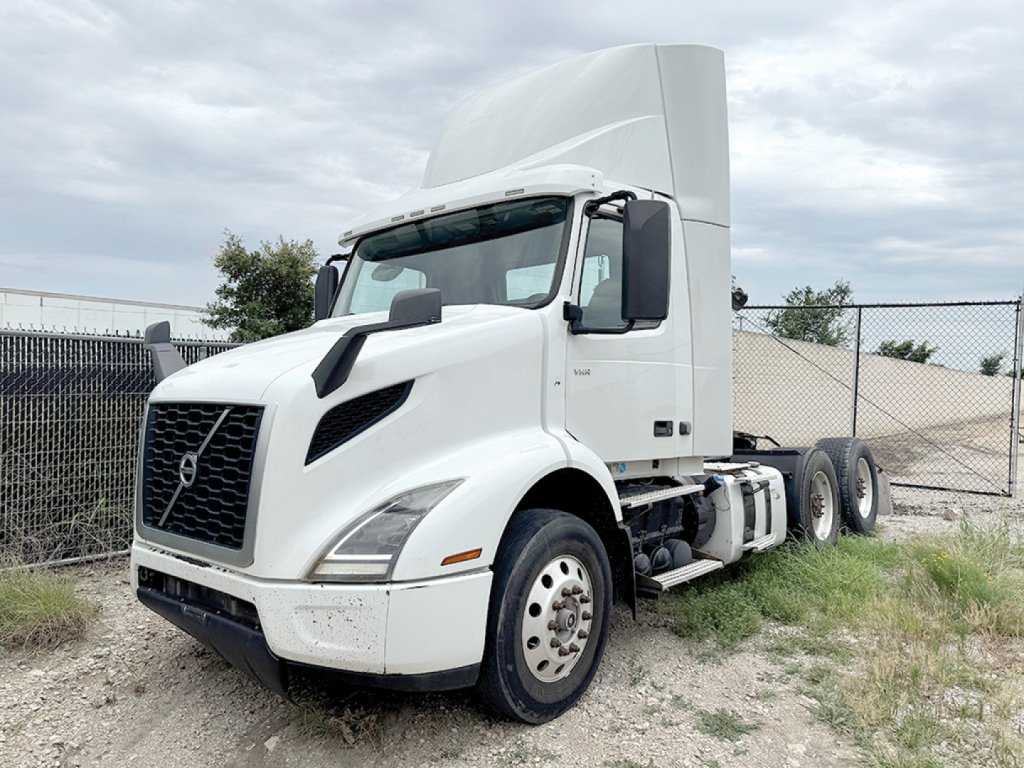
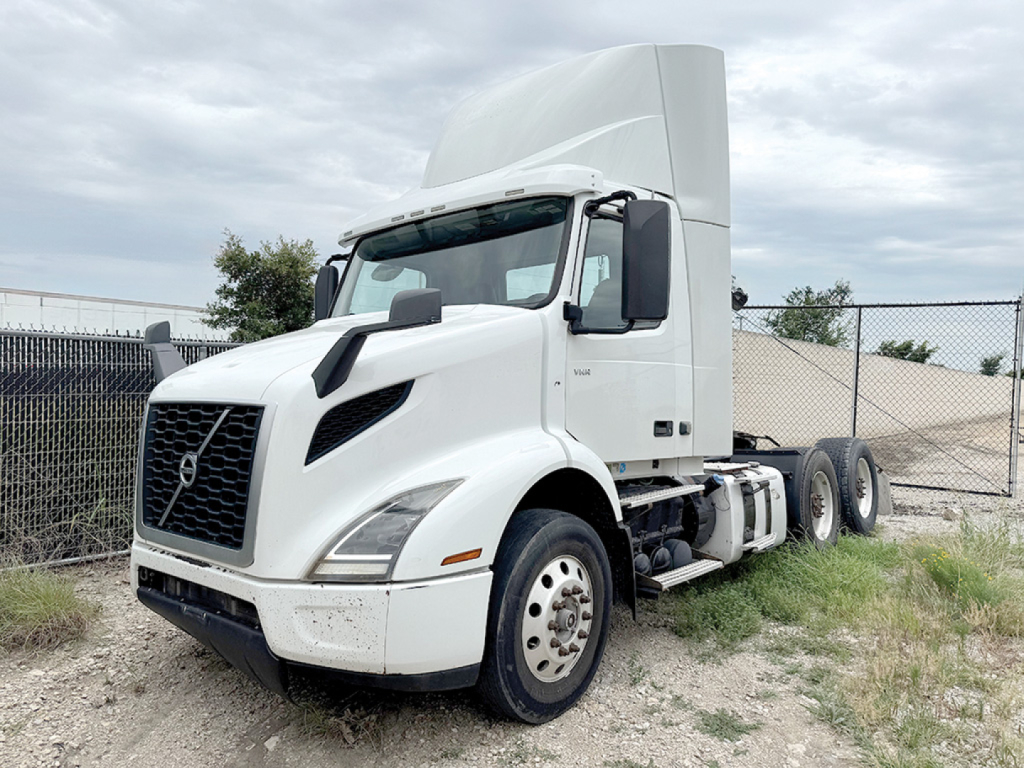
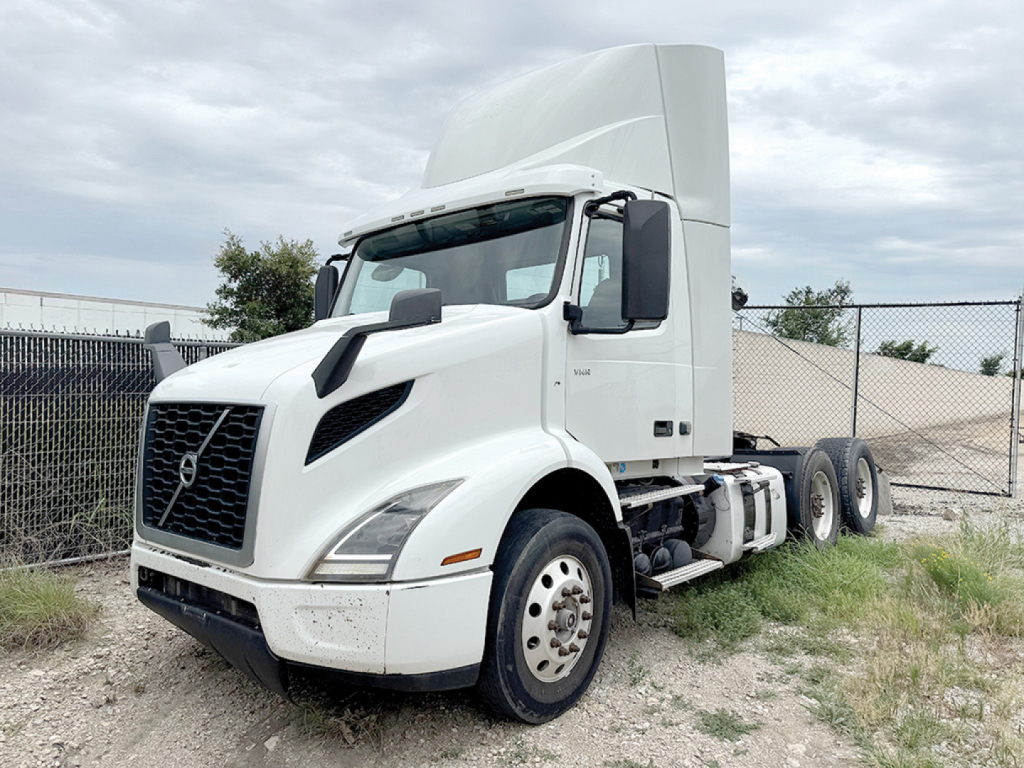
Showing 1 to 24 of 150 results
Have volvo conventional daycab truck to sell? List it here to reach thousands of buyers.
Volvo Conventional Daycab Trucks
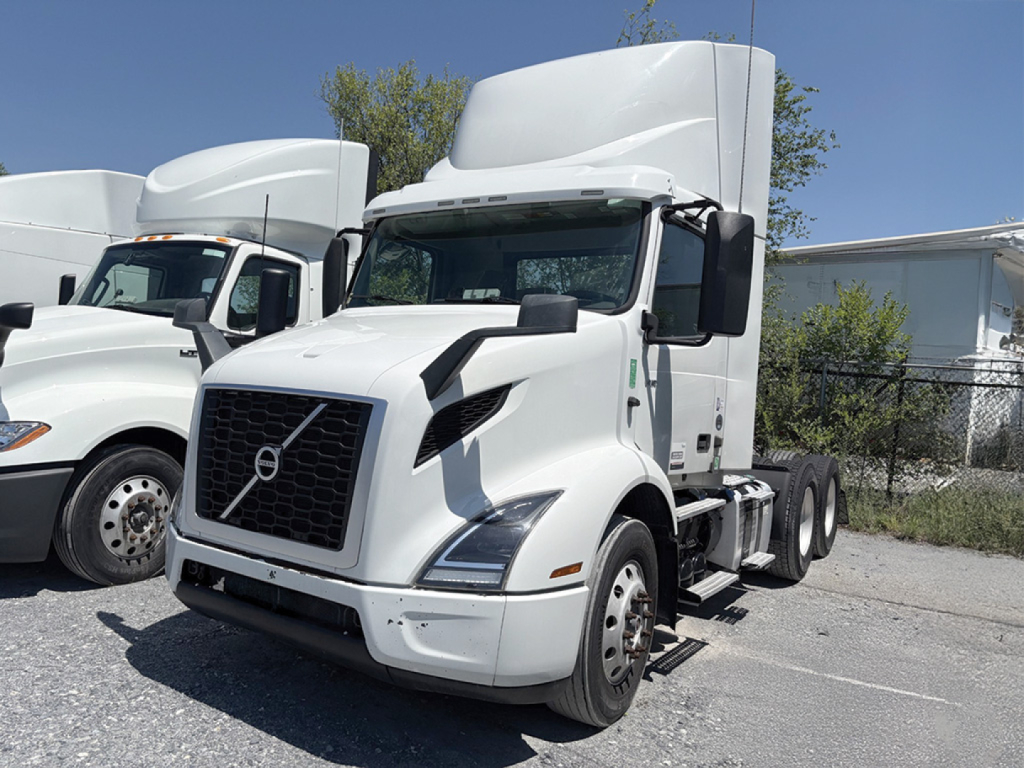
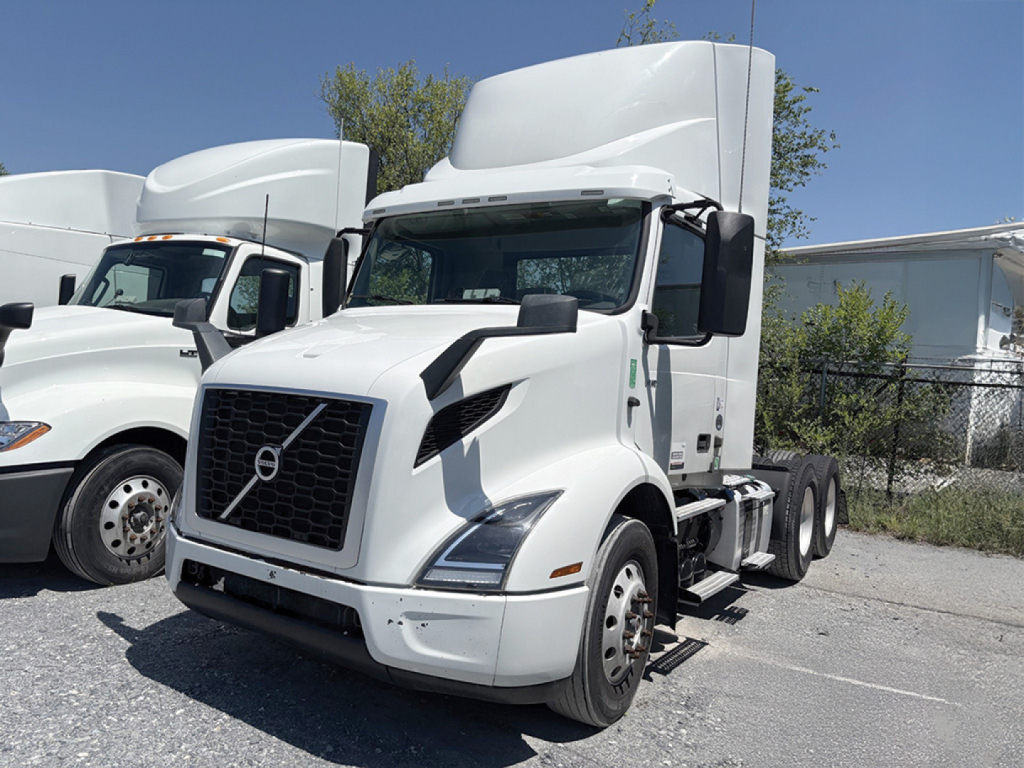
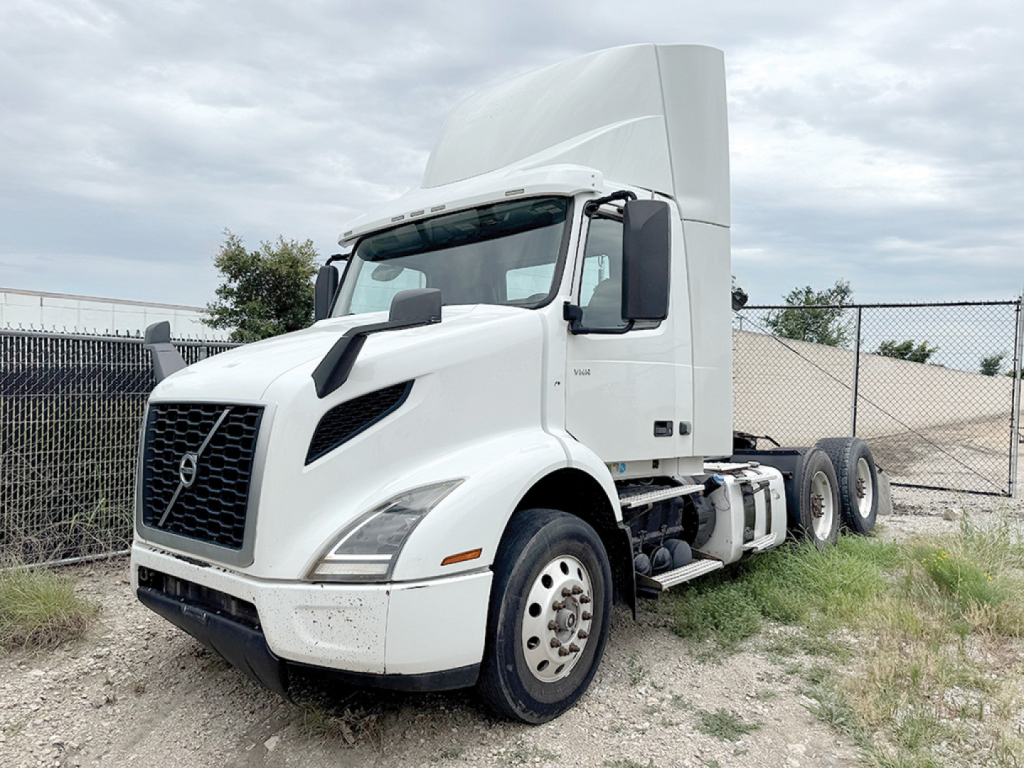
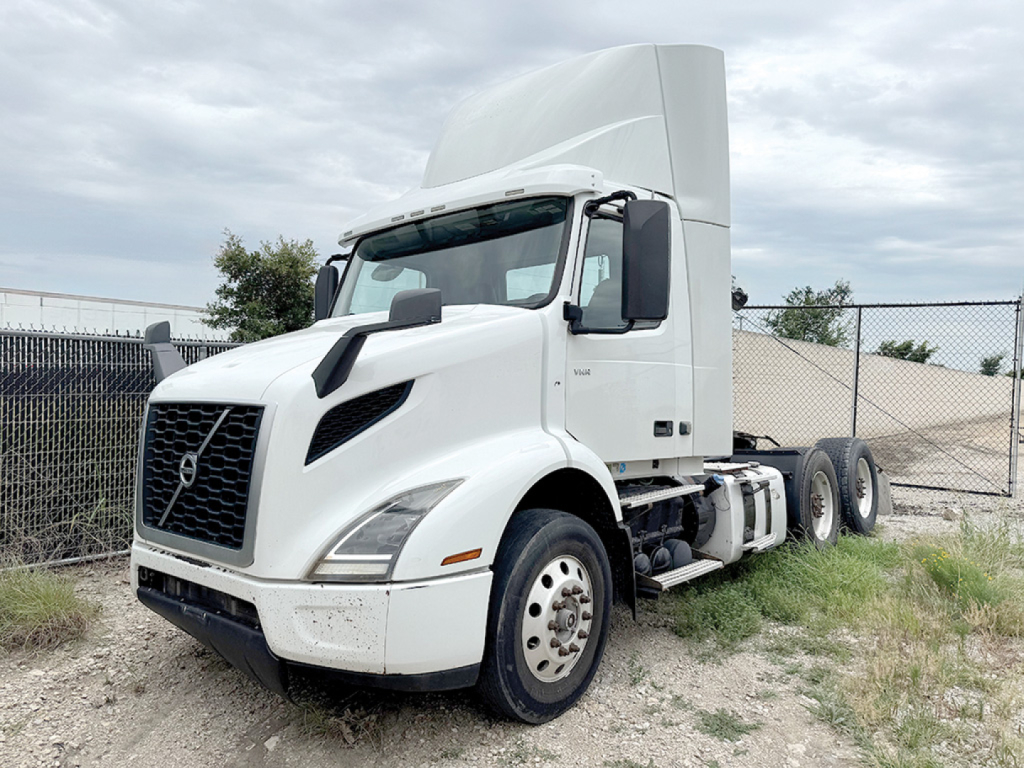
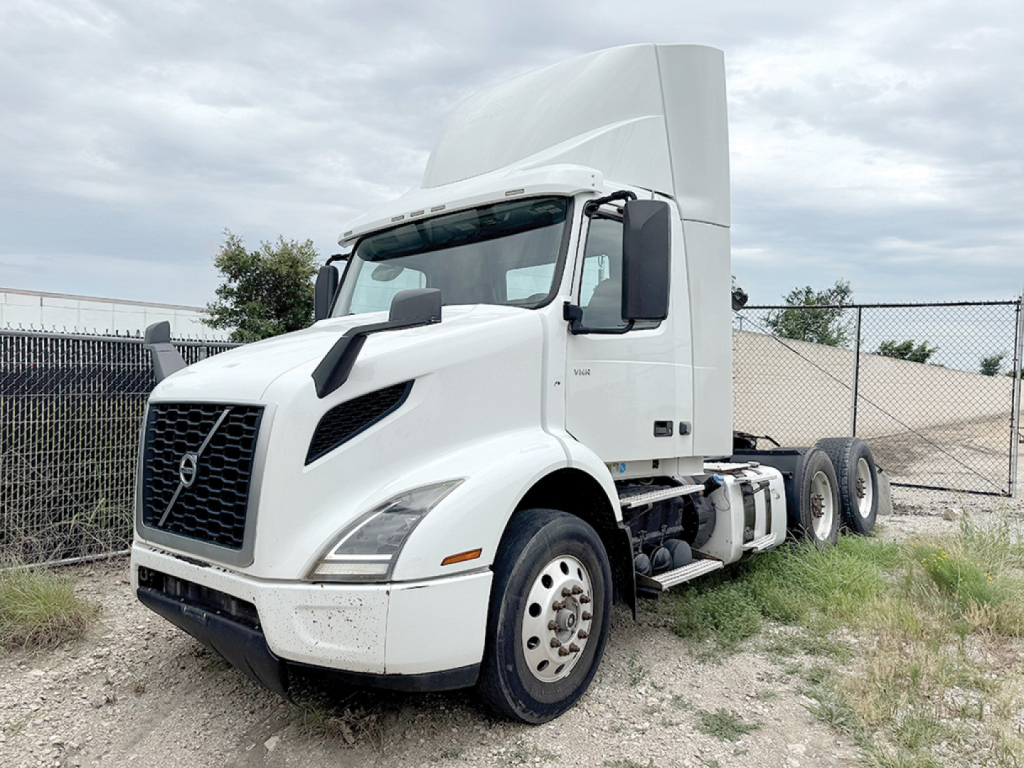
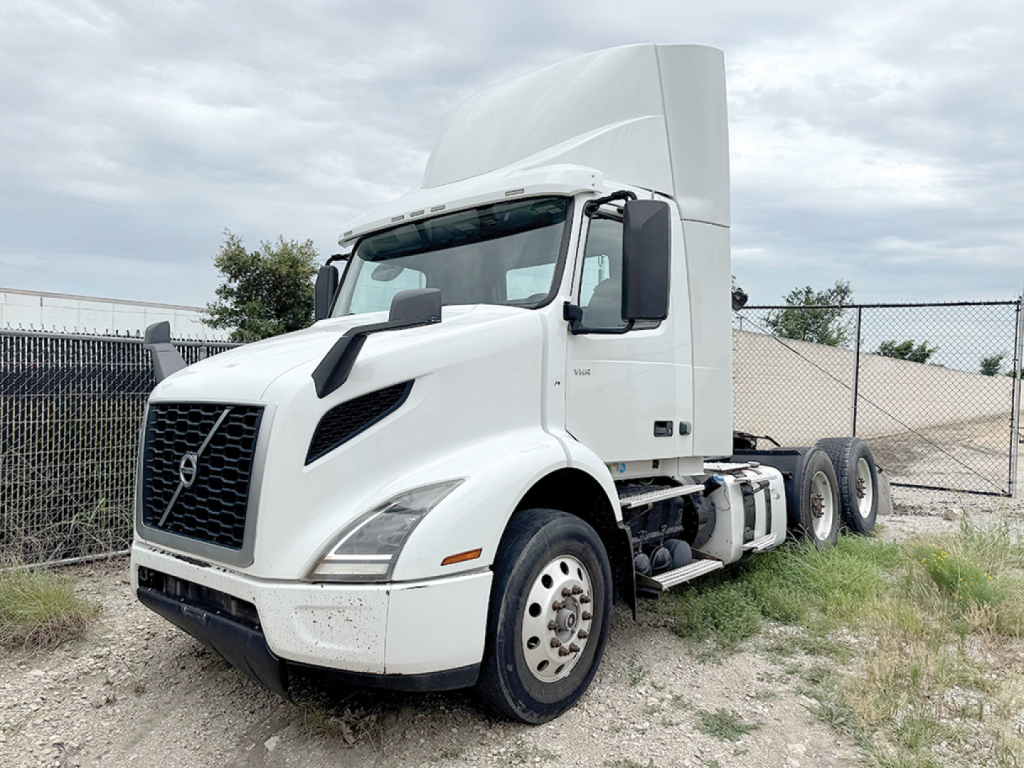
The core spec decision usually starts with the drivetrain. Many Volvo daycabs are equipped with the Volvo D13 in the 405 to 455 horsepower range, paired with the Volvo I-Shift automated manual transmission such as the AT2612F or ATO2612F. That combination is popular because it balances fuel economy, driver acceptance, and consistent shifting in regional service. Common rear axle ratings are around 40,000 pounds, often with Meritor rears, and rear axle ratios like 2.47 or 2.64 are typical for fleets targeting highway efficiency. Wheelbases in the 170 to 176 inch range are common on tandem axle road tractors, and many are set up with air slide or adjustable fifth wheels for flexibility across trailer lengths and kingpin settings.
A buyer should also pay close attention to brake and suspension configuration. Volvo daycabs in this class are frequently spec'd with air ride suspension and air disc brakes, which can improve ride quality, stopping performance, and service consistency in heavy regional use. Fuel tank material and capacity, cab extenders, roof fairings, quarter fenders, and wheel type all affect operating cost and intended application. Some units are built with low-profile 22.5 tires for regional work, while others may carry super singles on the drive axles to save weight and reduce rolling resistance. If the truck will spend time in city traffic or back into tight docks, visibility, steering feel, and frame layout matter just as much as horsepower.
Used Volvo conventional daycab trucks appeal to buyers who want a modern aerodynamic tractor with strong driver ergonomics and a proven automated transmission platform. Service history is especially important on D13 and I-Shift equipped trucks, including clutch calibration records, aftertreatment maintenance, and any fault history tied to engine, transmission, or emissions systems. Odometer reading alone does not tell the full story. For regional fleet buyers and owner-operators alike, the best spec is the one matched to trailer weight, route profile, average speed, and dock environment. A well-matched Volvo daycab can be a very efficient choice for short-haul and medium-haul freight without carrying the extra length and weight of a sleeper tractor.
Frequently Asked Questions about Volvo Conventional Daycab Trucks
What are Volvo conventional daycab trucks typically used for?
Volvo conventional daycab trucks are commonly used for regional hauling, local and metro distribution, dedicated contract freight, intermodal drayage, and terminal-to-terminal runs. The daycab layout removes the sleeper to reduce overall weight and length, which helps with maneuverability and can improve payload efficiency. They are especially well suited for operations where the truck returns to base daily or stays within a predictable service radius.
What engine and transmission are common in Volvo daycab tractors?
Many Volvo daycab tractors are powered by the Volvo D13 engine, often rated from about 405 to 455 horsepower, and paired with the Volvo I-Shift 12-speed automated manual transmission. This setup is widely used because it delivers a strong balance of fuel economy, drivability, and lower driver training demands compared with a manual gearbox. Buyers should still verify horsepower rating, transmission model, rear axle ratio, and software service history because those details directly affect performance and maintenance cost.
What should I check on a used Volvo VNR or VNM daycab?
Focus on aftertreatment health, transmission operation, fault codes, clutch calibration history, suspension wear, brake condition, and fifth wheel condition. On higher-mileage trucks, ask for records covering DEF system service, DPF cleaning intervals, injector work, and any repairs to the I-Shift or bell housing area. Also confirm axle ratings, wheelbase, tire size, and frame setup so the truck matches the trailer type and lane profile it will actually run.
Are Volvo daycabs good for regional fuel economy?
Yes, Volvo daycabs are often chosen for strong regional fuel economy, especially when spec'd with aerodynamic fairings, a properly matched rear axle ratio, and the I-Shift transmission. Models such as the VNR are designed with aero efficiency in mind while still maintaining good maneuverability. Actual fuel performance depends on route speed, idle time, gross combination weight, terrain, and how well the engine and transmission spec match the operation.
How do I choose the right wheelbase and axle ratio for a Volvo daycab?
Wheelbase and axle ratio should match trailer length, bridge law requirements, turning needs, and average road speed. A shorter wheelbase usually helps in tight urban and terminal environments, while a slightly longer wheelbase may offer better ride and trailer gap flexibility. Ratios such as 2.47 or 2.64 are common on regional highway-oriented specs, but the correct choice depends on startability, payload, cruise speed, and transmission gearing.