
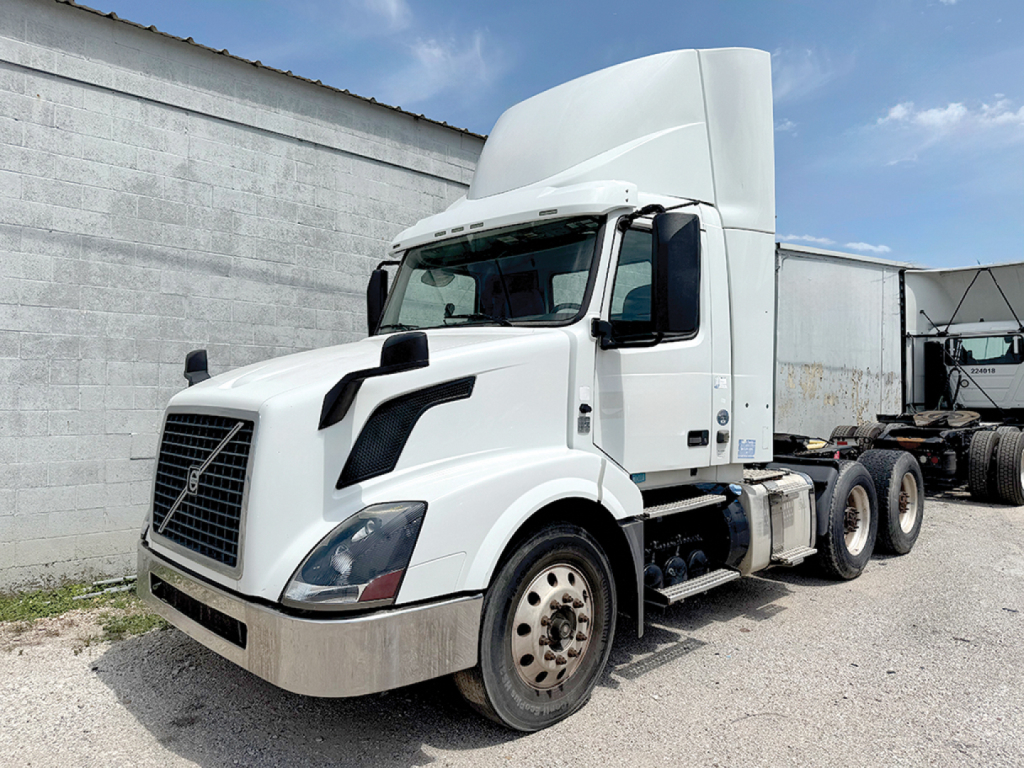
2017 Volvo Conventional Daycab Trucks For Sale
Shop 2017 Volvo conventional daycab trucks. Compare D11 and D13 power, I-Shift or manual transmissions, axle ratings, wheelbase, and specs.
Learn more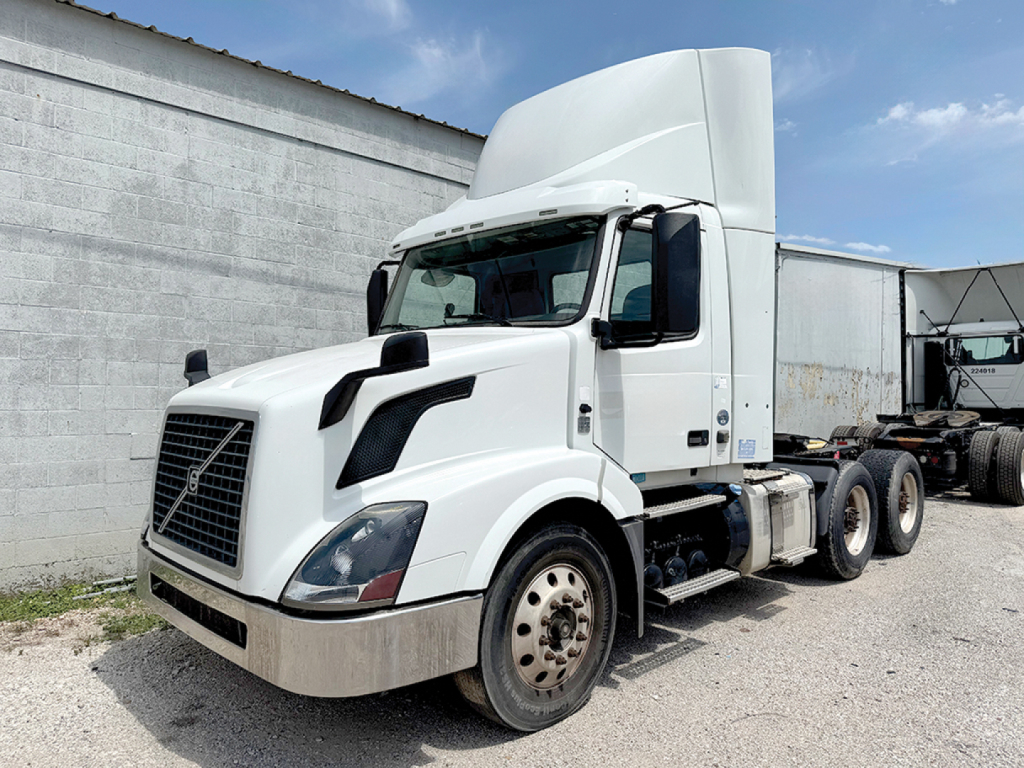
Have 2017 volvo conventional daycab truck to sell? List it here to reach thousands of buyers.
About 2017 Volvo Conventional Daycab Trucks
The main spec decisions usually start with engine and transmission. A 2017 Volvo conventional daycab commonly comes with a Volvo D11 or D13 diesel, often in ratings around 325 to 455 horsepower depending on the application. The D11 fits lighter regional and weight-sensitive work, while the D13 is the better fit for heavier gross weights, sustained highway use, or demanding vocational pulls. Many trucks from this period are paired with Volvo I-Shift automated manual transmissions, though some fleets still spec 10-speed or 13-speed manuals. I-Shift remains popular for fuel economy, driver consistency, and reduced clutch wear in stop-and-go operation. Rear axle ratios in these trucks often range from economy-focused highway gearing into more aggressive ratios for dock-to-dock or heavier start-and-stop service, so it is worth matching the ratio to your average speed, terrain, and payload.
Chassis layout is just as important as the powertrain. Wheelbase, cab-to-axle, and fifth wheel placement determine how well a 2017 Volvo daycab matches the trailers in your fleet. Common setups include single-frame tractors for standard on-road work and tandem rear axles with ratings around 40,000 pounds for heavier regional service, while lighter single-axle variants can make sense for short doubles, city operations, or weight-conscious applications. Volvo air ride suspension is a major selling point in this category because it supports ride quality, traction, and trailer protection. Buyers should also pay attention to front axle rating, brake type, tire size, and whether the truck has a stationary or air-slide fifth wheel, plus any extras like a pusher, pintle hook, or wet kit if the truck will handle specialized equipment.
A used 2017 Volvo conventional daycab should be evaluated closely for operating history and maintenance records. On emissions-era trucks, confirm the condition of the DEF system, DPF service history, and any active fault codes. Review engine hours alongside odometer miles, since a local daycab can accumulate high idle time relative to mileage. On I-Shift units, check clutch calibration, shift quality, and software history. On manual trucks, inspect clutch wear and driveline condition. Air disc brakes are common on many Volvo daycabs and can be a real advantage for stopping performance and service consistency, but pad and rotor condition still need to be verified. For many buyers, the best 2017 Volvo daycab is not simply the lowest-mile truck. It is the one with the right axle package, gearing, wheelbase, and maintenance profile for the route it is actually going to run.
Frequently Asked Questions
What is a 2017 Volvo conventional daycab best used for?
A 2017 Volvo conventional daycab is best suited for regional freight, drayage, local pickup and delivery, tanker work, bulk hauling, and dedicated short-haul lanes. The daycab layout eliminates sleeper weight and shortens overall tractor length, which helps with maneuverability, payload, and dock access. Buyers running frequent turns, urban routes, or terminal-based operations often prefer this configuration because it balances driver comfort with practical fleet efficiency.
Which engine is better in a 2017 Volvo daycab, the D11 or the D13?
The right engine depends on the job. The Volvo D11 is a good fit for lighter freight, regional lanes, and operations where lower curb weight and fuel economy are priorities. The Volvo D13 is generally the stronger choice for heavier loads, steeper grades, higher gross weights, and applications that demand more torque and durability under sustained use. If the truck will spend most of its life in stop-and-go local service with moderate payloads, the D11 can be a smart spec. If it will regularly pull heavy trailers or run faster highway routes, the D13 usually gives more flexibility.
Is Volvo I-Shift a good transmission for a 2017 conventional daycab?
Volvo I-Shift is widely considered a strong transmission choice in this category. It improves shift consistency, helps reduce driver fatigue, and can support better fuel economy than a manual in many regional and urban operations. It is especially valuable in fleets with multiple drivers because it reduces variation in shifting habits and clutch use. A used truck with I-Shift should still be checked for proper calibration, smooth engagement, fault codes, and service history, since software updates and maintenance play a major role in long-term performance.
What specs matter most when comparing 2017 Volvo daycab trucks?
The most important specs are engine model and horsepower, transmission type, axle configuration, rear axle ratio, suspension, wheelbase, cab-to-axle measurement, and brake setup. Those specs determine how the truck will perform with your trailers, payloads, route speeds, and docking conditions. Fifth wheel type also matters because an air-slide offers more trailer flexibility, while a stationary fifth wheel can be fine for dedicated work. Buyers should also compare front axle rating, rear axle rating, tire size, and any application-specific equipment such as a pintle hook or hydraulic setup.
What should I inspect on a used 2017 Volvo conventional daycab before buying?
Start with maintenance records, engine hours, fault codes, and emissions system history. Confirm the condition of the DEF system, DPF, and aftertreatment components, since repairs in that area can be costly. Inspect the engine and transmission for leaks, check driveline condition, review suspension wear, and verify brake type and remaining service life. On tandem axle trucks, pay close attention to power divider operation, axle seals, and tire wear patterns. The right inspection should also confirm that the wheelbase, fifth wheel position, and axle ratings match the trailers and legal weights the truck will be expected to handle.