
Volvo Conventional Daycab Trucks For Sale in Illinois
Volvo conventional daycab trucks for sale in Illinois, including VNR and VNL 300 with D11 or D13 power and I-Shift, built for weight and durability.
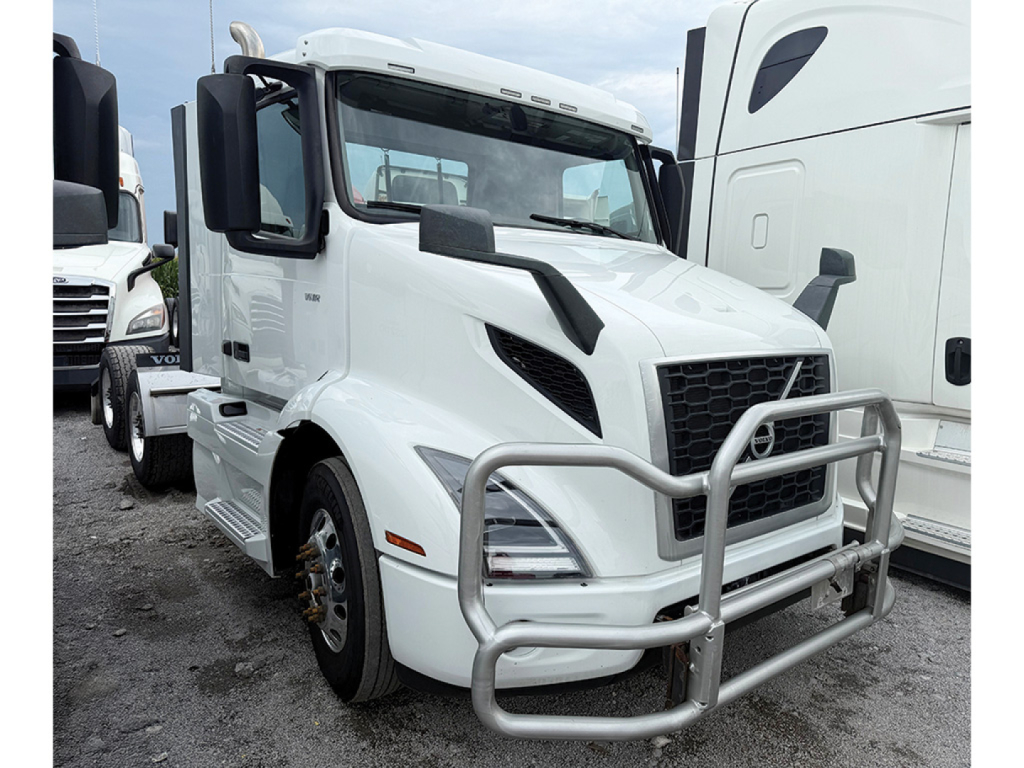
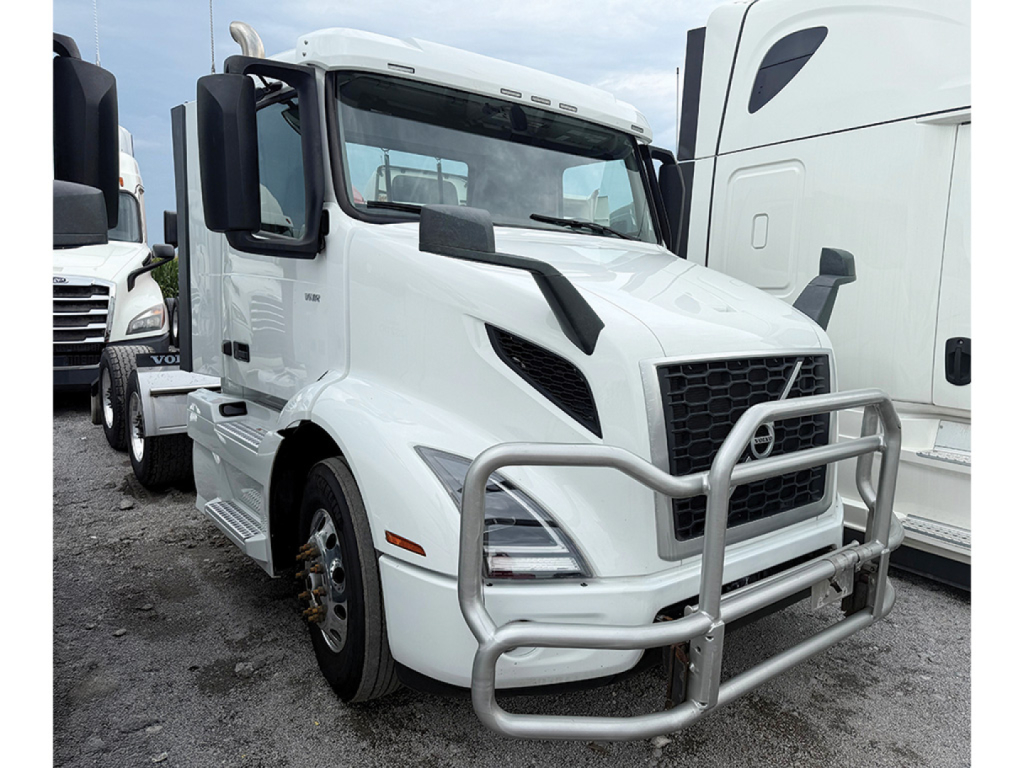
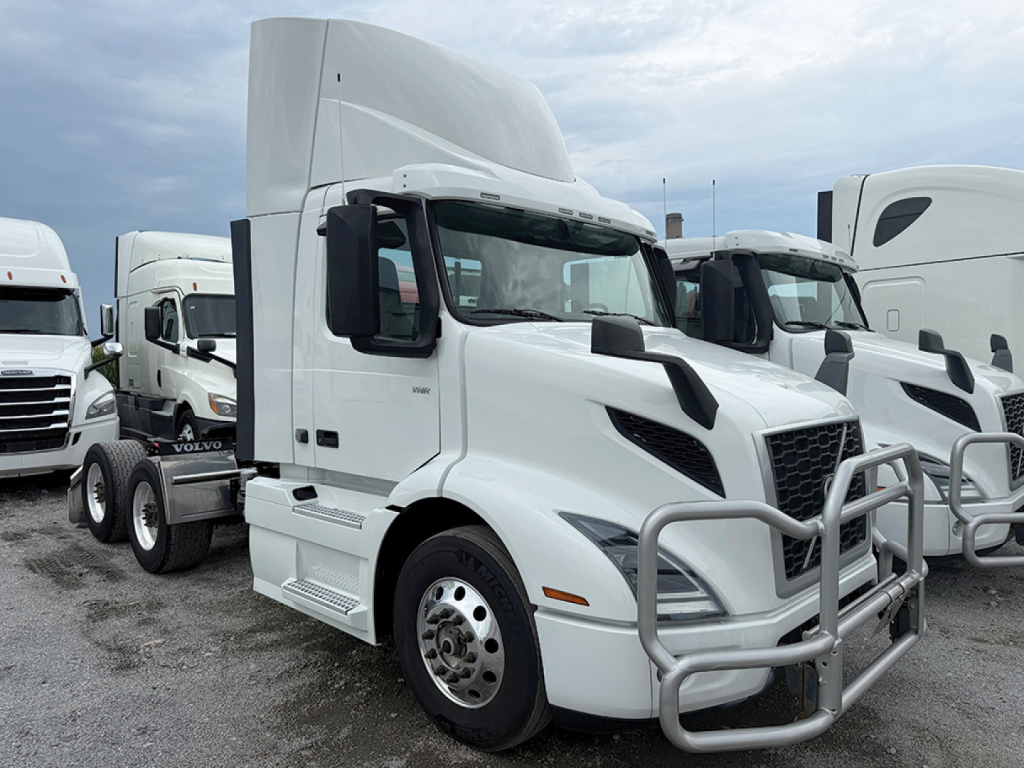

Selling a volvo conventional daycab truck? List your volvo conventional daycab truck for sale and reach thousands of commercial buyers.
Volvo Conventional Daycab Trucks in Illinois
Structural integrity shows in the frame and the cab floor, which take the abuse of docks, yard ramps, and city streets. High tensile steel rails with closely spaced crossmembers keep the chassis square under load, and the daycab floor is reinforced around seat bases and steps to resist flex and moisture intrusion. For tight urban turns, short wheelbases and a wheel cut near 50 degrees help, while a sliding fifth wheel fine tunes axle distribution with 53 foot trailers. Typical fifth wheel heights in the 47 to 50 inch range match most vans and reefers, protecting swing clearance while keeping center of gravity in check.
Thermal integrity covers both the engine bay and the driver environment. The D11 and D13 cooling modules, viscous fan control, and efficient charge air cooling manage heat during summer congestion, and proper grille sealing prevents recirculation at idle. Inside, effective insulation in the doors and floor, tight weatherstripping, and high output HVAC keep the cab stable in winter, reducing fatigue and limiting condensation that can seep into connectors. A well sealed cab also quiets the ride, which matters on long regional days.
Corrosion resistance is a priority in Illinois due to road salt and brine. Look for factory e-coat frames, aluminum or composite battery boxes, sealed Deutsch connectors, stainless hardware in splash zones, and aluminum air tanks. Inspect fifth wheel plates and mounts, spring hangers, brake chambers, and fairing brackets for rust bloom, and consider undercoating or cavity wax for trucks that will live along I-90 and I-55. Weight saving choices like disc brakes, aluminum wheels, and optimized fuel capacity lower tare and resist corrosion, but balance them against traction needs, since 6x2 and 4x2 setups save weight yet give up some grip on slick pavement.
Frequently Asked Questions about Volvo Conventional Daycab Trucks in Illinois
What is the practical difference between the Volvo VNR 300 and VNL 300 daycabs for Illinois routes?
The VNR 300 is optimized for regional and urban duty, with a shorter hood, lighter tare weight, and tighter turning radius that helps in Chicago traffic and dock yards. The VNL 300 typically carries more aerodynamic shaping for higher speed interstate work, offers broader fuel capacity options, and can be a touch heavier, which can improve ride and stability at highway speeds. Both can be spec’d with D11 or D13 power and I-Shift, so the choice often comes down to wheelbase, maneuverability, and how much time the truck spends at 60 to 70 mph.
Which engine and axle ratio pairings work best for Illinois regional haul at 80,000 pounds GCW?
For stop and go or mixed urban routes, a D11 with the I-Shift overdrive and rear ratios around 2.93 to 3.21 provides good startability and flexible midrange. For sustained interstate cruising across flatter parts of Illinois, a D13 in the 405 to 455 horsepower range with a direct drive I-Shift and rear ratios near 2.64 to 2.85 keeps cruise rpm low, improving fuel economy and reducing heat load. Spec for your heaviest launch grade, then back into the ratio that allows the truck to cruise efficiently at your target road speed.
How can I lower tare weight on a Volvo daycab without compromising durability?
Common moves include selecting a 4x2 or 6x2 drivetrain where traction demands allow, choosing aluminum wheels and air tanks, right sizing fuel capacity, and considering a D11 rather than a D13 for local work. Air disc brakes often reduce weight and improve serviceability compared to drums. Each choice has trade offs, for instance 6x2 and 4x2 save several hundred pounds but may reduce traction on slick winter pavement, so pair them with appropriate tires and driver training.
What corrosion protections should I look for, and what should I inspect on a used truck from Illinois?
Seek trucks with factory e-coat or powder coated frames, sealed Deutsch electrical connectors, aluminum or composite battery boxes, stainless or coated fasteners in splash zones, and well maintained paint on crossmembers. During inspection, focus on spring hangers, fifth wheel plates and mounts, brake chambers and slack adjusters, air tank brackets, and fairing brackets for rust scale or swelling. Check wiring looms for green corrosion at terminations and confirm grounds are clean and tight. If the truck will continue in heavy salt service, plan for undercoating or cavity wax and regular fresh water rinses in winter.
How does sliding fifth wheel position affect axle weights and trailer clearance with 53 foot vans?
Moving the fifth wheel forward adds weight to the steer axle and reduces weight on the drives, moving it rearward does the opposite. Proper positioning helps keep the steer near target weight while keeping the drives within limits, which matters for Illinois bridge and axle rules. Maintain sufficient setback for trailer nose swing and landing gear clearance, and match fifth wheel height, often 47 to 50 inches, to common trailer kingpin heights so the combination stays level and predictable.