
2023 Volvo Conventional Daycab Trucks For Sale
Shop 2023 Volvo conventional daycab trucks, including VNR 300 specs, D13 power, I-Shift transmissions, axle ratings, and fleet-ready features.
Learn more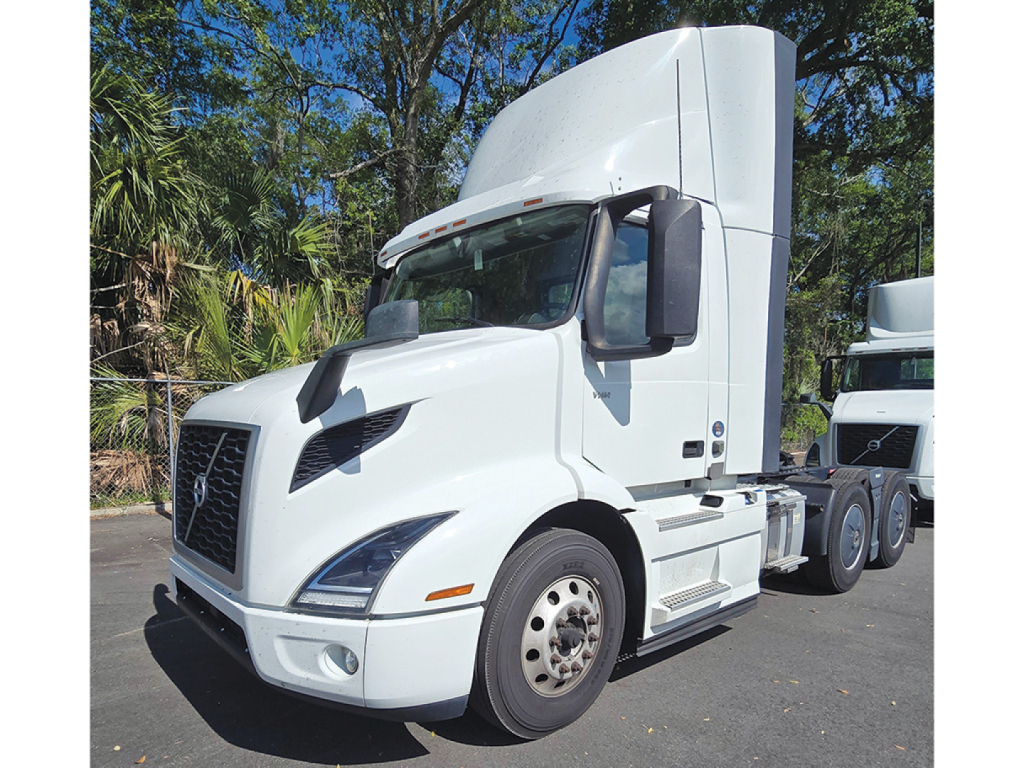
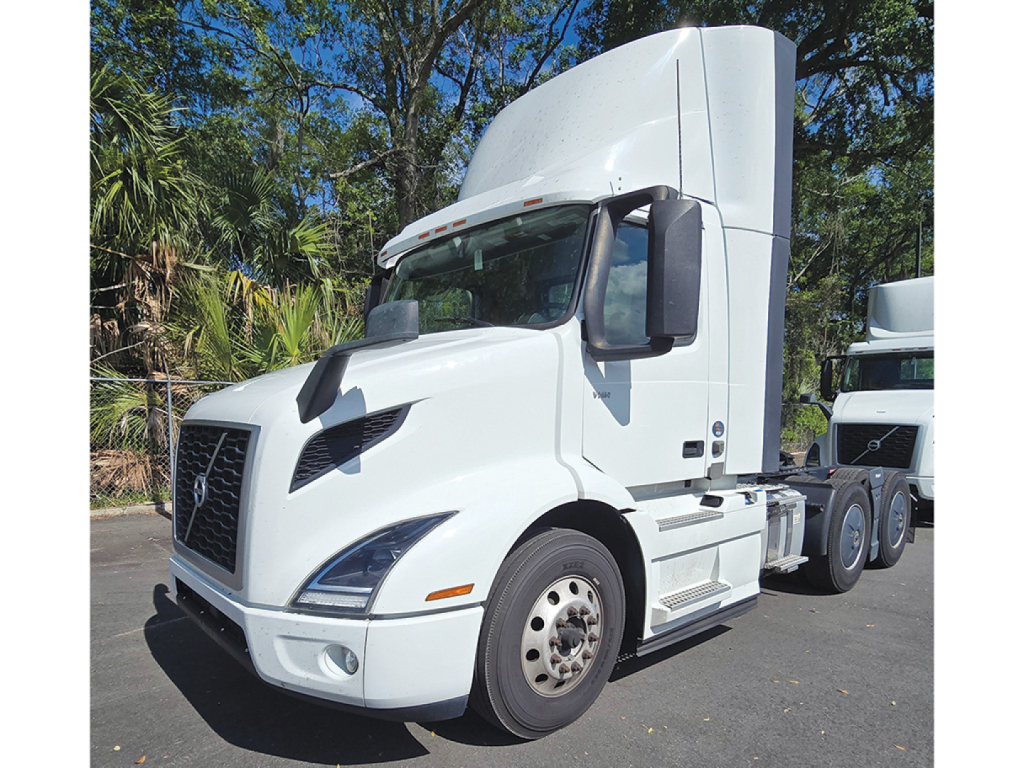
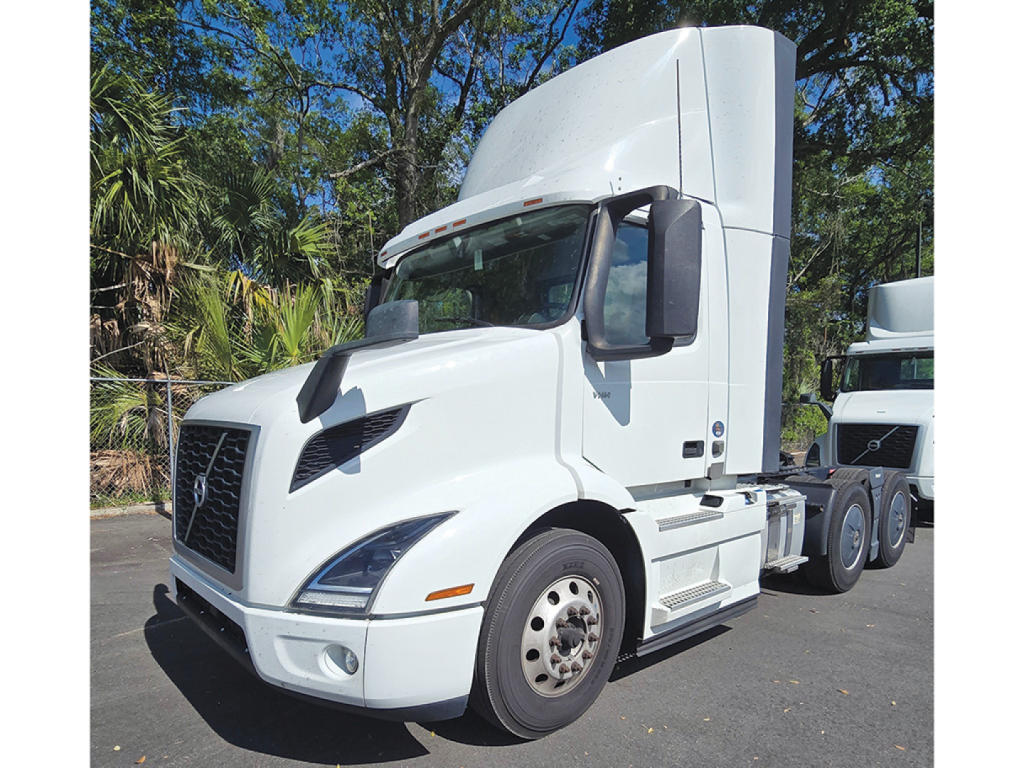
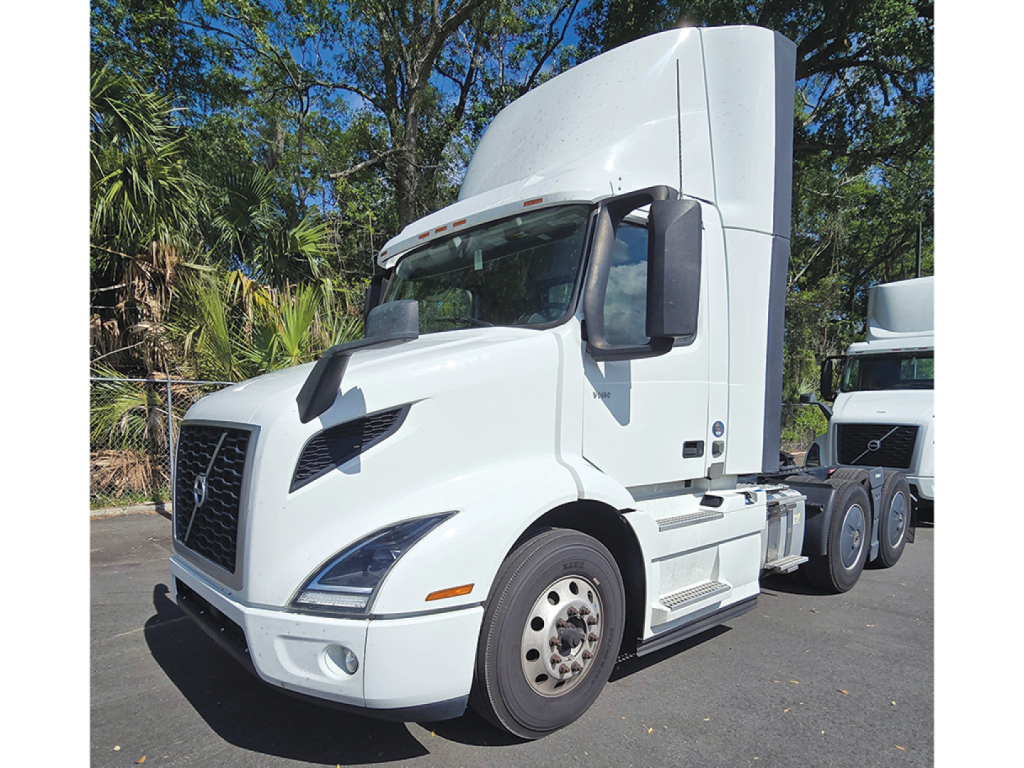
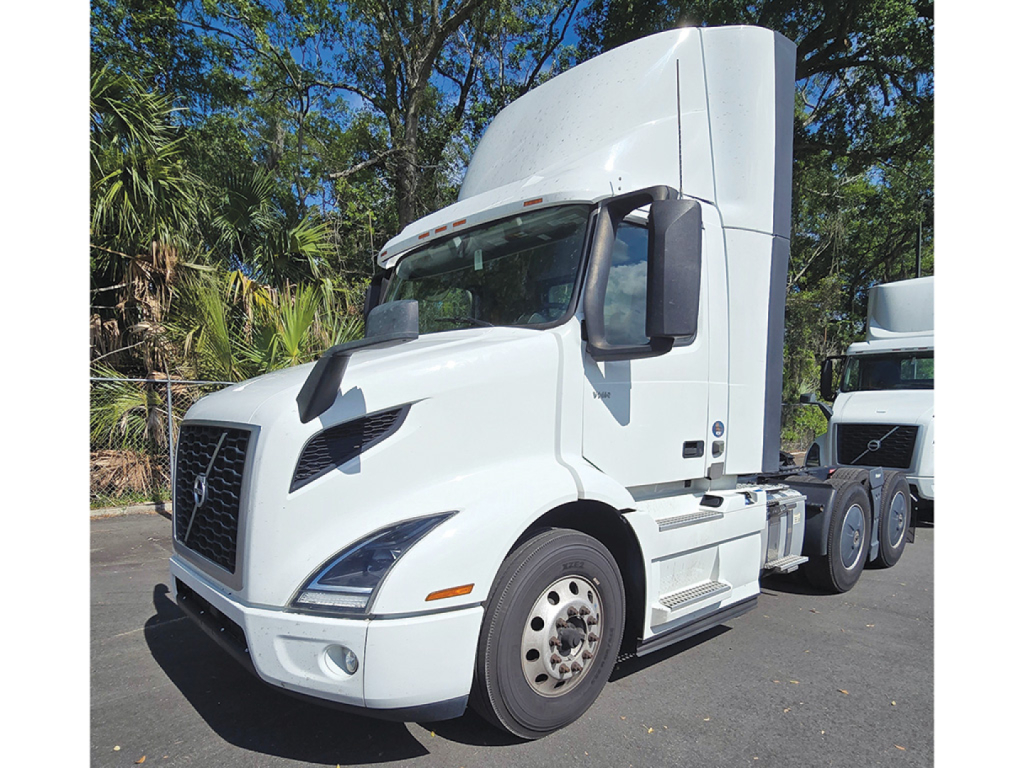
Have 2023 volvo conventional daycab truck to sell? List it here to reach thousands of buyers.
About 2023 Volvo Conventional Daycab Trucks
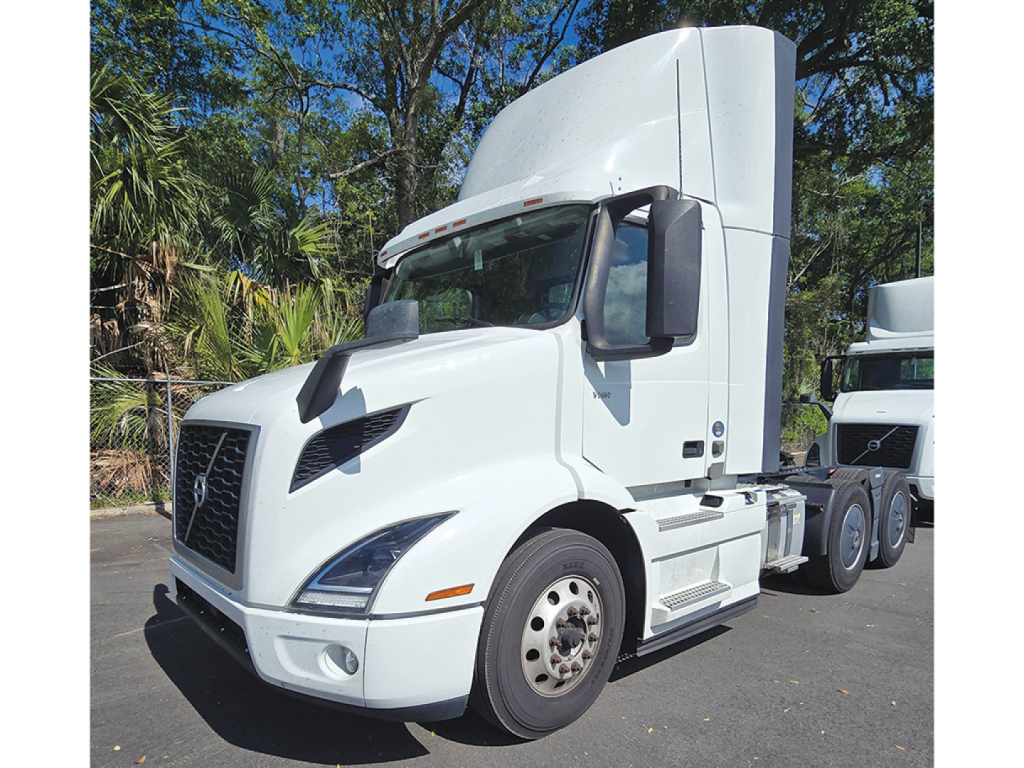
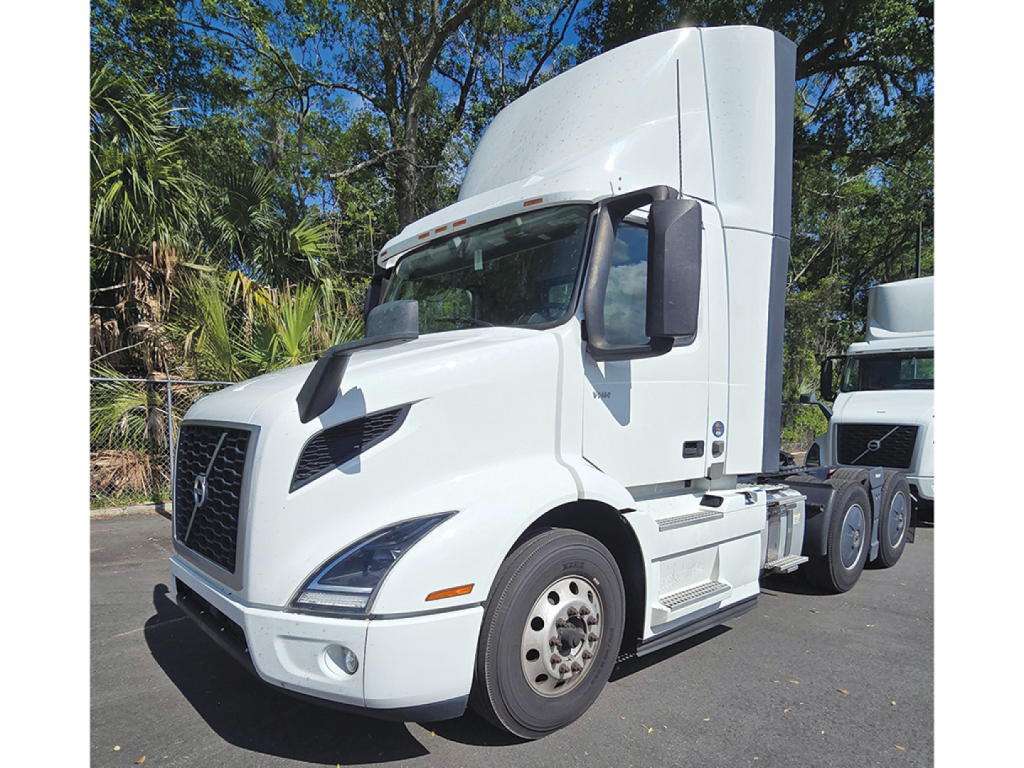
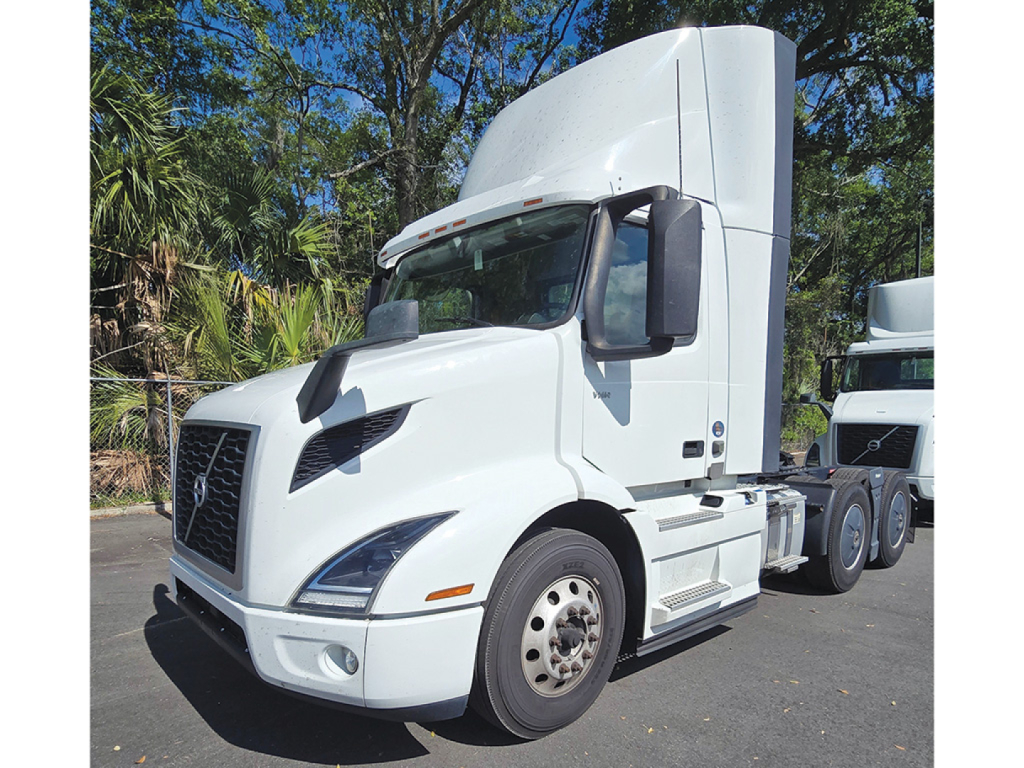
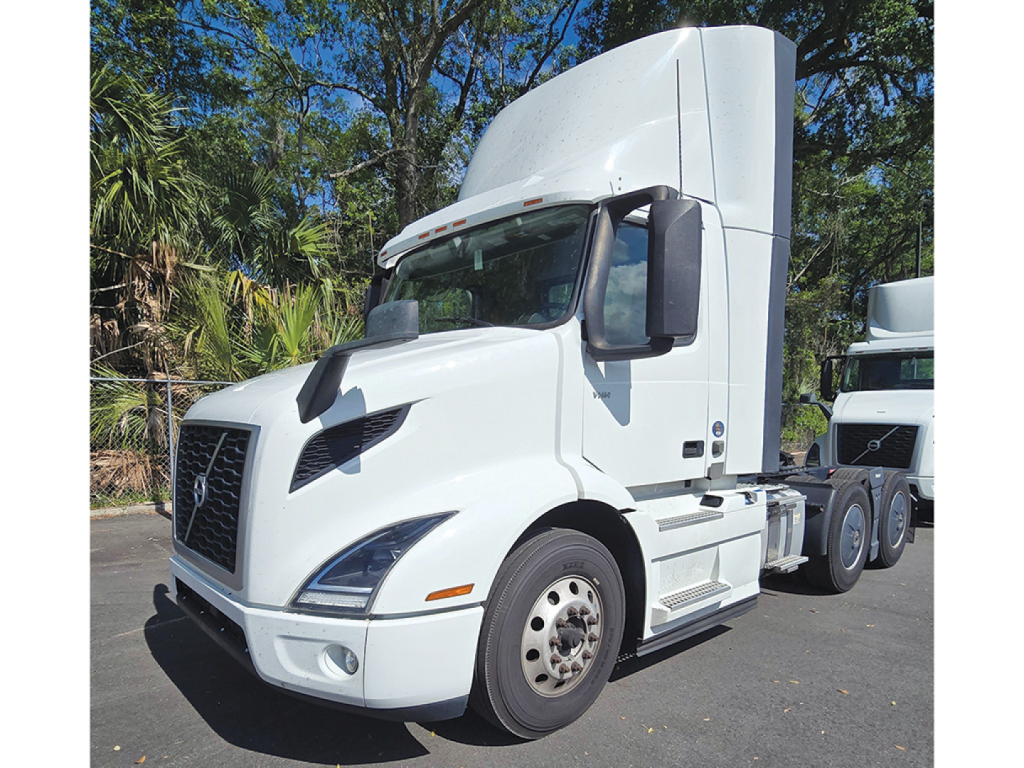
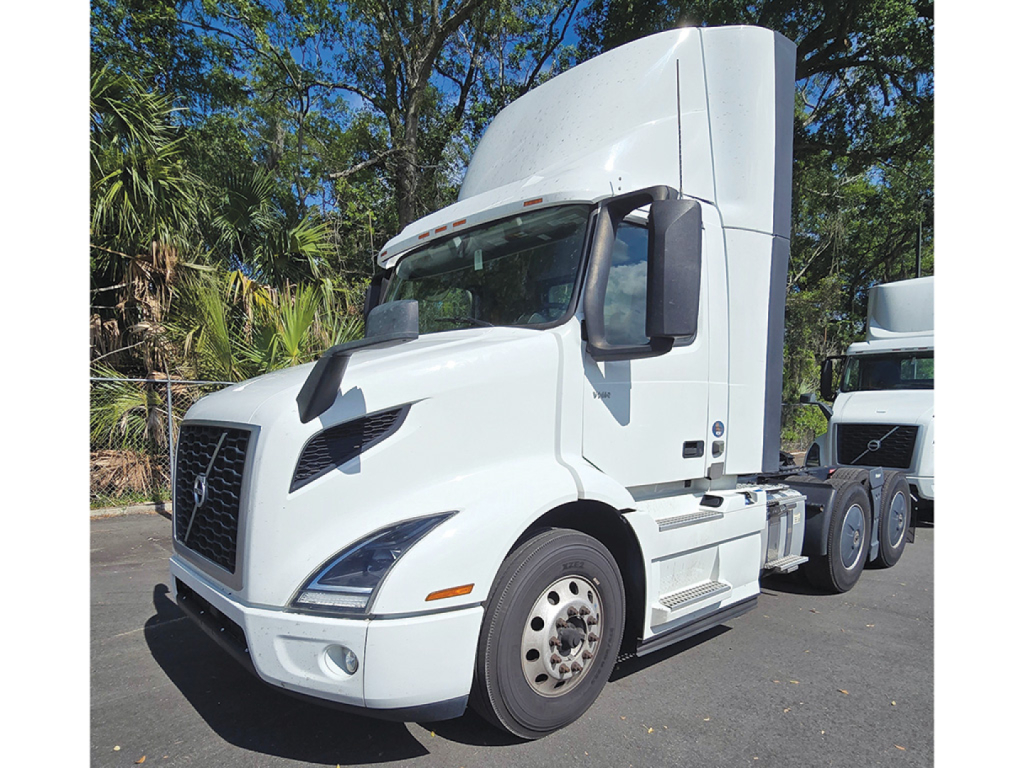
The spec decisions that matter most usually start with rear axle ratio, wheelbase, and fifth wheel setup. A 2023 daycab in this class is often found with 40,000 lb rears, air ride suspension, and ratios such as 2.64 or 2.79, which points to fuel-conscious regional applications rather than heavy vocational hauling. Wheelbases in the low 170-inch range are common and help keep the truck agile around docks and urban routes while still leaving room for dual fuel tanks and fairing packages. Buyers comparing listings should look closely at whether the truck has an air slide fifth wheel or a fixed setup, along with front axle rating, brake type, and tire profile, because those details affect trailer compatibility, turning clearance, and maintenance cost.
Volvo's appeal in the daycab segment is tied to driver comfort and integrated powertrain control. The VNR cab typically includes a well-laid-out dash, tilt and telescoping steering, effective HVAC, and aerodynamic equipment such as roof fairings, cab extenders, and quarter fenders. On the operating side, the D13 and I-Shift combination is known for predictable shift logic, good low-rpm efficiency, and strong integration with the engine brake. Many 2023 trucks in this category also carry air disc brakes, aluminum wheels, and low-profile 22.5 tires, all of which can support easier service access, better stopping performance, and a more highway-oriented spec.
A buyer should also match the truck to lane and trailer type instead of buying strictly by horsepower. For dry van, reefer, and general regional freight, a 2023 Volvo daycab with a mid-400 hp D13, aerodynamic package, and faster rear ratio can be a very efficient choice. For heavier start-stop work or short-haul operations with more challenging terrain, axle ratio, suspension rating, and brake spec deserve extra scrutiny. Service history, software updates, aftertreatment performance, and any remaining emissions warranty coverage are just as important as mileage on late-model Volvos, especially on trucks equipped with modern automated transmissions and emissions systems.
Frequently Asked Questions
What is the most common configuration on a 2023 Volvo conventional daycab?
A common 2023 Volvo conventional daycab configuration is the VNR 300 with a Volvo D13 engine around 405 hp, a 12-speed Volvo I-Shift automated manual transmission, tandem rear axles rated at 40,000 lbs, and a wheelbase around 172 inches. Many are spec'd with air ride suspension, dual aluminum fuel tanks, aerodynamic fairings, and either an adjustable or air slide fifth wheel. That setup is aimed at regional haul, dedicated lanes, and local-to-highway operations.
Is a 2023 Volvo daycab better suited for local work or regional highway use?
Most 2023 Volvo daycabs in conventional tractor form are designed to cover both, but many are especially well suited to regional highway use with frequent stops. Aerodynamic packages, faster rear axle ratios, and the I-Shift transmission make them efficient on multi-stop regional routes and short interstate runs. They also work well in local distribution and port-related service, provided the wheelbase, fifth wheel position, and axle ratings match the trailers and loading conditions.
What should I check first when comparing 2023 Volvo VNR 300 daycab listings?
Start with the powertrain and chassis specs that affect operating cost and application fit. Confirm engine rating, transmission model, rear axle ratio, suspension type, wheelbase, and brake setup. Then review whether the truck has air disc brakes, an air slide fifth wheel, low-profile tires, and full aerodynamic fairings. After that, look at maintenance records, fault history, aftertreatment performance, and any signs of deferred service because those items can matter more than cosmetic condition on a late-model fleet tractor.
Are Volvo I-Shift transmissions a good choice in a daycab tractor?
Yes, the Volvo I-Shift is a strong choice for a daycab tractor used in regional and local freight. It reduces driver fatigue, helps standardize shifting across multiple drivers, and is generally well matched to Volvo's D11 and D13 engines. In stop-and-go service, it can improve drivability and clutch life compared with a manual transmission. Buyers should still verify software status, calibration history, and how the transmission was maintained, especially in higher-duty-cycle applications.
Why do rear axle ratio and wheelbase matter on a 2023 Volvo daycab?
Rear axle ratio affects launch feel, cruise rpm, fuel economy, and grade performance. Ratios like 2.64 or 2.79 are often chosen for efficient regional highway work, while more aggressive gearing may suit heavier or more demanding routes. Wheelbase affects maneuverability, trailer swing clearance, and room for tanks and frame-mounted equipment. On a daycab, these two specs have a direct impact on how well the truck fits city docks, customer yards, trailer types, and overall operating cost.