
2023 Volvo Conventional Daycab Trucks For Sale in Georgia
Shop 2023 Volvo conventional daycab trucks in Georgia. Compare VNR specs, D13 power, I-Shift options, wheelbase, and regional haul features.
Learn more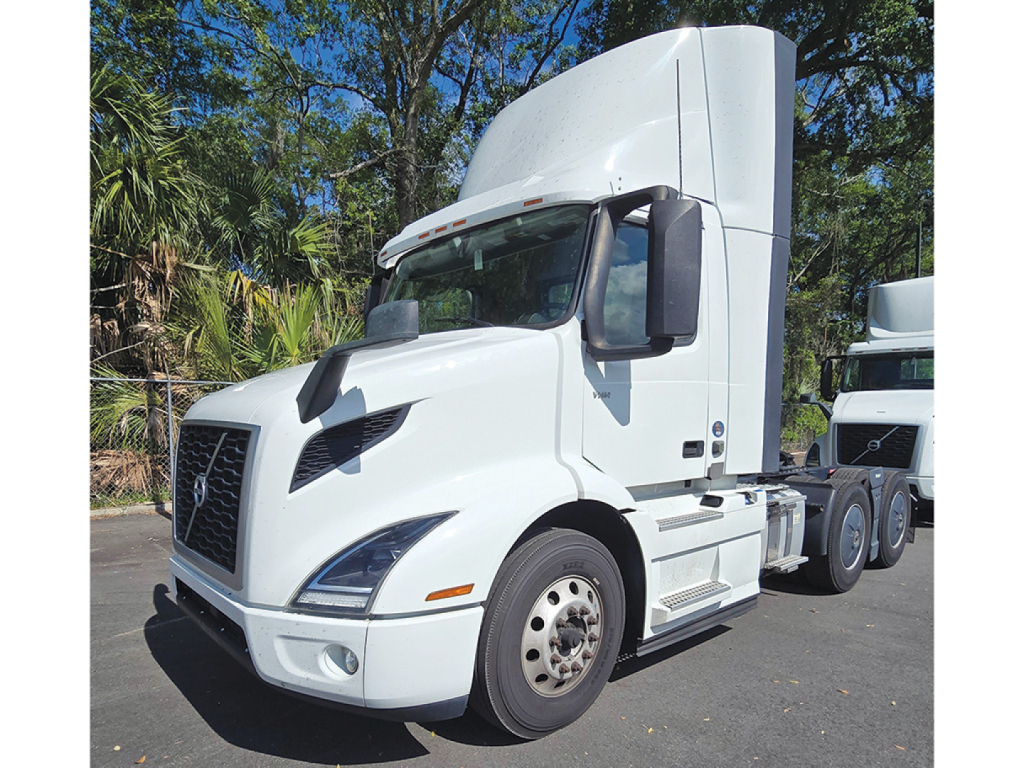
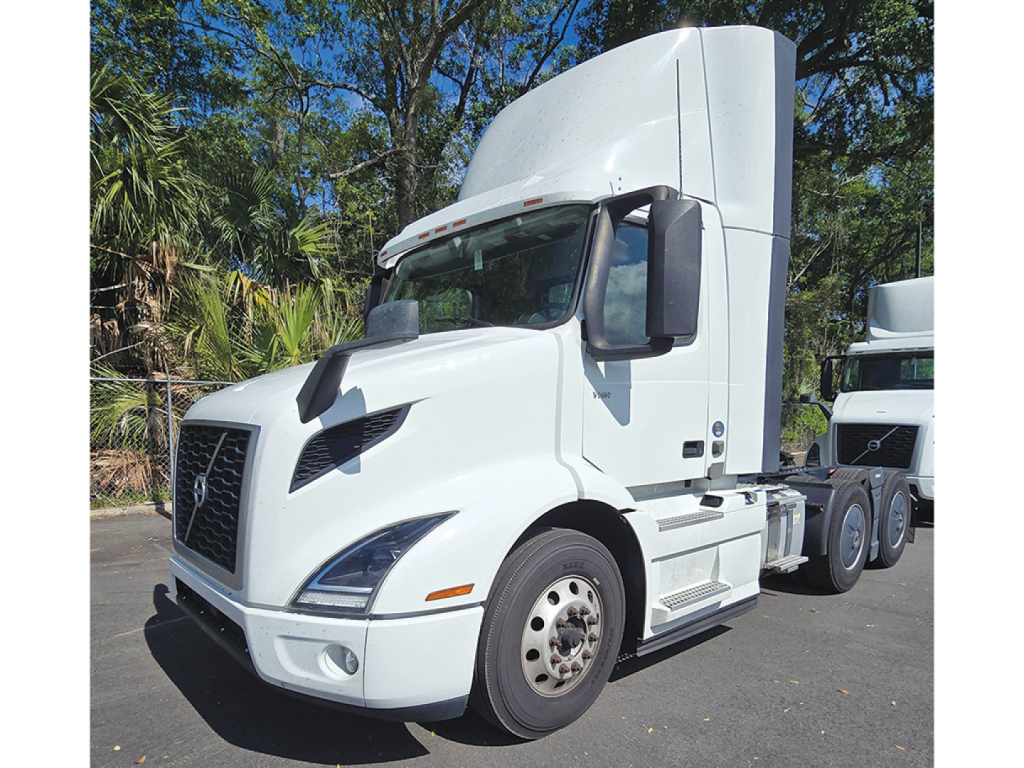
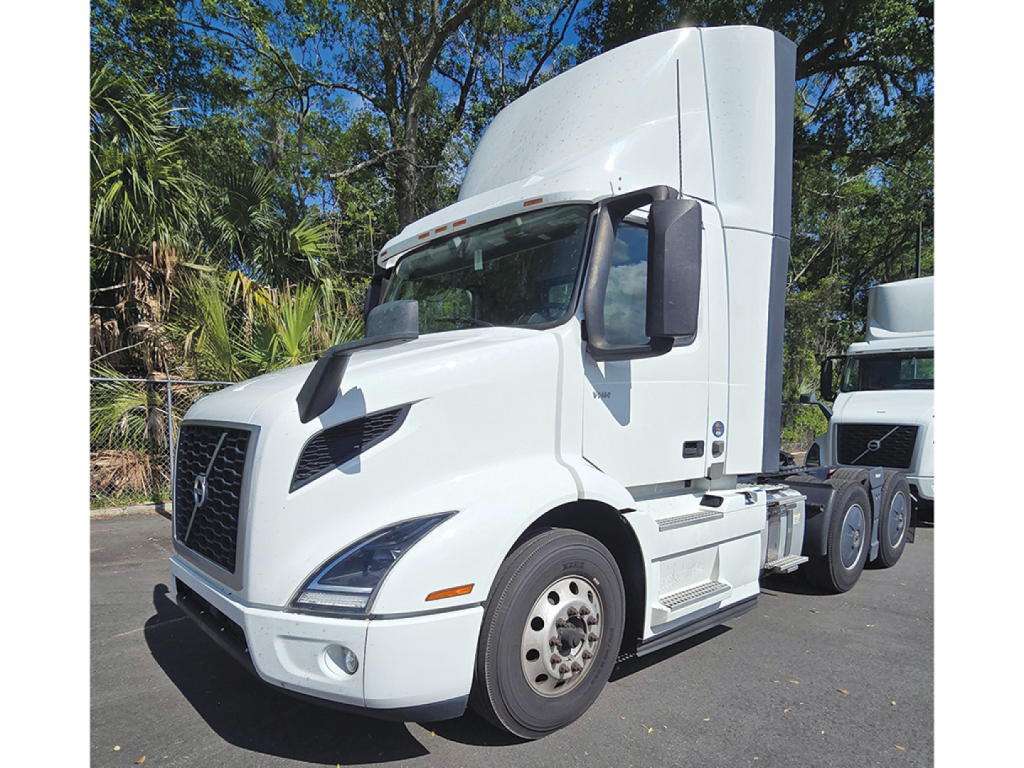
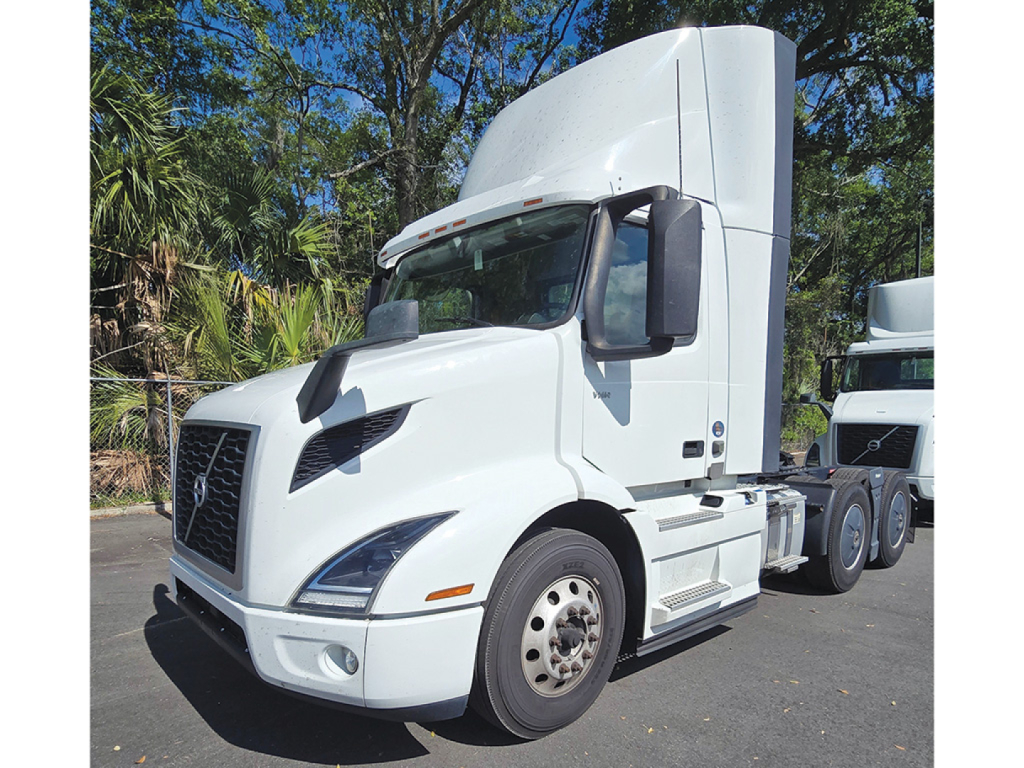
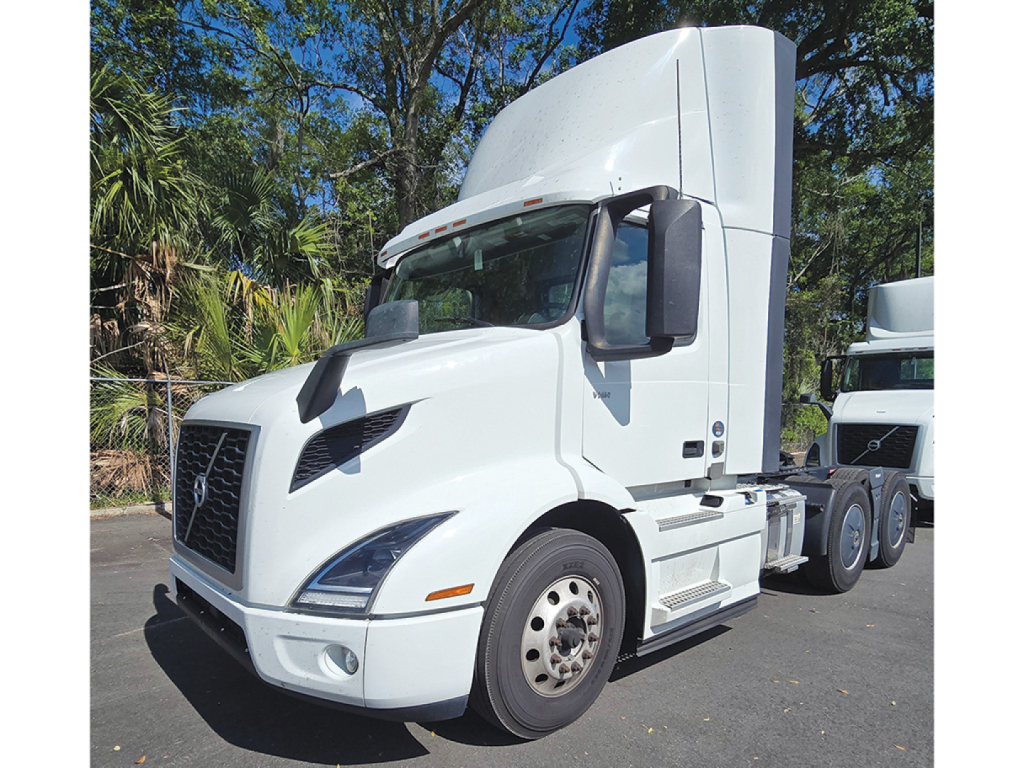
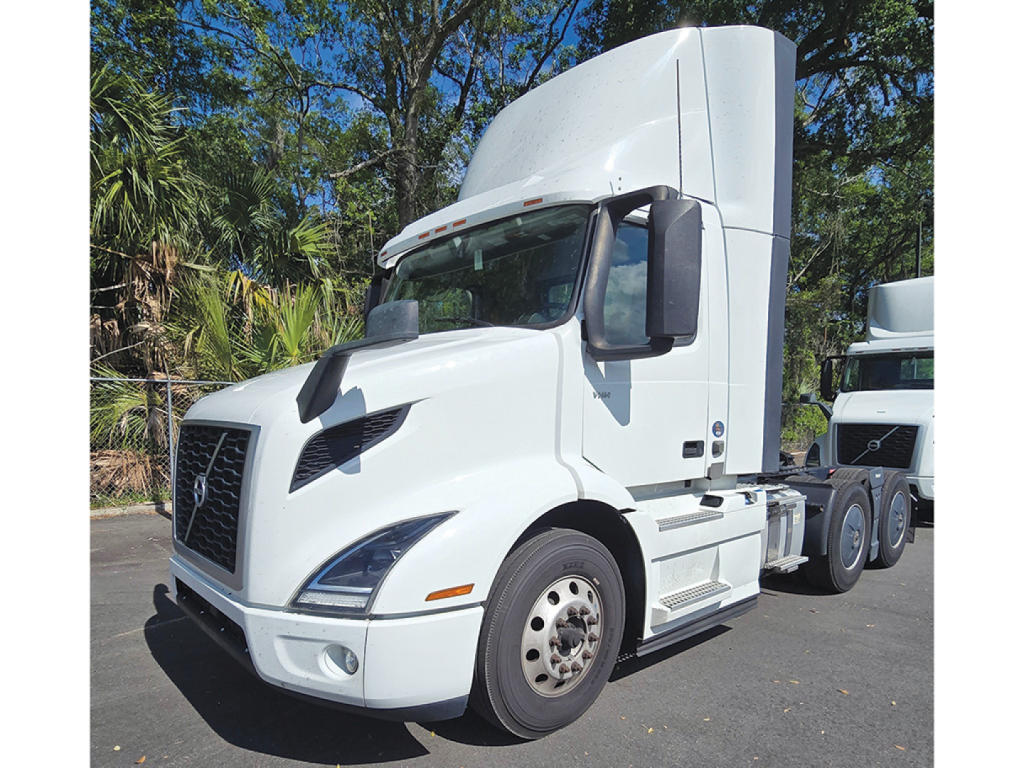
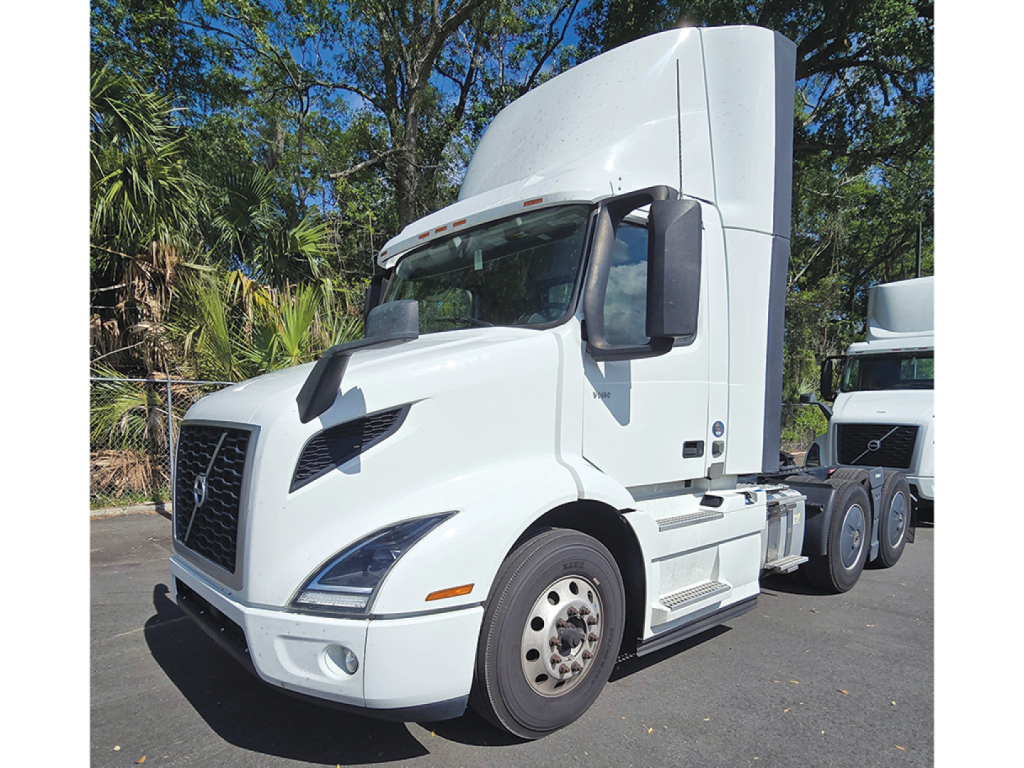
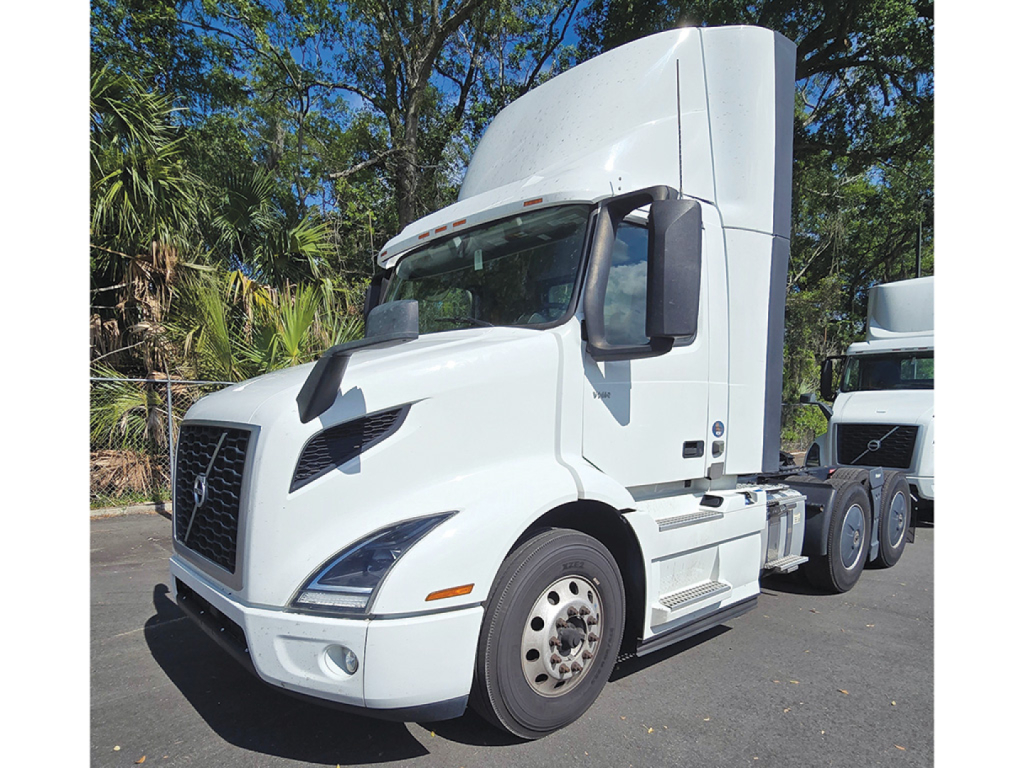
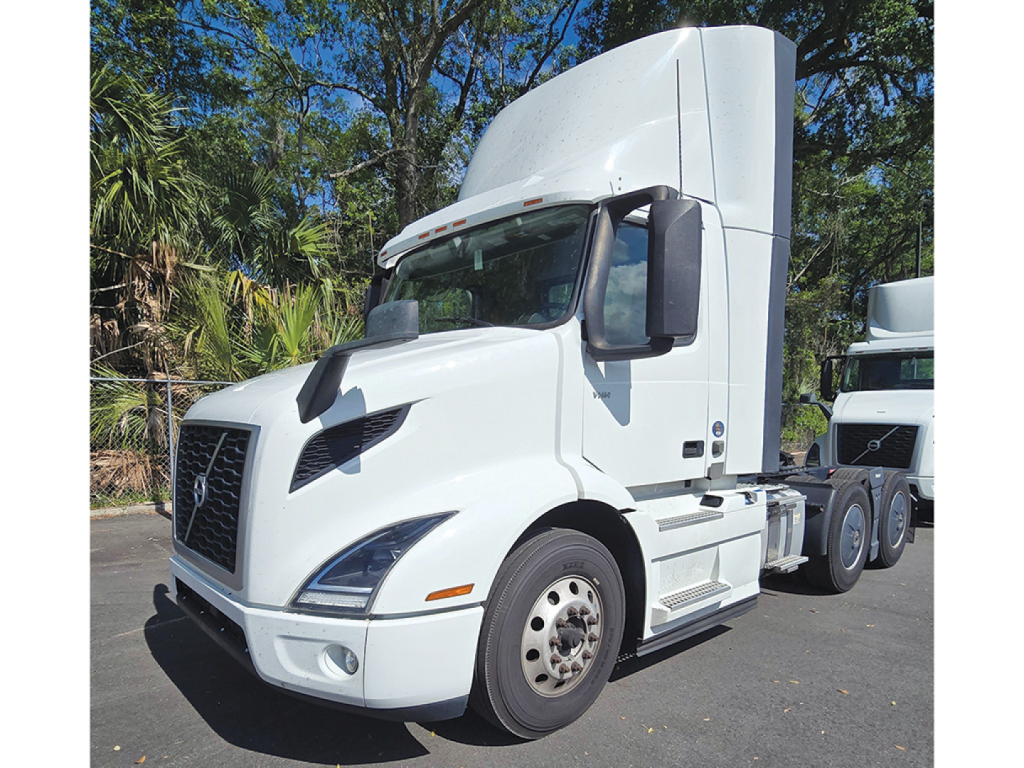
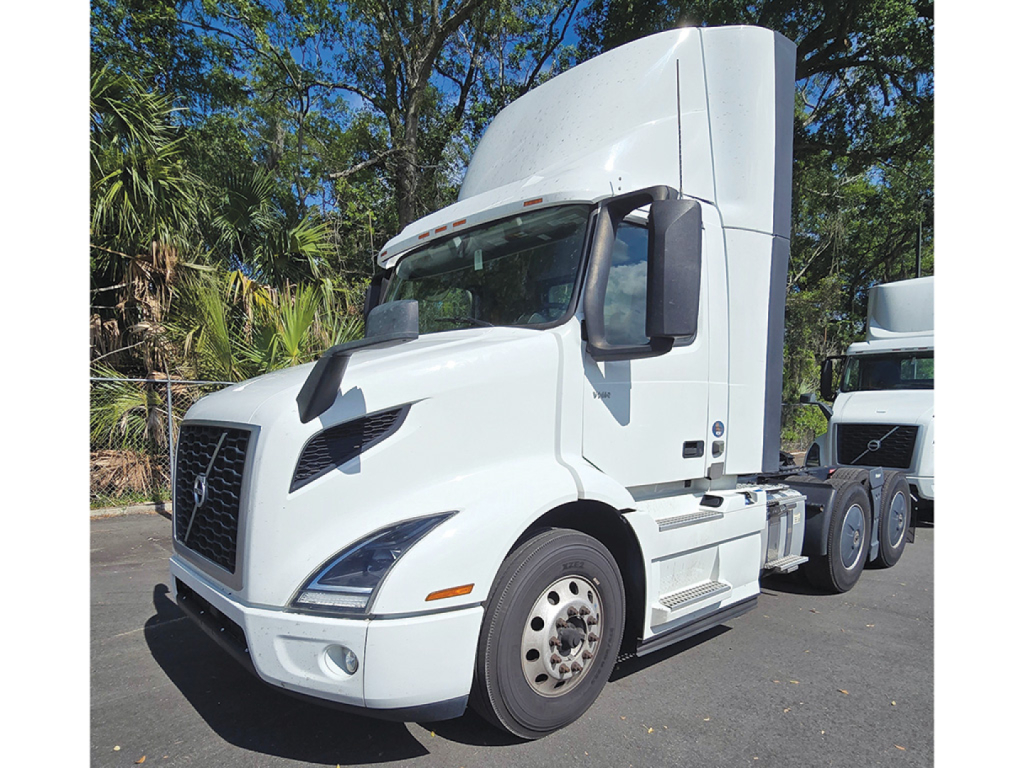
Have 2023 volvo conventional daycab truck to sell? List it here to reach thousands of buyers.
About 2023 Volvo Conventional Daycab Trucks in Georgia
The key spec decisions usually start with engine rating, transmission, rear axle ratio, and wheelbase. Many Volvo daycabs in this class are equipped with the Volvo D13 in roughly 405 to 425 horsepower ratings, often paired with the Volvo I-Shift automated manual transmission. That combination is common because it balances fuel economy, driver acceptance, and predictable shift logic in stop-and-go or mixed highway service. A 40,000-pound rear axle setup, air ride suspension, and ratios in the mid-2s are typical for regional haul tractors that spend most of their time at highway speed but still need enough startability for loaded trailers. A wheelbase around the low-170-inch range is also common on these trucks because it keeps the tractor compact without giving up stability.
For Georgia operators, spec details should be matched to lane type and operating terrain. Metro Atlanta freight favors a short, nimble daycab with an air-slide fifth wheel, good mirror visibility, and durable braking components for heavy traffic. If the truck will run intermodal, dedicated van, or reefer lanes across the Southeast, look closely at fairings, cab extenders, fuel capacity, and tire size because those details affect fuel burn and trailer compatibility. Disc brakes, low-profile 22.5 tires, aluminum wheels, and aerodynamic trim are common on newer Volvo conventional daycabs and can reduce maintenance downtime while keeping the truck efficient on regional runs. Horizontal exhaust and clean frame layouts may also matter if the truck will be assigned to yard access, body upfit potential, or specialized trailer hookups.
Cab condition and driver environment are important in this category because daycabs often see multiple drivers and frequent entry-exit cycles. Features such as tilt and telescoping steering, cruise control, power windows, air conditioning, and a well-finished interior help with retention and usability, but buyers should still pay attention to the harder fleet items: brake type, fifth wheel style, suspension condition, fuel tank material, and service history on emissions and transmission software updates. A well-spec'd 2023 Volvo conventional daycab should deliver low-effort operation, strong uptime potential, and the right mix of aerodynamics, axle capacity, and wheelbase for regional freight in and around Georgia.
Frequently Asked Questions
What is a Volvo conventional daycab best suited for?
A Volvo conventional daycab is best suited for regional hauling, local delivery support, port drayage, dedicated route work, and other operations where the truck returns to base instead of staying out overnight. The non-sleeper cab keeps overall length shorter and usually improves maneuverability in city traffic, distribution centers, and tight customer yards. It is a strong fit for fleets that prioritize fuel efficiency, easy ingress and egress, and a tractor that can handle frequent trailer changes.
Which specs matter most when comparing a 2023 Volvo daycab?
The most important specs are engine rating, transmission model, rear axle ratio, wheelbase, suspension, brake type, and fifth wheel setup. On a 2023 Volvo daycab, many buyers look for a D13 engine with an I-Shift automated transmission because that package is widely used in regional service. Wheelbase affects turning radius and trailer tracking, while axle ratio affects cruise RPM, startability, and fuel economy. Brake configuration, air-slide versus fixed fifth wheel, and aerodynamic equipment also have a direct impact on operating cost and lane flexibility.
Is the Volvo VNR 300 a good choice for Georgia regional freight?
Yes, the Volvo VNR 300 is commonly considered a strong choice for Georgia regional freight because it is compact, aerodynamic, and designed for high-frequency daycab use. In Atlanta and throughout the Southeast, it fits well in operations that combine interstate miles with dense urban traffic. Its cab layout, visibility, and turning characteristics help in crowded terminals and distribution centers, while the D13 and I-Shift combination is widely accepted for fuel-conscious fleet work.
What rear axle ratio is common on a regional Volvo daycab, and why does it matter?
Regional Volvo daycabs are often spec'd with faster rear axle ratios in the mid-2 range, such as 2.64 or 2.79, especially when paired with an overdrive automated transmission. This matters because the ratio affects engine speed at cruise, launch performance, gradeability, and fuel economy. A faster ratio generally supports lower RPM on the highway and better fuel efficiency, but the right choice depends on trailer weight, terrain, and how much stop-and-go work the truck will handle.
Are disc brakes and an air-slide fifth wheel worth having on a daycab tractor?
For many buyers, yes. Disc brakes can improve stopping consistency, simplify some maintenance tasks, and perform well in repeated urban braking cycles. An air-slide fifth wheel adds flexibility because it allows easier adjustment for axle loading, trailer gap, and kingpin setting across different trailers. On a daycab that handles mixed freight or frequent drop-and-hook work, both features can add practical value and improve day-to-day usability.