
Volvo Conventional Daycab Trucks For Sale in Texas
Shop Volvo conventional daycab trucks in Texas. Compare VNL and VNR specs, D13 power, I-Shift transmissions, wheelbases, and axle setups.
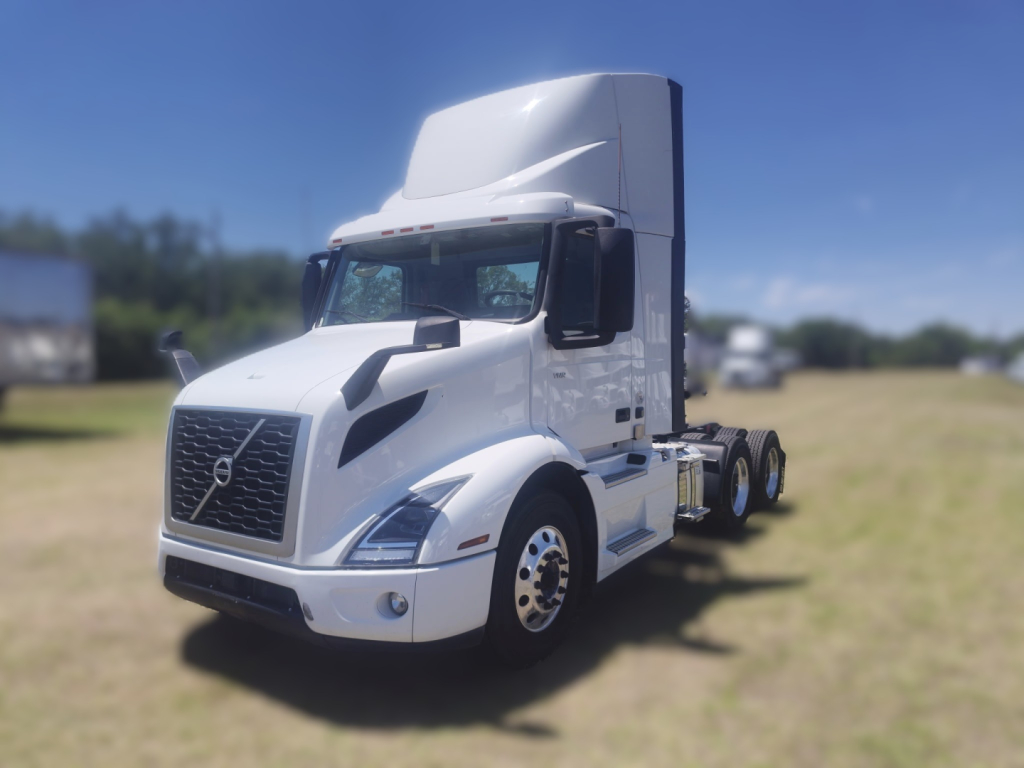
2022 Volvo VNR64T300
376,000 mi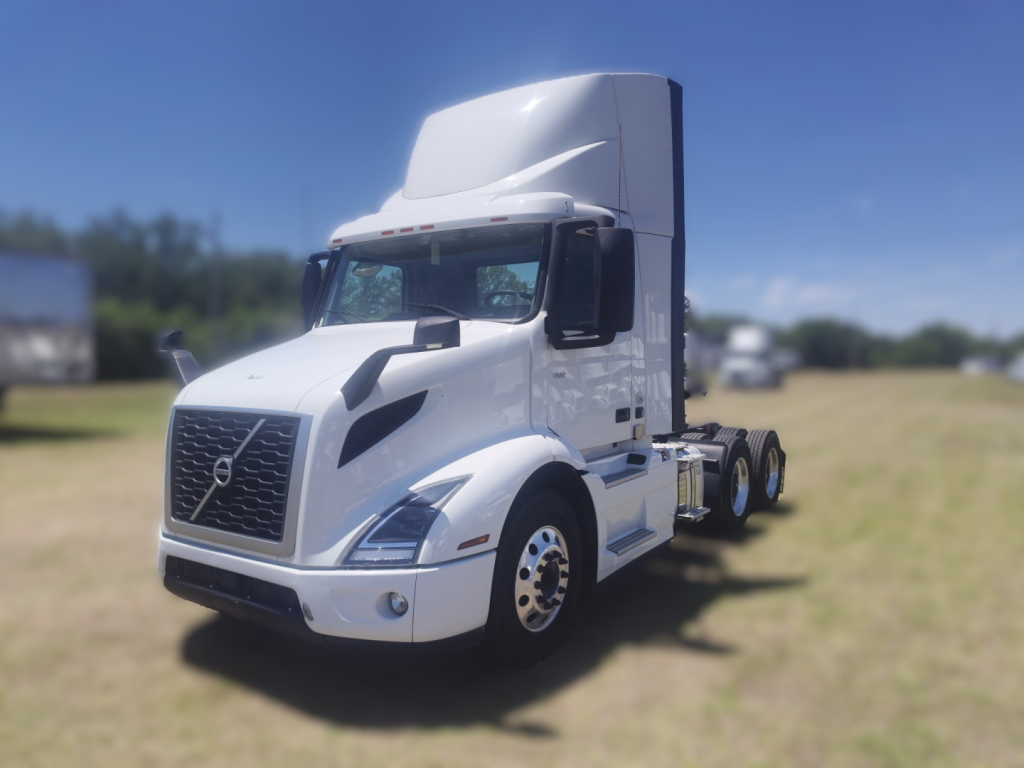
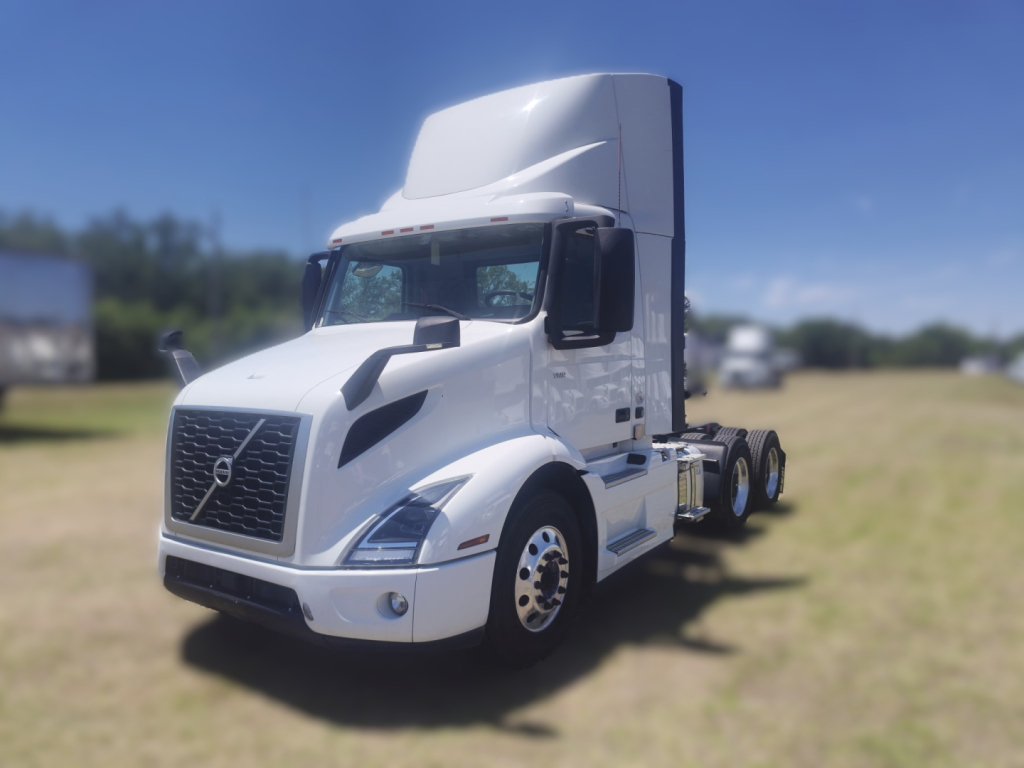
2022 Volvo VNR64T300
379,000 mi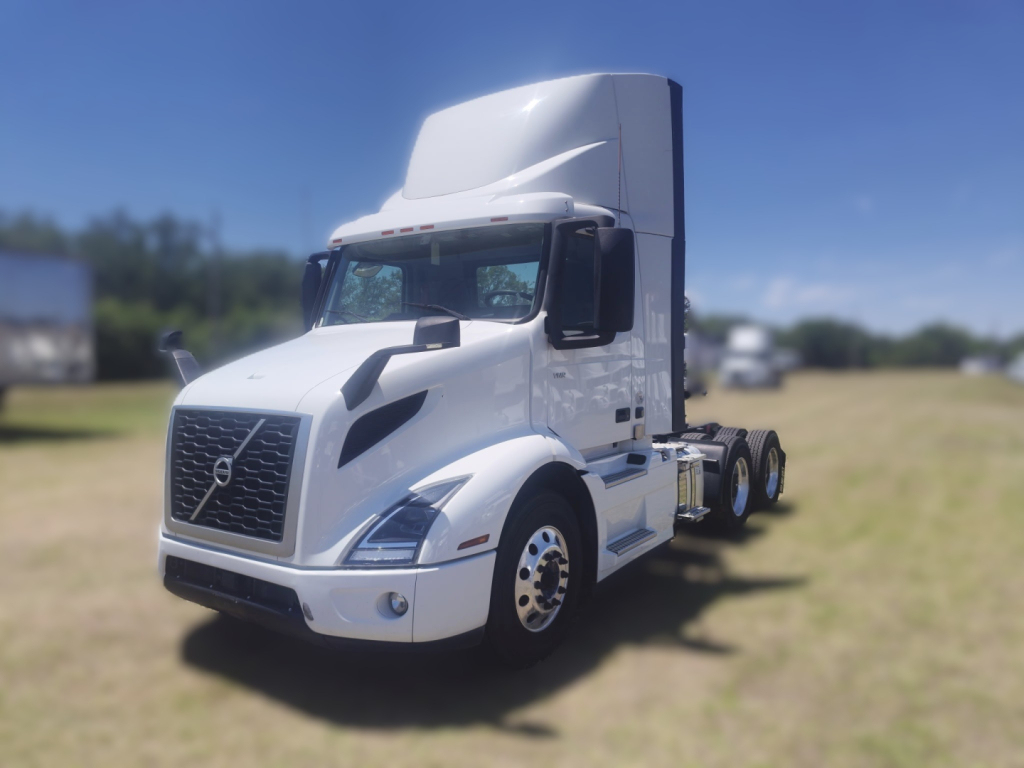
2022 Volvo VNR64T300
358,000 mi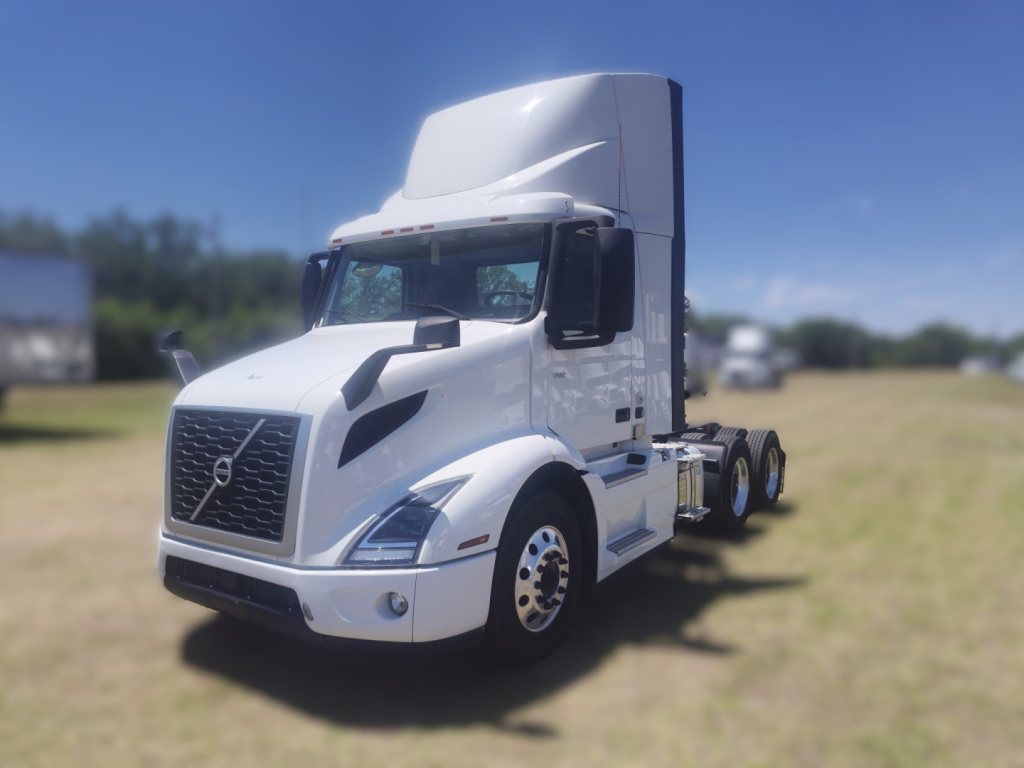
2022 Volvo VNR64T300
353,000 mi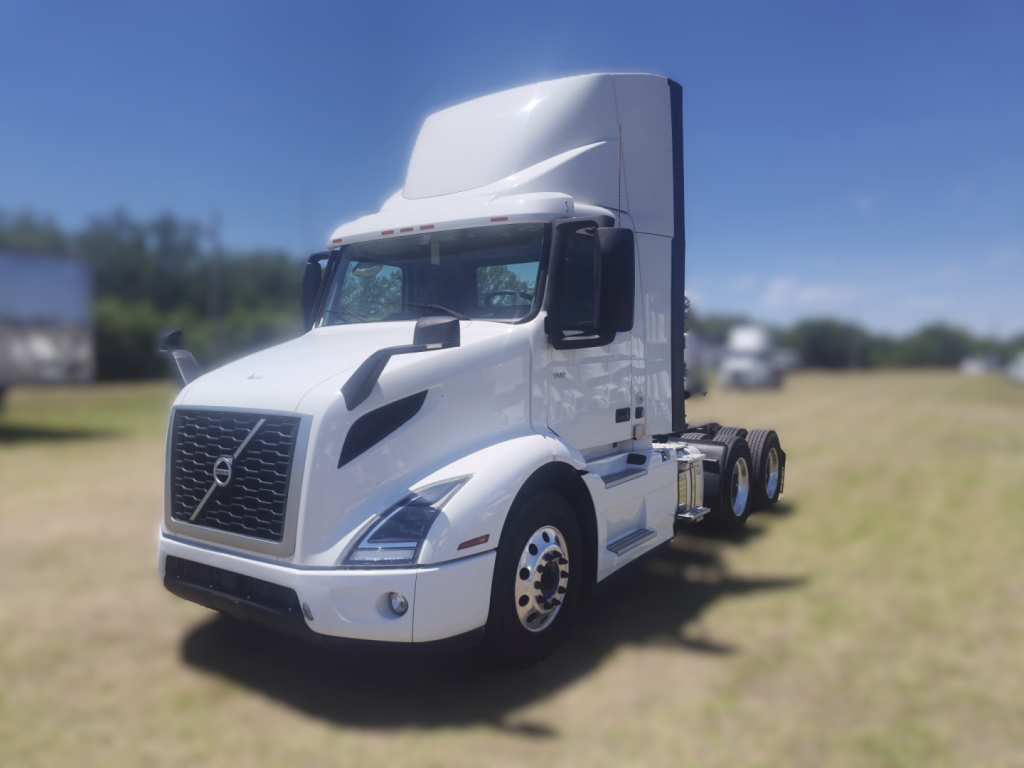
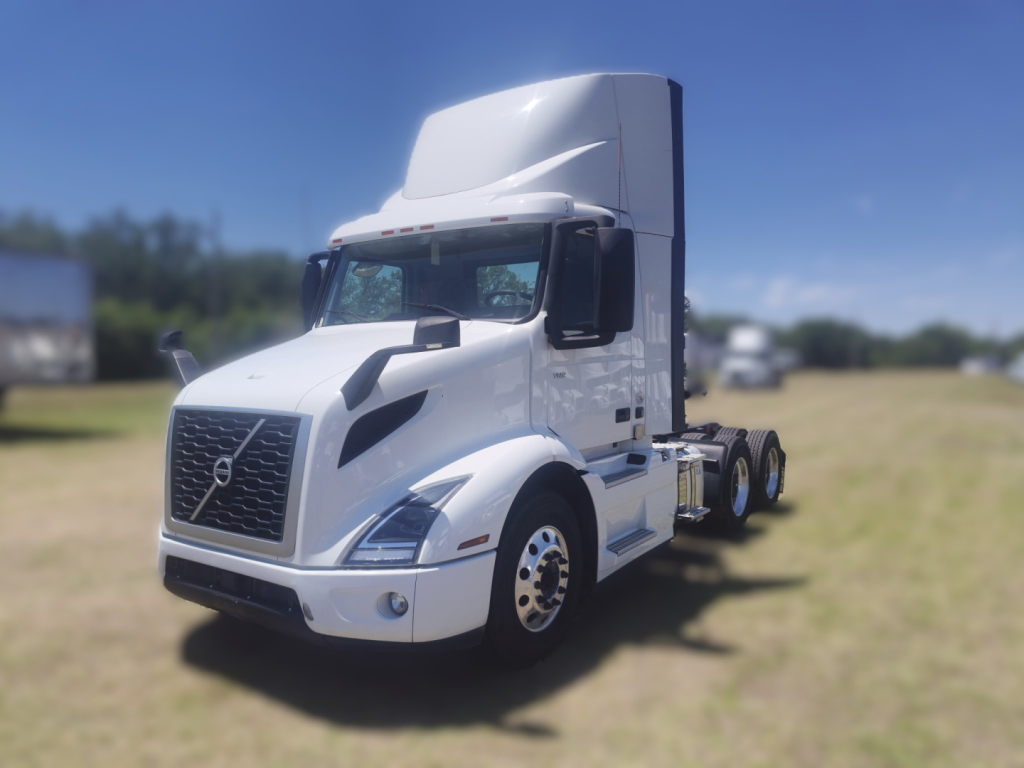
2022 Volvo VNR64T300
388,000 mi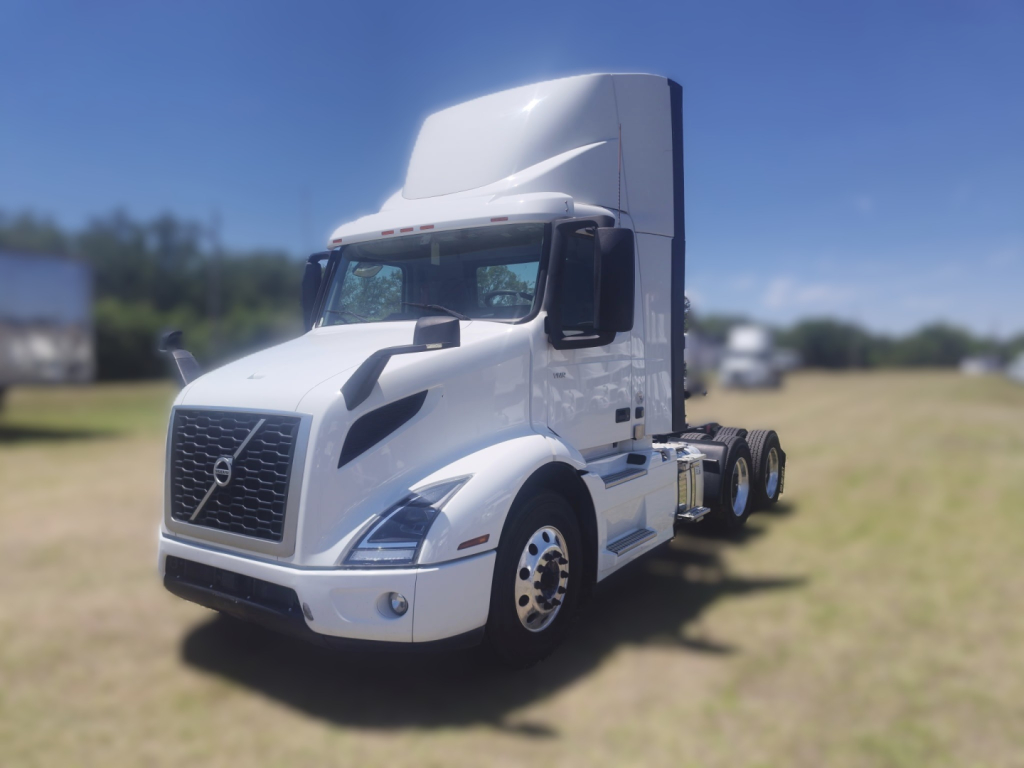
2022 Volvo VNR64T300
287,000 mi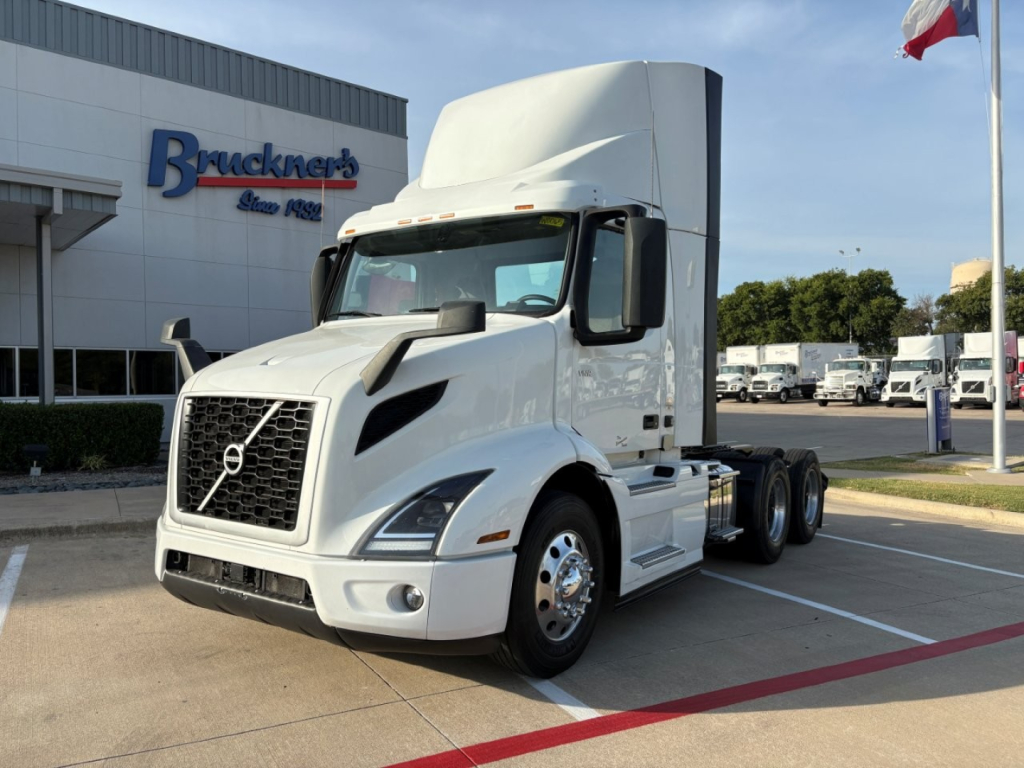
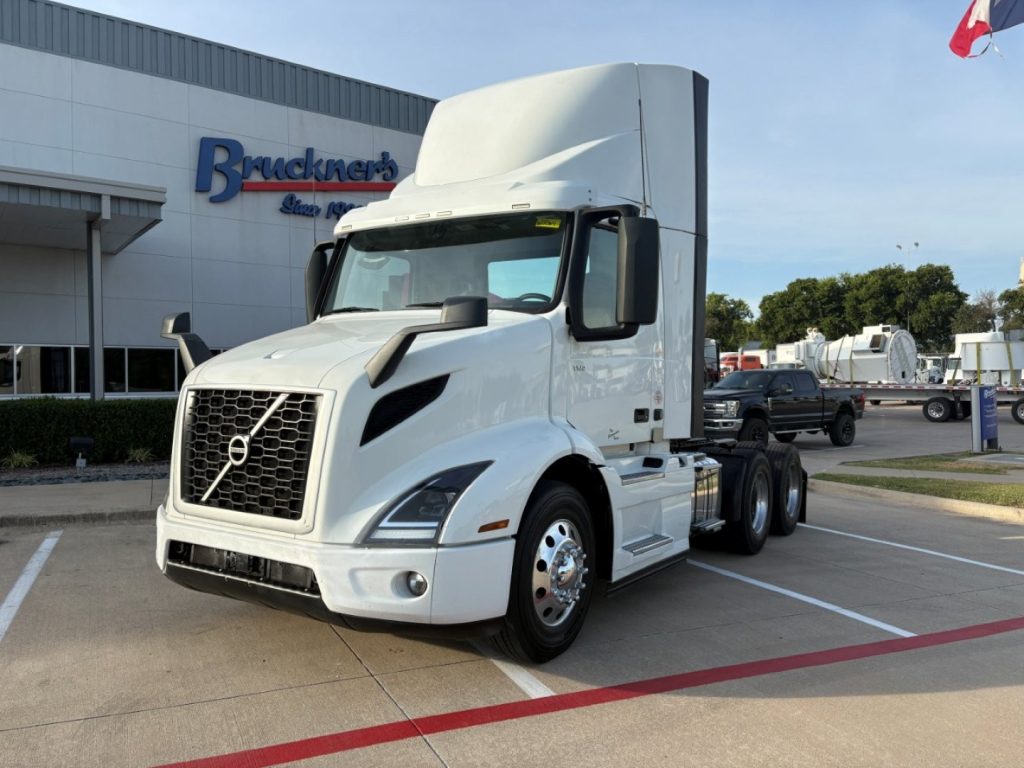
2022 Volvo VNR64T300
285,000 mi
2022 Volvo VNR64T300
390,000 mi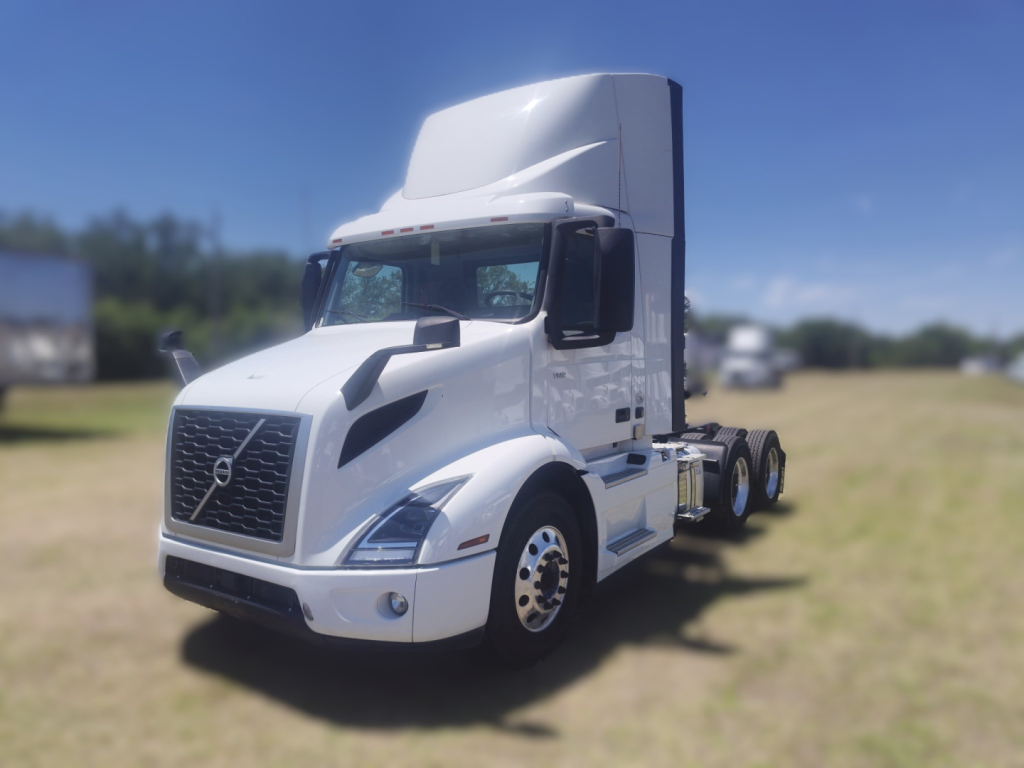
2022 Volvo VNR64T300
330,000 mi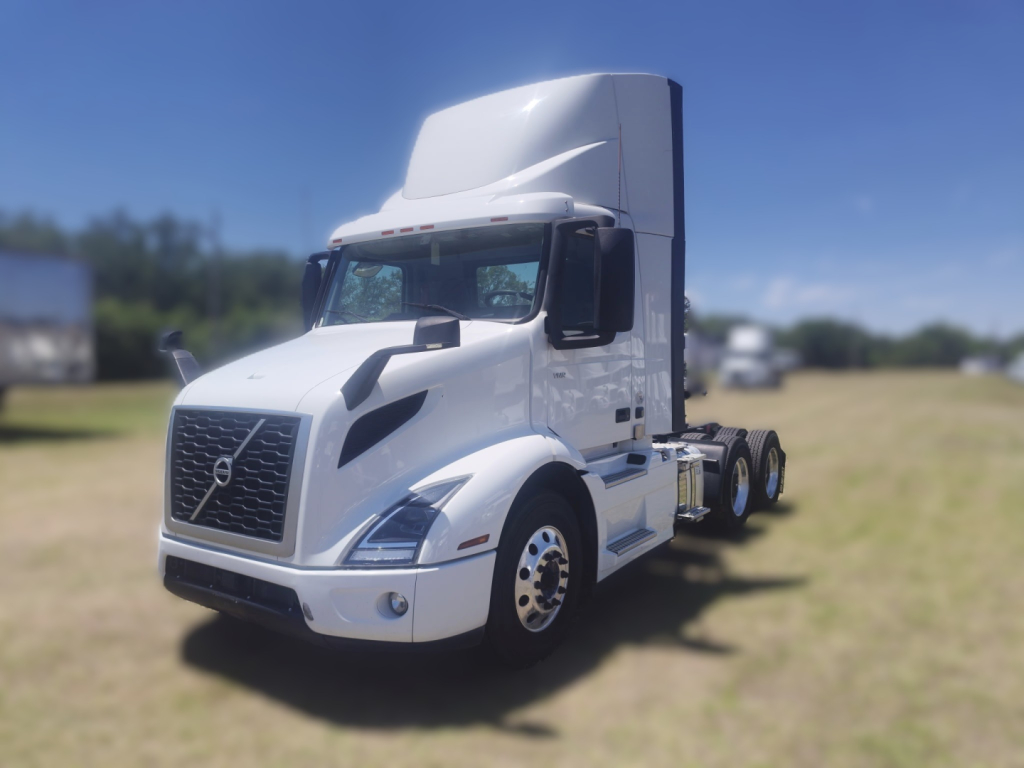

Have volvo conventional daycab truck to sell? List it here to reach thousands of buyers.
Volvo Conventional Daycab Trucks in Texas
The first spec decision is usually axle layout and wheelbase. Texas buyers will find both tandem axle and single axle with air tag configurations, often with wheelbases around 171 to 181 inches. A 40,000 lb tandem rear setup is the standard choice for general freight and heavier trailer work, while a lighter single drive axle with tag can make sense for weight-sensitive or specialized applications. Rear axle ratios such as 2.31, 2.47, 2.64, and 2.67 are common in this class, and they directly affect cruise rpm, launch feel, and fuel economy. Lower numerical ratios generally favor fuel mileage on faster regional routes, while a slightly deeper ratio can help in stop-and-go service, city work, or heavier gross combinations.
Powertrain spec matters because Volvo daycabs are often bought for duty-cycle efficiency, not just peak horsepower. The D13 is common in the 405 to 455 hp range and is well matched to a 12-speed I-Shift or I-Shift-based automated transmission. That combination is popular for regional freight because it delivers smooth shifting, strong engine brake performance, and predictable drivability across mixed terrain. Buyers should look closely at rear suspension type, brake spec, and fifth wheel setup. Air ride suspension is common and helps ride quality and trailer stability. An air-slide fifth wheel adds flexibility for trailer balance and bridge law adjustment. Disc brakes, low profile 22.5 tires, and aerodynamic equipment such as roof fairings, side fairings, and cab extenders are also common details that can make a difference in maintenance, driver acceptance, and fuel spend.
A used Volvo conventional daycab should be evaluated around service history, aftertreatment condition, transmission calibration, idle hours, and any signs of hard vocational use. On newer trucks, verify the exact engine family, emissions system coverage, and software update history. On any VNL or VNR daycab, measure the wheelbase against the intended trailer swing clearance, fifth wheel location, and state bridge requirements. Cab condition also matters more than many buyers expect. Daycabs see frequent entry and exit, so seat wear, steering wheel controls, HVAC performance, and door hardware can tell you a lot about how the truck was used. For fleets focused on retention and uptime, Volvo daycabs remain a practical choice because they combine a modern aerodynamic chassis with a proven automated drivetrain and a cab layout built for repetitive regional work.
Frequently Asked Questions about Volvo Conventional Daycab Trucks in Texas
What is the difference between a Volvo VNL 300 daycab and a Volvo VNR daycab?
The Volvo VNL 300 is typically associated with highway-oriented regional and over-the-road tractor design, while the VNR is aimed more at regional, urban, and maneuverability-focused applications. Both can be spec'd as conventional daycab trucks, but the VNR often appeals to fleets working tighter metro routes, distribution centers, and frequent turning environments. The VNL 300 remains a common choice when buyers want an aerodynamic daycab with a more traditional highway tractor feel.
What engine and transmission are most common in Volvo conventional daycab trucks?
The most common setup in this category is a Volvo D13 engine paired with a Volvo I-Shift automated manual transmission, often in a 12-speed configuration. Horsepower ratings commonly fall in the 405 to 455 hp range. This combination is popular because it balances fuel economy, driver ease, and performance for regional haul, short-haul, and dedicated freight operations. Some trucks may also use the D13TC variant for additional efficiency in linehaul-oriented daycab work.
What wheelbase is typical for a Volvo daycab tractor?
Many Volvo conventional daycab trucks fall in the 171 to 181 inch wheelbase range, though exact dimensions depend on axle layout, fifth wheel position, and intended trailer application. A shorter wheelbase generally improves maneuverability in city and yard environments, while a slightly longer wheelbase can improve ride quality and packaging for fuel tanks, fairings, and frame-mounted equipment. Buyers should match wheelbase to trailer gap, swing clearance, and bridge-law needs.
Are Volvo daycab trucks good for regional freight in Texas?
Yes. Volvo daycab tractors are well suited to Texas regional freight because they combine aerodynamic design, efficient powertrains, and driver comfort in a non-sleeper package. They work well on dedicated routes between major freight markets, port and rail drayage, private fleet distribution, and day routes where the driver returns home. Specs such as tandem 40,000 lb rears, air ride suspension, and highway-friendly rear axle ratios are especially common for this kind of service.
What should I check when buying a used Volvo conventional daycab?
Start with engine hours, maintenance records, aftertreatment service history, and transmission operation. Confirm the axle rating, rear ratio, and wheelbase match your trailers and lanes. Inspect the fifth wheel for wear, check suspension and brake components, and review tire condition for signs of alignment or scrub issues. In the cab, heavy wear on seats, switches, and entry points can indicate intensive local use. On emissions-era trucks, fault codes, regeneration history, and software status are critical parts of the evaluation.