
Volvo Conventional Daycab Trucks For Sale in Georgia

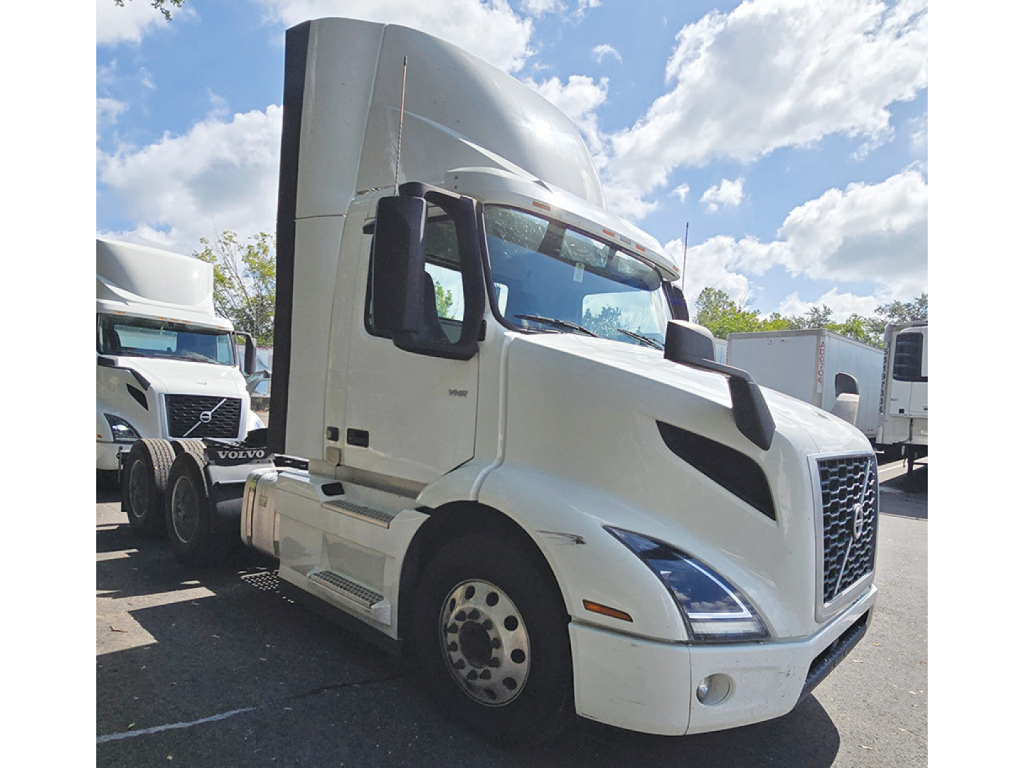
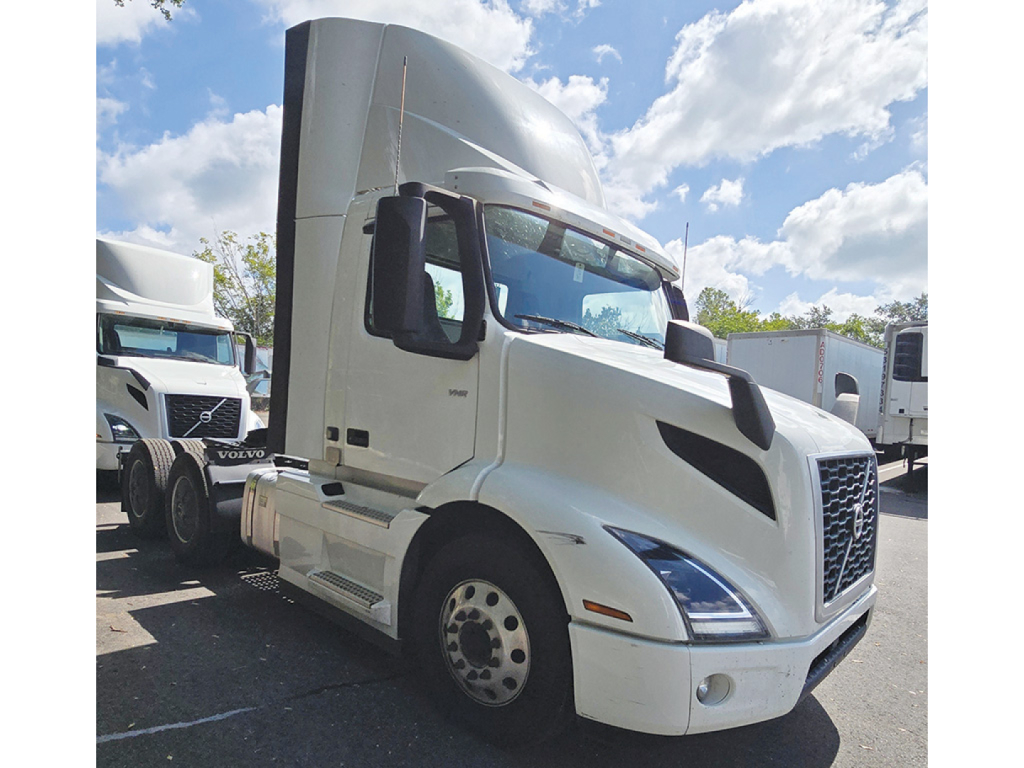
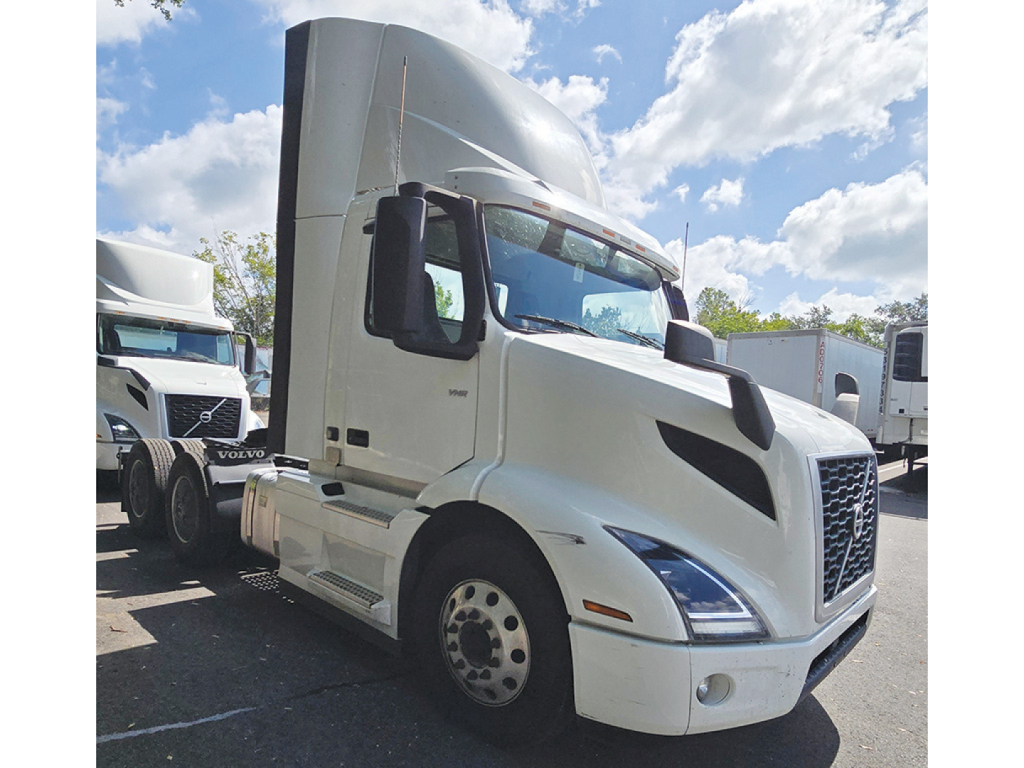
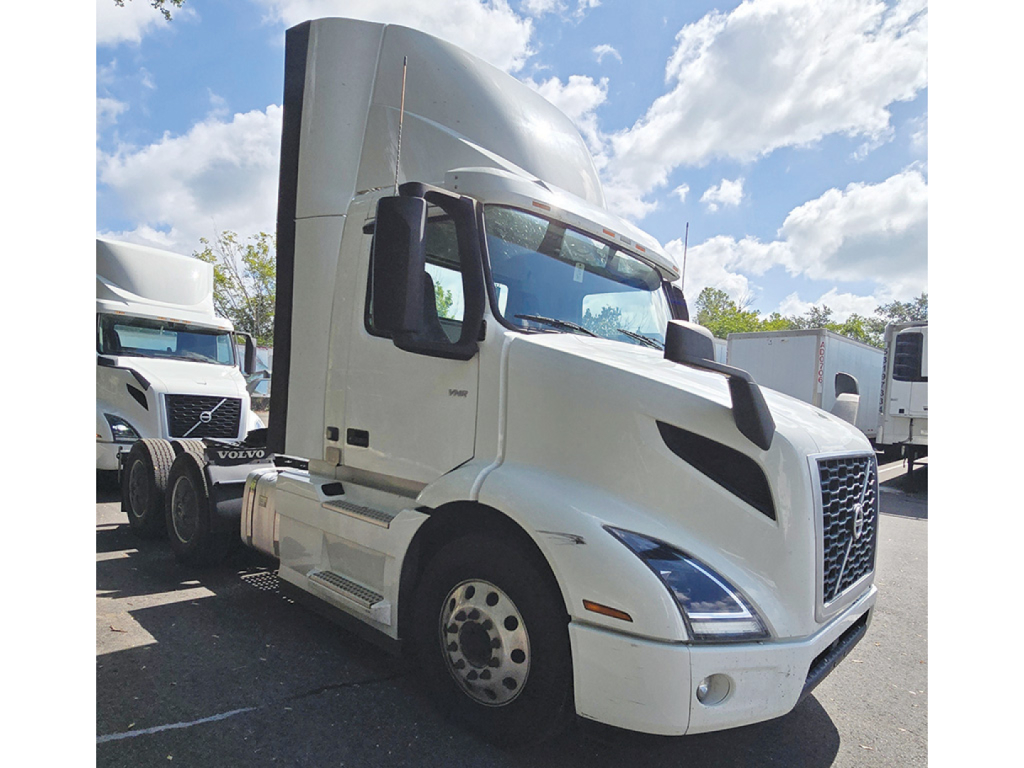
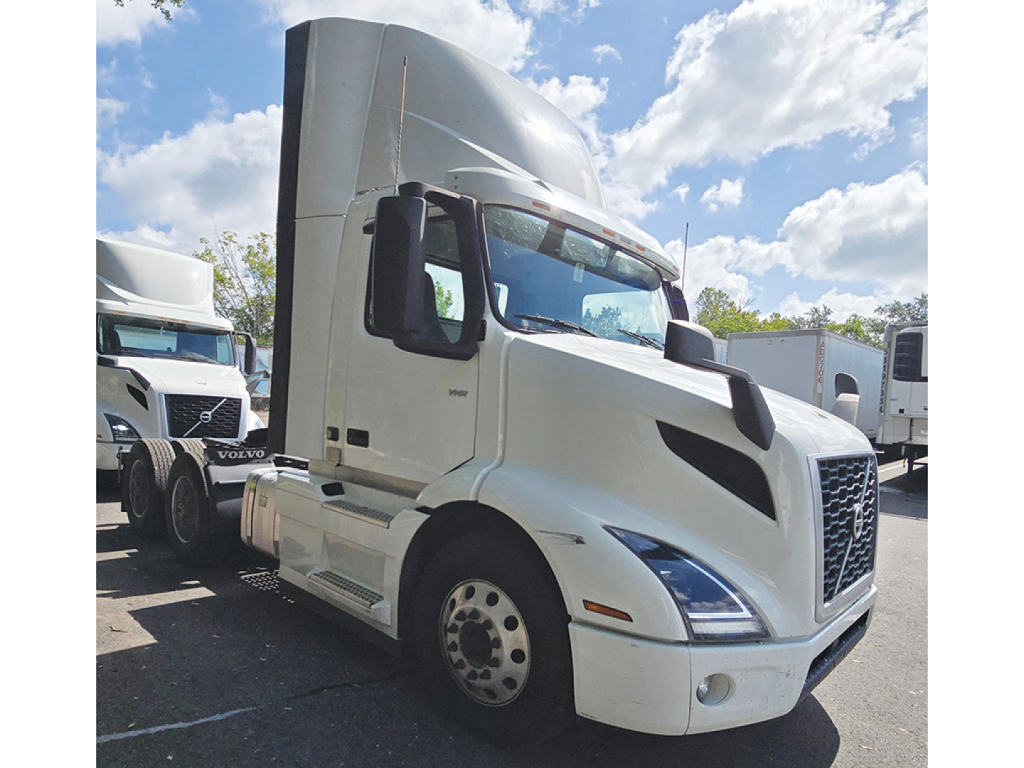
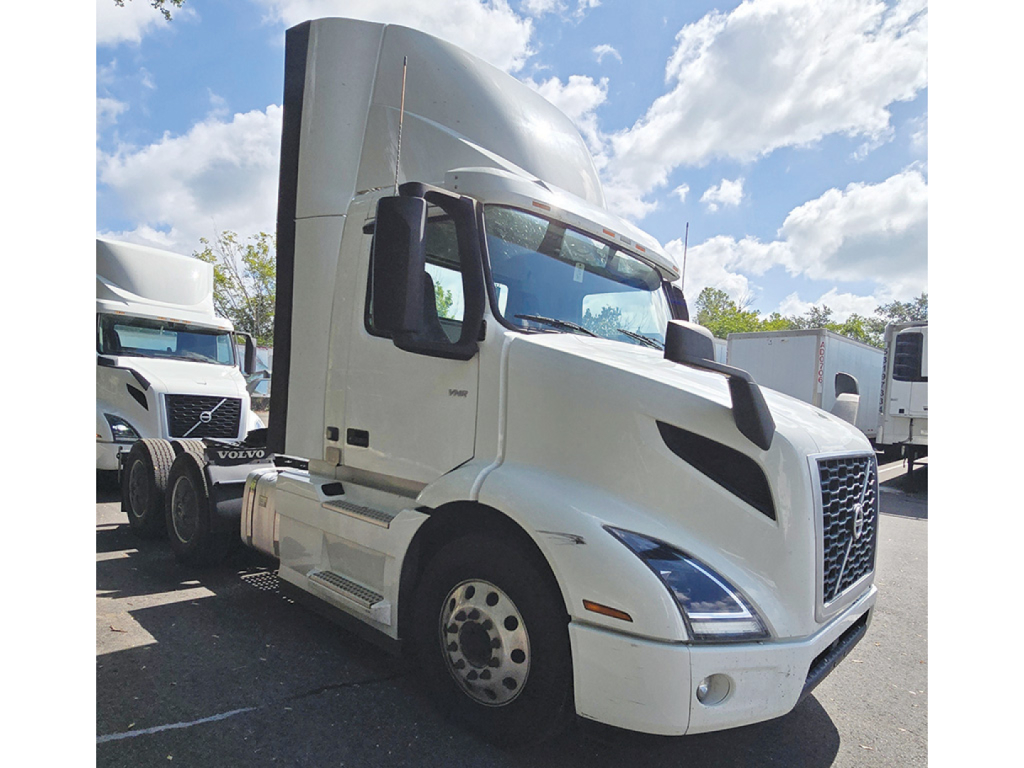
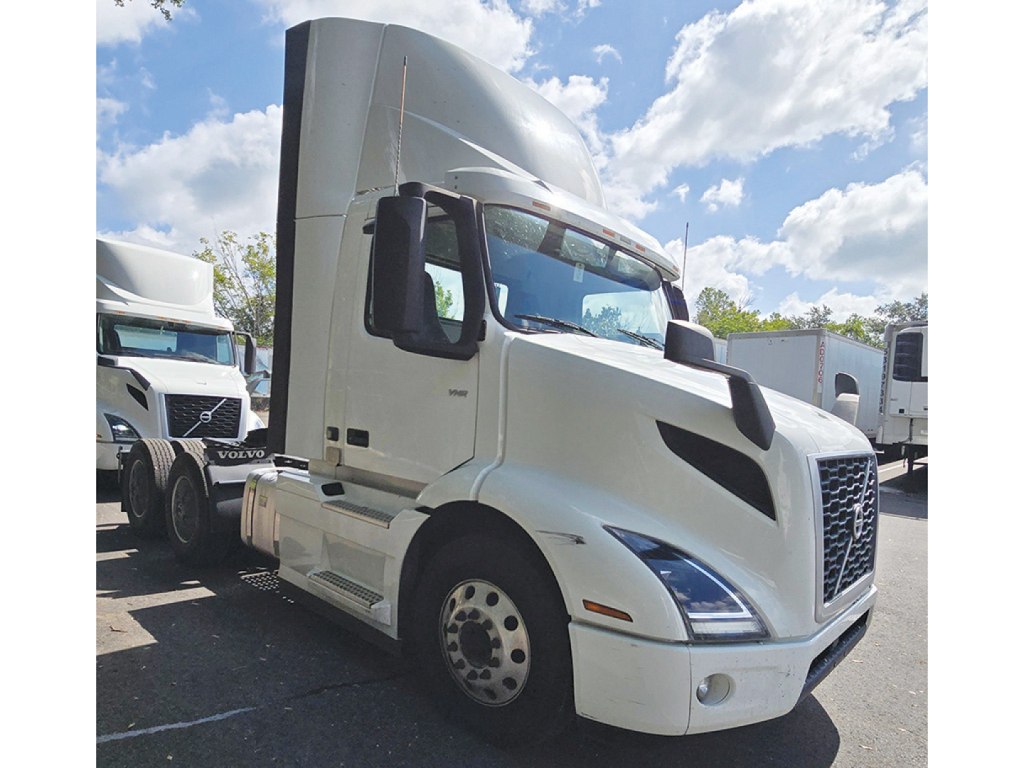
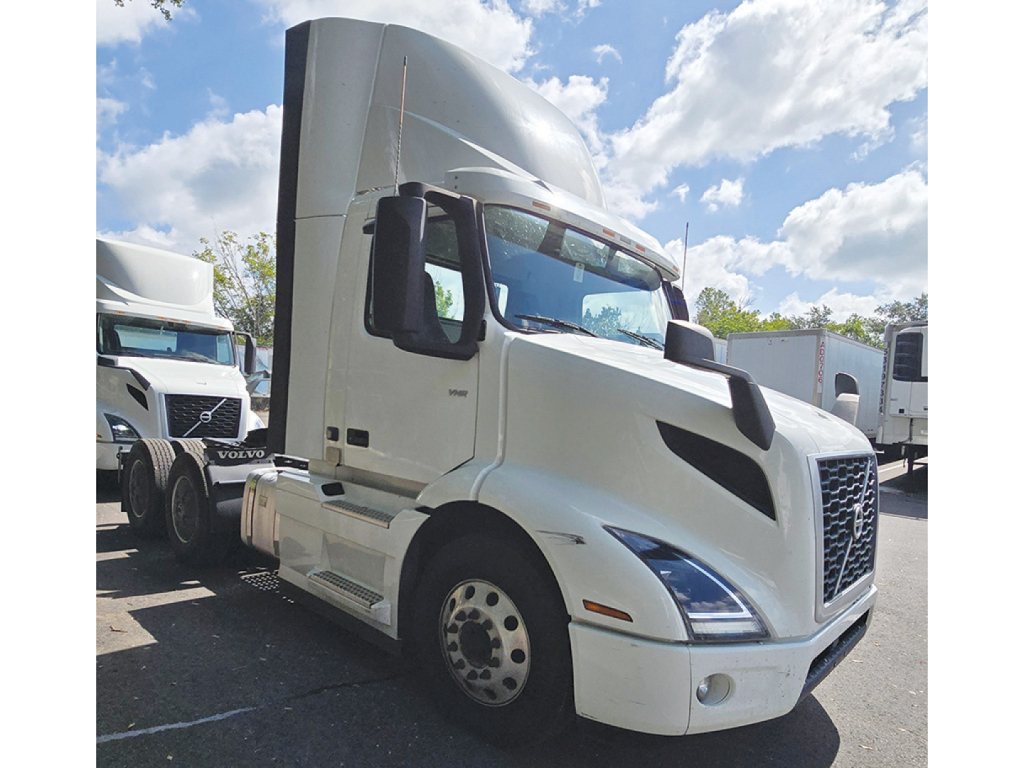
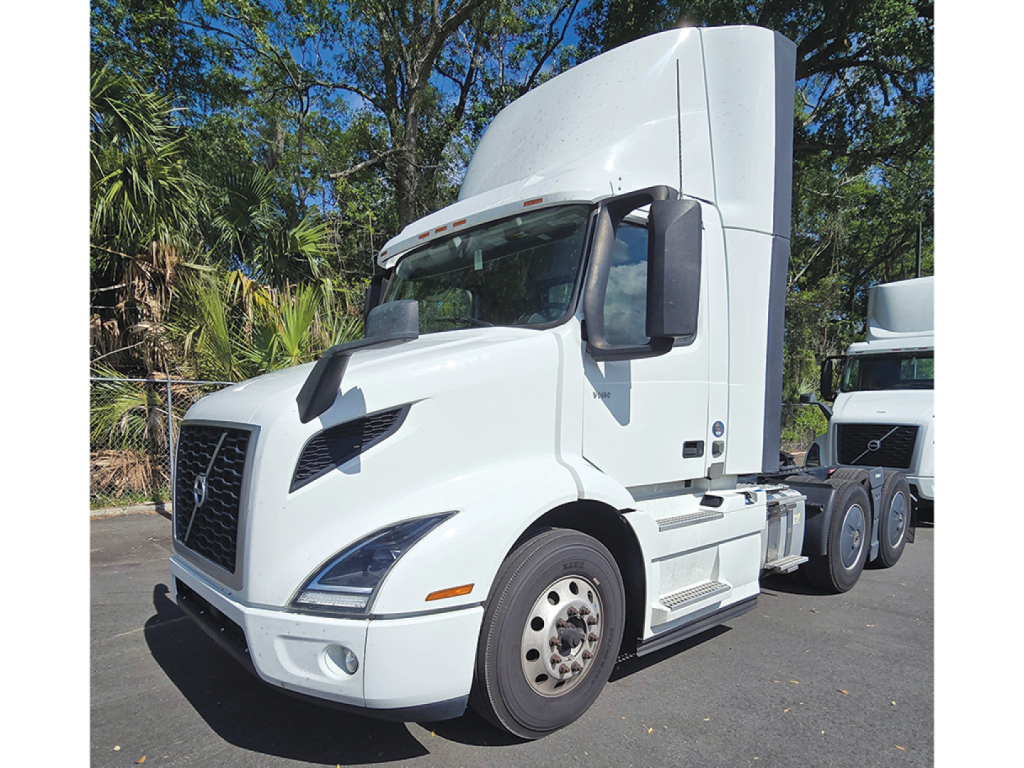
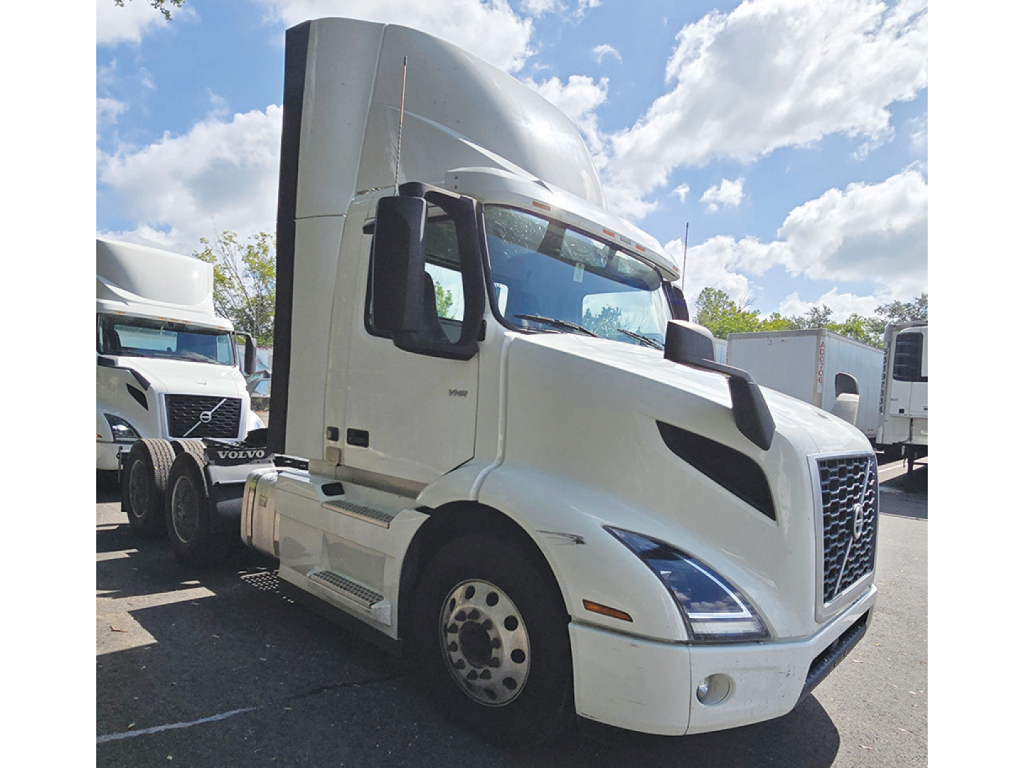
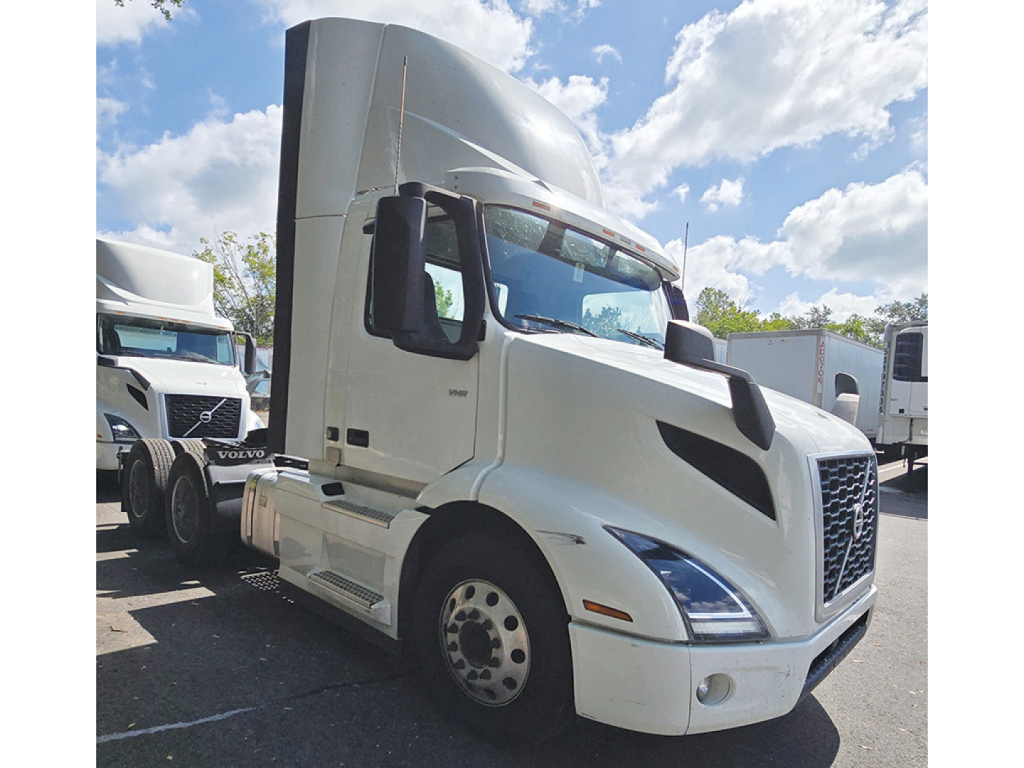
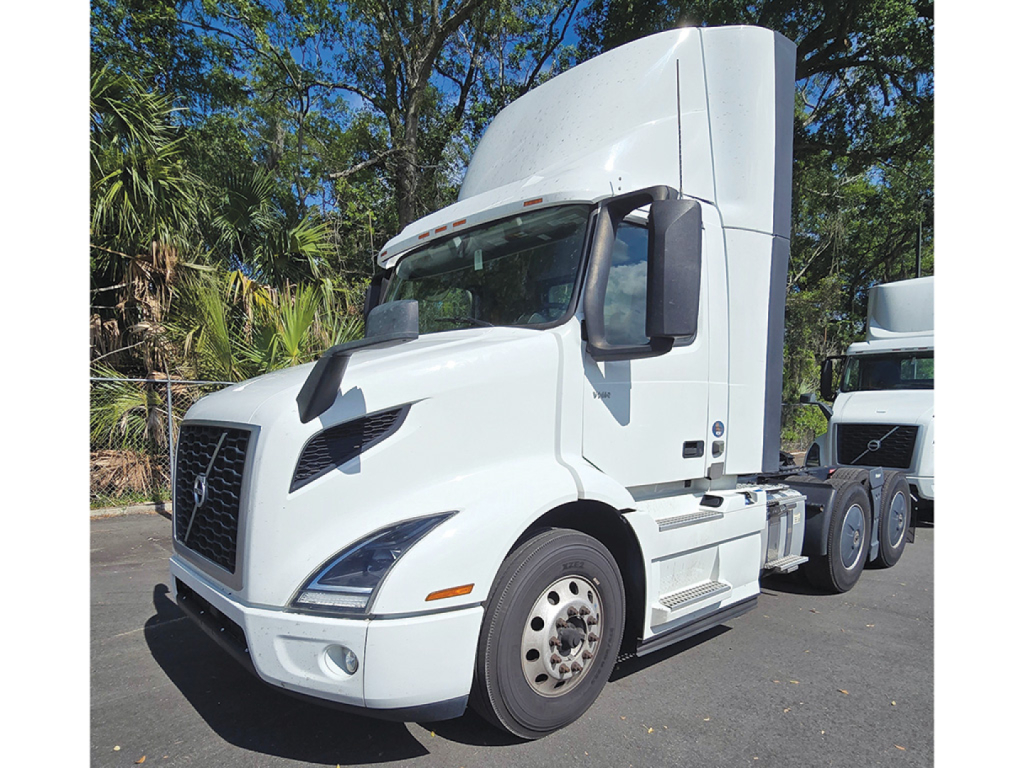
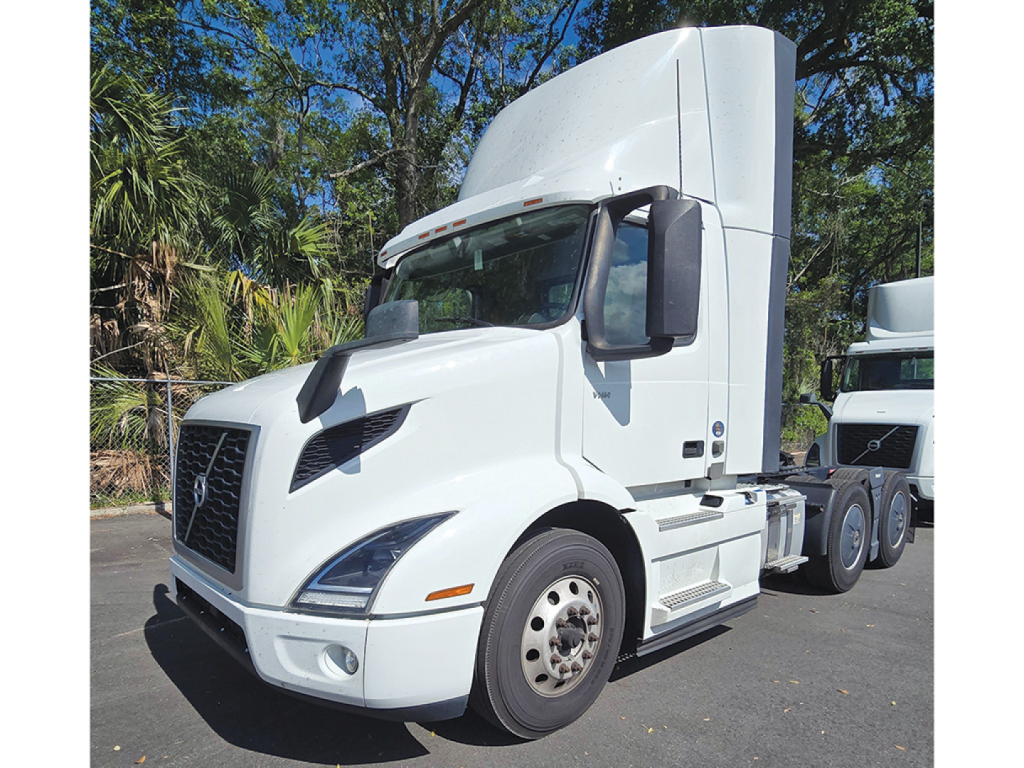
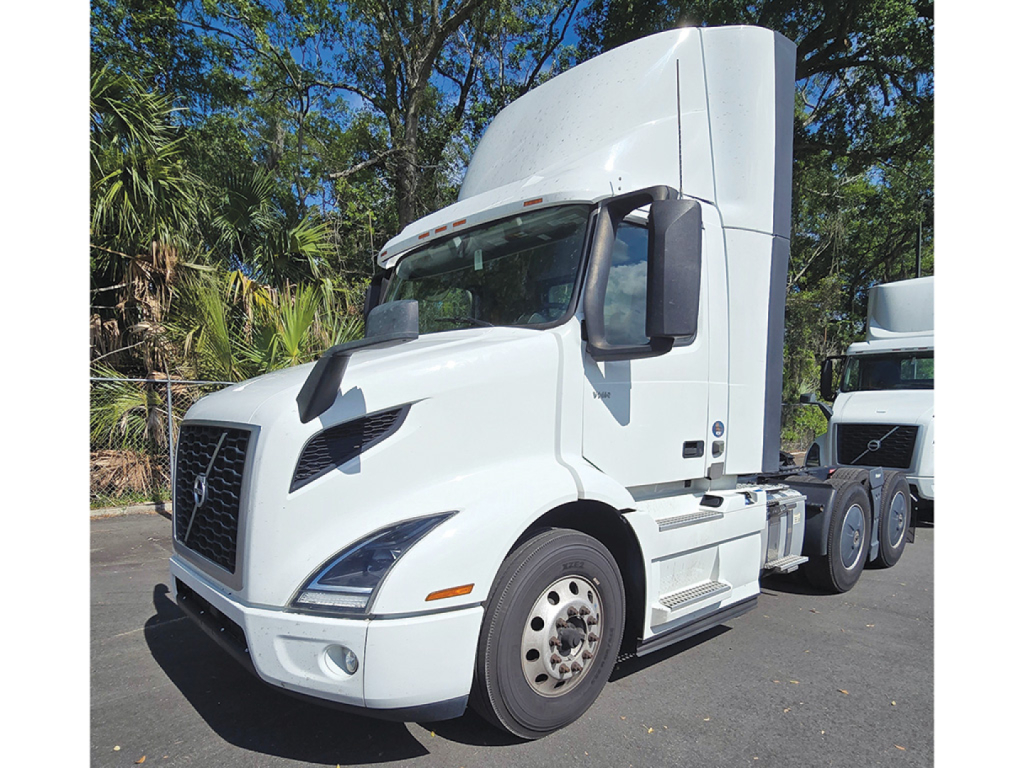
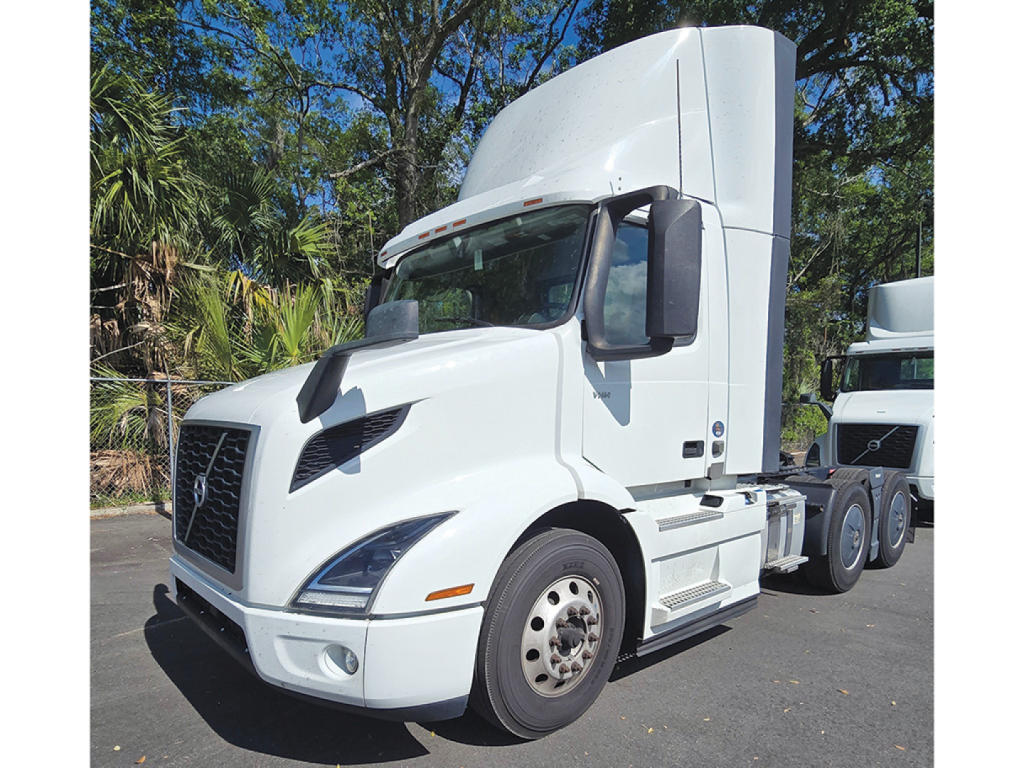
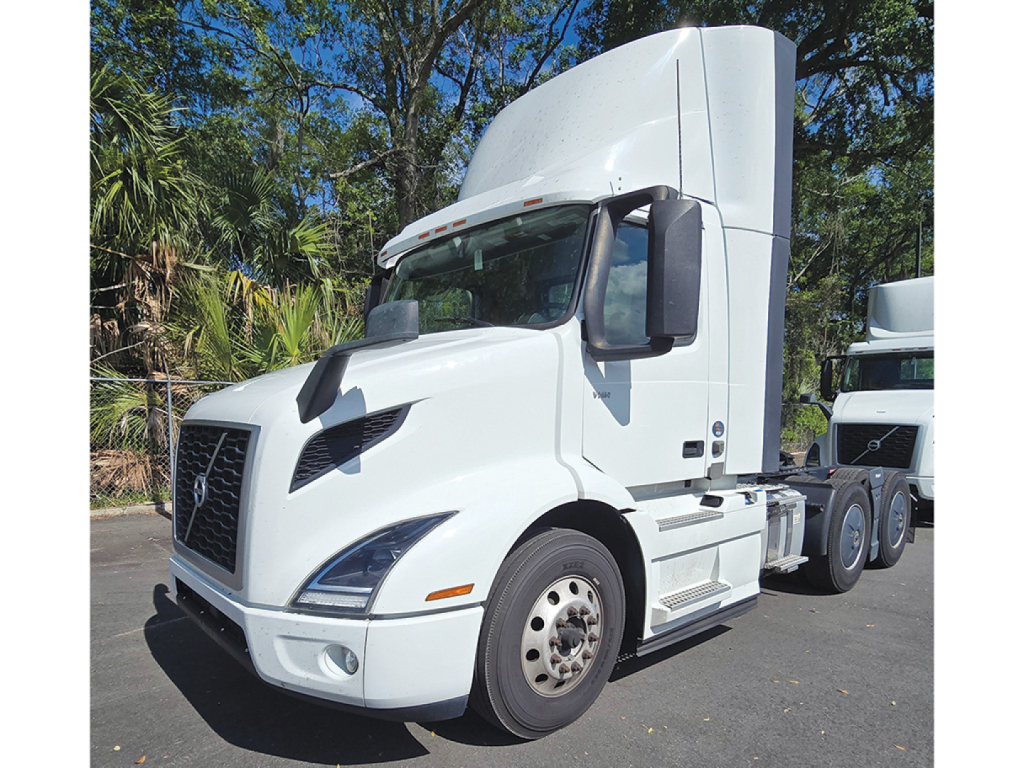
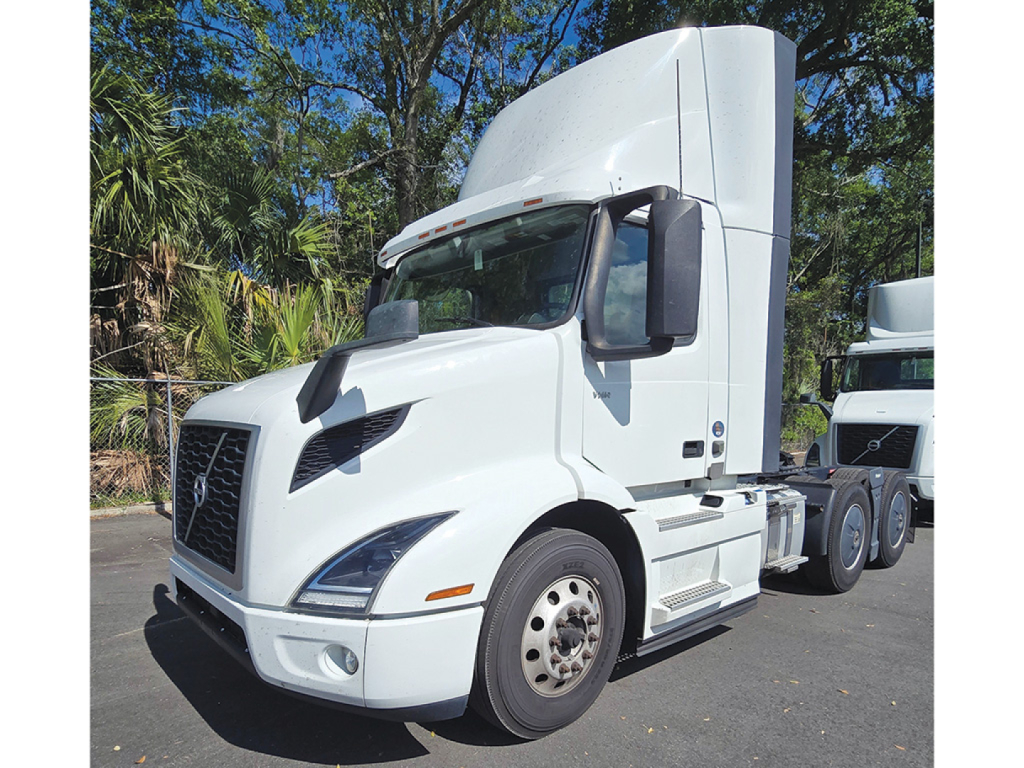
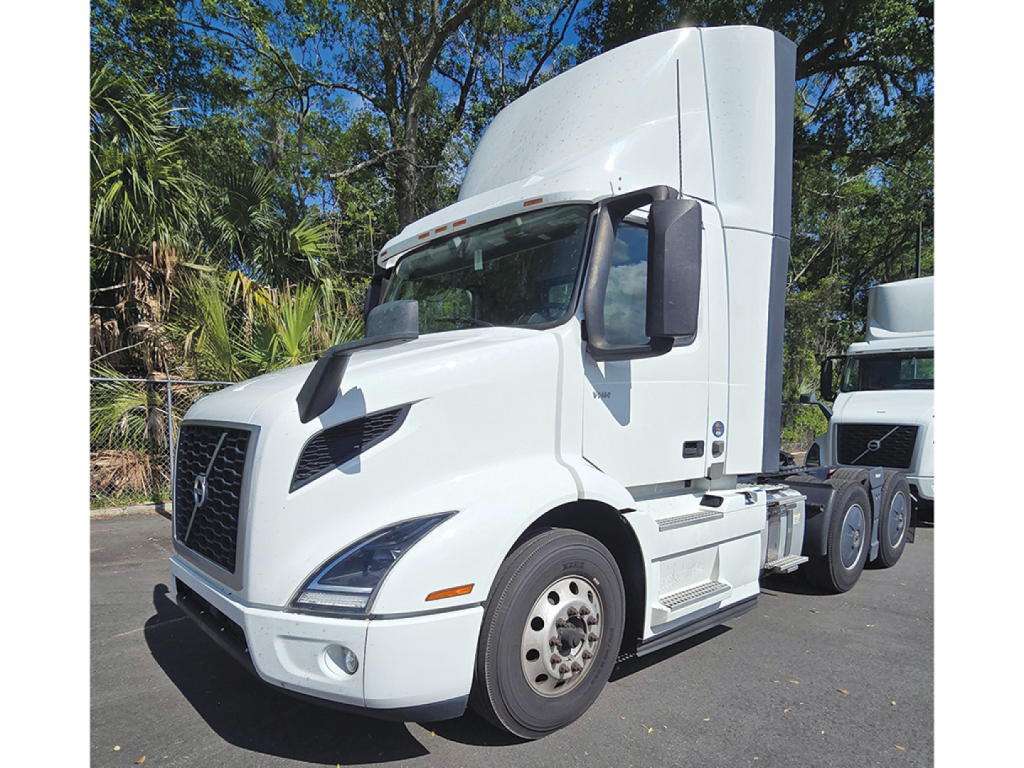
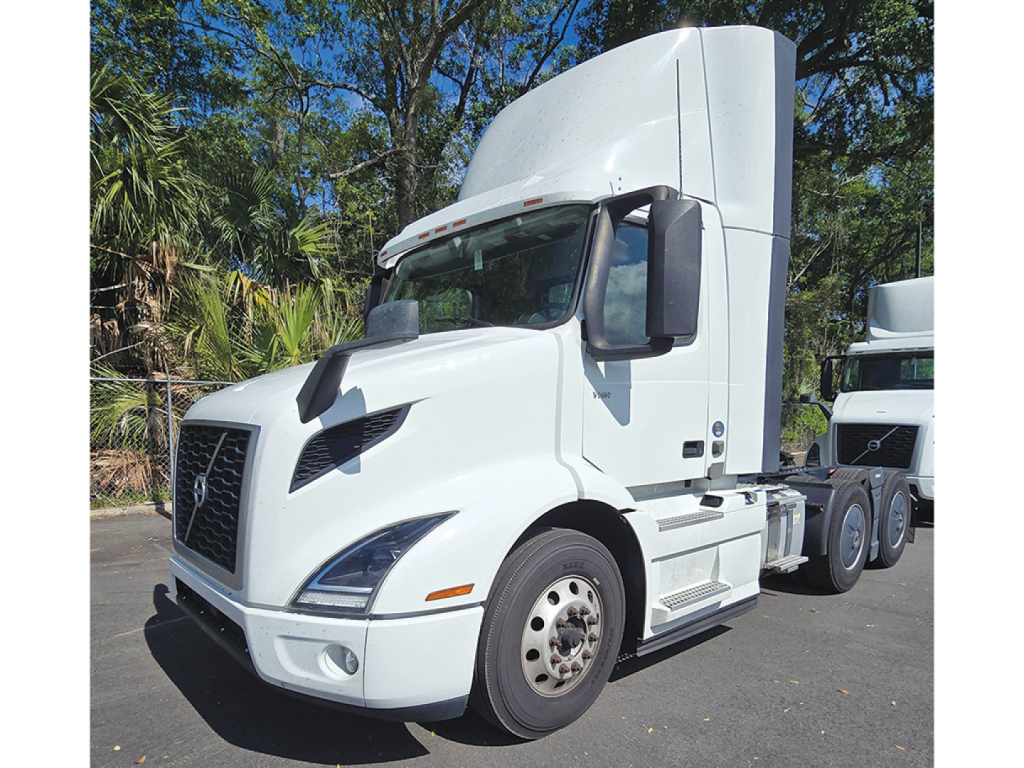
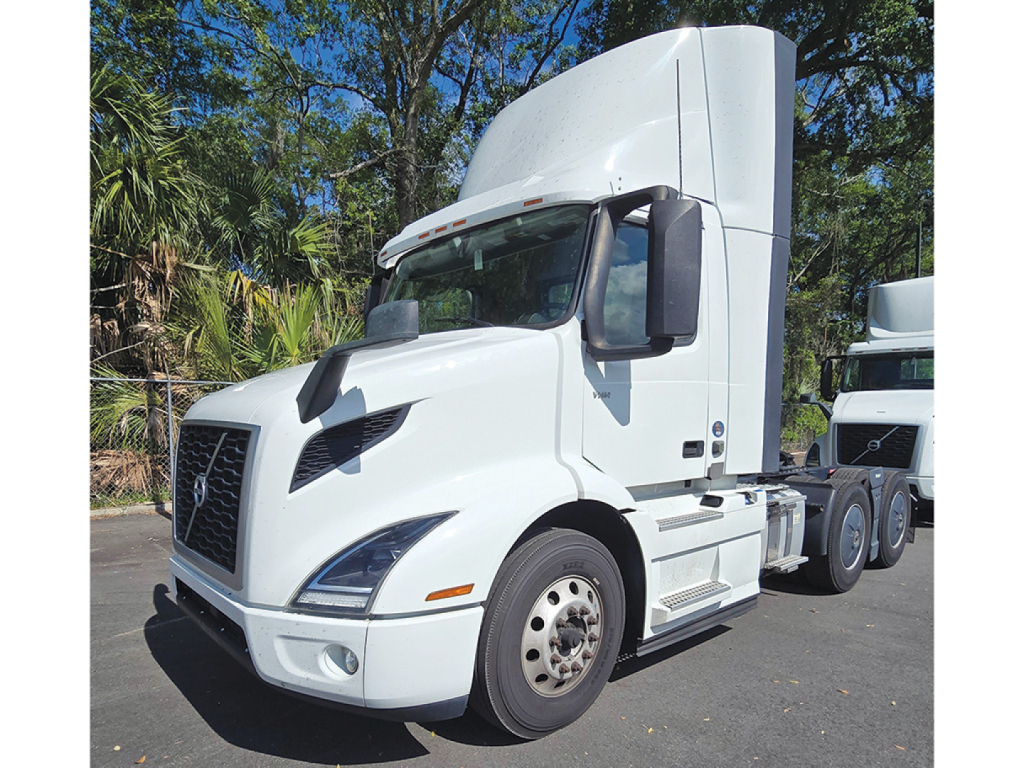
Showing 1 to 24 of 30 results
Have volvo conventional daycab truck to sell? List it here to reach thousands of buyers.
Volvo Conventional Daycab Trucks in Georgia
One of the first things buyers compare on a Volvo daycab is the powertrain. Many conventional Volvo daycabs are spec'd with the Volvo D13 in the 405 to 425 horsepower range, often paired with the Volvo I-Shift automated transmission. That combination is popular for fleets because it delivers consistent shift logic, good fuel economy, and easier driver onboarding than a manual transmission. Rear axle ratings around 40,000 pounds and ratios such as 2.64 or 2.79 are common on highway-oriented daycab specs. Lower ratios usually favor fuel mileage at cruising speed, while a slightly deeper ratio can help in stop-and-go service, heavier starts, or routes with more grade changes. Engine brakes, air ride suspension, and disc brakes are also common features that improve control, driver comfort, and service braking performance.
Wheelbase, fifth wheel setup, and aerodynamics matter more on a daycab than many buyers expect. A wheelbase around 170 to 180 inches is a versatile regional spec that can balance trailer swing clearance, bridge law considerations, and turning radius. An air slide or adjustable fifth wheel adds flexibility if the truck may pull different trailer lengths or needs kingpin setting adjustment across a mixed fleet. Roof fairings, side fairings, cab extenders, and quarter fenders are typical on aerodynamic Volvo daycabs and can make a real difference in fuel burn on repeated interstate runs. Dual aluminum fuel tanks, low-profile 22.5 tires, and aluminum wheels are also common fleet choices because they support range, reduce weight, and simplify standardization.
Cab layout and service history should carry real weight in the buying decision. Volvo daycabs are known for a driver-friendly interior, good visibility, and ergonomic controls, which matters on routes with frequent stops and multiple daily trailers. Buyers should still verify axle ratio, suspension spec, brake type, wheelbase, and whether the truck has a fixed, adjustable, or air slide fifth wheel, because those details determine how well the truck fits the intended application. For Georgia operations, it also makes sense to evaluate cooling system condition, A/C performance, and emissions system maintenance, especially on trucks working in heat, congestion, and extended idle conditions. A well-matched Volvo conventional daycab can be a very efficient tool for regional freight, but the right spec is what separates a good truck from a truck that fits your lane, trailer mix, and operating cost targets.
Frequently Asked Questions about Volvo Conventional Daycab Trucks in Georgia
What is a Volvo conventional daycab truck best used for?
A Volvo conventional daycab is best suited for regional hauling, local delivery, drayage, dedicated contract freight, and distribution work that does not require overnight sleeper accommodations. The daycab layout reduces overall weight and length while improving maneuverability in tight yards, urban terminals, and customer docks. Models such as the Volvo VNR 300 are often used in van, reefer, container, and some flatbed applications where drivers return to a home base or terminal at the end of the shift.
What engine and transmission are common in Volvo daycab trucks?
A common spec in late-model Volvo conventional daycabs is the Volvo D13 engine paired with the Volvo I-Shift automated manual transmission. Horsepower ratings often fall in the low-400 range, which is enough for regional highway work and many heavier gross combinations. The I-Shift is widely chosen because it improves shift consistency, reduces driver fatigue, and helps fleets standardize operation across multiple drivers with different experience levels.
How important is axle ratio on a Volvo VNR daycab?
Axle ratio has a direct effect on launch performance, cruise RPM, and fuel economy. Ratios like 2.64 are common in fuel-conscious regional specs and work well on flatter lanes with steady highway speeds. Ratios like 2.79 can provide a little more pulling advantage in stop-and-go service, heavier loads, or routes with more terrain. The correct ratio depends on trailer type, average gross weight, route speed, and how often the truck starts from a dead stop.
What should I check when comparing used Volvo conventional daycabs?
Focus on the items that affect application fit and maintenance cost. Confirm engine model, horsepower, transmission type, axle rating, axle ratio, wheelbase, suspension, brake spec, and fifth wheel configuration. Review service records for emissions components, transmission calibration history, brake work, and cooling system maintenance. Tire size, fairing package, fuel tank capacity, and cab condition also matter because they influence operating cost, driver acceptance, and compatibility with your trailers and lanes.
Are Volvo daycabs a good choice for Georgia freight operations?
Volvo daycabs are a strong fit for many Georgia operations because they balance highway efficiency with urban maneuverability. That matters for freight moving through Atlanta traffic, warehouse networks, and port-related lanes tied to Savannah. Buyers in Georgia should pay close attention to A/C performance, cooling system health, and idle-related wear, since heat, congestion, and frequent stop-and-go operation can expose weak points faster than lighter-duty environments.