
Used 2017 Trucks For Sale
Expert insight on used 2017 trucks, covering powertrains, emissions, floor strength, thermal integrity, tare weight, and corrosion resistance.
Learn moreTop Categories
Top Makes
By State
98 Listings
Showing 61 to 72 of 98 results
Have used 2017 truck to sell? List it here to reach thousands of buyers.
About Used 2017 Trucks
Used 2017 trucks sit at a strong balance point of fuel economy, reliability, and cost per mile. Emissions hardware had matured, with DPF, DEF, and SCR systems proving much more stable than early generations, and AMTs like Eaton UltraShift Plus, Detroit DT12, and Volvo I Shift were widely adopted to protect clutches and keep engines in the sweet spot. Popular engines such as Cummins ISX15 and early X15, PACCAR MX 13, Detroit DD13 or DD15, and Volvo D13 perform well when paired with downsped rear axle ratios and low rolling resistance tires. Tare weight is competitive in this year group, and weight saving options like aluminum wheels, disc brakes, and 6x2 drivetrains are common, though 6x2 traction and tire wear trade offs should be evaluated against the duty cycle.
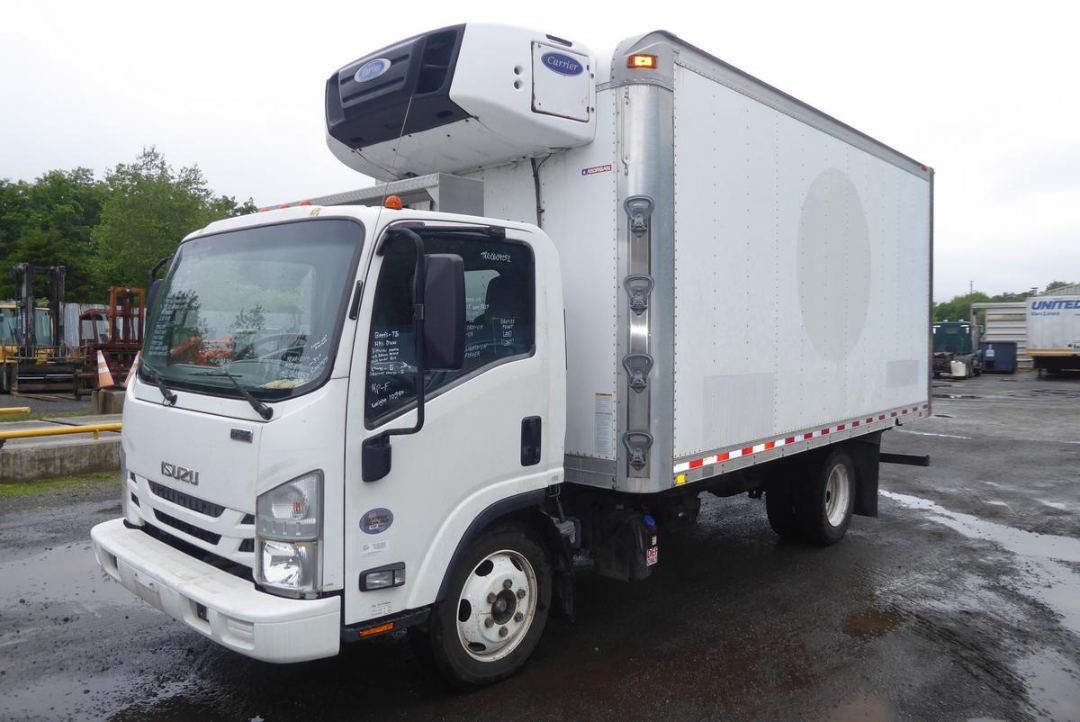
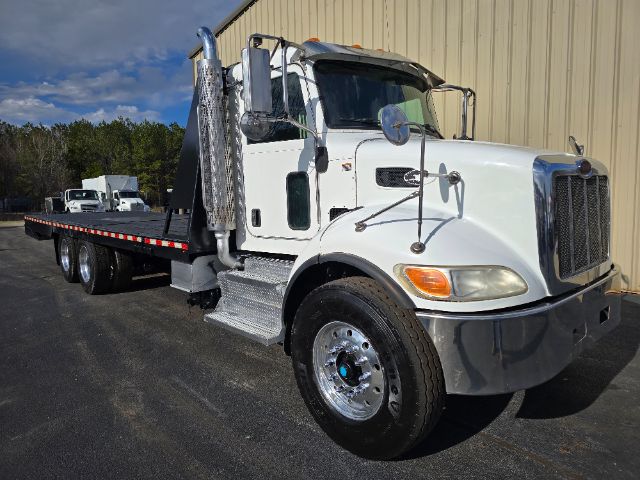
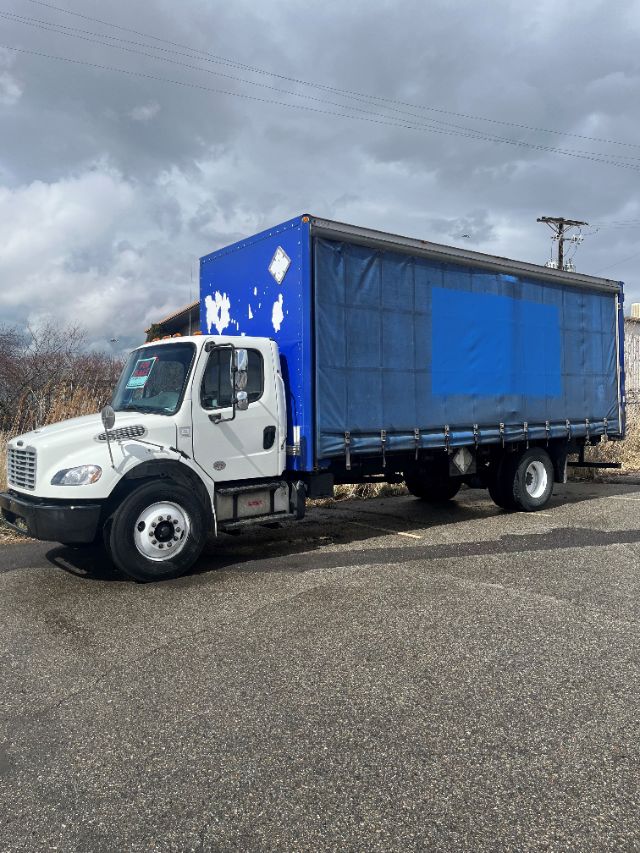
For straight trucks with dry van or reefer bodies, floor strength directly drives uptime and resale. Forklift rated laminated hardwood or composite floors with dense crossmember spacing in high duty applications resist point loading and racking, and aluminum or steel threshold plates prevent deck edge crush at the rear door. Scuff liners, logistics posts, and wearbands protect sidewalls so the floor carries edge loads instead of the wall, and sealed rear sills limit water intrusion that can swell boards and loosen fasteners. On vocational builds, heavy deck plating, cross sills, and proper body mounts prevent frame and subframe twist from telegraphing damage into the floor.
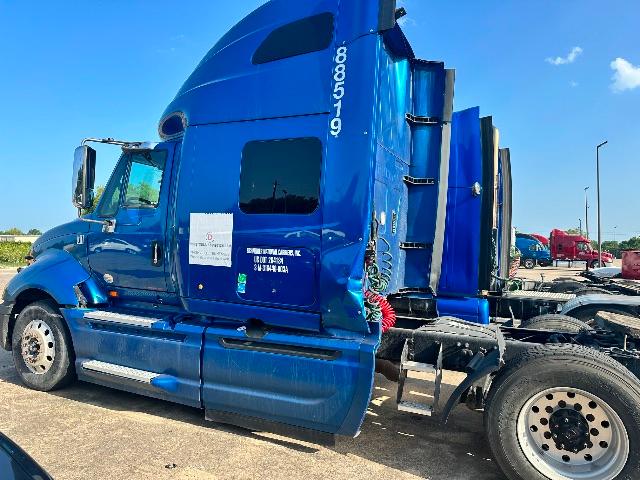
Thermal integrity shows up in both cargo and cab. Insulated reefer boxes using foam in place panels, tight door gaskets, and thermal break hardware hold setpoint longer, reduce unit run time, and protect product, so inspect for sound seams, hinges, and seals that prevent thermal bridging. Sleeper tractors benefit from robust cab insulation, well sealing doors, and idle reduction systems like battery HVAC or diesel APUs that reduce idle burn and keep drivers comfortable. A tight sleeper envelope lowers HVAC cycling, eases alternator and compressor workload, and preserves batteries, which matters for overnighting in extreme climates.
Corrosion resistance on 2017 chassis improved with broader use of e coated frames, aluminum or composite cabs and hoods, stainless hardware, sealed wiring connectors, and powder coated brackets and air tanks. These details pay off on salted roads, where untreated crossmembers, spring hangers, and battery boxes suffer, and well protected trucks keep tare weight steady by avoiding heavy repairs. Air disc brakes appear more frequently in this year, offering shorter stops and fade resistance with simpler automatic adjustment, though pad and rotor costs are higher than S cam service kits. Many units carry collision mitigation like Bendix Wingman, Detroit Assurance, or Volvo Active Driver Assist for added safety value. Before purchase, verify aftertreatment health with DPF ash load history, cleaning intervals, DEF quality and doser activity, and NOx sensor records, then match rear axle ratio, tire size, and transmission to cruise speed so the engine runs in its efficient torque band while preserving payload and fuel economy.
For straight trucks with dry van or reefer bodies, floor strength directly drives uptime and resale. Forklift rated laminated hardwood or composite floors with dense crossmember spacing in high duty applications resist point loading and racking, and aluminum or steel threshold plates prevent deck edge crush at the rear door. Scuff liners, logistics posts, and wearbands protect sidewalls so the floor carries edge loads instead of the wall, and sealed rear sills limit water intrusion that can swell boards and loosen fasteners. On vocational builds, heavy deck plating, cross sills, and proper body mounts prevent frame and subframe twist from telegraphing damage into the floor.
Thermal integrity shows up in both cargo and cab. Insulated reefer boxes using foam in place panels, tight door gaskets, and thermal break hardware hold setpoint longer, reduce unit run time, and protect product, so inspect for sound seams, hinges, and seals that prevent thermal bridging. Sleeper tractors benefit from robust cab insulation, well sealing doors, and idle reduction systems like battery HVAC or diesel APUs that reduce idle burn and keep drivers comfortable. A tight sleeper envelope lowers HVAC cycling, eases alternator and compressor workload, and preserves batteries, which matters for overnighting in extreme climates.
Corrosion resistance on 2017 chassis improved with broader use of e coated frames, aluminum or composite cabs and hoods, stainless hardware, sealed wiring connectors, and powder coated brackets and air tanks. These details pay off on salted roads, where untreated crossmembers, spring hangers, and battery boxes suffer, and well protected trucks keep tare weight steady by avoiding heavy repairs. Air disc brakes appear more frequently in this year, offering shorter stops and fade resistance with simpler automatic adjustment, though pad and rotor costs are higher than S cam service kits. Many units carry collision mitigation like Bendix Wingman, Detroit Assurance, or Volvo Active Driver Assist for added safety value. Before purchase, verify aftertreatment health with DPF ash load history, cleaning intervals, DEF quality and doser activity, and NOx sensor records, then match rear axle ratio, tire size, and transmission to cruise speed so the engine runs in its efficient torque band while preserving payload and fuel economy.