
Used 2017 Landscape Trucks For Sale
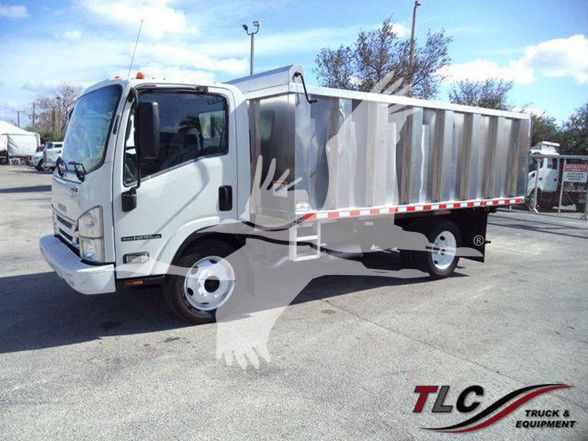
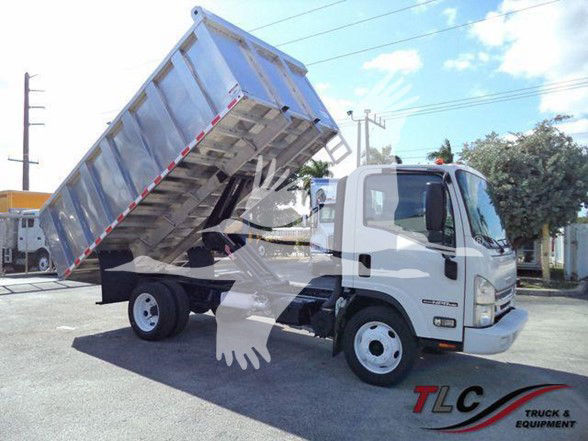
Shop used 2017 landscape trucks, including dump-style bodies built for mulch, debris, brush, and crew hauling with practical commercial specs.
Learn more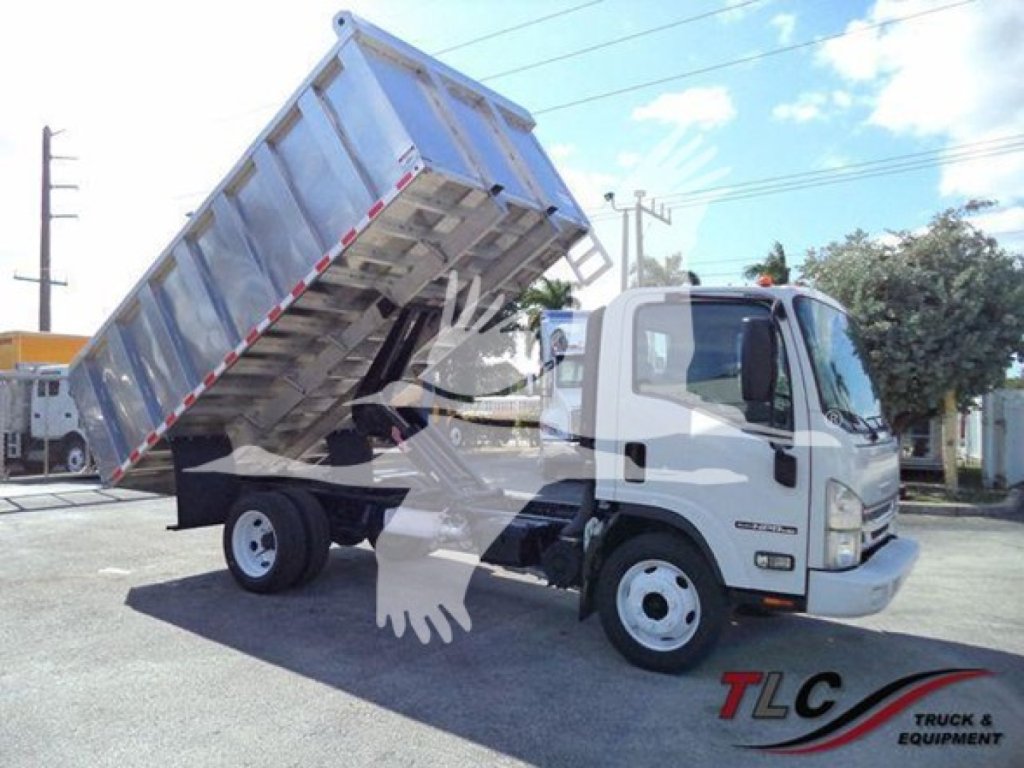
Have used 2017 landscape truck to sell? List it here to reach thousands of buyers.
About Used 2017 Landscape Trucks
The first decision is usually chassis size and GVWR. Many 2017 landscape trucks fall into Class 4 through Class 6, often on platforms like an Isuzu NPR HD, International Durastar, or Freightliner M2. Common GVWR ranges include 14,500 lb on lighter cabover units and roughly 25,950 to 26,000 lb on medium-duty conventionals. That difference matters. A lighter cabover is easier to route through tight neighborhoods, fits landscaping crews well, and often works best for mulch, clippings, and small equipment. A heavier 26,000 GVWR truck gives more body capacity and tougher underpinnings for brush, storm cleanup, and mixed debris, while staying under CDL thresholds in many configurations if operated within applicable rules.
Body construction and dump gear deserve close attention on a used 2017 unit. Aluminum landscape bodies help preserve payload and resist corrosion, while steel bodies tend to hold up well in rough debris service and hard loader contact. Typical body lengths run from 14 to 18 feet, with side heights around 48 to 54 inches to maximize cubic capacity. Buyers should inspect the hoist type, scissor lift or underbody, PTO engagement, hinge points, floor condition, sidewall straightness, rear door latching, and tarp operation. A landscape truck often lives a harder life than the odometer suggests, so wear in the body and hydraulic system can tell you more than engine hours alone.
Powertrain and operating spec still matter because these trucks spend as much time stopping, backing, and idling as they do cruising. Many 2017 trucks in this category use diesel engines paired with automatic transmissions, though gas-powered examples also exist. Air brakes, air ride suspension, 22.5-inch wheels, and frame-mounted hitches with electric brake wiring are common on larger setups. Buyers comparing listings should think beyond the engine badge and focus on the full package: wheelbase, turning radius, body length, side height, door configuration, hitch rating, and actual use history. For landscape contractors, nurseries, tree services, and municipal cleanup work, the right used 2017 landscape truck is the one that matches route density, material type, dump frequency, and towing needs without carrying more truck than the job requires.
Frequently Asked Questions
What is a landscape truck typically used for?
A landscape truck is usually a dump-style work truck designed for hauling light but bulky material such as mulch, leaves, brush, grass clippings, compost, and general site debris. Many also tow small trailers loaded with mowers, skid steers, or compact equipment. High sidewalls and wide-opening rear doors make them more practical for landscaping and cleanup work than a standard flatbed or low-side dump body.
What should I check first on a used 2017 landscape truck?
Start with the body and hydraulic system, because that is where many landscape trucks show the hardest wear. Inspect the dump hoist, PTO operation, floor rust or cracking, rear door hinges and latches, tarp, side panels, and any signs of frame stress around the body mounts. After that, review the chassis condition, brake type, tire size, suspension, service records, and whether the truck's GVWR and hitch setup match the work you plan to do.
Is aluminum or steel better for a landscape dump body?
Aluminum bodies are popular when payload and corrosion resistance matter most, especially for mulch, yard waste, and general landscape debris. Steel bodies are often preferred for harder service because they usually tolerate rough loading and impact better. The better choice depends on material type, climate, and how aggressively the truck is used. On a used unit, actual condition matters more than material alone.
Do I need a CDL for a 2017 landscape truck?
Not always. Many landscape trucks are spec'd at 25,950 or 26,000 GVWR specifically to fit certain non-CDL operating needs, but CDL requirements depend on the truck's registered weight, actual GVWR, trailer weight, combined rating, and state and federal rules. If the truck tows equipment trailers, combined weight can change the licensing picture quickly, so buyers should confirm compliance before purchase.
What body size is common on a used landscape truck?
Common body lengths are about 14 to 18 feet, usually paired with side heights in the 48- to 54-inch range. Shorter bodies on cabover chassis are easier to maneuver in urban and residential work, while longer bodies on medium-duty conventional chassis carry more volume and often suit debris removal, tree work, and municipal cleanup. The right size depends on how often the truck dumps, the density of the material, and whether towing is part of daily operation.