
Used 2017 Landscape Trucks For Sale in Florida
Browse used 2017 landscape trucks in Florida. Compare dump body sizes, side heights, hoists, GVWR, and chassis options for crew use.
Learn more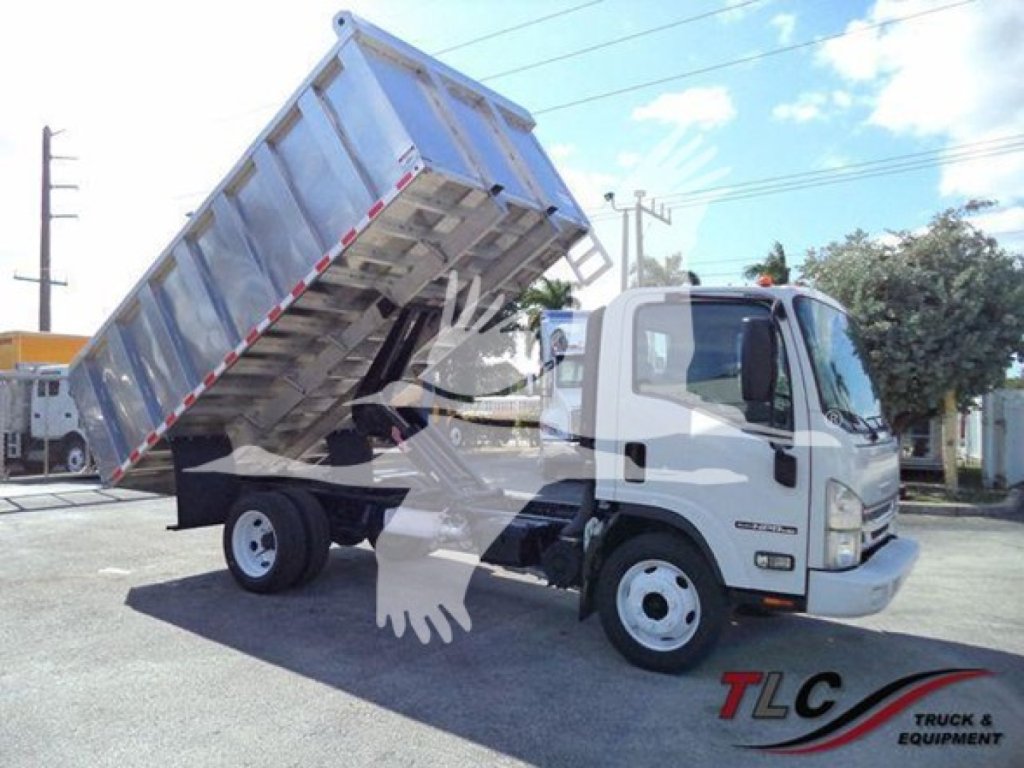
Have used 2017 landscape truck to sell? List it here to reach thousands of buyers.
About Used 2017 Landscape Trucks in Florida
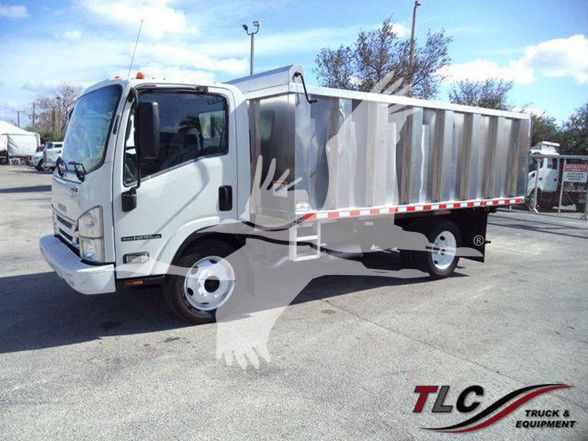
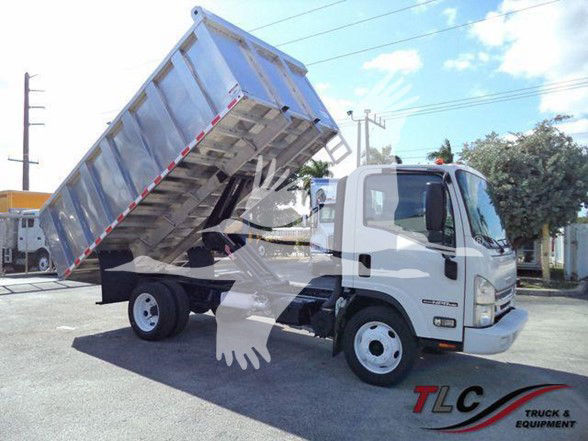
On 2017 models, Isuzu NPR HD trucks are a common fit for landscape use because of their low cab-forward profile, tight turning radius, and practical GVWR around the 14,500-pound range. Buyers should match body length and side height to the work mix. A 14-foot body with 48-inch sides is a common setup for residential and commercial landscape crews, giving good volume without making the truck cumbersome in tight neighborhoods or condo properties. Electric-over-hydraulic hoists are common on this type of truck and are well suited to mulch, clippings, and general cleanout work. Check floor thickness, crossmember spacing, longsill design, and rear door hardware if the truck will see repeated loading by skid steer or frequent dumping cycles.
Chassis specs matter just as much as the body. Gas V8 engines were popular in this segment and can be a practical choice for shorter-route, stop-and-go landscaping work, while diesel options may appeal to fleets running heavier payloads or longer daily miles. Automatic transmissions, regular cabs, and A/C are standard expectations in Florida. Pay attention to axle ratings, suspension condition, brake setup, and wheelbase because they affect payload, ride quality, and how well the body and hoist package are supported. If the truck will tow, confirm the hitch rating, electric brake controller setup, and 7-way plug operation rather than assuming every installed hitch is matched to the trailer weight you plan to pull.
Condition on a used 2017 landscape truck should be judged by more than mileage. Look closely at hoist performance, cylinder leaks, tarp operation, barn door alignment, body floor wear, and signs of cracking around hinge points and body mounts. Service records are valuable on contractor trucks because idle time, PTO use, and repeated short-trip operation can be harder on components than highway miles suggest. A well-configured 2017 landscape dump truck can still be a very efficient tool for lawn care, tree service, nursery delivery, and property maintenance if the chassis, dump body, and towing equipment are all sized for the job.
Frequently Asked Questions
What is a landscape truck used for?
A landscape truck is a dump-style work truck designed for hauling loose and bulky materials such as mulch, brush, leaves, soil, sod, and demolition debris from routine property maintenance. Most are equipped with high sides, a rear dump hoist, tarp system, and towing setup so the same truck can carry material and pull mowers, mini skid steers, or small equipment trailers.
Are aluminum or steel landscape dump bodies better?
Aluminum bodies are popular because they resist corrosion, reduce empty weight, and can improve legal payload on lighter chassis. Steel bodies are typically heavier but can hold up well in harder loading conditions and may cost less to repair or replace in some markets. The better choice depends on the material being hauled, climate exposure, loading method, and how important payload is on the chosen GVWR.
What should I check on a used 2017 landscape truck before buying?
Focus on the condition of the dump body and hoist as much as the chassis. Inspect the floor for dents or thin spots, verify that the hoist lifts smoothly under load, check for leaking hydraulic components, and make sure the rear doors open, latch, and seal correctly. Also review service history, brake condition, tire wear, suspension, hitch rating, electrical trailer connection, and any signs of frame rust or body mount fatigue.
What body size is common on a 2017 landscape truck?
A 14-foot body is one of the most common sizes on medium-duty landscape trucks built on cab-over chassis such as the Isuzu NPR HD. Side walls in the 48-inch range are also common because they add cubic capacity for mulch and debris without making loading and unloading impractical. Larger 15-foot and 18-foot bodies are available on heavier chassis for crews that need more volume or higher GVWR.
Is a gas or diesel engine better for landscape work in Florida?
Gas engines are often a strong fit for Florida landscape operations that run local routes, frequent stops, and moderate daily mileage because they are simple to operate and can be cost-effective to maintain. Diesel engines may be the better choice for heavier payloads, longer routes, or fleets that prioritize torque and fuel efficiency under load. The right answer depends on annual miles, idle time, towing needs, and how heavily the truck is worked each day.