
Used 2017 Dump Trucks For Sale
Shop used 2017 dump trucks for sale. Compare GVWR, axle setups, dump body styles, hoists, drivetrain specs, and jobsite-ready features.
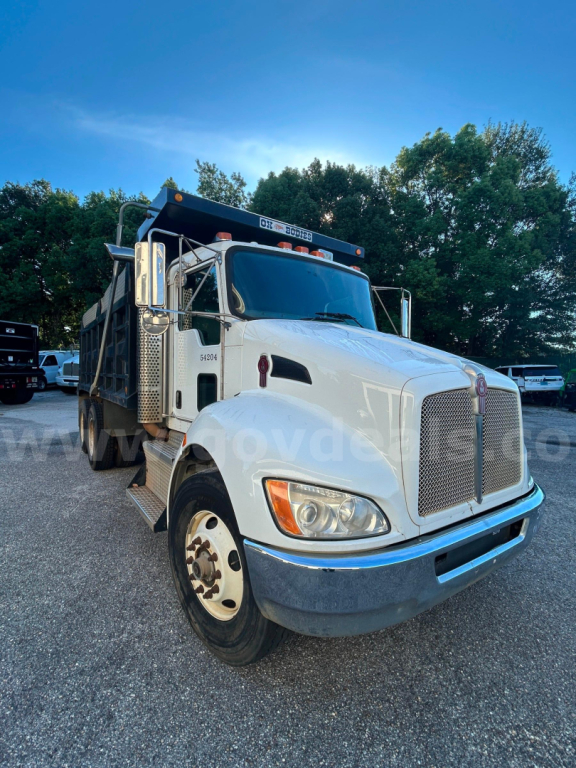
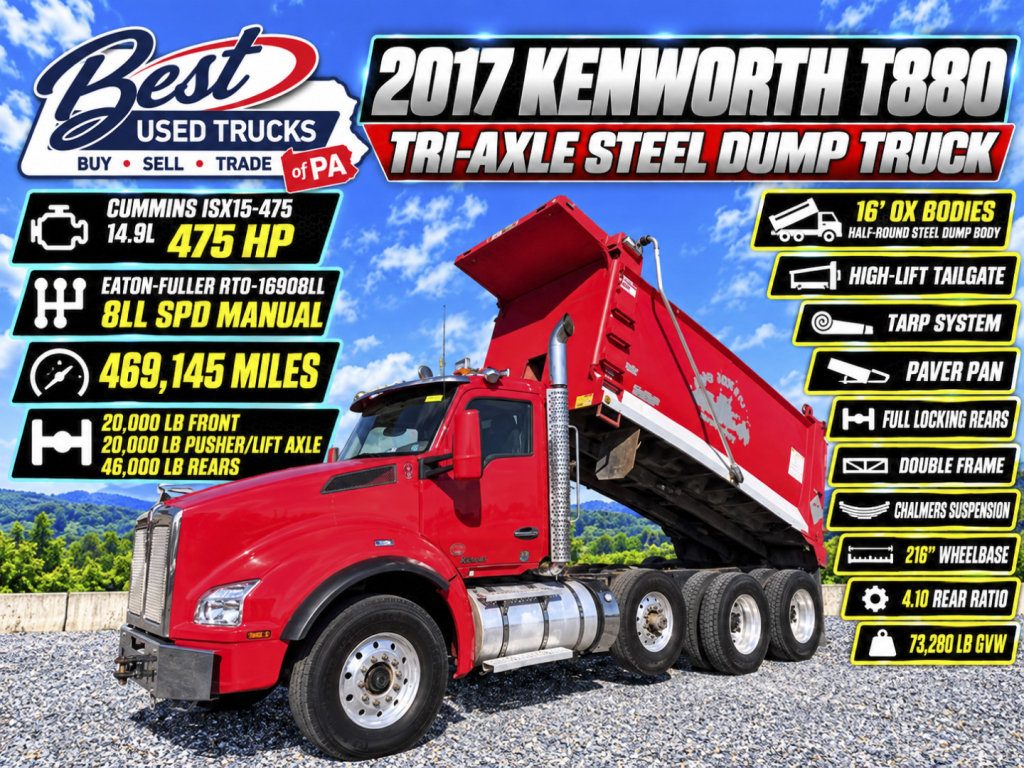
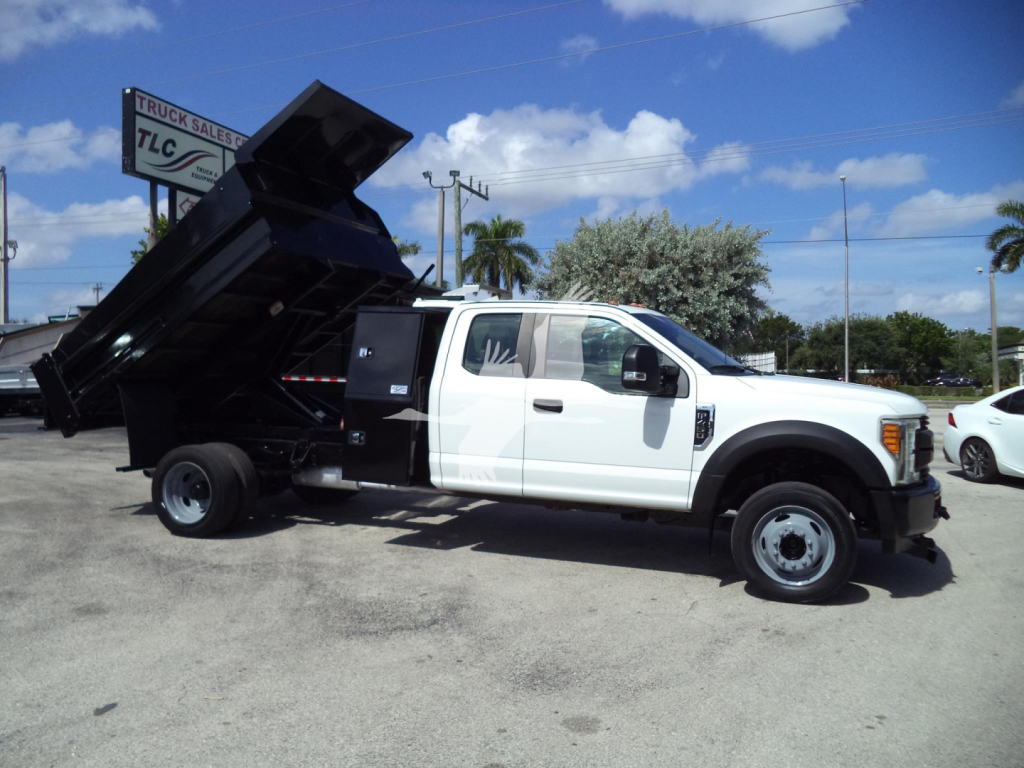
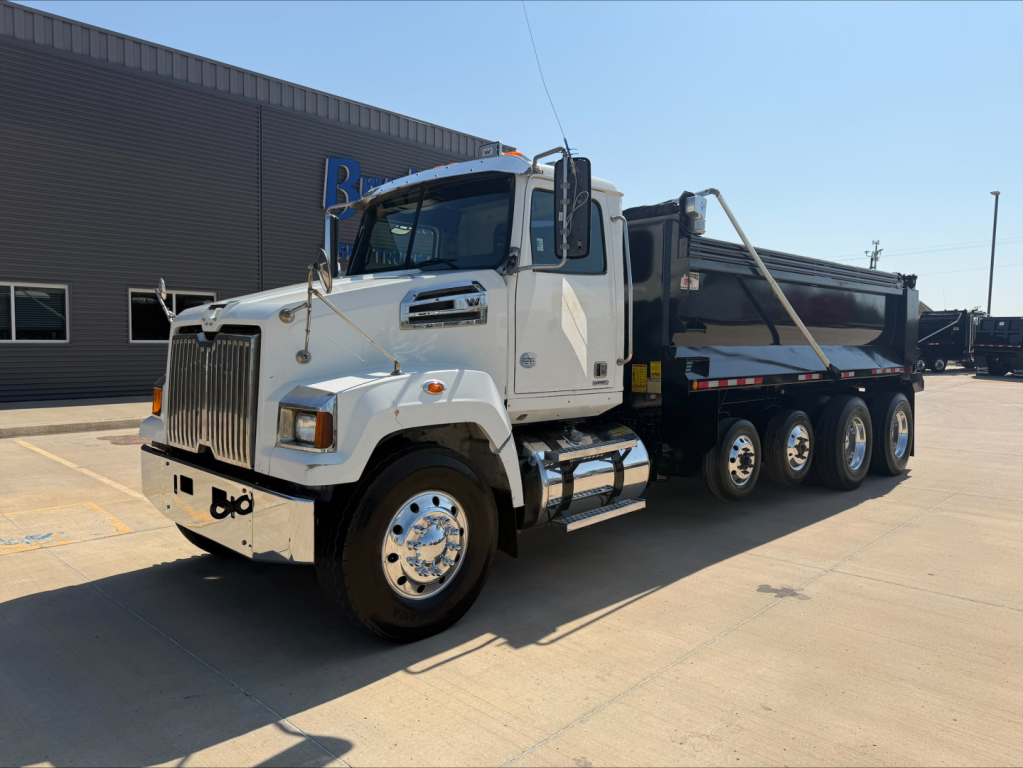
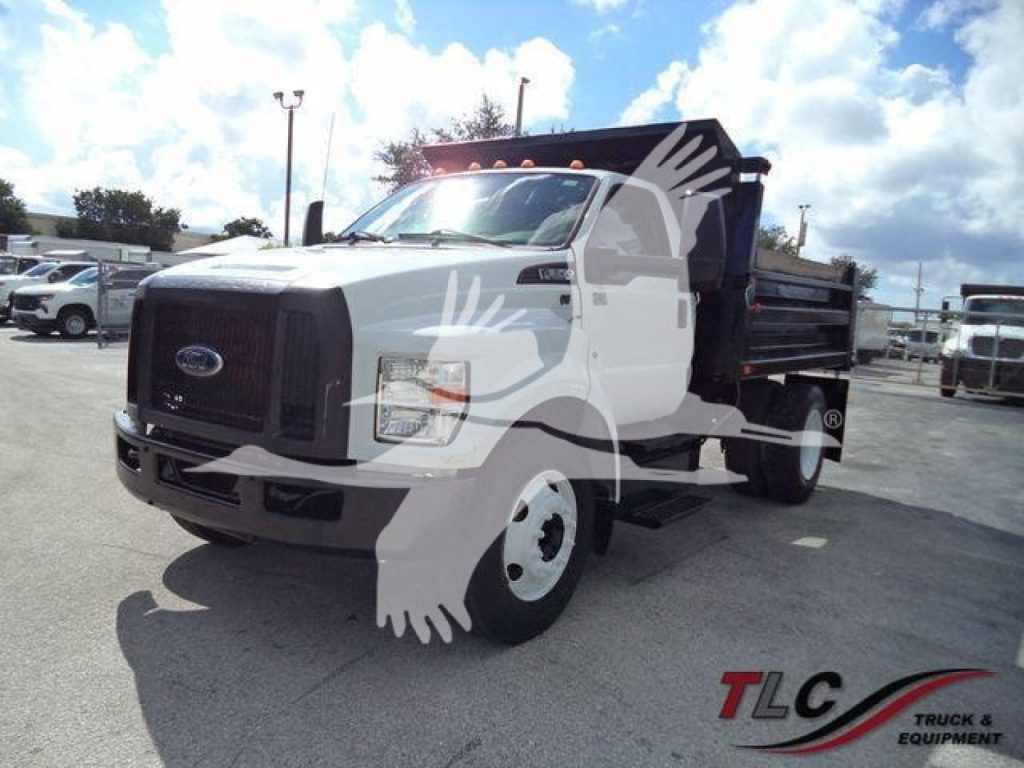
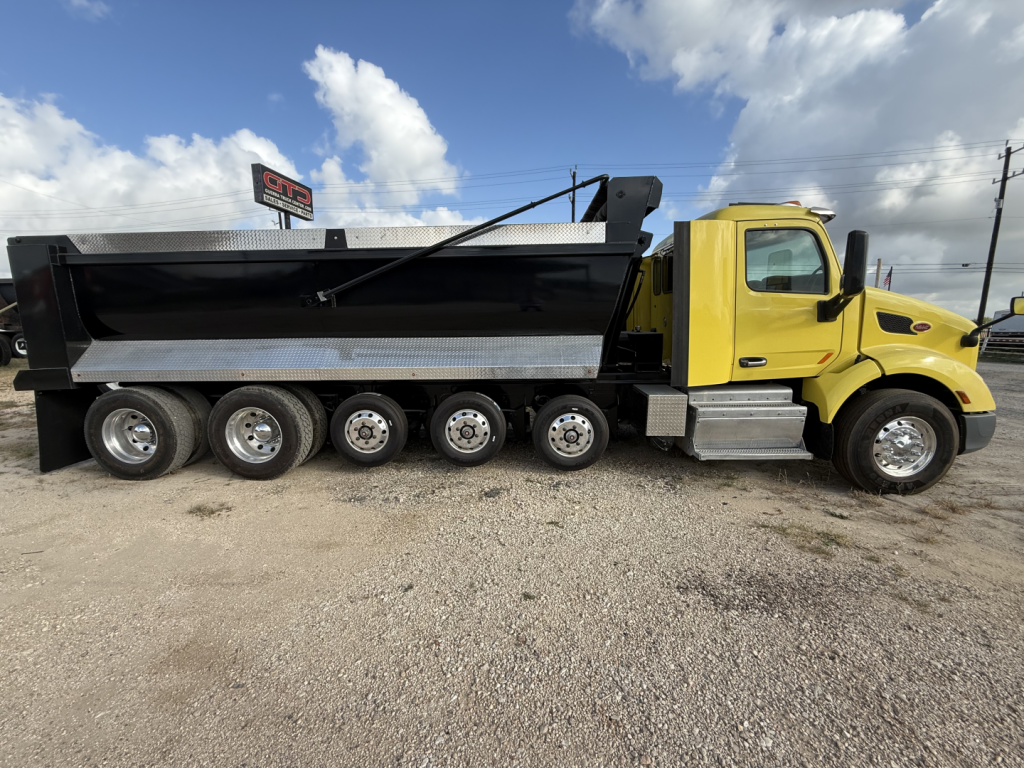
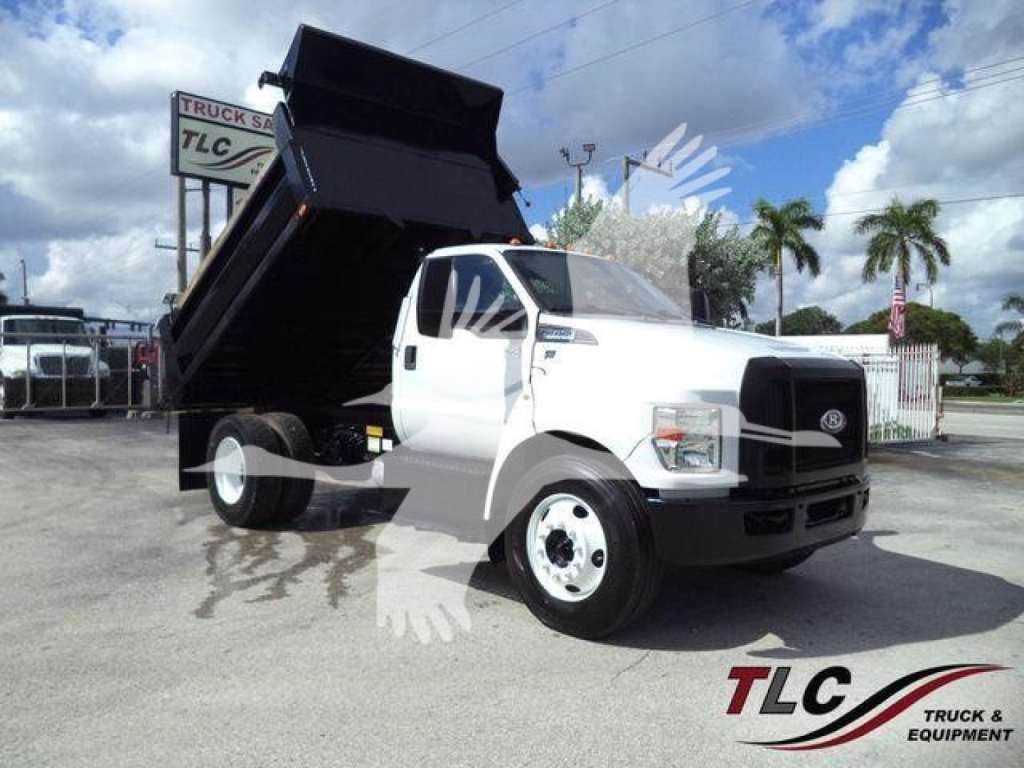
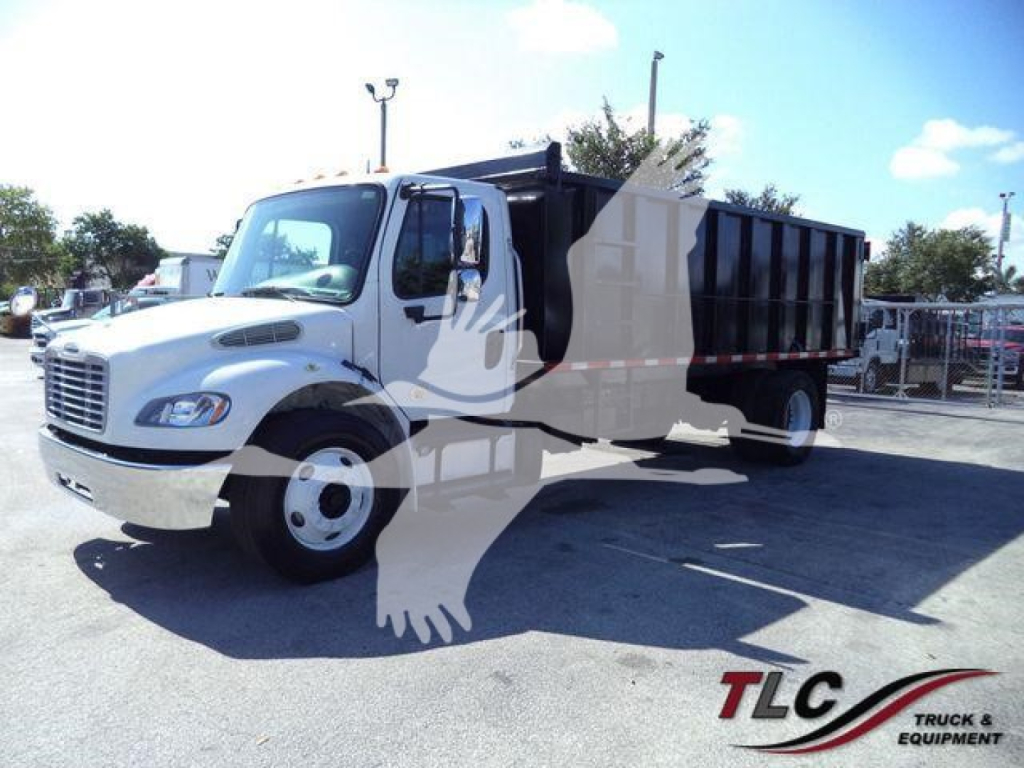
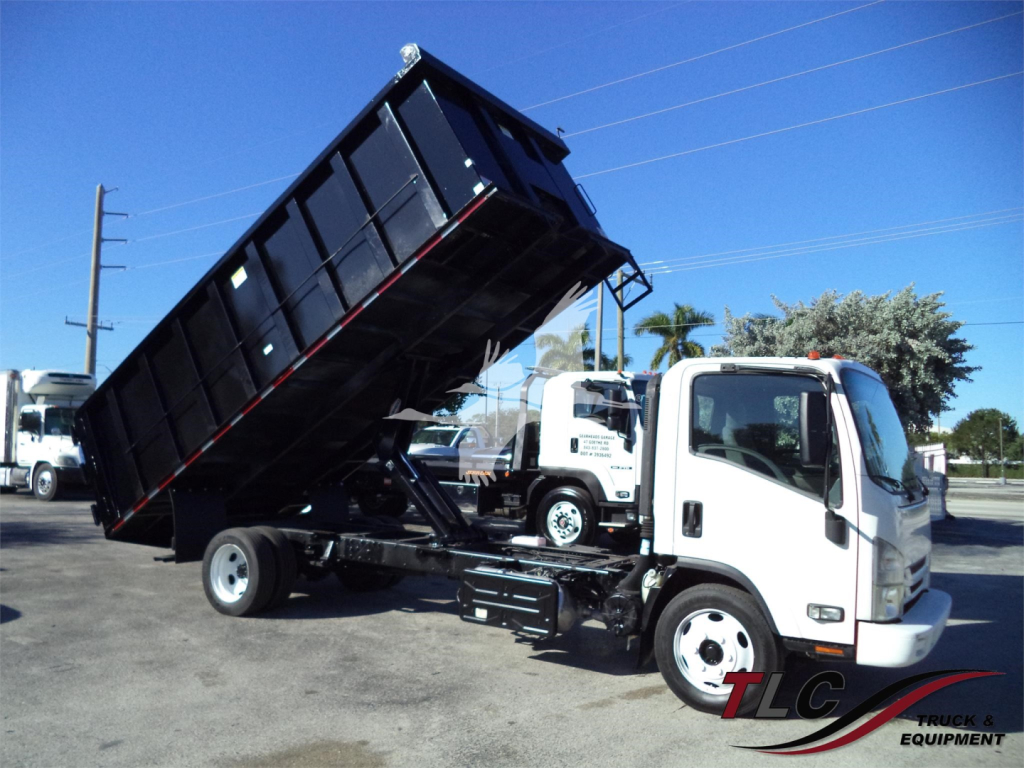
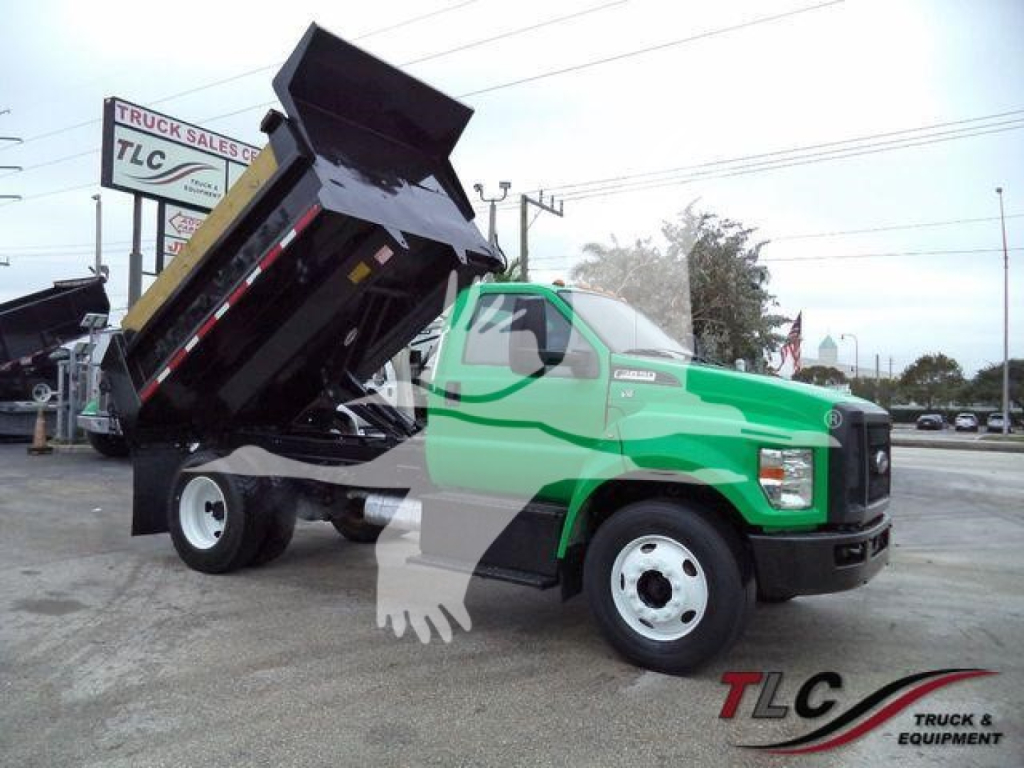
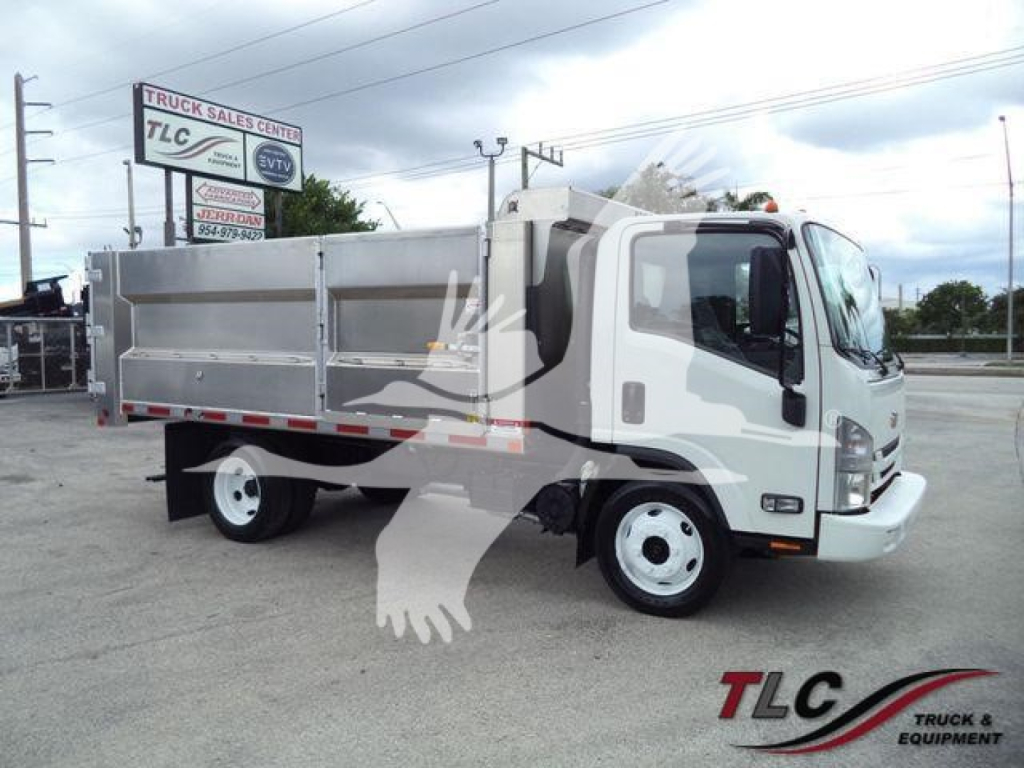
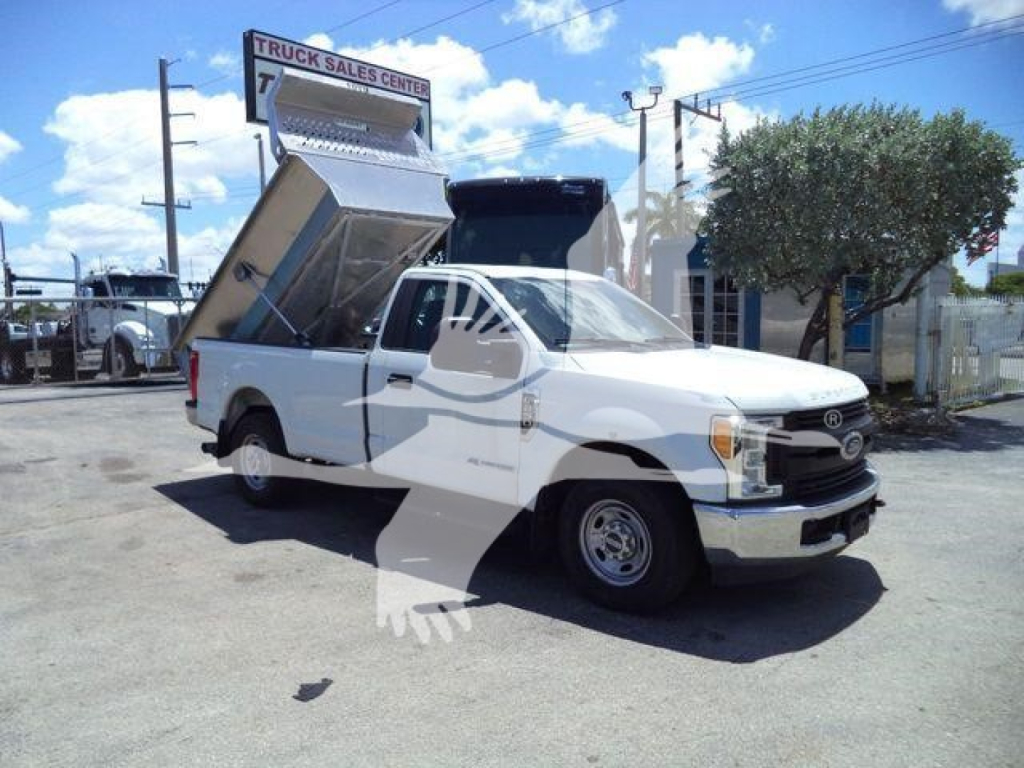
Selling a used 2017 dump truck? List your used 2017 dump truck for sale and reach thousands of commercial buyers.
Used 2017 Dump Trucks
The first buying decision is usually size and weight class. A 2017 dump truck can range from under-CDL setups around 25,999 GVWR to full-spec tandem axle and lift-axle trucks designed to maximize payload. Body length, side height, and body material matter as much as the chassis badge. Steel bodies are common for rock, riprap, and demolition because they handle abrasion and impact better. Aluminum dump bodies reduce tare weight and can improve legal payload in lighter-duty or bulk material applications. Common body features include air-operated or manual tailgates, high-lift gates, grain-style swing gates, asphalt tarps, vibrators, cab shields, and backup cameras. Hoists may be telescopic front-mount or electric-over-hydraulic on lighter trucks, and buyers should pay attention to cycle speed, hoist condition, and any signs of twist or stress around hinge points and crossmembers.
Powertrain choice should match route and material. Many 2017 dump trucks use diesel engines paired with Allison automatics or manual transmissions, though gas-powered medium-duty units also appear in landscape and municipal service. For heavy vocational work, axle ratings, suspension type, locking differentials, and wheelbase are more important than headline horsepower alone. A short wheelbase improves maneuverability in tight sites, while a longer wheelbase can better support larger bodies and smoother bridge distribution. Double-frame construction, severe-service suspensions, PTO setup, and front axle capacity all affect how well the truck handles a loaded body and repeated off-road cycles. On 2017 models, emissions components such as DPF and SCR systems should be evaluated carefully, especially on trucks with extensive idle time, short-route operation, or municipal stop-and-go use.
Condition matters more on a dump truck than mileage alone because these trucks live hard lives. Buyers should inspect floor thickness, sidewall bowing, tailgate fit, cylinder leaks, pintle or hitch wear, frame corrosion, and any cracking near body mounts or hoist attachments. Check for plow wiring, spreader controls, central hydraulics, and lift axle operation if the truck came from municipal or snow-duty service. Tire condition, brake type, and service records can tell you a lot about maintenance discipline. A well-kept used 2017 dump truck can still be a strong earner if the body, frame, hydraulics, and axle specs line up with the material, distance, and terrain of the work.
Frequently Asked Questions about Used 2017 Dump Trucks
What should I look for first when buying a used 2017 dump truck?
Start with the truck's intended payload and application, then match that to GVWR, axle configuration, body size, and body material. A truck hauling asphalt, stone, or demolition debris needs different body and suspension specs than a truck used for mulch, brush, or municipal cleanup. After that, inspect the frame, hoist, dump body floor, tailgate, and hydraulic system closely because those components often show jobsite wear before the engine does.
Is a steel or aluminum dump body better on a 2017 dump truck?
Steel dump bodies are usually better for abrasive, high-impact materials like rock, concrete, and demolition debris because they resist denting and wear. Aluminum bodies reduce empty weight and can improve payload, which makes them attractive for lighter bulk materials such as mulch, compost, or landscape debris. The right choice depends on what the truck hauls every day and how rough the loading environment is.
Are 2017 dump trucks affected by diesel emissions system concerns?
Yes. Most 2017 diesel dump trucks use modern emissions equipment including DPF and SCR systems, so maintenance history matters. Trucks that spent a lot of time idling, making short trips, or running municipal stop-and-go routes can have more emissions-related issues if regeneration cycles and service intervals were not managed properly. Service records, fault history, and evidence of proper upkeep are important when evaluating any used 2017 diesel vocational truck.
What axle setup is best for a dump truck?
The best axle setup depends on legal payload targets and where the truck operates. Single-axle dump trucks are easier to maneuver and often work well in landscape, light construction, and under-CDL applications. Tandem axle and tri-axle dump trucks are better suited for higher payloads, aggregate hauling, paving, and municipal contracts where bridge law and local axle regulations matter. Lift axles or drop axles can add flexibility, but they also add maintenance points.
How important is mileage on a used dump truck compared to hours and condition?
Mileage is only one part of the picture on a dump truck. Vocational trucks often accumulate wear through PTO use, idling, short-cycle operation, and off-road loading conditions that are not reflected by odometer readings alone. A lower-mile truck with a worn body, tired hoist, and corrosion issues may be a poorer buy than a higher-mile truck with strong maintenance records, a solid frame, and a straight, well-kept dump body.