
Used 2017 Trucks For Sale in Massachusetts
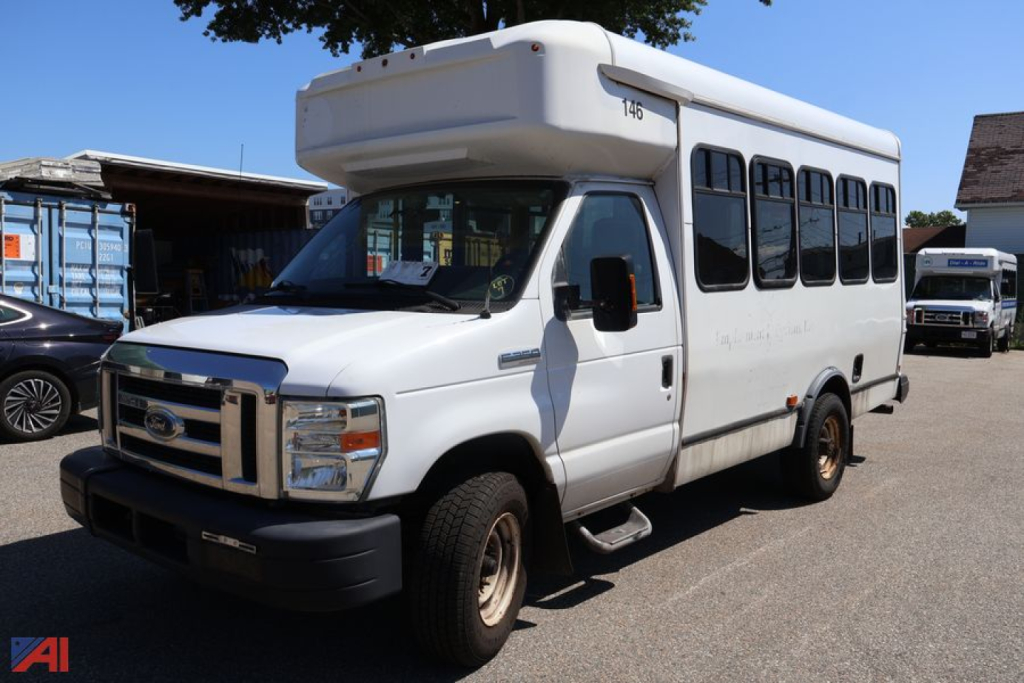
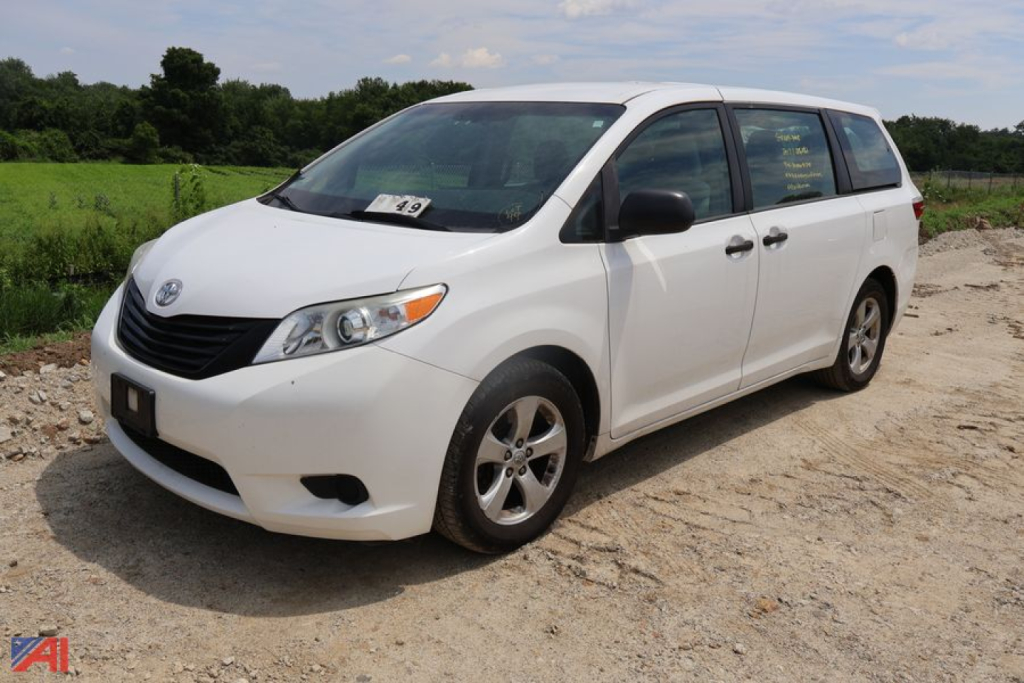
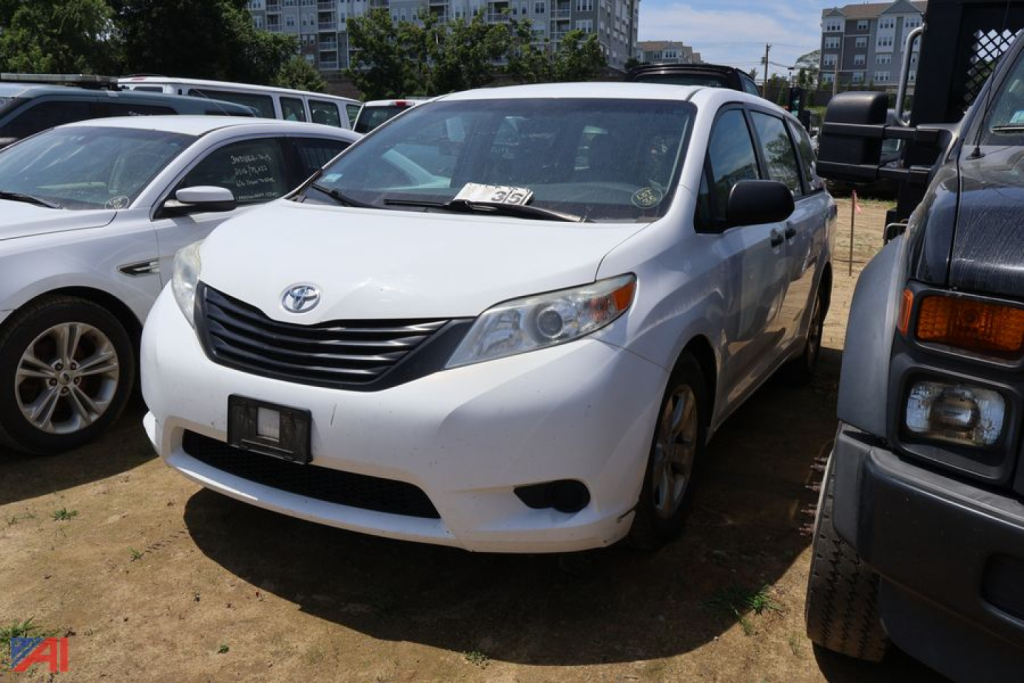
Have used 2017 truck to sell? List it here to reach thousands of buyers.
Used 2017 Trucks in Massachusetts
A buyer comparing used 2017 trucks should start with the intended job, because the right spec varies sharply by application. In Massachusetts, municipal and contractor demand often centers on trucks equipped for snow and ice work, dump bodies, spreaders, utility bodies, or pickup service. A 2017 one-ton or 5500-class truck may be the right fit for plow routes, construction support, towing support, or facility maintenance, while heavier Class 6 through Class 8 trucks are more appropriate for bulk material hauling, tanker service, or specialized municipal use. Body condition matters as much as chassis condition in this market. Rust on frames, cabs, dump floors, underbodies, spreader mounts, and utility compartments is a major inspection point in New England service environments where road salt accelerates corrosion.
Powertrain selection is another major factor. Many 2017 trucks on the used market are diesel-powered, though gas engines remain common in pickups and lighter work trucks. Buyers should pay close attention to GVWR, rear axle ratio, PTO capability, suspension type, wheelbase, and brake configuration, especially if the truck is carrying a vocational body or operating with a trailer. For dump and municipal applications, confirm hoist operation, body upfit quality, hydraulic condition, and any plow or sander integration. For utility and service trucks, inspect compartment layout, inverter or compressor provisions, ladder rack design, and payload left after the body and equipment are installed. On 2017 diesel trucks, emissions service history is worth reviewing closely, including diesel particulate filter, DEF system, EGR components, and fault code records.
Massachusetts buyers also tend to benefit from checking registration class, CDL implications, and suitability for local routes, tight job sites, and winter operation. A used 2017 truck can be a strong value if the spec matches the work and the maintenance history supports the hours and mileage. Focus on frame integrity, cab corrosion, tire wear patterns, brake life, steering play, suspension wear, and signs of hard municipal or seasonal use. When those basics line up with the body type and axle rating you need, a 2017 truck can still deliver dependable service across construction, public works, landscaping, snow removal, and general fleet duty.
Frequently Asked Questions about Used 2017 Trucks in Massachusetts
What should I inspect first on a used 2017 truck in Massachusetts?
Start with rust and corrosion. Massachusetts trucks often see road salt, snow equipment, and stop-and-go municipal duty, so frame rails, brake lines, cab corners, crossmembers, dump body mounts, utility body floors, and suspension attachment points deserve close attention. After that, review engine hours versus odometer mileage, check for active fault codes, inspect tires for uneven wear, and confirm that any vocational equipment such as plows, spreaders, hoists, pumps, or PTO systems operates correctly.
Are 2017 diesel trucks still a good buy for commercial use?
Yes, a 2017 diesel truck can still be a solid commercial platform if the maintenance history is documented and the emissions system has been cared for properly. Buyers should verify service records for the DPF, DEF system, EGR components, turbocharger, and sensors, because deferred emissions repairs can become expensive. A properly maintained 2017 diesel truck still offers strong torque, towing capability, and durability for dump, utility, tanker, and heavier fleet applications.
What types of 2017 used trucks are common in Massachusetts?
The market commonly includes pickup trucks, chassis cab trucks, dump trucks, service and utility trucks, plow trucks, and specialized vocational units. In Massachusetts, many used trucks were previously used by contractors, municipalities, landscapers, and public works departments, so upfitted bodies and winter equipment are common. That makes it especially important to evaluate not just the truck itself, but the condition and usefulness of the body, hydraulics, electrical integration, and seasonal attachments.
How do I choose the right 2017 truck size for my business?
Match the truck class and body to the payload, towing requirement, and operating environment. A light-duty or one-ton truck may be enough for service work, plowing, or light dumping, while a medium-duty or heavy-duty truck is better suited for material hauling, larger bodies, tanker work, or constant PTO use. GVWR, axle ratings, wheelbase, turning radius, and body weight all affect how well the truck will perform on local roads, jobsites, and urban routes.
Does a vocational body add value on a used 2017 truck?
It can, if the upfit matches the work you plan to do and is still in sound operating condition. A service body, dump body, plow package, sander, or tank can save time and upfront equipment cost compared with buying a bare chassis and outfitting it later. The value depends on structural condition, hydraulic health, electrical quality, compartment usability, and whether the truck still has enough legal payload and correct axle capacity for the intended application.