
Used 2017 Volvo Trucks For Sale
Shop used 2017 Volvo trucks including VNL and VNR models. Compare sleepers, day cabs, powertrains, wheelbases, and fleet-ready specs.
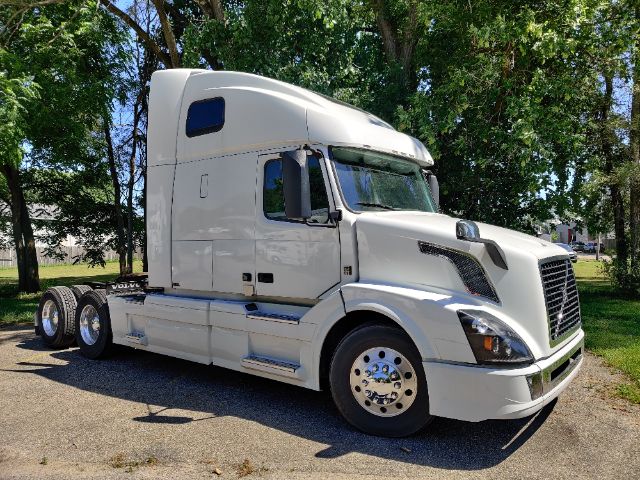
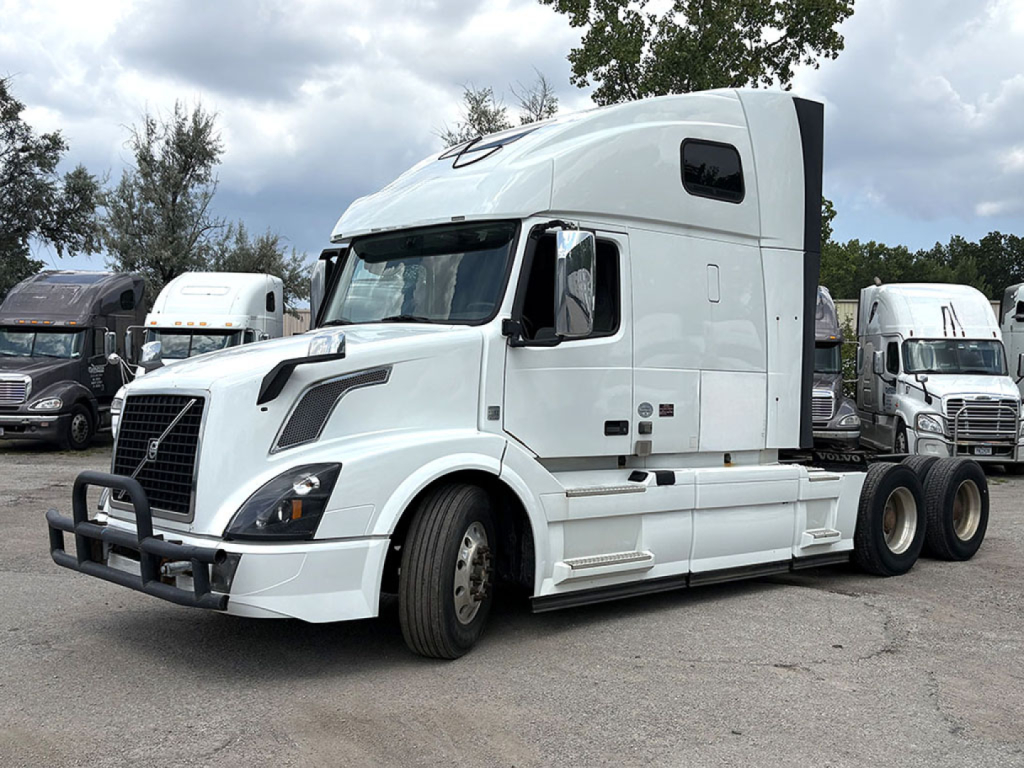

Have used 2017 volvo truck to sell? List it here to reach thousands of buyers.
Used 2017 Volvo Trucks
The key spec decision on a 2017 Volvo truck is usually powertrain. Many units from this year were built with the Volvo D11 or D13 engine and paired with the Volvo I-Shift automated manual transmission. That combination is popular for fleets because it simplifies driver onboarding, supports fuel economy, and delivers smooth shifting in traffic and on grades. Buyers should compare horsepower and torque ratings, rear axle ratios, and whether the truck was spec'd for long-haul cruising, regional delivery, or heavier vocational work. A 400 to 455 hp D13 with a tall rear ratio is common in linehaul use, while shorter wheelbase day cabs may be set up for tighter maneuvering and more stop-and-go operation.
Cab configuration matters just as much as engine spec. Sleeper models can range from basic mid-roof layouts to larger raised-roof packages with double bunks, more cabinet space, and better stand-up room. Day cabs are better suited for dedicated regional lanes, port drayage, tanker, or local freight where low tare weight and shorter overall length matter. Wheelbase, fifth wheel style, fairings, fuel capacity, and suspension setup all affect how a used 2017 Volvo truck will fit your operation. Air ride suspension, sliding fifth wheels, disc brakes on some specs, and aerodynamic packages are common features worth comparing closely across listings.
Condition and maintenance history are especially important on a used 2017 Volvo. Buyers should review idle hours, emissions system service records, transmission calibration history, and wear items such as bushings, brakes, tires, and aftertreatment components. On higher-mileage units, pay attention to DPF and SCR service, clutch actuator performance on I-Shift trucks, and any fault history tied to driver assistance or electrical systems. A well-maintained 2017 Volvo can still be a productive fleet tractor, but the best value usually comes from matching the original spec to the job instead of buying on mileage alone.
Frequently Asked Questions about Used 2017 Volvo Trucks
What are the most common 2017 Volvo truck models buyers look for?
The most common used 2017 Volvo truck models are typically the VNL for highway and sleeper applications and the VNM or regional-spec conventional trucks for shorter routes and local work. The exact configuration can vary widely by original fleet order, so two trucks from the same year may be very different in wheelbase, roof height, rear axle ratio, fuel capacity, and interior layout. Buyers usually narrow the search first by application, then by cab style and powertrain.
Did 2017 Volvo trucks commonly come with the I-Shift transmission?
Yes. Many 2017 Volvo trucks were spec'd with the Volvo I-Shift automated manual transmission, especially in fleet and over-the-road service. The I-Shift is widely valued for fuel economy, consistent shifting behavior, and reduced driver fatigue compared with a traditional manual. When evaluating a used truck, it is smart to confirm the exact transmission model, software calibration history, and how the gearing matches the engine and rear axle ratio.
What engine is most common in a used 2017 Volvo truck?
The Volvo D13 is one of the most common engines found in used 2017 Volvo highway trucks, though some lighter or more fuel-focused specs may have a D11. The D13 is popular because it covers a broad range of horsepower and torque ratings and fits both sleeper and day cab applications well. Buyers should verify the engine rating, maintenance records, and emissions service history, since the same engine platform can be tuned for very different operating profiles.
Is a used 2017 Volvo truck a good choice for long-haul work?
A used 2017 Volvo truck can be a very good long-haul choice if it was originally spec'd for highway service and has been maintained properly. Sleeper-equipped VNL models with aerodynamic fairings, larger fuel capacity, a D13 engine, and an I-Shift transmission are common long-distance configurations. The best candidates usually have a service history that shows consistent PM intervals, aftertreatment maintenance, and attention to driveline and suspension wear items.
What should buyers inspect first on a used 2017 Volvo truck?
Start with the maintenance history, engine hours, emissions system records, and fault code history. After that, inspect the aftertreatment system, transmission operation, suspension condition, brake life, tire wear pattern, and signs of collision or corrosion damage around the cab, frame, and crossmembers. On Volvo trucks with advanced electronics, it is also important to confirm that dash warnings, safety systems, and HVAC controls are functioning correctly before making a purchase decision.