
Used 2017 Peterbilt Trucks For Sale
Shop used 2017 Peterbilt trucks with popular specs, cab styles, power options, and vocational or highway setups for many applications.
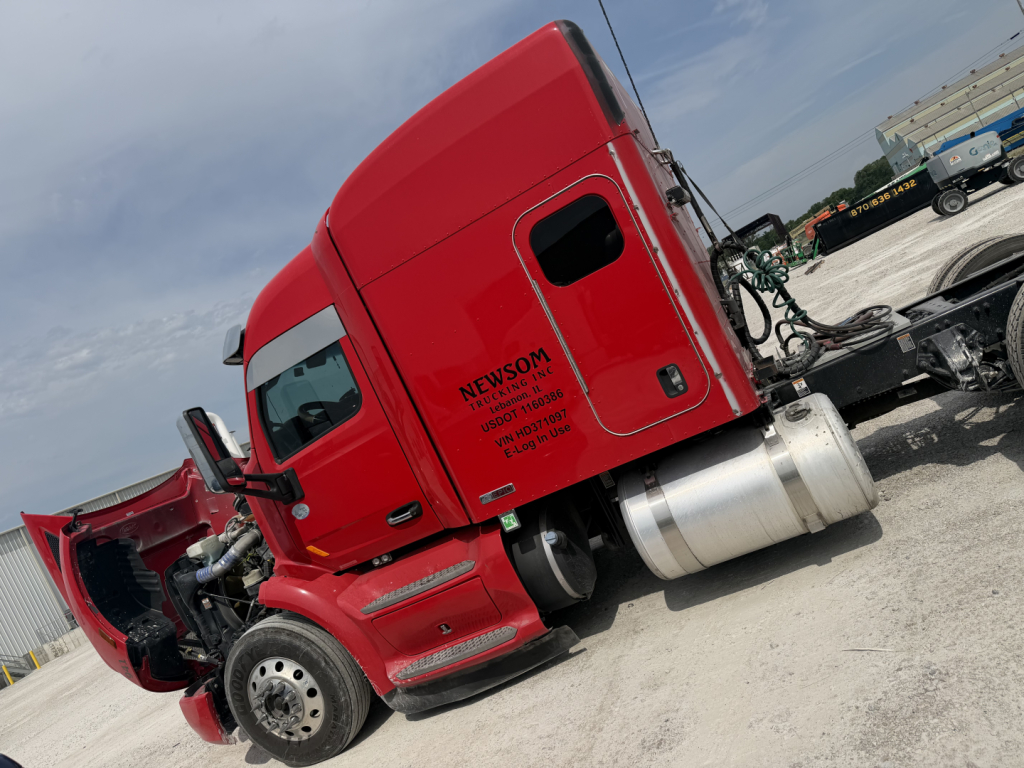
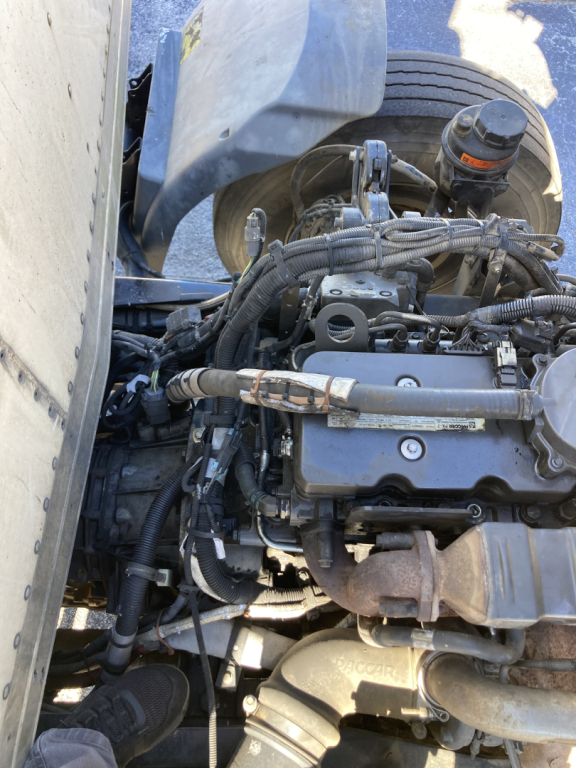
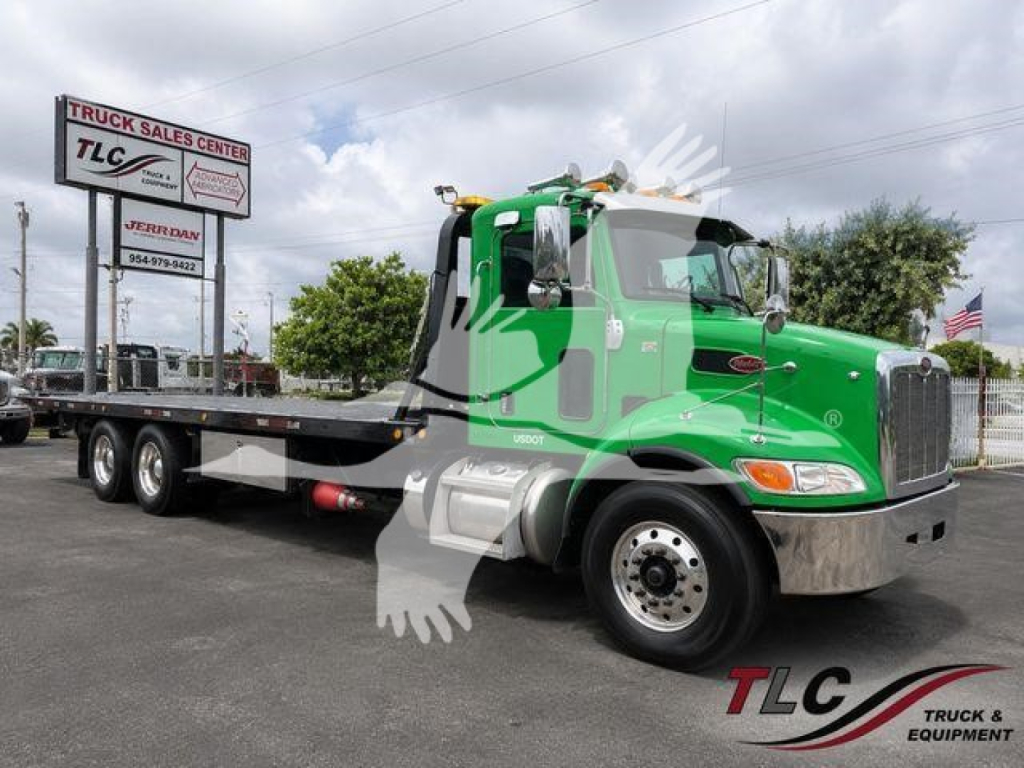
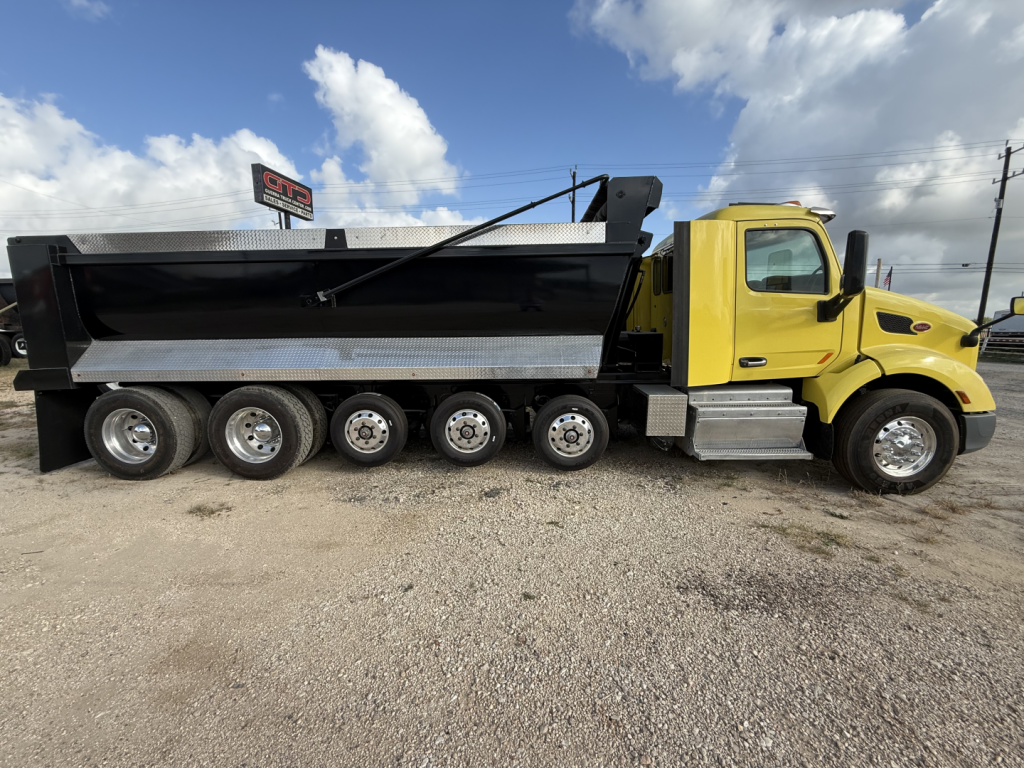
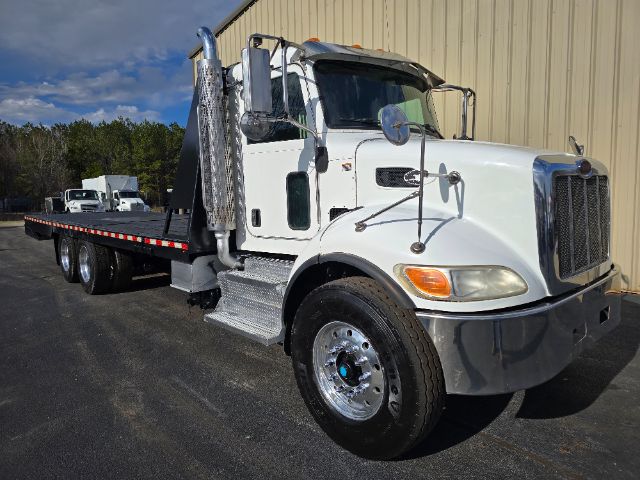

Selling a used 2017 peterbilt truck? List your used 2017 peterbilt truck for sale and reach thousands of commercial buyers.
Used 2017 Peterbilt Trucks
Powertrain matters more than badge loyalty on a 2017 Peterbilt. Common engine choices include the PACCAR MX-13 and Cummins X15, paired with manual 10-speed or 13-speed and 18-speed transmissions, as well as automated manuals in many fleet-spec highway units. Rear axle ratios often fall in the fuel-economy range for over-the-road use or lower gearing for vocational and heavy-spec work. Buyers should compare horsepower and torque against intended gross weight, terrain, and average trip length. A sleeper set up for long-haul freight needs a different spec than a day cab pulling local bulk, containers, or construction trailers. Wheelbase, 6x4 configuration, suspension type, and front axle rating all affect maneuverability, bridge law flexibility, and trailer compatibility.
On used 2017 Peterbilt trucks, condition is usually defined by maintenance history and prior application more than raw mileage. A highway tractor with higher miles but documented service intervals, clean aftertreatment history, and consistent tire wear can be a stronger buy than a lower-mile truck that spent its life in stop-and-go or off-road service. Check DPF and SCR service records, clutch life on manual trucks, calibration history on automated transmissions, and signs of frame modification if the truck changed jobs. Interior wear, fifth wheel movement, suspension bushing condition, and steer axle tire pattern can tell you a lot about how the truck was operated. For buyers focused on uptime, it also makes sense to compare dealer support, engine diagnostics access, and parts availability for the specific Peterbilt model and engine combination.
Cab layout and trim level also deserve attention because they affect resale and driver retention. Peterbilt is known for ergonomic dash layouts, good visibility, and a mix of premium and work-truck interiors depending on spec. Sleeper size, bunk configuration, fuel capacity, fairings, and chassis accessories like wet kits or PTO provisions should match the job from day one. For fleets and owner-operators alike, a used 2017 Peterbilt truck is usually strongest when the spec is aligned with the lane, the service records are complete, and the truck has not been overbuilt or underbuilt for the freight it will pull.
Frequently Asked Questions about Used 2017 Peterbilt Trucks
What are the most common 2017 Peterbilt truck models buyers look for?
The most common 2017 Peterbilt trucks on the used market are typically the 579 for aerodynamic highway service and the 389 for buyers who want a traditional conventional platform. Depending on the operation, you may also see day cab and sleeper configurations built for regional freight, flatbed, tanker, livestock, or vocational work. The right model depends less on appearance and more on cab style, wheelbase, axle ratings, engine choice, and how the truck was originally spec'd.
Is a used 2017 Peterbilt truck still a good choice for over-the-road service?
Yes, a used 2017 Peterbilt can still be a solid over-the-road truck if the maintenance history is strong and the powertrain matches the application. Many 2017 units offer modern aerodynamics, driver comfort, and emissions technology without the price of a newer truck. The key is to verify engine and aftertreatment service records, look for consistent chassis wear, and confirm that the gearing, transmission, and sleeper configuration fit the routes and freight you plan to run.
What should I inspect first on a used 2017 Peterbilt?
Start with the engine, emissions system, and drivetrain because those items drive repair cost and downtime. Review service records for DPF cleanings, SCR and DEF system work, injector history, turbocharger repairs, clutch replacement if equipped with a manual transmission, and any transmission calibrations or fault history on automated units. After that, inspect the frame, suspension, tires, fifth wheel, steering components, and cab condition to see whether the truck's wear matches its stated use and mileage.
Which is better on a 2017 Peterbilt, a day cab or a sleeper?
A day cab is usually better for local and regional operations where lower weight, easier maneuvering, and simpler configuration matter more than driver living space. A sleeper is the better fit for long-haul lanes, team operations, and routes where bunk space, storage, and larger fuel capacity improve productivity. On a used 2017 Peterbilt, the choice should be based on revenue application first, because converting the wrong cab style into the right one is rarely cost-effective.
What engines are common in 2017 Peterbilt trucks?
Common engines in 2017 Peterbilt trucks include the PACCAR MX-13 and, in many specs, the Cummins X15. Both can be found with different horsepower ratings depending on whether the truck was built for fuel-efficient linehaul work, general freight, or heavier vocational service. Buyers should compare not just horsepower, but torque rating, transmission pairing, axle ratio, and repair history, because the full driveline spec determines how the truck will perform in real service.