
Used 2017 Tow Trucks For Sale
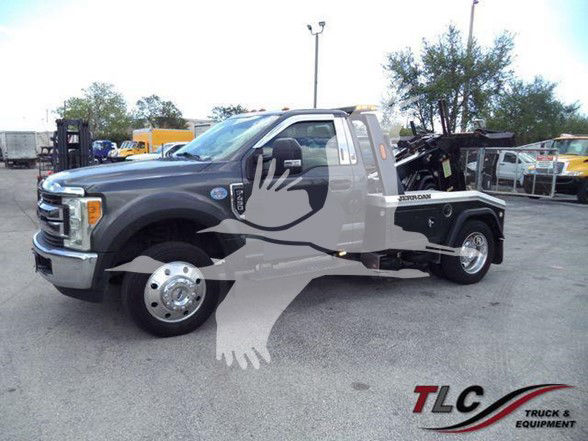
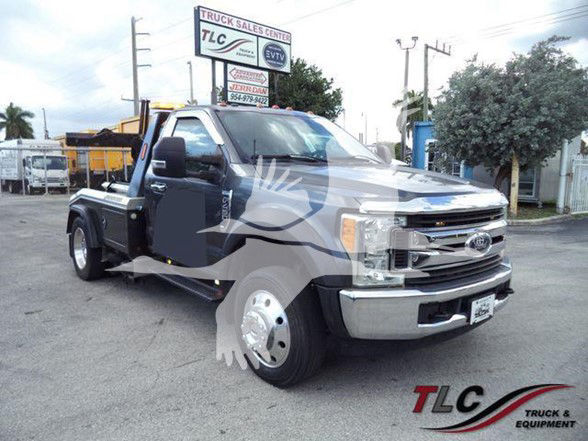
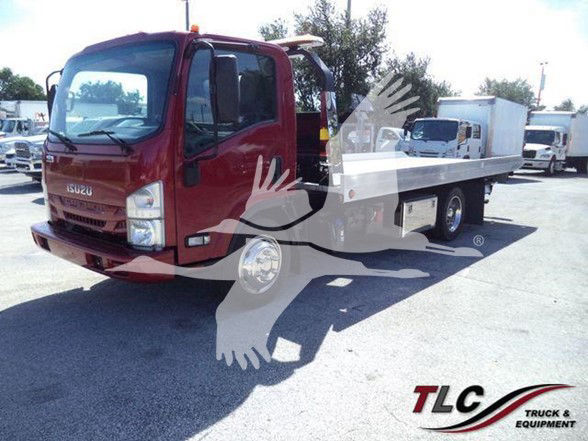
Have used 2017 tow truck to sell? List it here to reach thousands of buyers.
Used 2017 Tow Trucks
The first decision is usually body style. Rollback tow trucks are popular for transporting disabled, low-clearance, or all-wheel-drive vehicles because the entire bed tilts and slides back for loading. Common carrier specs include 19 to 22 foot steel or aluminum decks on light- and medium-duty chassis, with 102-inch bed widths, 8,000 to 12,000 lb winches, and 3,500 lb wheel-lifts on many LCG and XLP-style bodies. Heavier rollback units can stretch to 28 feet on tandem-axle chassis and are used for larger trucks, equipment, and commercial fleet moves. Wrecker and self-loader setups are better suited to quick hook-and-go towing, impounds, and tight urban work where speed and maneuverability matter more than full-deck transport.
On a used 2017 tow truck, buyers should pay close attention to chassis and body integration. Check GVWR, front and rear axle ratings, wheelbase, and brake type to make sure the truck matches the loads you plan to recover. Diesel platforms from Ford, Ram, Isuzu, Peterbilt, Kenworth, Freightliner, and International are common in this segment, often paired with Allison automatic transmissions in medium-duty applications or Fuller manuals in heavier units. On the towing side, look at bed manufacturer, wheel-lift rating, subframe condition, PTO operation, hydraulic response, deck pins, winch function, L-arms, crossbars, tie-down storage, and lighting. Rust around bed rails, toolboxes, crossmembers, and underlift mounts matters just as much as engine hours or mileage.
Daily-use details can make one 2017 tow truck a much better fit than another. Low-profile decks and beavertail designs help with sports cars and EVs that have limited ground clearance. Air ride suspension, aluminum wheels, backup cameras, wireless winch remotes, and well-planned toolbox space improve driver efficiency. If the truck will handle police towing, accident recovery, or private property work, visibility lighting, dollies, go-jack storage, and a reliable self-loading wheel-lift setup become more important. A smart buyer compares not just the truck chassis, but the body brand, towing ratings, service history, and how closely the equipment matches the routes, vehicle types, and turnaround times of the intended operation.
Frequently Asked Questions about Used 2017 Tow Trucks
What is the difference between a rollback tow truck and a wrecker?
A rollback tow truck uses a tilting, sliding deck to load the entire vehicle onto the bed, which is ideal for damaged vehicles, low-clearance cars, all-wheel-drive units, and longer-distance transport. A wrecker uses an underlift or wheel-lift to tow the vehicle with two wheels on the ground, which is faster for repossessions, impounds, parking enforcement, and short local tows. The right choice depends on the type of vehicles you move and how often you need full-deck transport versus quick hookup work.
What should I inspect on a used 2017 tow truck before buying?
Focus on both the truck and the towing equipment. Inspect the engine, transmission, emissions system, brakes, tires, frame, suspension, and steering like any commercial truck, then closely evaluate the carrier or wrecker body. Check winch operation, cable or synthetic line condition, PTO engagement, hydraulic leaks, wheel-lift wear, deck slides, bed pivot points, lighting, controls, and toolbox structure. Service records for the chassis and the towing body are especially important because hard towing work can wear components that do not show up in basic engine diagnostics.
What bed size is common on a 2017 rollback tow truck?
Many light- and medium-duty 2017 rollback tow trucks use 19-, 20-, or 22-foot beds, often around 102 inches wide. These sizes work well for passenger vehicles, pickups, vans, and light commercial units. Heavier rollback trucks may carry 24- to 28-foot decks on larger chassis for medium-duty truck transport and equipment hauling. Bed length should be matched to the vehicles you plan to carry, local bridge laws, and the truck's wheelbase and axle ratings.
Are 2017 tow trucks a good value for a towing business?
A 2017 tow truck can be a practical value because it is new enough to offer modern cab features, common body parts support, and current-style carrier or wrecker designs, but old enough to cost less than late-model replacements. The key is condition and application fit. A well-maintained 2017 unit with documented body service, clean hydraulics, and a solid chassis can outperform a newer truck that has been overloaded or poorly maintained.
Which specs matter most when comparing used tow trucks?
The most important specs are GVWR, axle ratings, wheelbase, engine and transmission combination, body manufacturer, bed length, winch rating, and wheel-lift capacity. Buyers should also compare deck height, low-angle loading capability, PTO-driven hydraulic performance, storage layout, lighting package, and any included towing gear such as L-arms, chains, straps, and dollies. These details determine how efficiently the truck handles your day-to-day towing mix.