
Used 2017 Tow Trucks For Sale in Florida
Have used 2017 tow truck to sell? List it here to reach thousands of buyers.
Used 2017 Tow Trucks in Florida
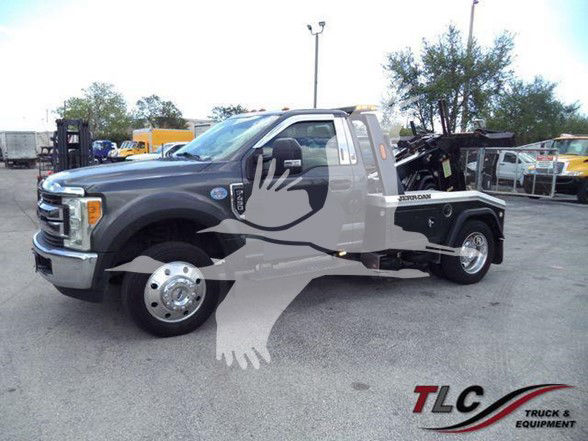
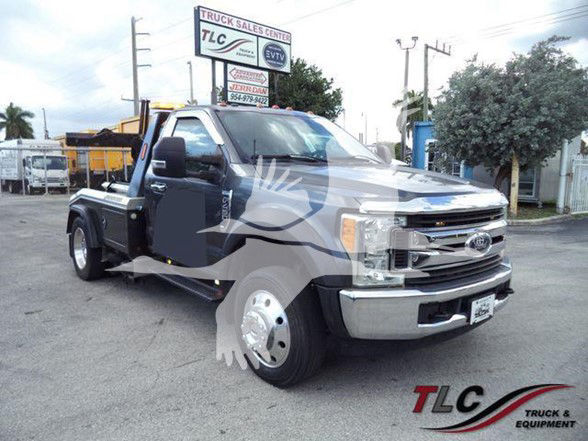
For a 2017 used tow truck, the chassis and body combination matters more than the badge on the hood. Buyers should compare GVWR, front and rear axle ratings, wheelbase, brake type, and suspension along with deck width, deck material, and wheel-lift capacity. Common features in this segment include automatic Allison transmissions, diesel engines, air brakes on heavier units, and hydraulic wheel-lifts with L-arms for secondary towing. A lighter single-axle 19,500 to 26,000 lb GVWR carrier can be a practical fit for urban repossession, dealer transport, and general roadside calls. A heavier tandem-axle rollback with a 60,000 lb GVWR chassis is better suited to medium-duty recoveries, larger commercial vehicles, and operators who need more frame strength, bed length, and underlift capability.
Florida operating conditions put extra emphasis on cooling performance, corrosion control, and clean hydraulic function. Salt air near the coast can shorten the life of exposed metal, wiring connections, light housings, and toolbox hardware, so bed condition and rust prevention deserve a close look even on trucks that appear clean from a distance. Buyers should inspect deck crossmembers, winch condition, PTO engagement, slide rails, pivot points, hydraulic cylinders, hose routing, and the wheel-lift structure. On rollback units, low-profile and extra-low-profile decks can be valuable for exotic cars, lowered vehicles, and damage-free loading. Tool storage, work lights, wireless remotes, stake pockets, side rails, and rear stabilizers also affect day-to-day usefulness more than many first-time buyers expect.
A well-matched 2017 tow truck should be chosen by call type, not just rated capacity. If the truck will spend most of its time on local passenger vehicle work, maneuverability, deck angle, and bed access are often more important than maximum GVWR. If the work includes municipal towing, fleet accounts, or commercial roadside service, stronger axle ratings, air ride suspension, larger winches, and a more substantial hydraulic hitch become more relevant. Florida buyers should also confirm title status, PTO operation, emissions compliance, tire date codes, and any signs of frame modification or hard recovery use. In this category, the best value usually comes from a truck with a proven body brand, clean hydraulic performance, and specs that match the service mix without carrying more truck than the route actually requires.
Frequently Asked Questions about Used 2017 Tow Trucks in Florida
What is the difference between a rollback tow truck and a wrecker?
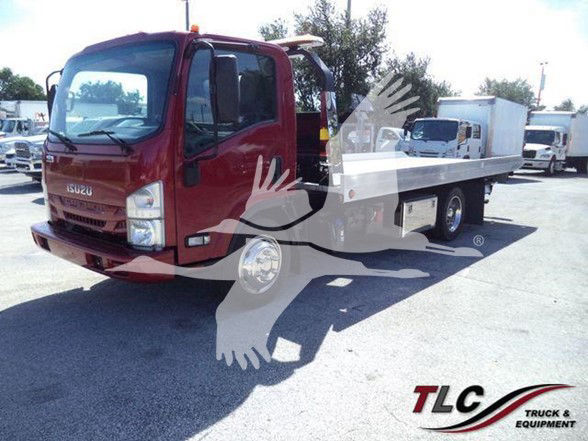
A rollback tow truck uses a tilting, sliding flat deck to load the entire vehicle onto the carrier, which is why it is also called a car carrier or flatbed tow truck. A wrecker typically lifts one end of the disabled vehicle with an underlift or wheel-lift and tows it with two wheels on the ground. Rollbacks are generally preferred for damaged vehicles, all-wheel-drive vehicles, low-clearance cars, and situations where reducing driveline or body damage matters most.
What GVWR range is common for a used 2017 tow truck?
Used 2017 tow trucks commonly range from about 19,500 lb GVWR on lighter cabover rollback units up to 26,000 lb GVWR on single-axle medium-duty carriers, with heavier tandem-axle trucks reaching around 60,000 lb GVWR. The right range depends on the vehicles being transported, local road conditions, and whether the truck will be used mainly for passenger cars, light commercial units, or heavier recovery work.
What should I inspect on a used 2017 rollback tow truck before buying?
Focus on the condition of the carrier body and hydraulic system as closely as the engine and transmission. Key inspection points include PTO engagement, winch operation, deck slide function, bed rails, crossmembers, hydraulic cylinders, hose condition, wheel-lift wear, L-arms, toolbox mounts, lighting, and signs of frame stress or prior repairs. Tire condition, brake type, suspension wear, and service records are also important because tow trucks often operate under repeated stop-and-start loads.
Are aluminum or steel rollback beds better on a tow truck?
Aluminum beds are lighter and can help preserve payload capacity while resisting corrosion, which is a meaningful advantage in Florida conditions. Steel beds are common, durable, and often preferred in harder commercial use where impact resistance and repair familiarity matter. The better choice depends on service type, expected loading abuse, and how much importance is placed on corrosion resistance versus raw toughness.
Why does deck length and deck angle matter on a tow truck?
Deck length affects the types of vehicles the truck can safely carry, while deck angle affects loading ease and clearance. A lower loading angle is important for sports cars, long wheelbase vehicles, and damaged units that cannot tolerate scraping. In practical use, a 19-foot to 22-foot deck covers most passenger vehicle and light-duty transport needs, while longer 28-foot setups on heavier chassis are more suitable for larger commercial vehicles and specialized recovery work.