
Used 2017 Blue Bird Trucks For Sale
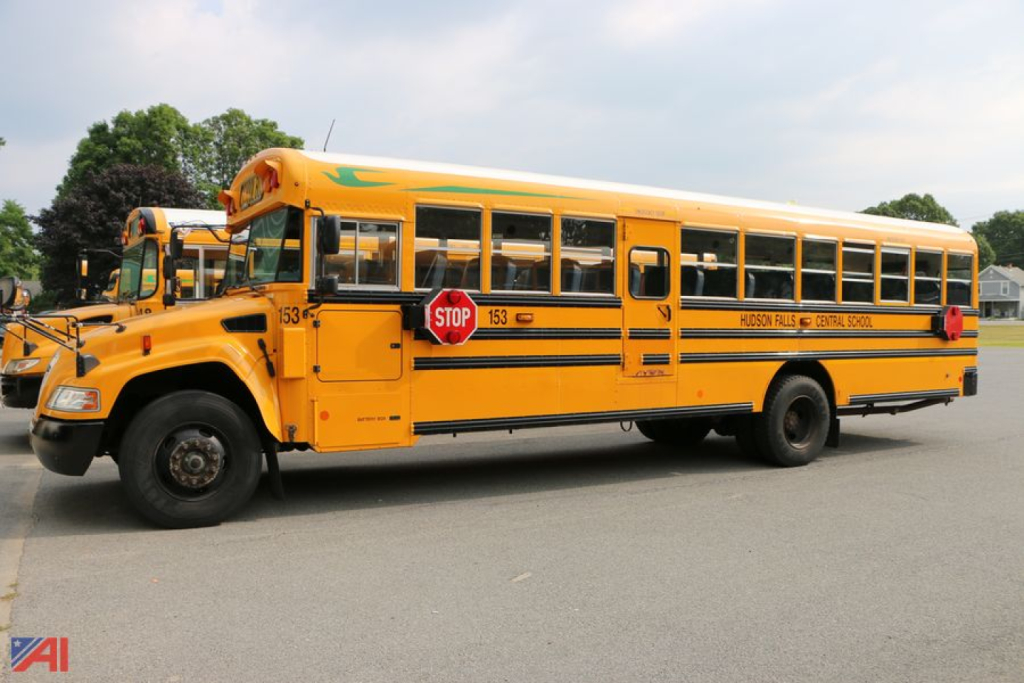
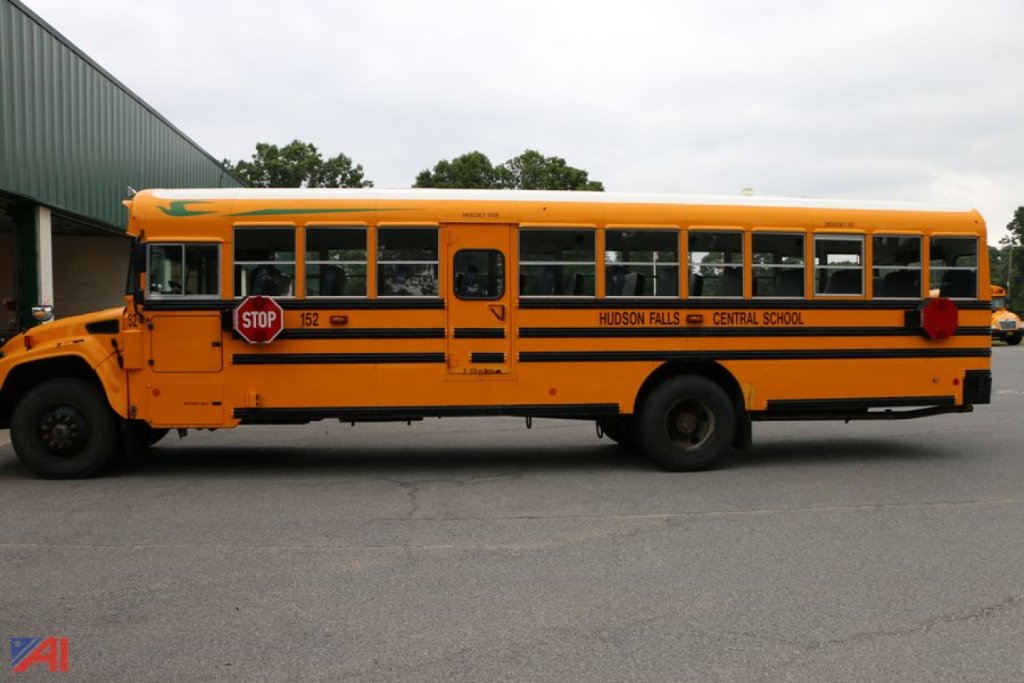
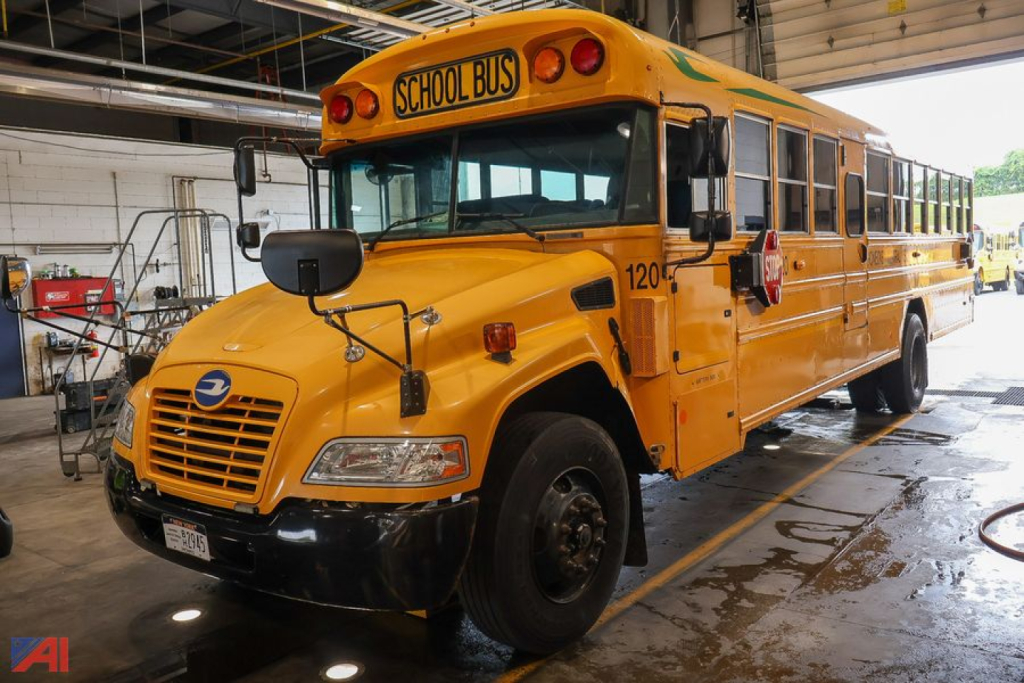
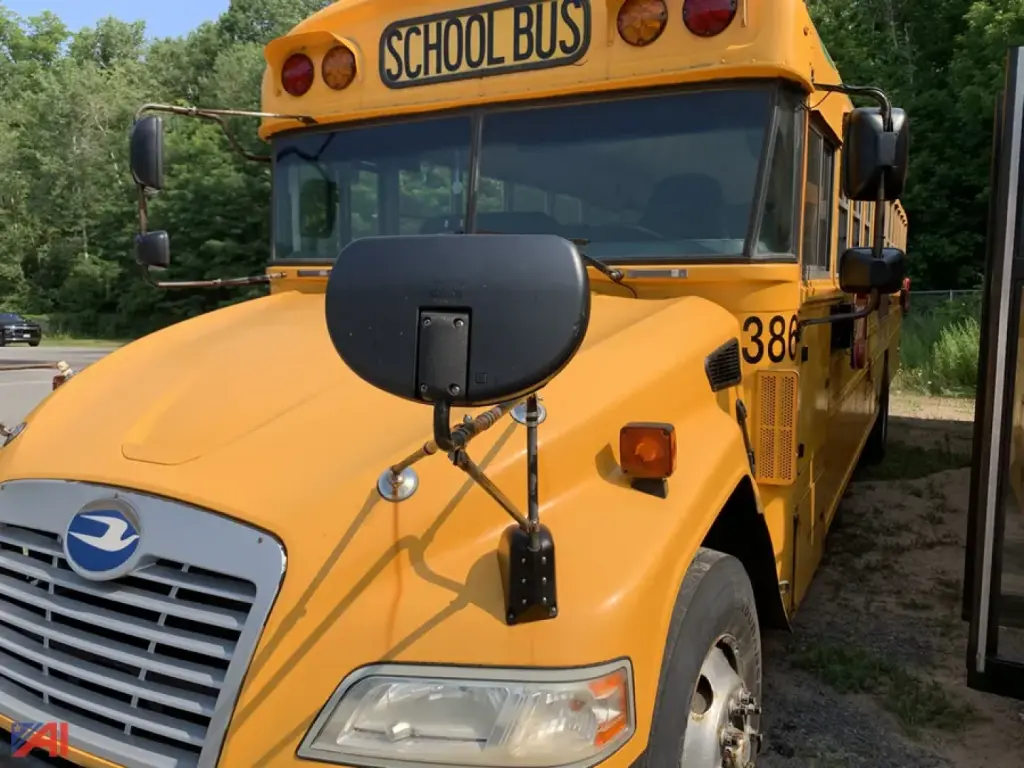
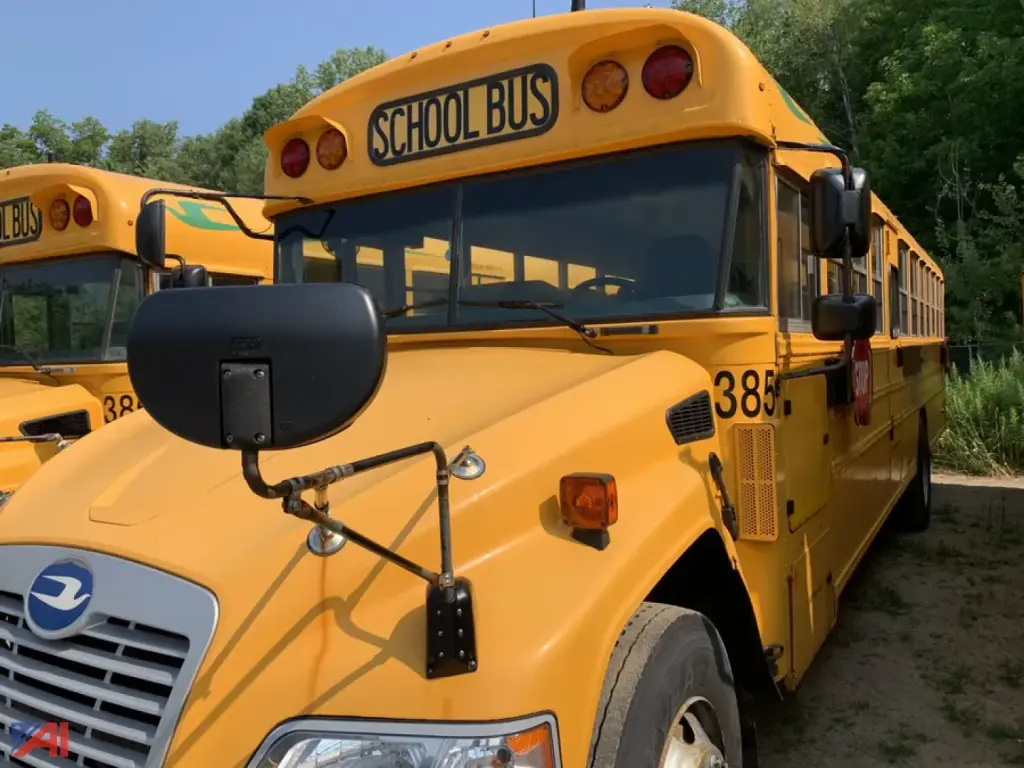
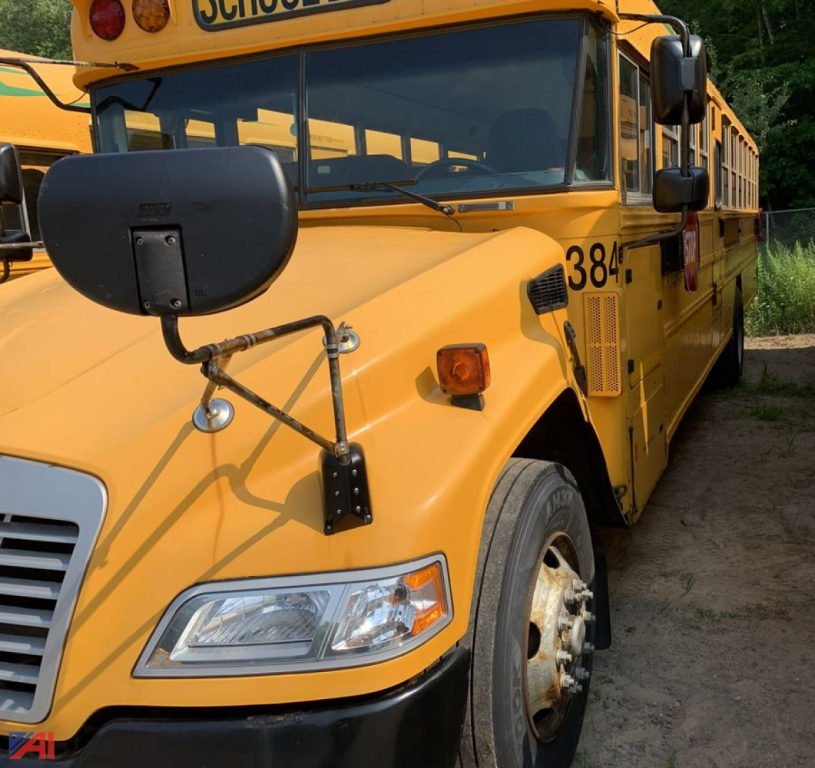
Have used 2017 blue bird truck to sell? List it here to reach thousands of buyers.
Used 2017 Blue Bird Trucks
On 2017 models, common checkpoints include diesel versus gasoline engine configuration, automatic transmission performance, front axle and suspension wear, and the condition of high-cycle components such as entry doors, seat frames, heaters, warning light systems, and wheelchair equipment if equipped. Buyers should also inspect underbody corrosion, floor integrity, roof seams, window seals, and electrical function across the body harness. Since many of these units spent their lives on fixed routes with frequent stops, brake wear, steering play, idle hours, and transmission shift quality matter just as much as odometer miles.
A used 2017 Blue Bird can be a practical buy for pupil transportation, nonprofit passenger movement, campus circulation, contractor crew hauling, or approved specialty conversion work. The Vision platform is known for straightforward parts support and widespread technician familiarity, which helps keep maintenance predictable. If the bus is being repurposed, check local and state requirements for seat removal, lighting changes, emergency exit compliance, GVWR limits, and CDL or passenger endorsement thresholds before purchase. Tire date codes, HVAC output, DEF system condition on diesel units, and service records should all be part of the evaluation.
The best buying decision usually comes down to matching the bus to the route. Short urban runs favor strong stop-and-go condition and body integrity, while longer rural routes put more emphasis on driveline health, ride quality, and cooling system performance. On any used 2017 Blue Bird truck or bus, a careful review of maintenance logs, fleet retirement reason, and a thorough pre-purchase inspection will tell you more than appearance alone. For buyers comparing several similar units, consistency in service history and rust condition often separates the better value from the cheaper listing.
Frequently Asked Questions about Used 2017 Blue Bird Trucks
What should I look for when buying a used 2017 Blue Bird Vision school bus?
Focus on service history, corrosion, drivetrain condition, and body electrical operation. A strong candidate should have maintenance records showing regular fluid service, brake work, and suspension upkeep. Check for rust under the floor, around step wells, body mounts, and luggage or battery compartments if equipped. Confirm that warning lights, heaters, entry door controls, gauges, and emergency exits all function correctly. On diesel units, inspect the DEF and aftertreatment system because emissions repairs can quickly change the total cost of ownership.
Is a 2017 Blue Bird Vision better for fleet use or private conversion?
The 2017 Blue Bird Vision can work well in either role, but the right choice depends on the bus's original configuration and condition. For fleet use, buyer priorities are reliability, seating layout, safety equipment, and predictable maintenance. For private conversion or specialty use, structural condition, roof and floor integrity, window sealing, and driveline health are usually more important than original seating capacity. A bus with clean service records and limited corrosion is generally a better foundation for either application than a lower-priced unit with deferred maintenance.
Do miles or hours matter more on a used Blue Bird bus?
Both matter, but route history often matters more than either number by itself. School buses can accumulate relatively modest miles while experiencing heavy stop-and-go use, long idle periods, and frequent door cycles. That kind of operation affects brakes, steering components, transmission wear, and engine hours. A bus with higher miles and strong maintenance documentation can be a better buy than a lower-mile unit that sat for long periods or missed scheduled service.
What engine and maintenance issues are common on used 2017 Blue Bird buses?
Common concerns include cooling system performance, front-end wear, brake system condition, electrical faults in body circuits, and emissions-system issues on diesel models. Buyers should inspect for leaks, check transmission shift quality on a road test, and verify that fault lights are not active. Tires, batteries, alternator output, and HVAC performance also deserve attention because these buses often operate on fixed schedules where downtime is costly. A pre-purchase inspection by a technician familiar with school buses is a smart step before committing.