
Used Blue Bird Trucks For Sale
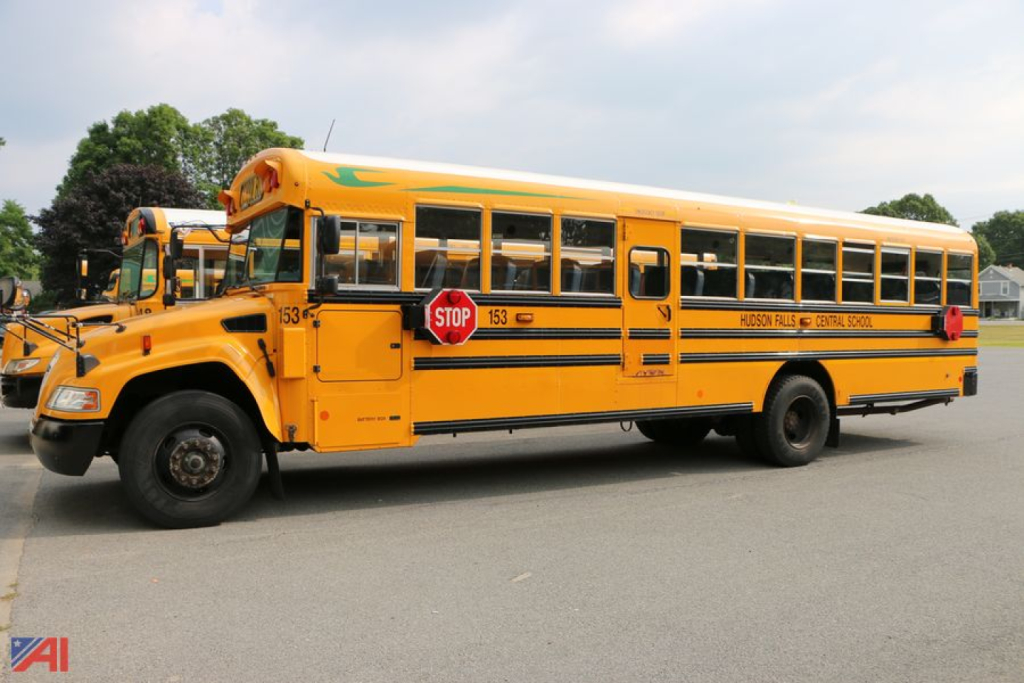
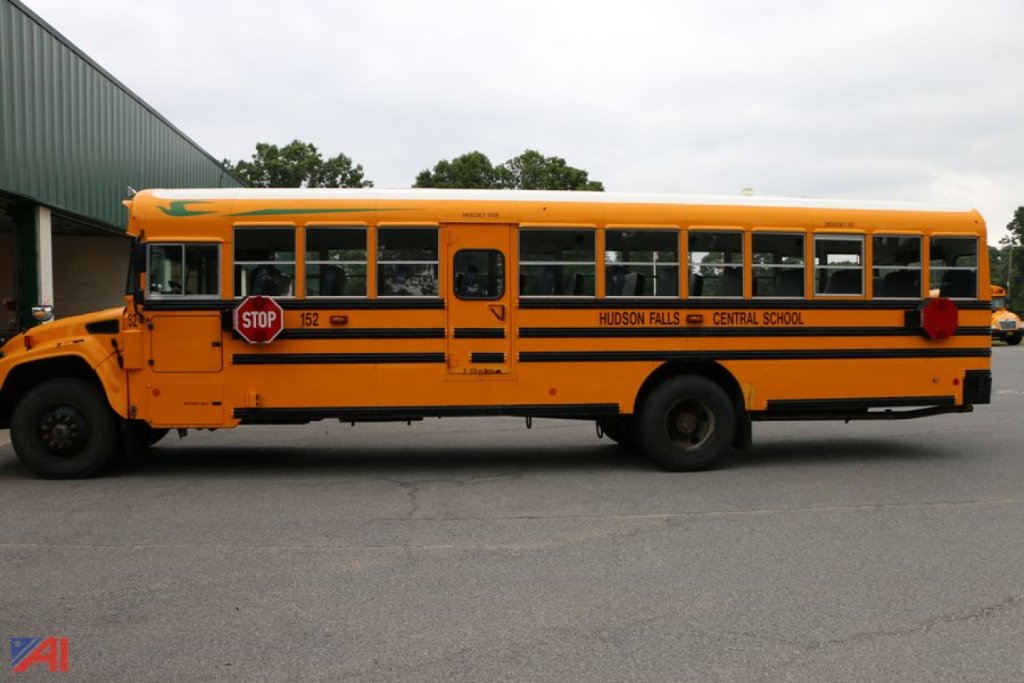
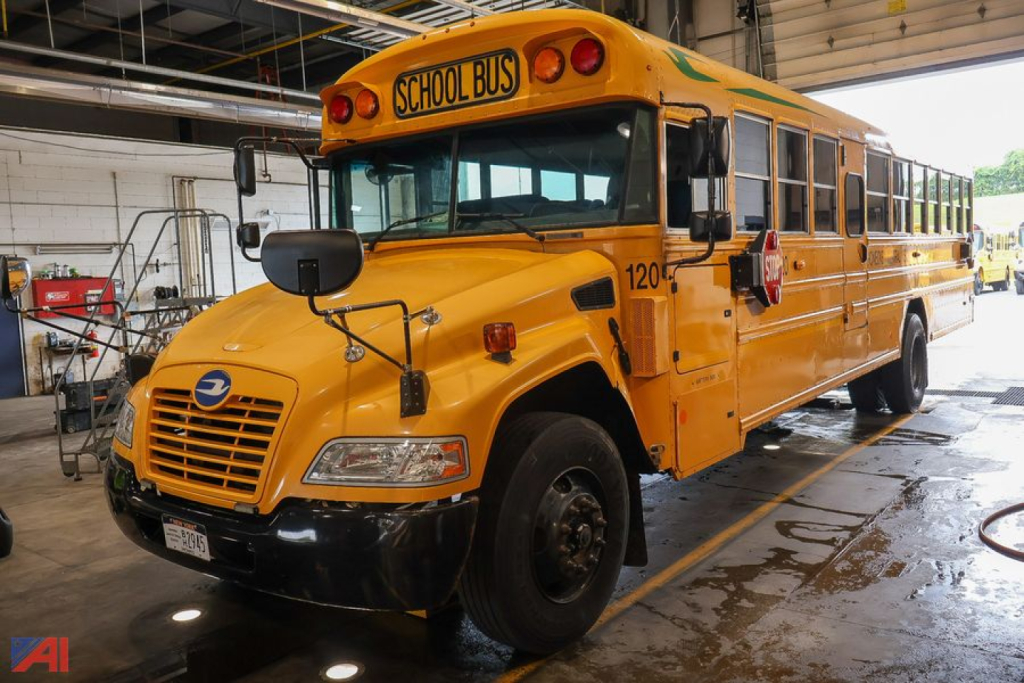
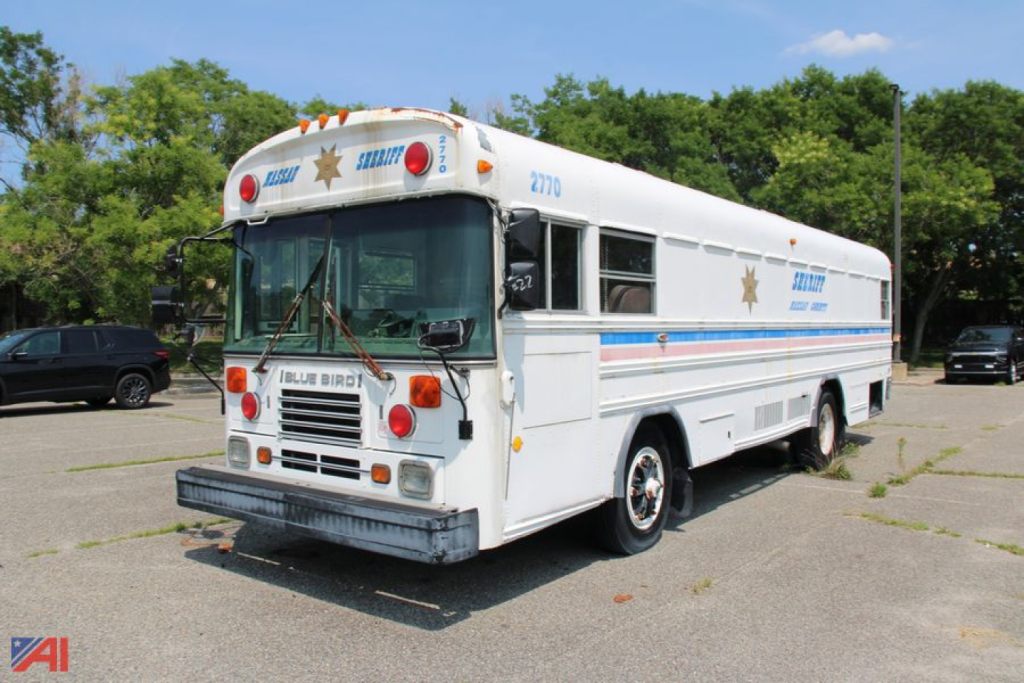
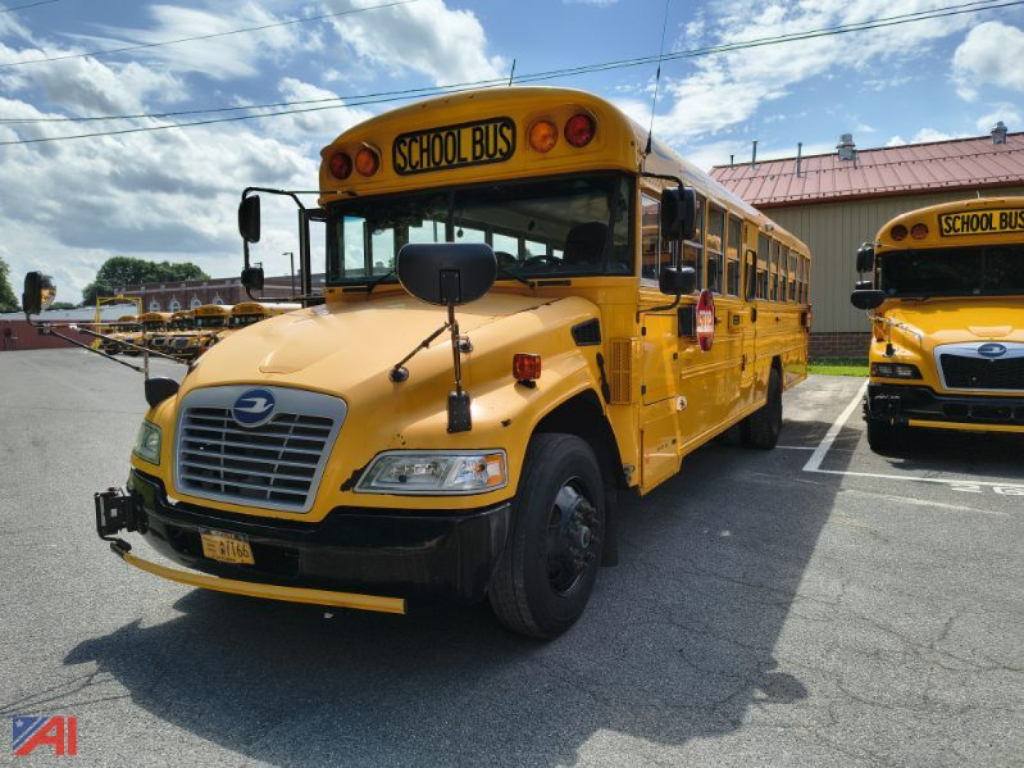
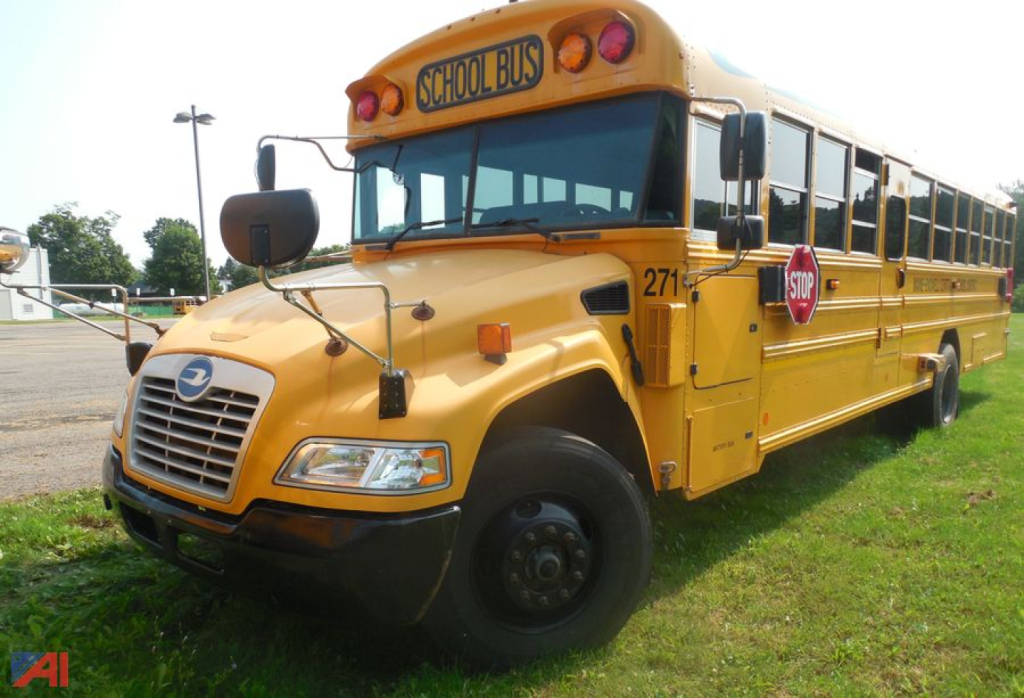
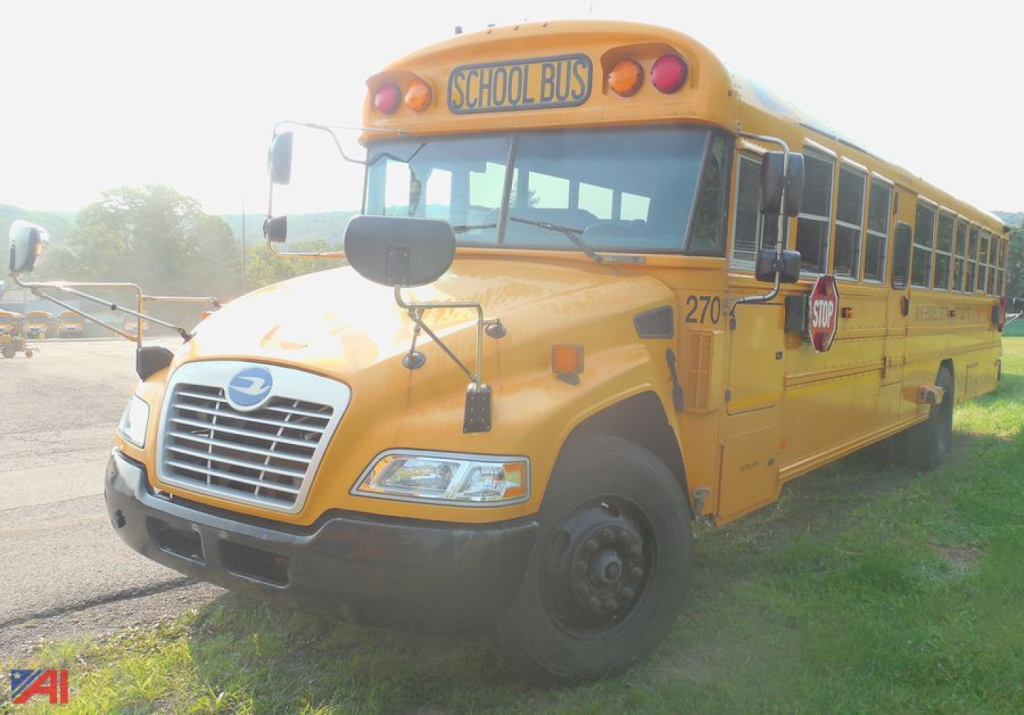
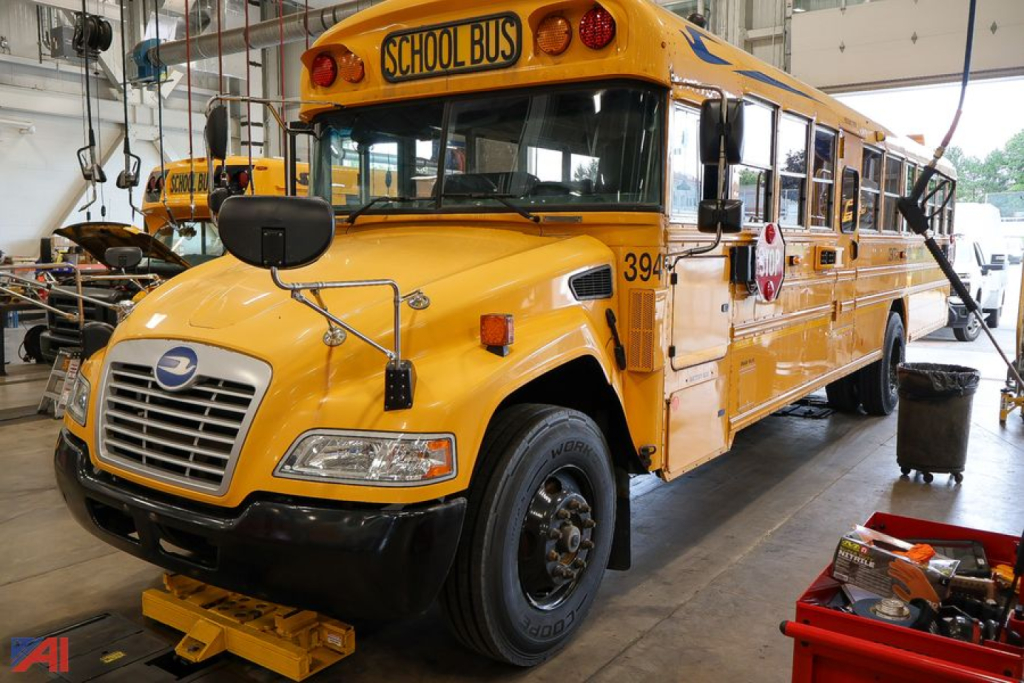
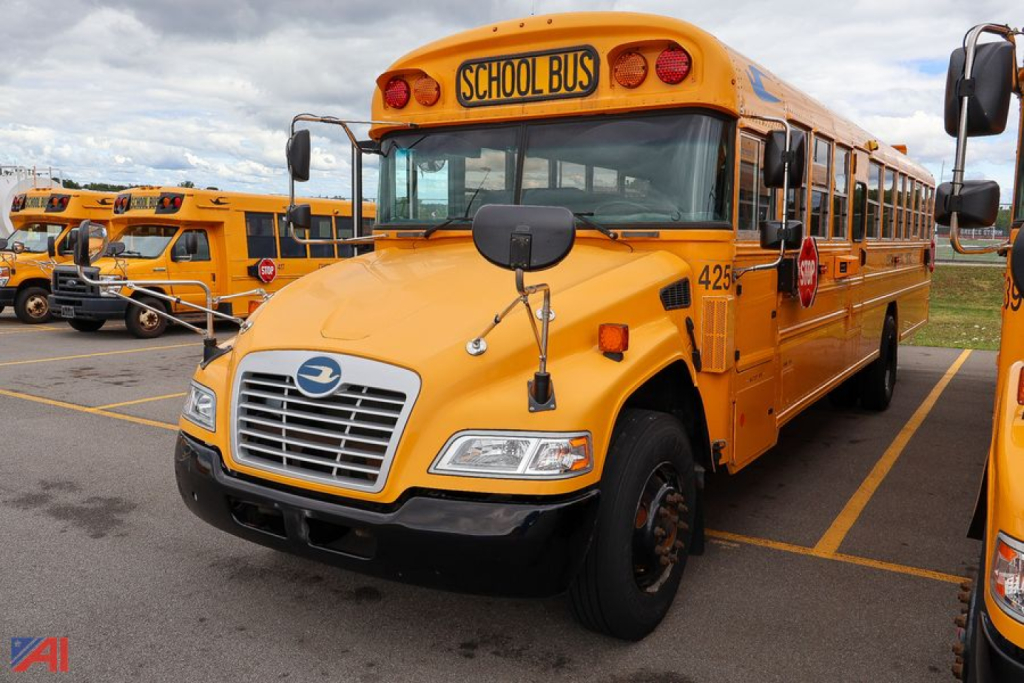
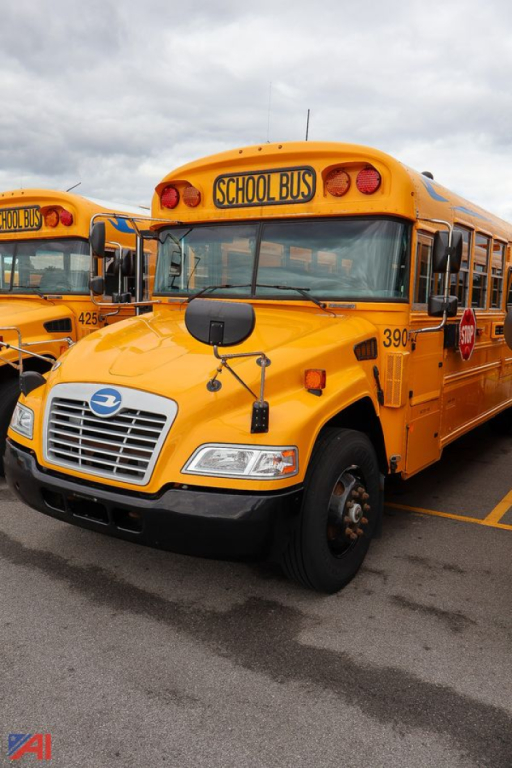
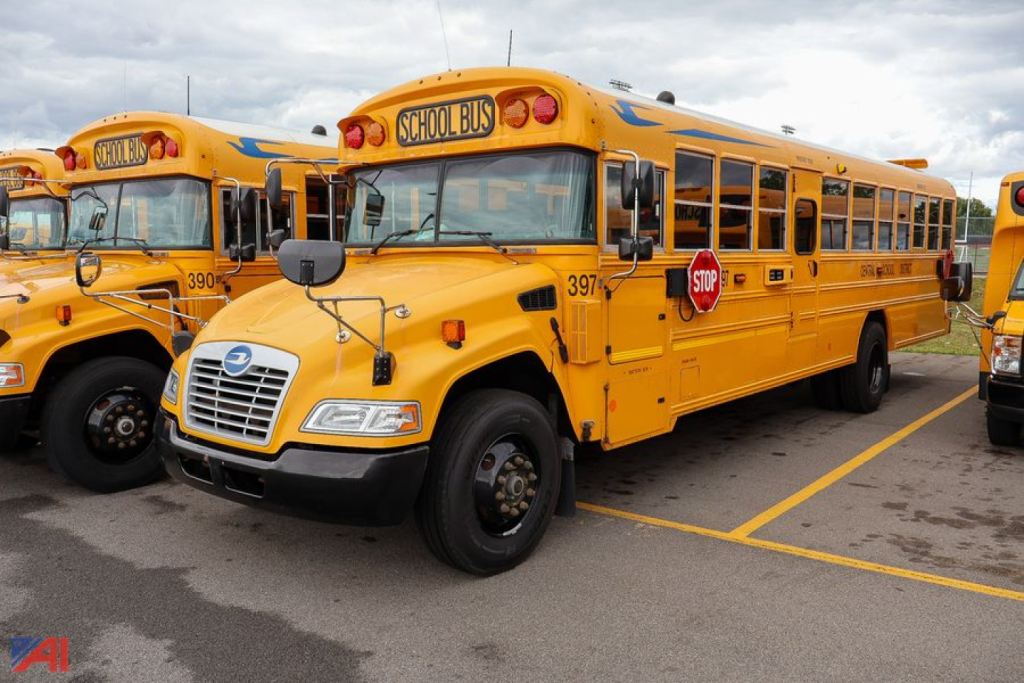
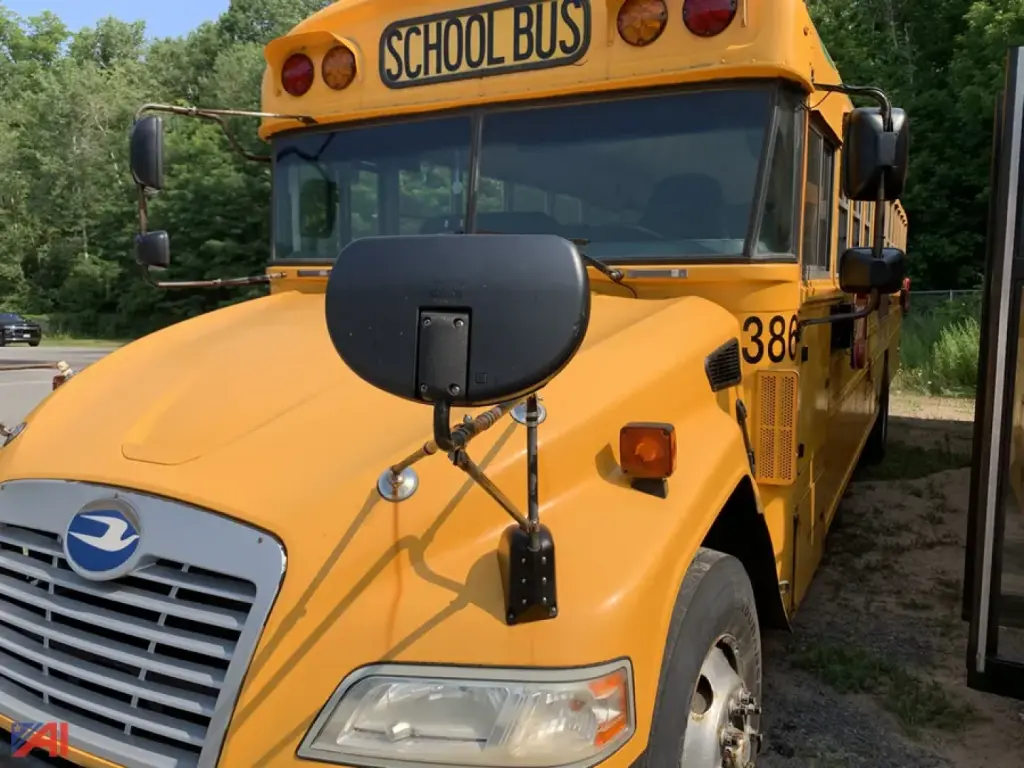
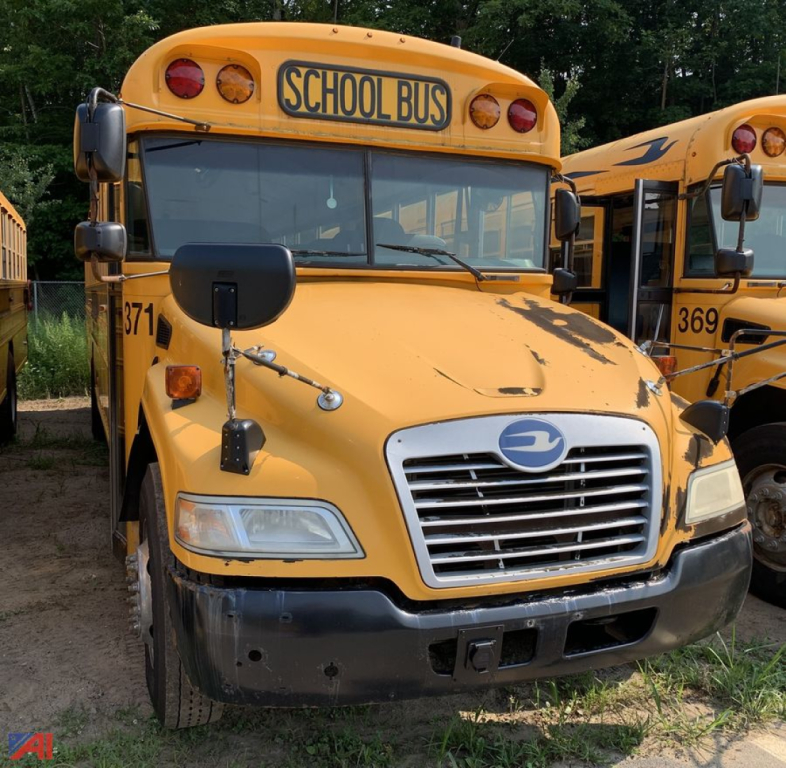
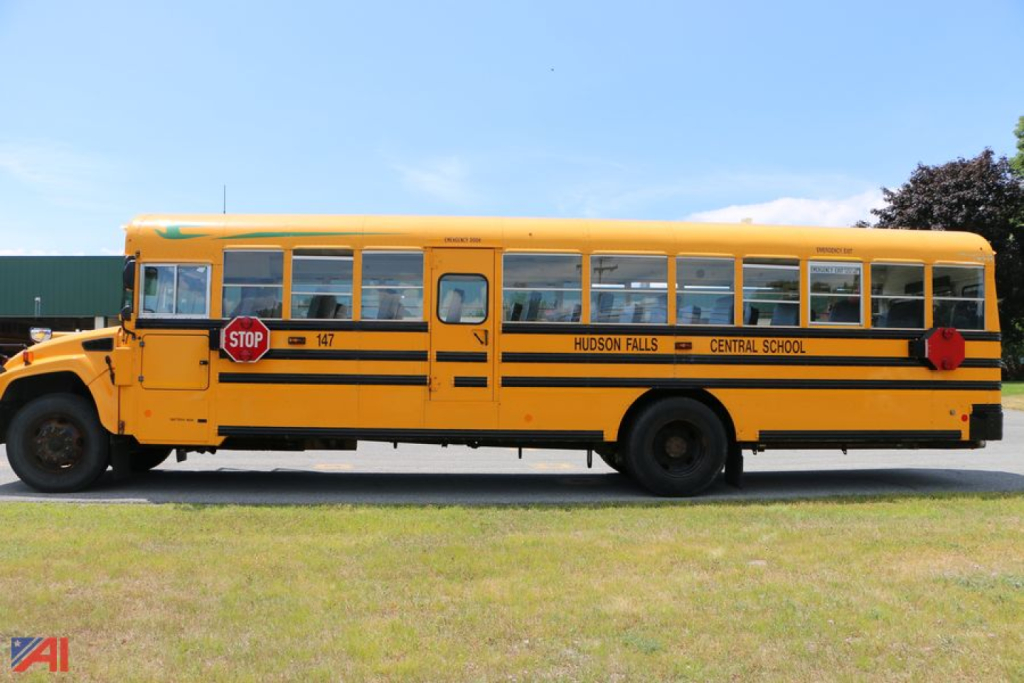
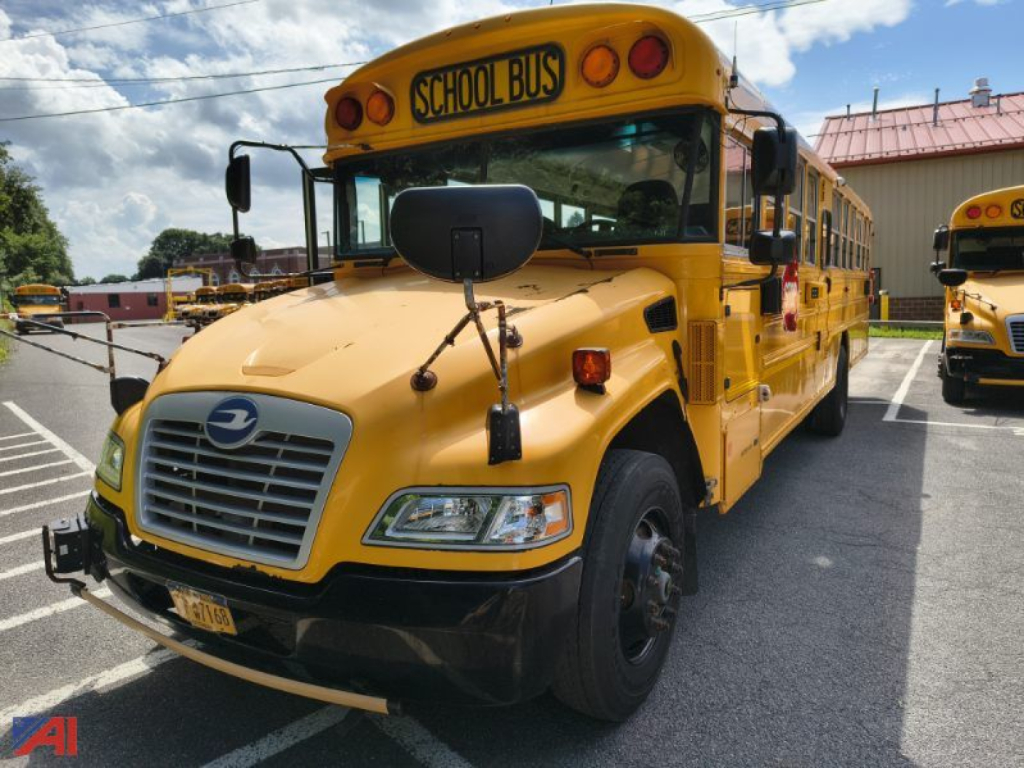
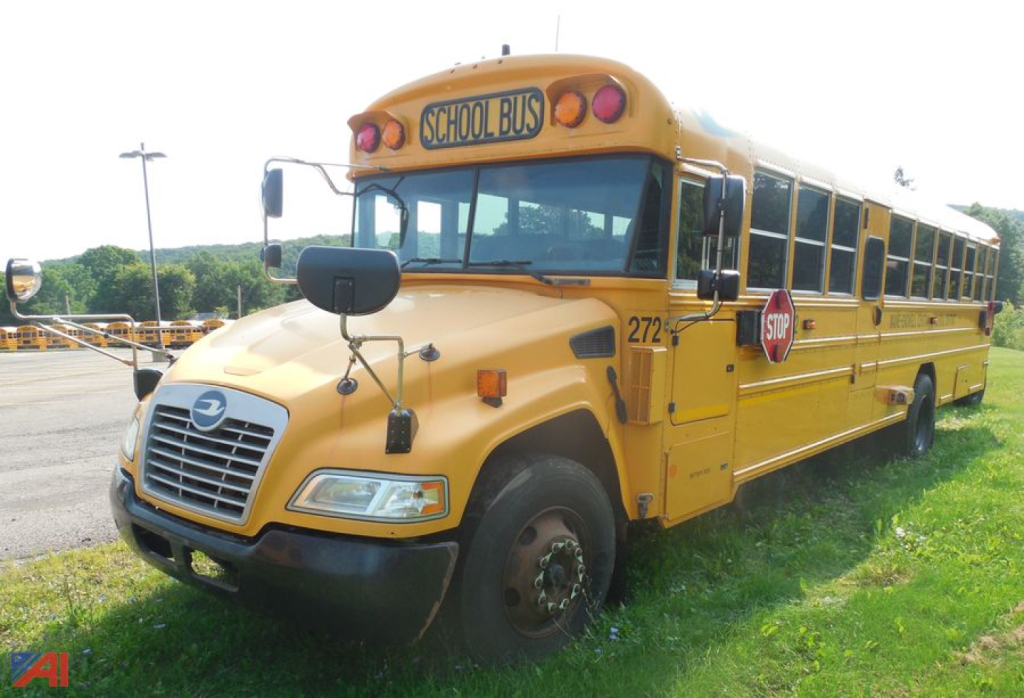
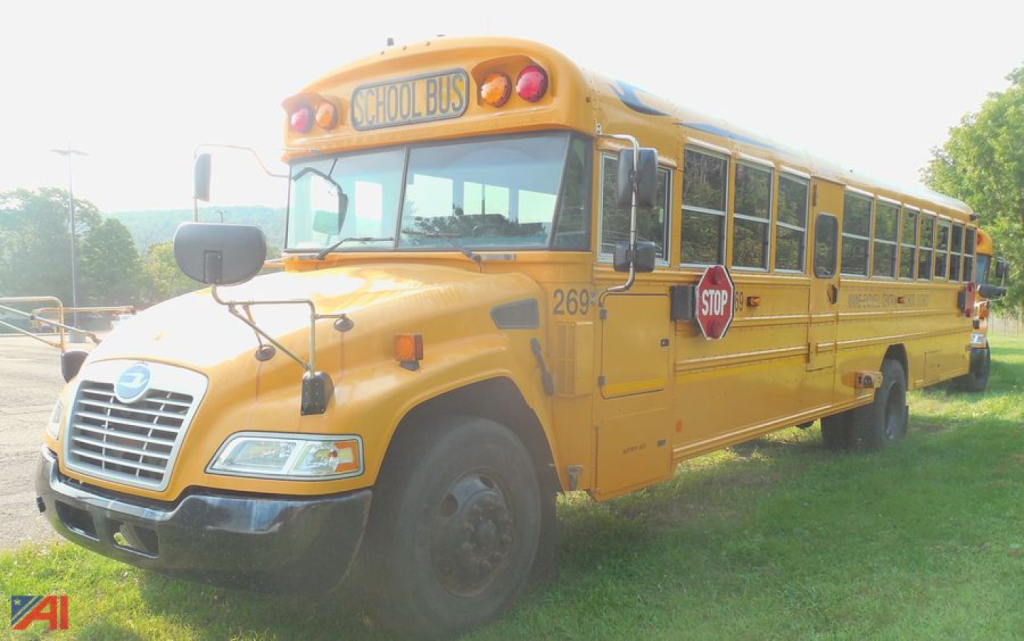
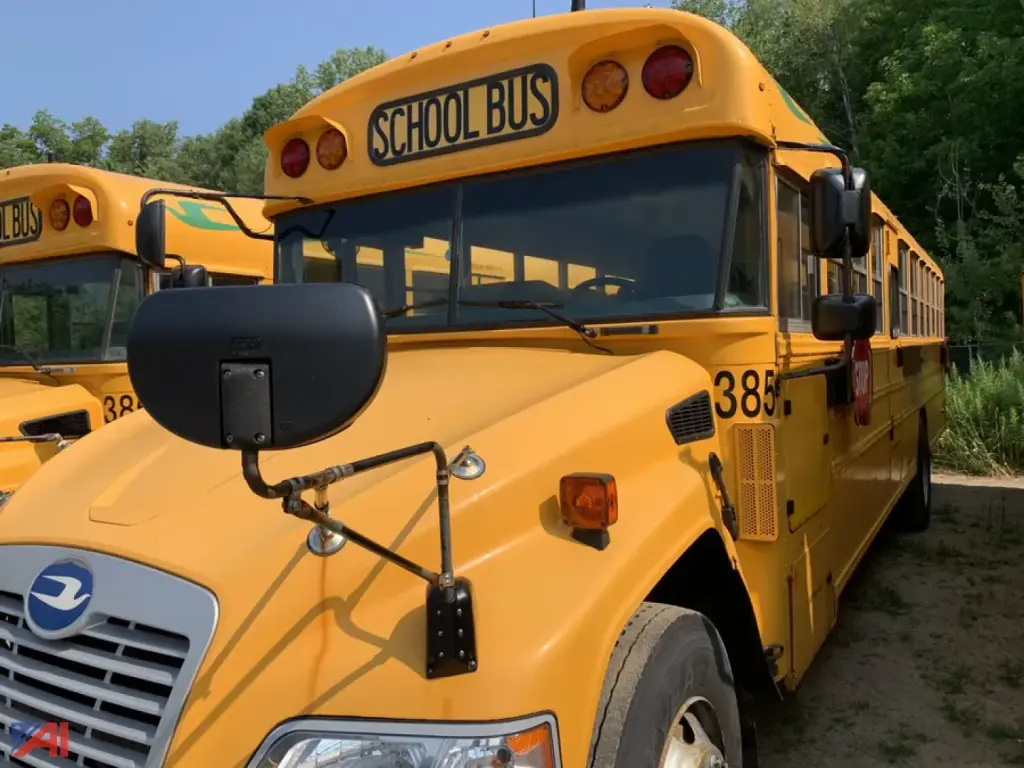
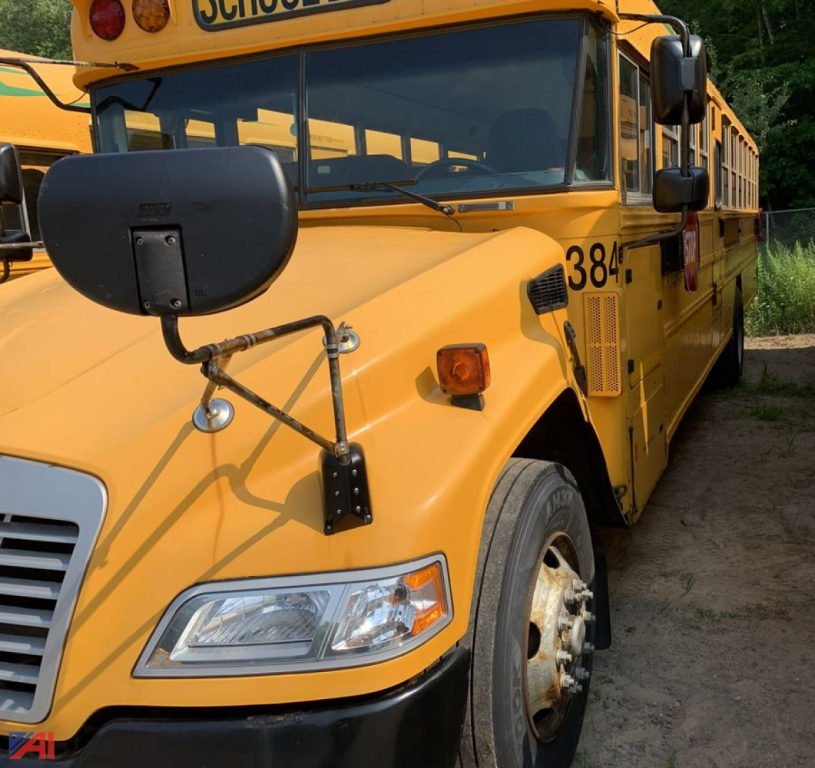
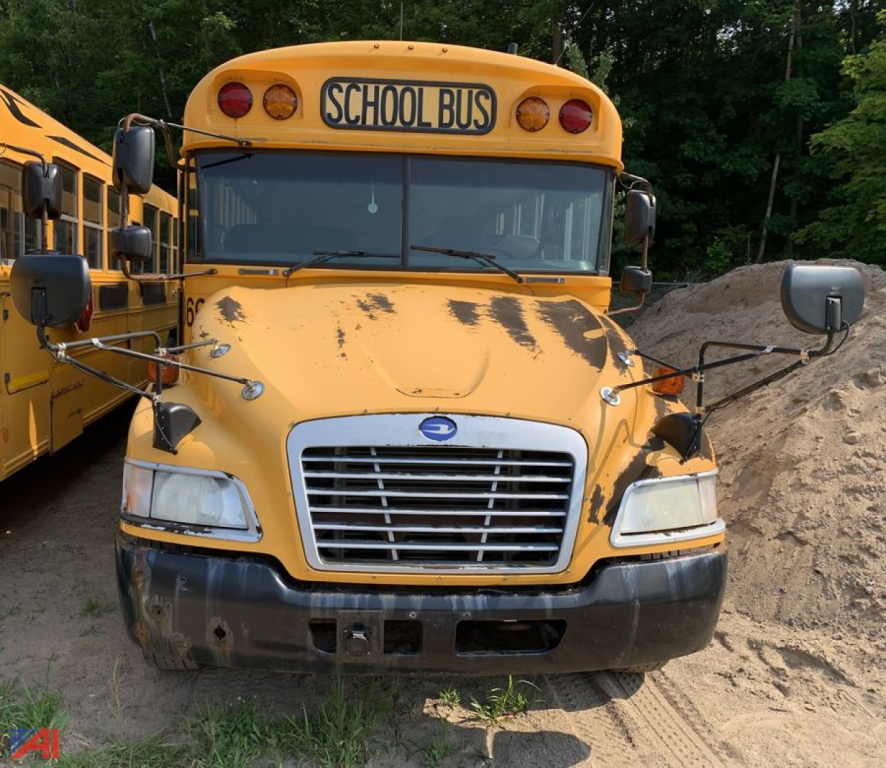
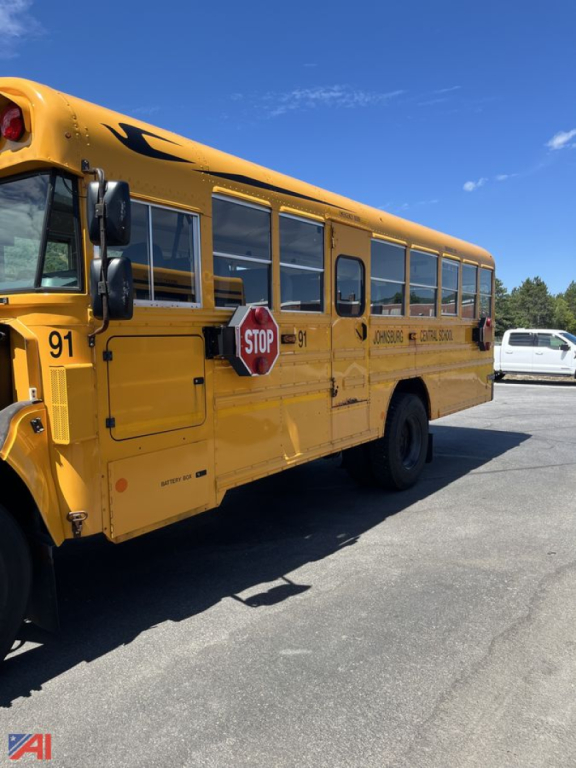
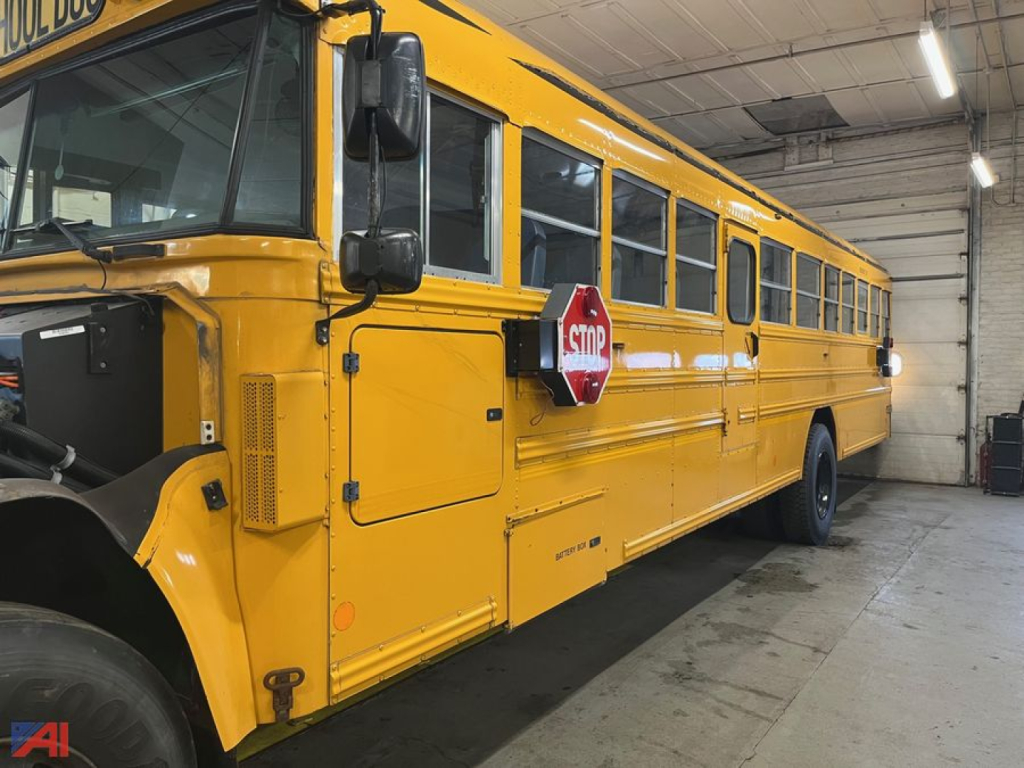
Have used blue bird truck to sell? List it here to reach thousands of buyers.
Used Blue Bird Trucks
A lot of used Blue Bird equipment is powered by gasoline or diesel medium-duty drivetrains, depending on model year and original spec. Buyers should pay close attention to engine hours, idle time, transmission behavior, rear axle ratio, and service history, especially on units that saw stop-and-go duty. Air brakes versus hydraulic brakes is another major dividing line. Suspension condition, steering play, frame corrosion, electrical system condition, and warning light operation matter more than cosmetic appearance on a bus-derived truck platform. If the unit is being repurposed, door operation, window condition, HVAC performance, wheelchair lift equipment if equipped, and seat mounting layout can all affect cost after purchase.
Blue Bird units are typically built for repetitive route service, so they can offer strong body durability and good parts familiarity in fleet settings. That said, buyers should inspect floor structure, stepwell corrosion, roof seams, side panels, underbody crossmembers, and any signs of water intrusion. On later-model used Blue Bird trucks or buses, emissions components such as EGR, DPF, and DEF systems should be evaluated carefully because replacement costs can change the economics of a lower-priced unit quickly. Tire date codes, suspension bushings, driveline vibration, cooling system health, and charging system output are also worth checking on equipment that may have spent years in local-service cycles.
For buyers comparing used Blue Bird trucks for sale, the best value usually comes from matching the platform to the job rather than shopping by price alone. A former school or shuttle configuration may suit private fleet transport, mobile classroom, church transport, airport support, work crew movement, or specialty conversion work, but axle ratings, GVWR, overall length, and interior layout still need to line up with local operating requirements. If the goal is commercial reuse, it is smart to verify title status, state inspection requirements, CDL implications, and any equipment decommissioning already completed before narrowing down a specific unit.
Frequently Asked Questions about Used Blue Bird Trucks
What should I inspect first on a used Blue Bird truck or bus-based vehicle?
Start with the chassis and drivetrain before looking at cosmetics. Engine condition, transmission operation, brake system type, steering wear, suspension condition, frame rust, and maintenance records will tell you more about long-term value than paint or interior appearance. On Blue Bird units, floor structure, stepwell corrosion, electrical accessories, and body leaks also deserve close inspection because these issues can add significant repair cost after purchase.
Are most used Blue Bird trucks actually buses?
Yes. Blue Bird is primarily known for school buses and commercial bus platforms, so many used Blue Bird trucks for sale are bus-based vehicles rather than conventional box trucks or tractors. Buyers often shop them for transport, shuttle, church, municipal, campus, mobile business, or conversion use. The important factor is how the original body and seating configuration align with the new application.
What engine and emissions issues matter most on a used Blue Bird?
Model year drives a lot of the risk profile. Older diesel units may have fewer emissions components, while newer ones can include EGR, DPF, and DEF systems that need to be in proper working order. Fault codes, parked regens, excessive idle history, hard starts, coolant loss, and poor transmission shift quality are all signs to investigate. A lower purchase price can become expensive quickly if major emissions or cooling system repairs are overdue.
Can a used Blue Bird be converted for commercial or specialty use?
Many can, and that is one of the main reasons buyers look at them. Common second-life uses include work crew transport, church buses, mobile classrooms, RV or skoolie conversions, storage, training units, and specialty service builds. Before converting, verify GVWR, axle ratings, title requirements, local registration rules, CDL thresholds, and the cost of removing or modifying seats, lifts, warning equipment, or school-bus-specific hardware.
Is mileage the most important factor when buying a used Blue Bird?
Not by itself. Blue Bird units often operate in stop-and-go service, so engine hours, idle time, maintenance quality, and route conditions can matter as much as odometer mileage. A higher-mile unit with solid records and clean structural condition can be a better buy than a lower-mile vehicle with rust, neglected service, or unresolved electrical and emissions issues.