
Used 2017 Blue Bird Bus Trucks For Sale
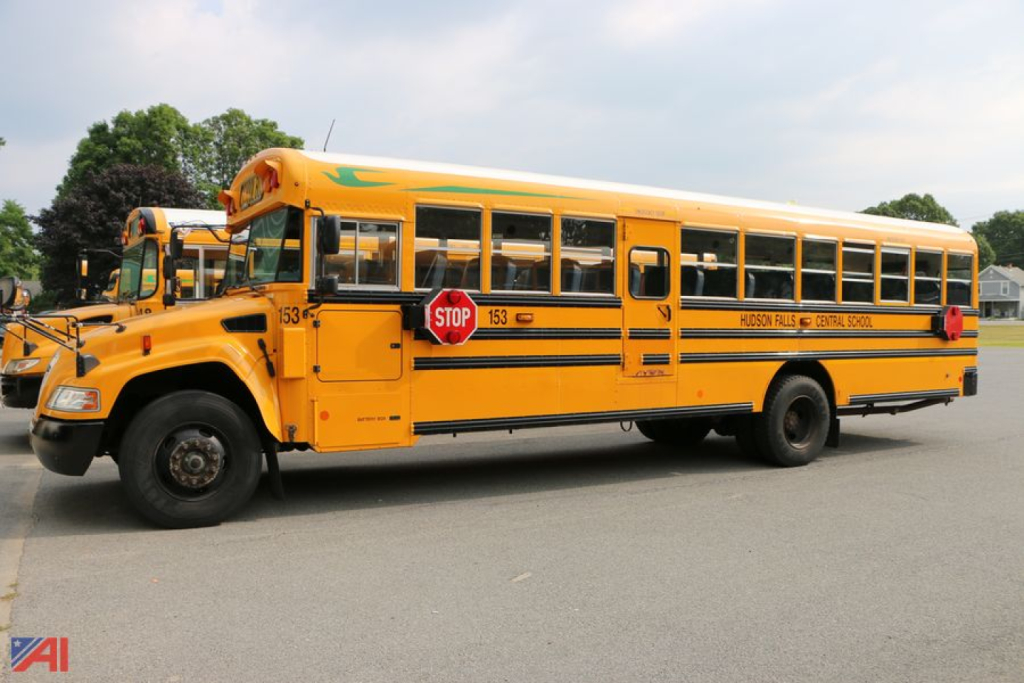
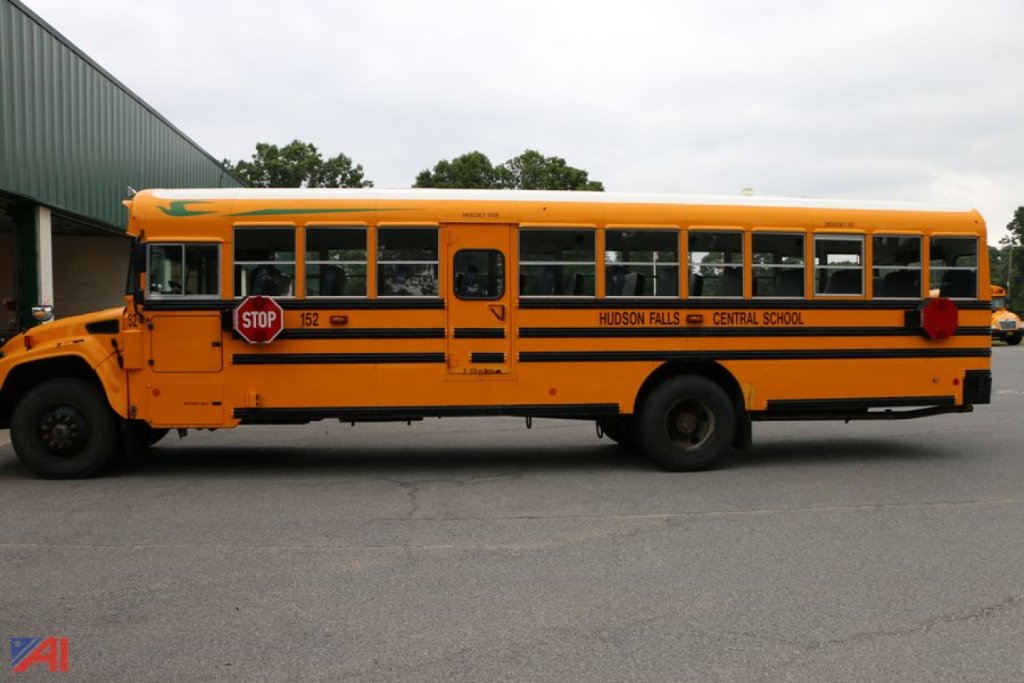
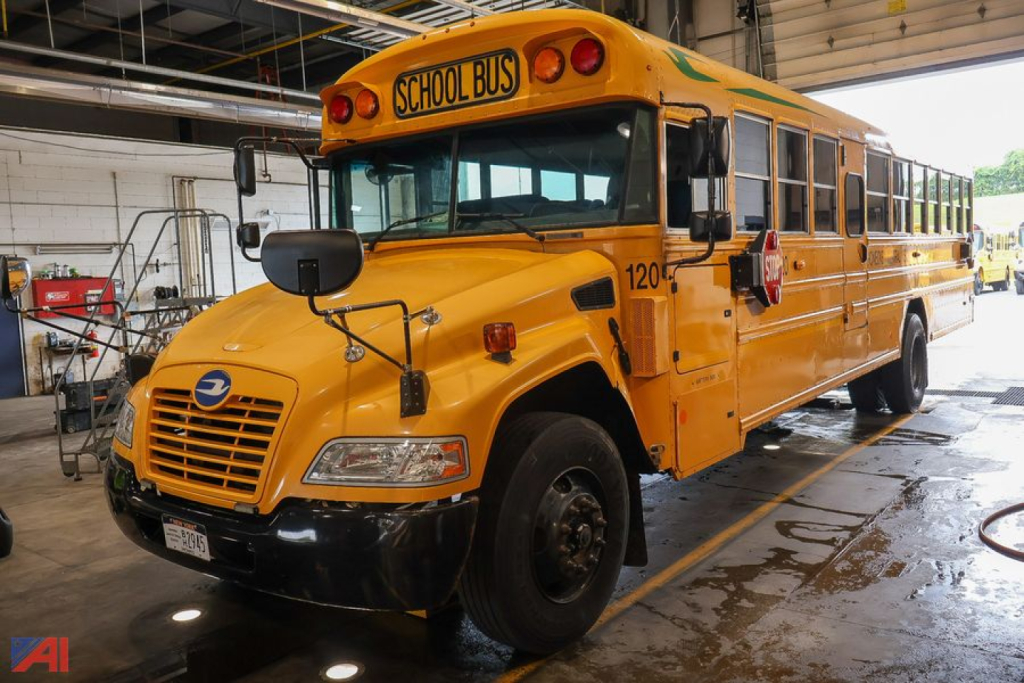
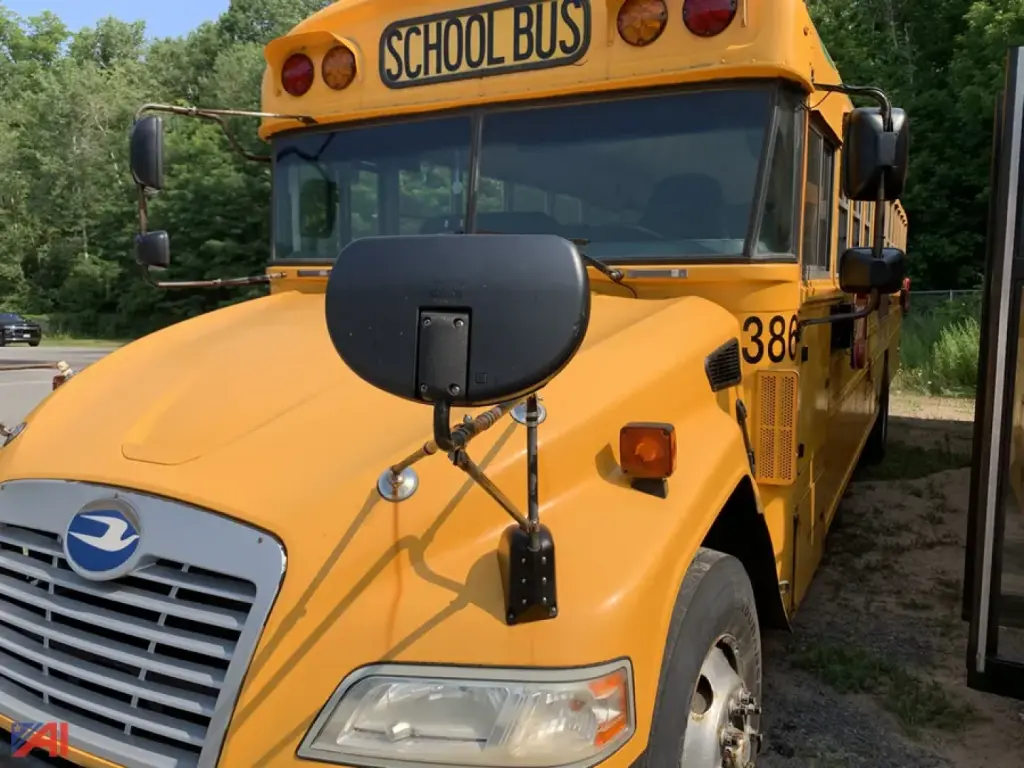
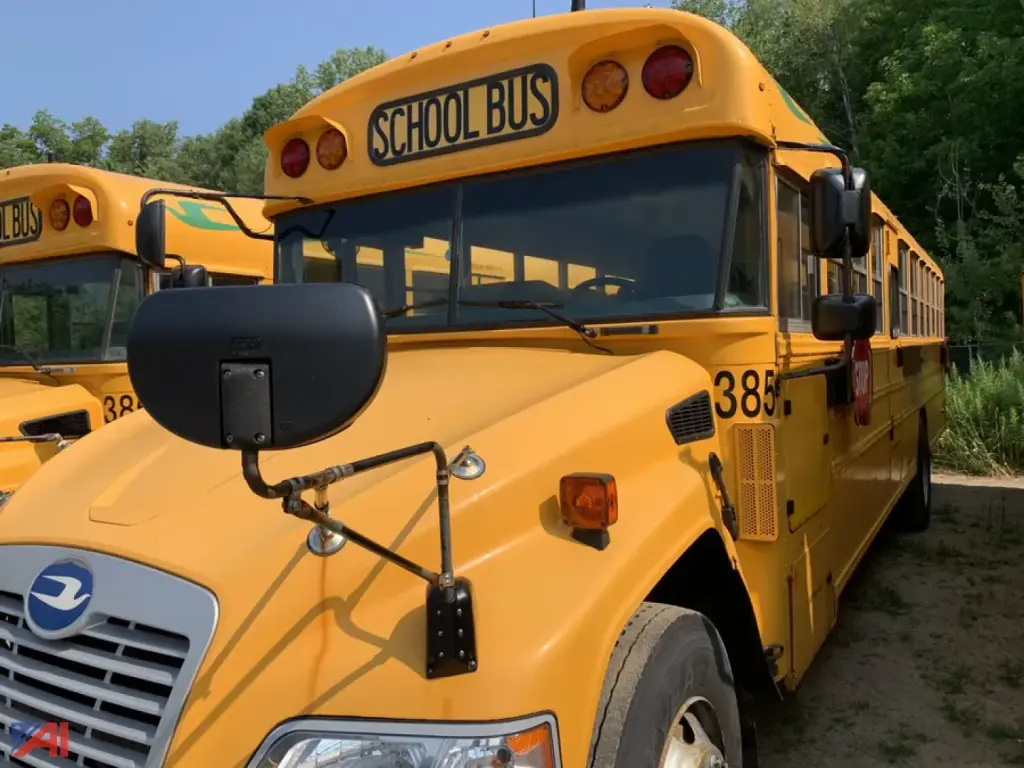
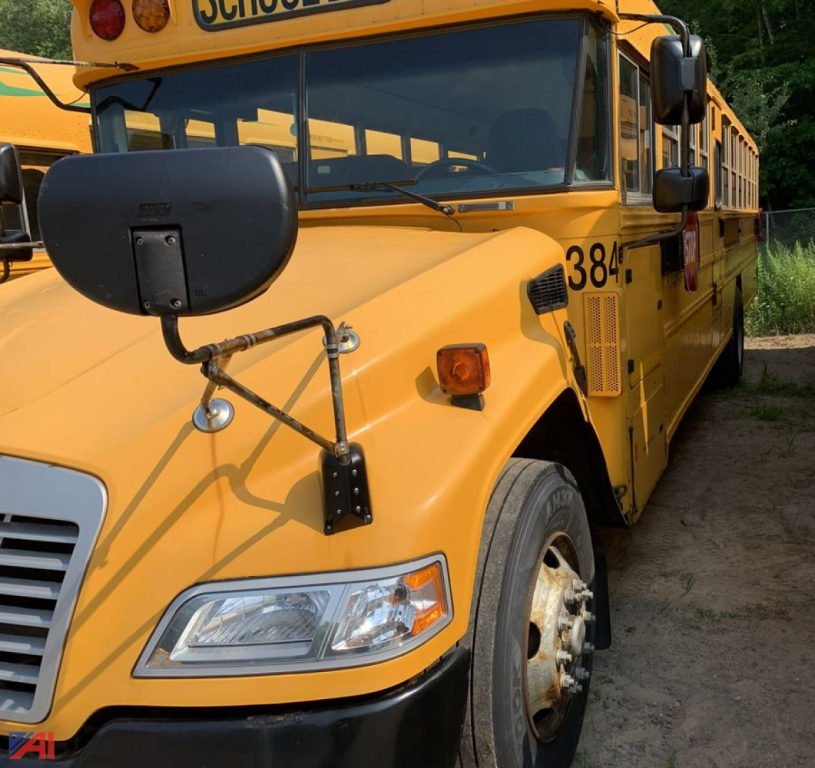
Have used 2017 blue bird bus truck to sell? List it here to reach thousands of buyers.
Used 2017 Blue Bird Bus Trucks
On a 2017 Blue Bird bus, engine and drivetrain specs matter more than paint or seating trim. Many units in this year range were built with gasoline or diesel power depending on original fleet requirements, and transmission pairing has a direct effect on drivability, service cost, and route performance. Look closely at idle hours, total miles, cooling system condition, brake type, tire date codes, and suspension wear. If the bus came out of a school fleet, preventive maintenance records can be a major advantage because many municipal and district-operated units follow strict inspection intervals. Rust at the stepwell, underbody, body mounts, and emergency door framing is especially important on buses from snow-belt states.
A used 2017 Blue Bird bus can fit several applications beyond student transport, but the body style should match the job. Full-size school buses offer high passenger capacity and durable interiors, while smaller configurations can be easier to park and register for private use. Buyers converting a Blue Bird bus into a mobile office, RV, outreach vehicle, or specialty commercial unit should pay close attention to floor condition, roof integrity, window style, underbody storage limitations, and HVAC layout before purchase. Existing wheelchair lifts, rear or side emergency exits, and electrical panels can add value or complicate a conversion depending on the plan.
The best buying decision usually comes down to configuration and history, not just year and make. Check for clear title status, current inspection compliance, seat belt setup if required by your operation, and emissions equipment condition if the bus will stay in commercial service. A 2017 Blue Bird Vision with solid maintenance documentation, clean frame rails, and the right seating or conversion layout can be a dependable medium-duty passenger platform with long service life remaining.
Frequently Asked Questions about Used 2017 Blue Bird Bus Trucks
What should I look for first on a used 2017 Blue Bird bus?
Start with service records, miles, engine hours, rust condition, and title status. On a 2017 Blue Bird bus, structural condition is as important as drivetrain condition. Inspect the stepwell, floor, frame rails, body mounts, and lower side panels for corrosion. Then verify engine performance, transmission operation, brake condition, tire age, and HVAC function. If it is a former school bus, confirm that warning light systems, stop arms, and route-specific equipment align with your intended use or can be legally removed.
Is the 2017 Blue Bird Vision a good platform for a school fleet or bus conversion?
Yes, the 2017 Blue Bird Vision is commonly considered a strong platform because it uses a conventional front-engine layout that is generally easier to service than a flat-front transit bus. For school fleets, that can mean simpler maintenance access and familiar parts sourcing. For conversions, it offers a durable body and a wide interior footprint, but buyers should evaluate floor rust, roof leaks, window configuration, and electrical layout before making plans for insulation, plumbing, or cabinetry.
What engine and transmission details matter most on a 2017 Blue Bird bus?
The most important details are fuel type, horsepower and torque rating, transmission model, and maintenance history. These factors affect reliability, route suitability, and long-term operating cost. A bus used in stop-and-go service may show more wear on brakes, cooling components, and the transmission than one used on lighter duty runs. Buyers should also confirm emissions system condition, especially on diesel units, because repairs to aftertreatment components can be expensive.
How many passengers can a used 2017 Blue Bird bus carry?
Passenger capacity depends on the exact body length, seating layout, and whether the bus was built for school routes, activity use, or special-needs transport. Full-size Blue Bird school buses often carry dozens of passengers, but actual legal capacity can change if seat spacing has been modified or if wheelchair positions are installed. Always verify the manufacturer plate, original specifications, and local registration requirements rather than relying only on a seller description.
Are former school district Blue Bird buses usually well maintained?
Many are, because school districts and municipalities often follow scheduled preventive maintenance and inspection programs. That said, maintenance quality still varies by fleet, budget, and climate. A bus with documented PM intervals, repair invoices, and regular state inspections is generally more desirable than one with limited records. Even a well-maintained unit should still be inspected for rust, leaks, suspension wear, and deferred repairs before purchase.