
Used 2017 Blue Bird Bus Trucks For Sale in New York
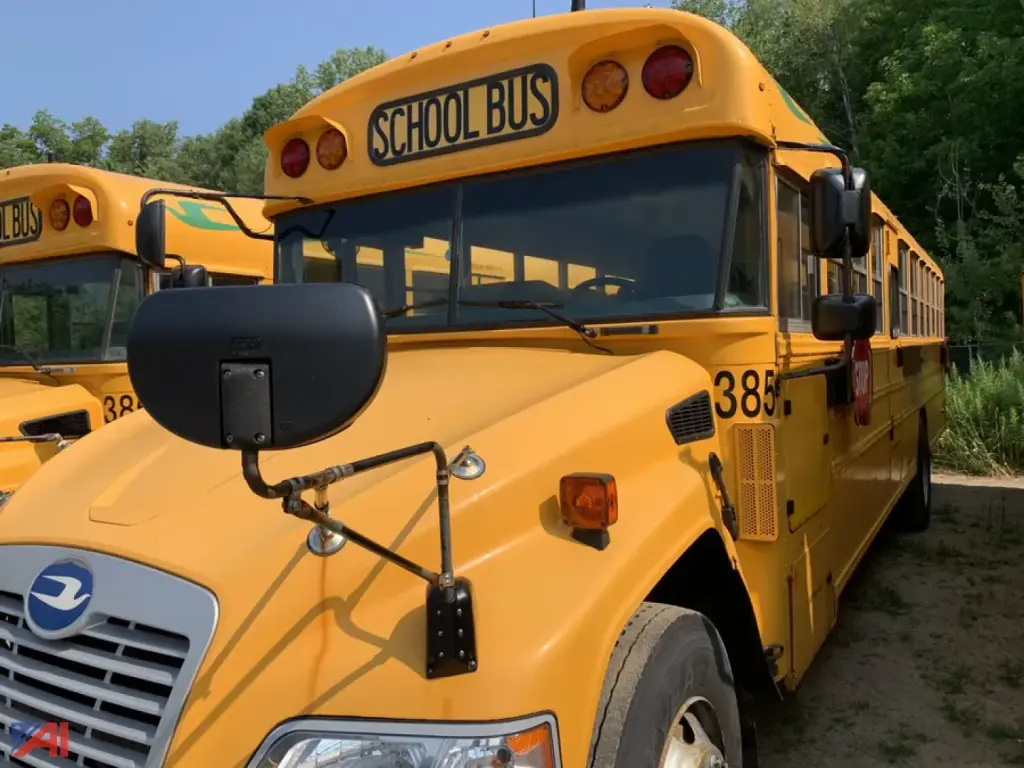
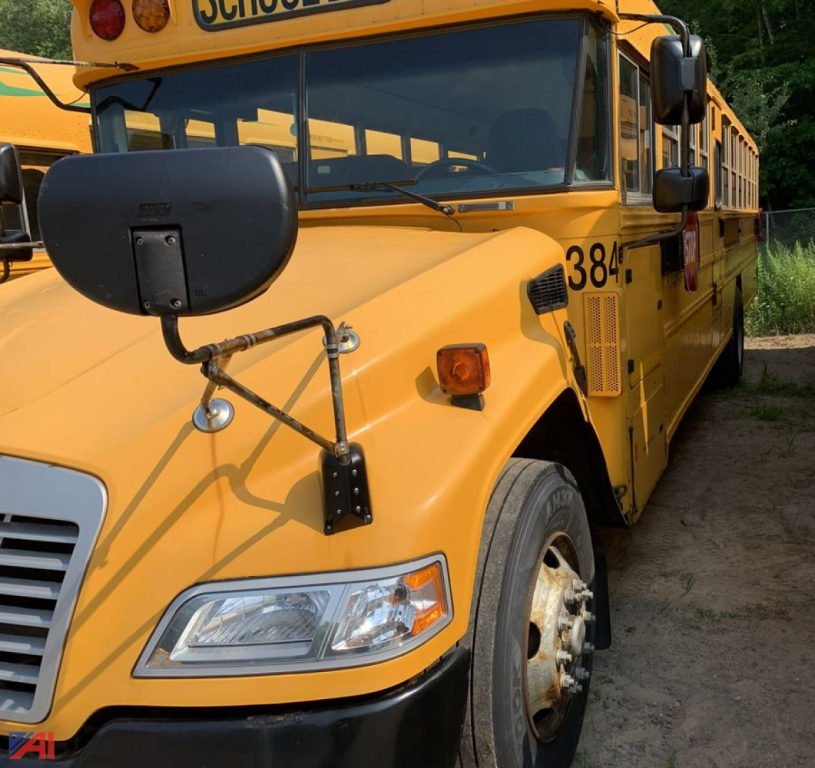
Have used 2017 blue bird bus truck to sell? List it here to reach thousands of buyers.
Used 2017 Blue Bird Bus Trucks in New York
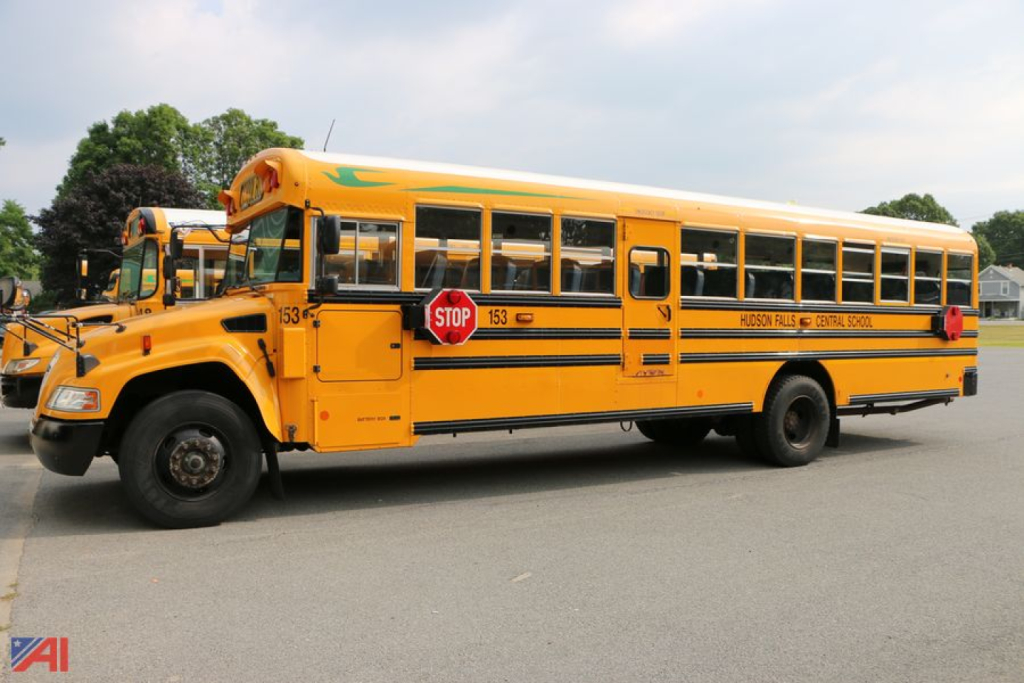
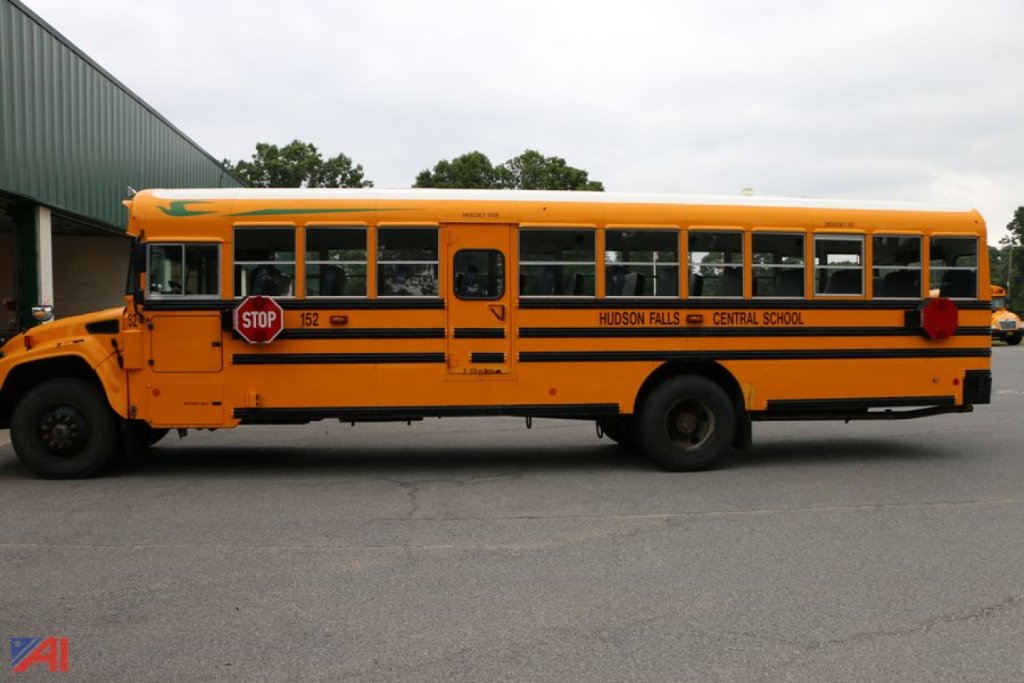
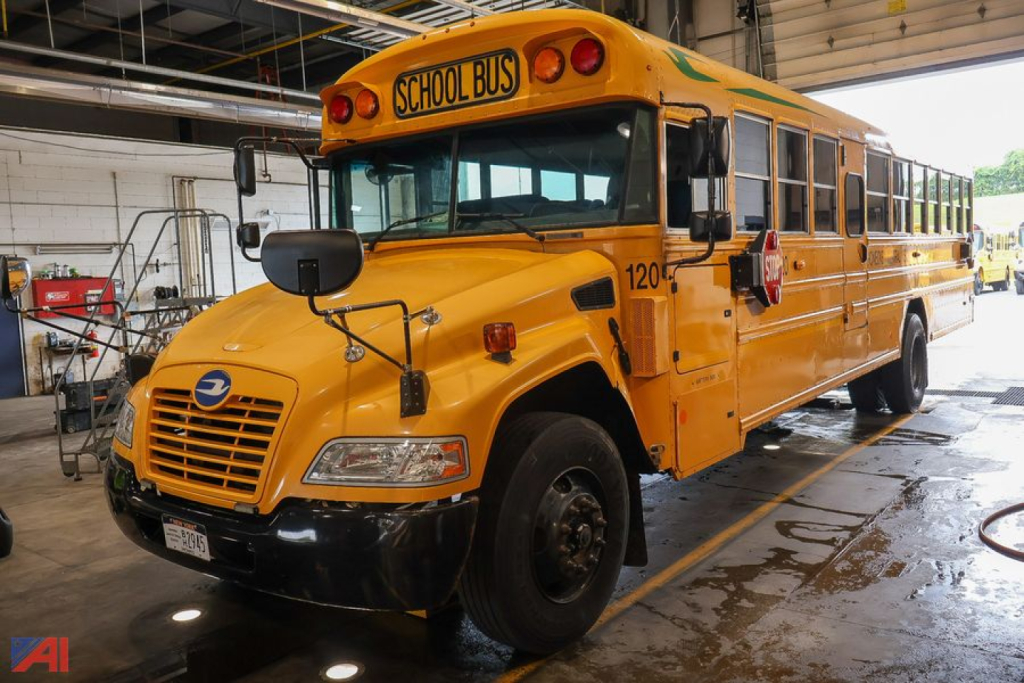
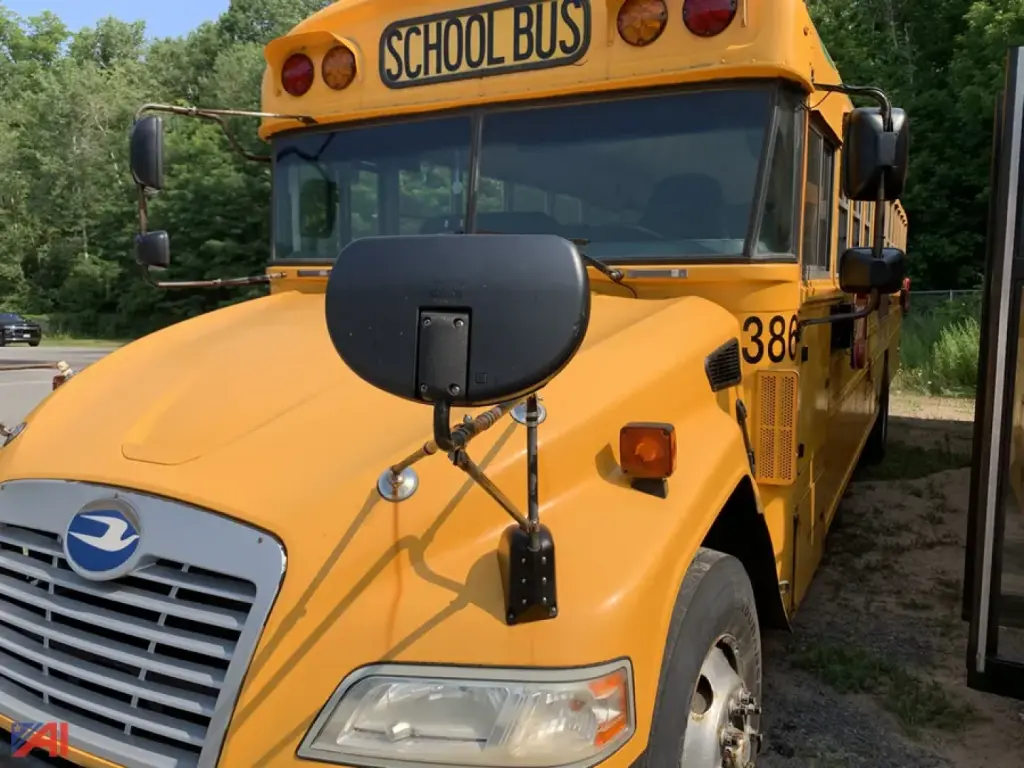
The first buying decision is usually body size and passenger capacity. A 2017 Blue Bird bus can range from shorter configurations suited to tighter local routes up to full-size school bus layouts with high seating counts. Buyers should confirm seat count, wheelbase, overall length, luggage or underbody storage if applicable, and whether the bus has air or hydraulic brakes. Suspension type, tire condition, rust around stepwells and body mounts, and the condition of the flooring and subfloor are especially important on buses that have operated through New York winters. Corrosion at the entrance door, rear corners, electrical connectors, and underbody crossmembers can affect long-term value more than odometer reading alone.
Powertrain and operating history deserve close attention on any used 2017 Blue Bird bus. Depending on configuration, these buses may be equipped with gasoline, propane, or diesel engines paired to an automatic transmission. Buyers should verify engine make, emissions equipment, idle hours if available, maintenance records, and any recent work involving injectors, cooling systems, DEF components, or transmission service. On school bus applications, stop-and-go duty cycles put wear on brakes, steering components, door systems, and driver controls, so a thorough inspection should include warning lights, multiplex electronics, heaters, wheelchair equipment if fitted, and all state-required safety systems. If the bus is being repurposed for private shuttle or non-school use, confirm title status, seating layout, emergency exit compliance, and any decommissioning requirements for school bus lights or markings.
For many buyers, a used 2017 Blue Bird bus is attractive because it sits in a practical middle ground. It is modern enough to offer updated driver ergonomics and fleet-friendly serviceability, but old enough to come in below the cost of newer commercial bus inventory. The best value usually comes from a unit with documented preventive maintenance, a clean frame, solid glass and body panels, and a configuration that matches the route instead of forcing compromises on turning radius, capacity, or licensing requirements. In New York, that means balancing passenger needs with winter durability, local inspection standards, and the cost of keeping a bus compliant and productive over the next several years.
Frequently Asked Questions about Used 2017 Blue Bird Bus Trucks in New York
What should I inspect first on a used 2017 Blue Bird bus in New York?
Start with the underbody, frame rails, body mounts, stepwell, floor condition, and brake and fuel or emissions lines. New York service can be hard on buses because road salt accelerates corrosion in structural and electrical areas. After rust and structural condition, review engine and transmission service history, warning lights, tire age, brake wear, and the condition of the entrance door, heaters, and safety equipment.
Are 2017 Blue Bird Vision buses good candidates for school or shuttle service?
Yes, the 2017 Blue Bird Vision is a common choice because it is a widely used conventional school bus platform with broad parts availability and familiar service procedures. It can work well for pupil transportation, church routes, employee movement, and some shuttle applications, provided the seating layout, GVWR, brake system, and operating condition fit the job. Buyers repurposing a school bus should also confirm local rules on lighting, signage removal, and passenger-use compliance.
What engine and fuel types are common on a 2017 Blue Bird bus?
A 2017 Blue Bird bus may be equipped with gasoline, propane, or diesel power depending on the original fleet specification. The exact engine matters because fuel availability, emissions maintenance, and operating cost can vary significantly by application. Buyers should confirm the engine model, transmission pairing, emissions system configuration, and service records before comparing buses on price alone.
How important is mileage on a used school bus compared with hours and route history?
Mileage matters, but route history and maintenance discipline often matter more on a used school bus. School buses spend much of their life in stop-and-go operation with frequent idling, repeated door cycles, and heavy brake use. A bus with moderate miles, documented maintenance, and less corrosion can be a better buy than a lower-mile unit that has seen severe winter exposure or inconsistent service.
Can a used 2017 Blue Bird school bus be converted for another use?
Many buyers use retired school buses for shuttle, mobile service, church, nonprofit, or specialty conversion work, but the feasibility depends on title status, interior layout, axle ratings, and local regulations. Before purchase, verify how the bus was decommissioned, whether school-specific lights and markings must be removed, and whether the current mechanical condition supports the intended payload or passenger use. It is also smart to estimate the cost of interior changes, HVAC repairs, and electrical modifications before committing.