
Used 2017 Box Trucks For Sale
Browse used 2017 box trucks with common specs, GVWR classes, body lengths, liftgate options, and route-delivery features buyers compare.
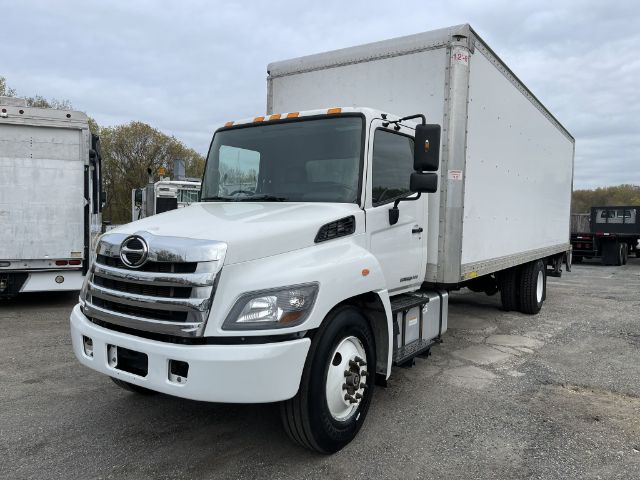
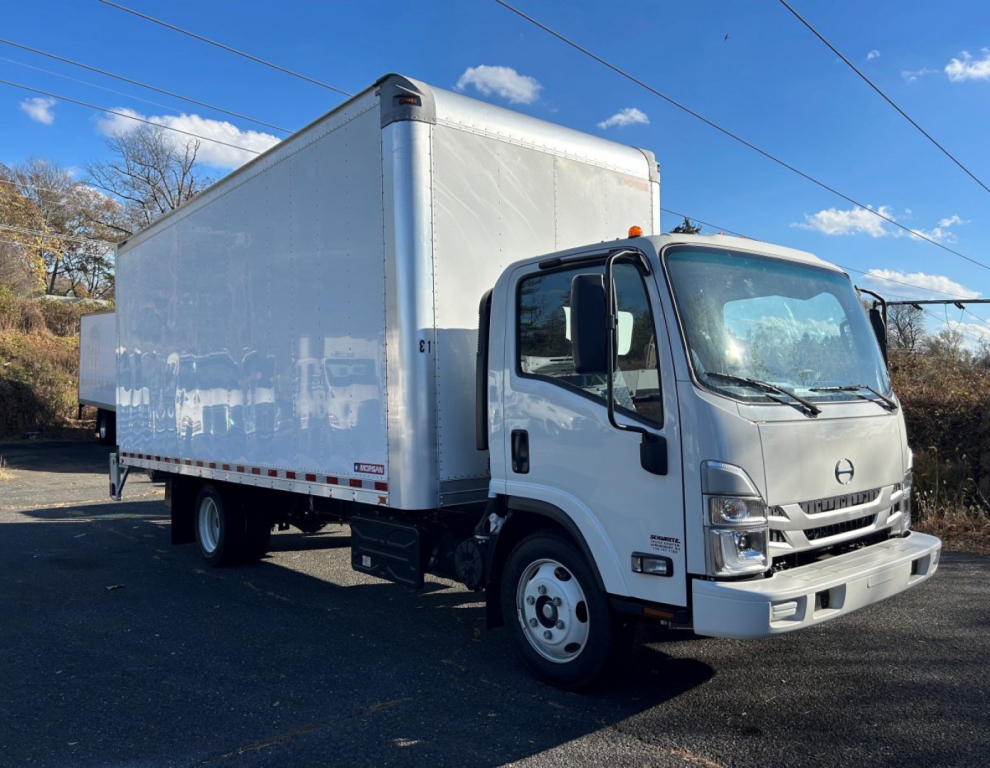
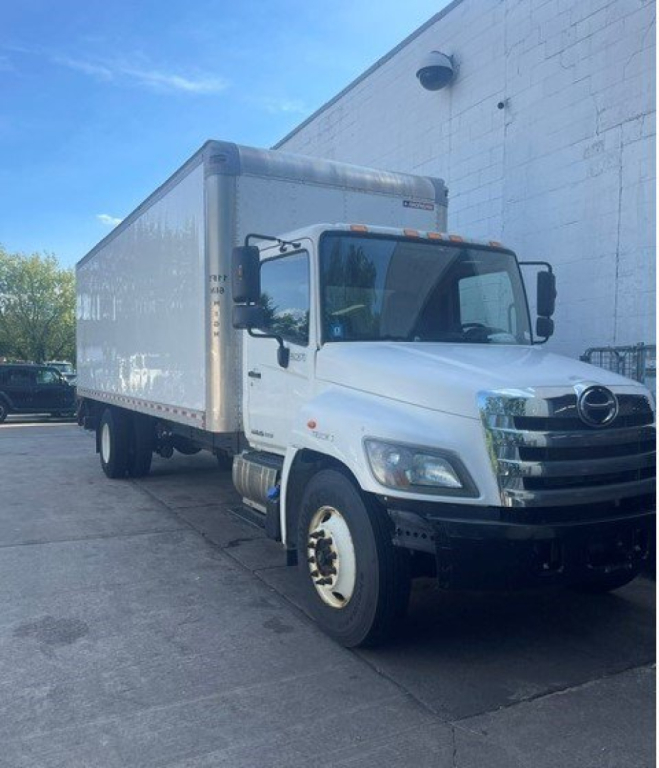
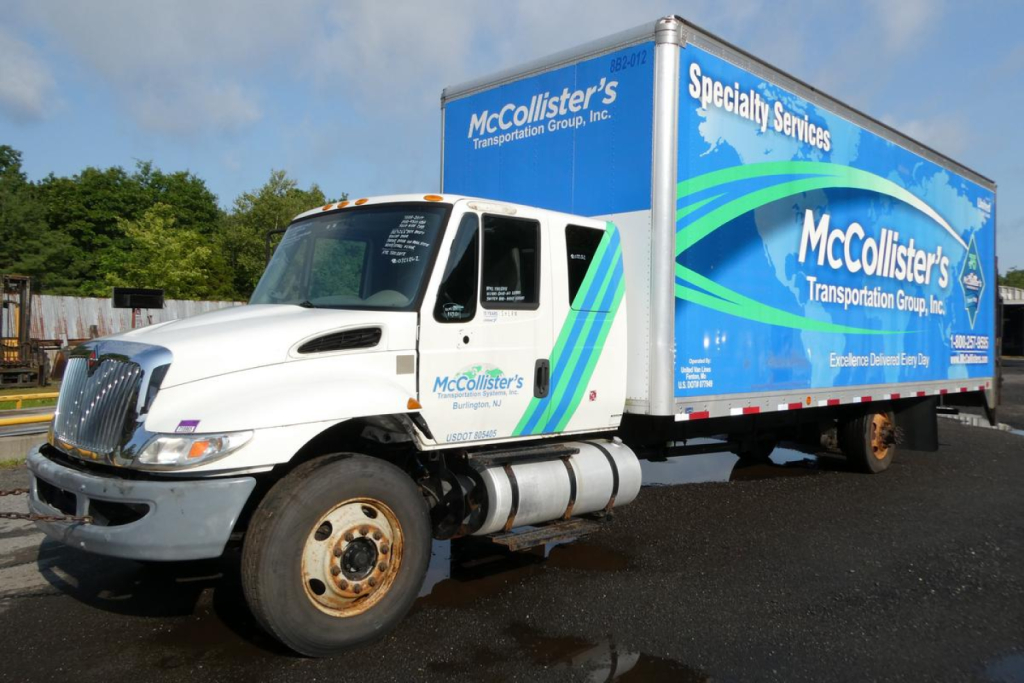
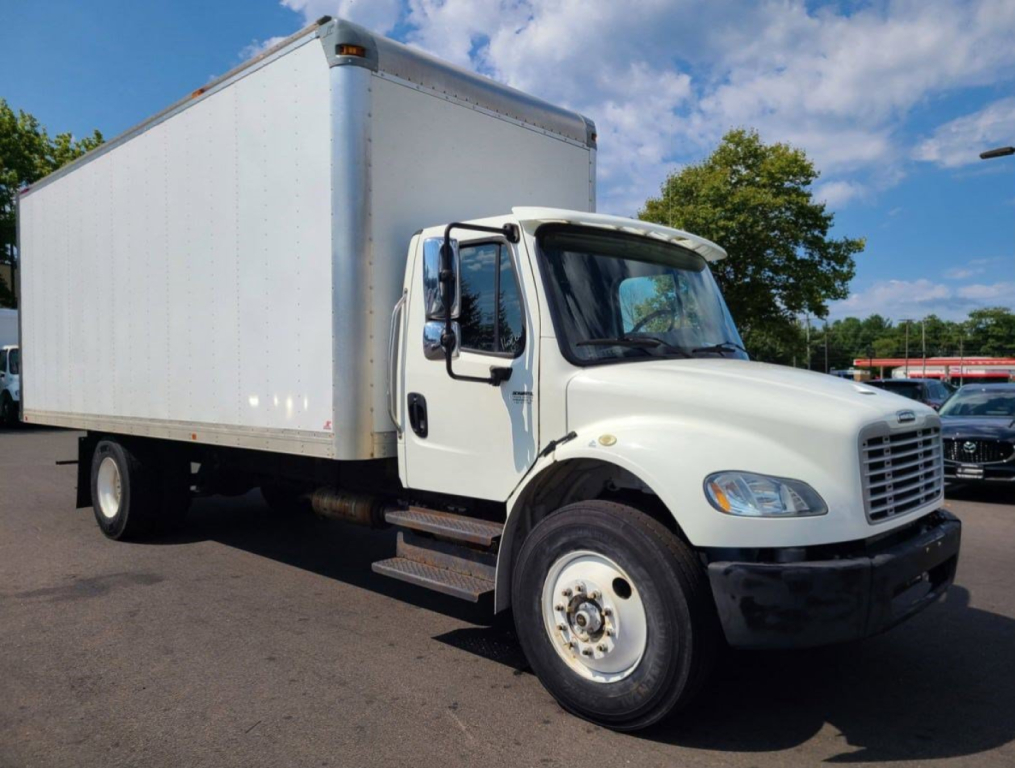
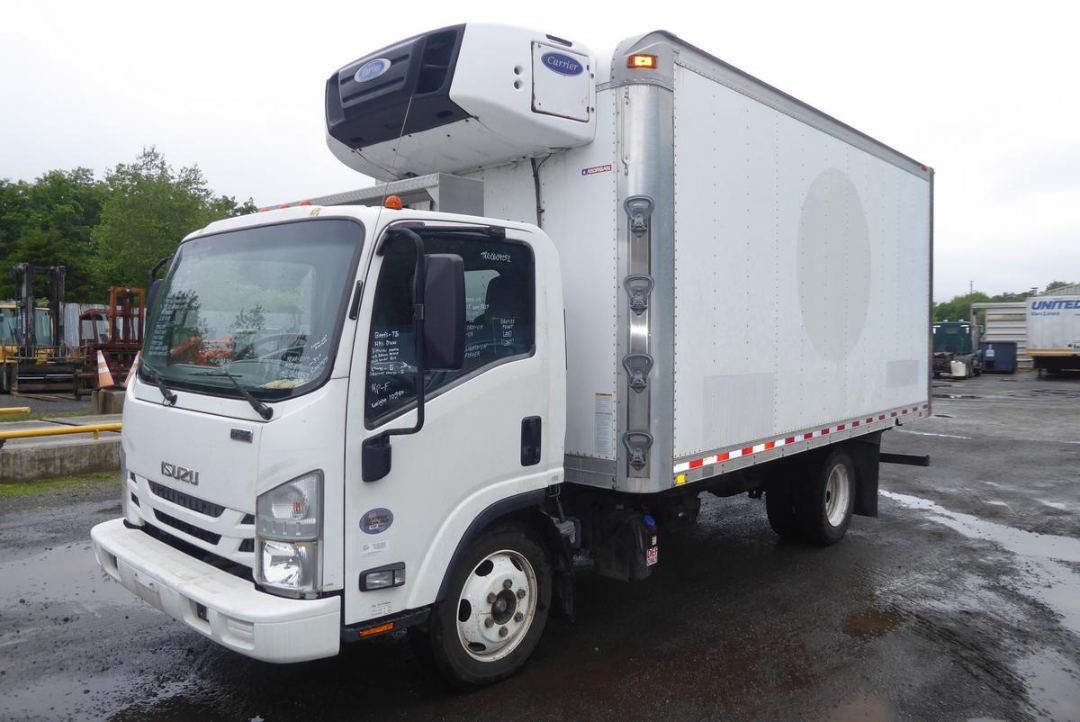
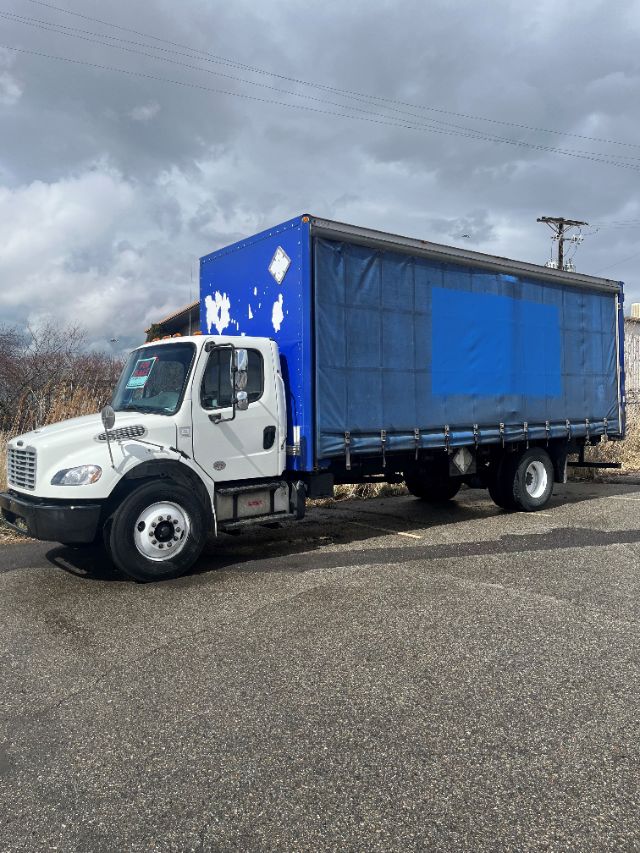
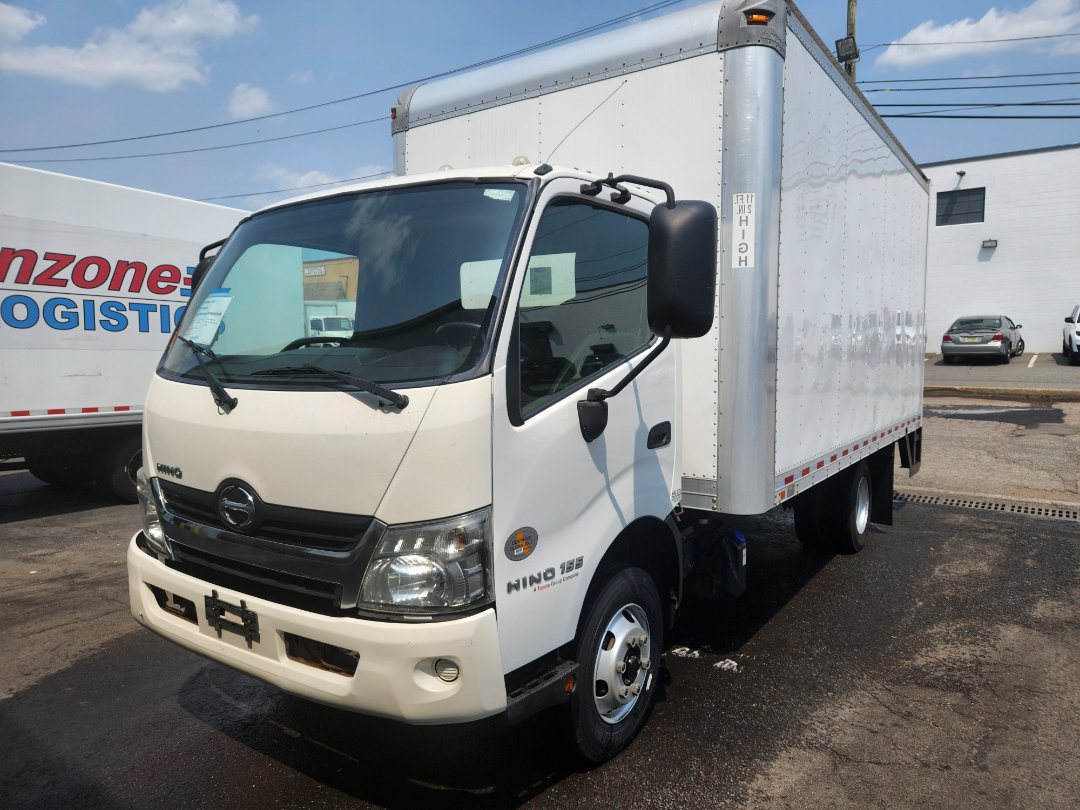
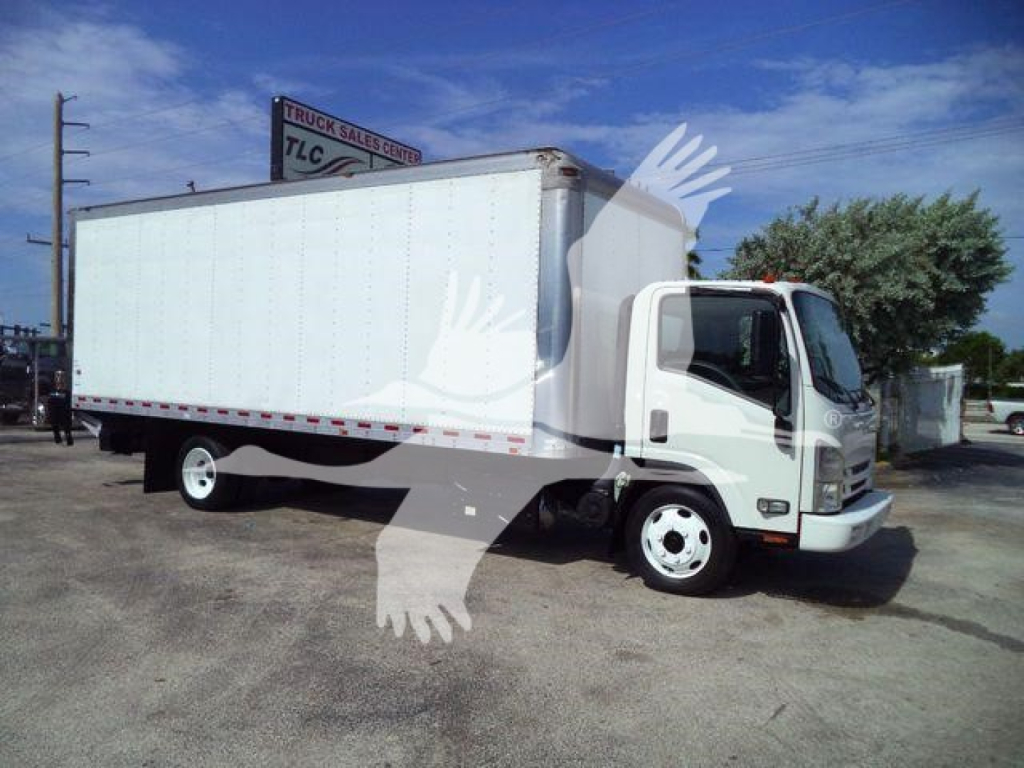
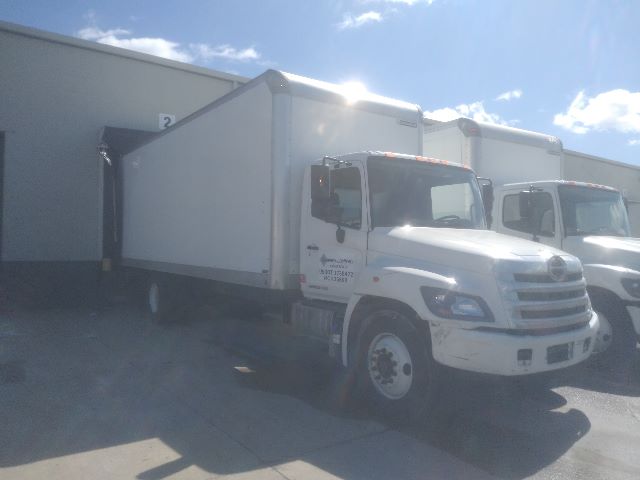
Selling a used 2017 box truck? List your used 2017 box truck for sale and reach thousands of commercial buyers.
Used 2017 Box Trucks
The first decision is usually size and GVWR. Many 2017 box trucks fall into common ratings like 14,500, 17,950, 19,500, 25,950, or 26,000 GVWR. That rating affects payload, registration, driver requirements, and how the truck fits your route. Non-CDL box trucks near 26,000 GVWR remain popular for local freight and final-mile work because they maximize legal carrying capacity without moving into CDL territory in many applications. Body length matters just as much. A 16 foot body is easier in tight city work and residential loading areas, while 20 to 26 foot boxes are more common for higher cube freight, moving operations, and dock-to-dock delivery. Roll-up rear doors, wood slat or plywood-lined interiors, E-track, translucent roofs, and tuck-under or rail-style liftgates are common equipment to compare.
Powertrain choice on a used 2017 box truck should be matched to duty cycle, not just purchase price. Diesel medium-duty models from Hino, Isuzu, Freightliner, and similar brands are often chosen for higher-mileage regional and city-route service, while lighter gas chassis can make sense for lower annual miles and easier service access. Automatic transmissions dominate this segment, with Allison and Aisin units showing up frequently depending on chassis make and GVWR. Look closely at engine hours, idle time, maintenance records, aftertreatment history, and how the truck was actually used. A furniture truck with light cube freight can show very different wear than a beverage or appliance delivery unit even if the odometer is similar. Liftgate condition, rear frame rust, body floor wear, roof leaks, door track condition, and cab corrosion are often more important than cosmetics.
For buyers comparing used 2017 box trucks, the best value usually comes from matching box dimensions, door type, and loading equipment to the freight you handle every day. A 2,000 to 3,500 lb liftgate may be essential for palletized deliveries without dock access, while dock-high operations may prioritize body cube and interior logistics over lift equipment. Check wheelbase-to-box balance, turning radius, and front axle capacity if the route includes dense urban stops. If the truck will be lettered for customer-facing work, cab condition and body straightness matter too. A well-spec'd 2017 box truck still covers a wide range of commercial applications, but the right one is the truck whose GVWR, body length, and cargo access match the job without adding unnecessary operating cost.
Frequently Asked Questions about Used 2017 Box Trucks
What GVWR is most common on a used 2017 box truck?
Used 2017 box trucks are commonly found from about 14,500 GVWR up to 26,000 GVWR, depending on chassis and body size. Lighter units are often used for local delivery and service work, while 19,500 to 26,000 GVWR trucks are more common for moving, appliance delivery, and higher-cube freight. Buyers should match GVWR to actual payload, route density, and licensing needs rather than assuming a larger rating is always better.
Is a 26 foot 2017 box truck always the best choice?
Not necessarily. A 26 foot box gives strong cargo cube and is common in moving and dock freight, but it can be harder to maneuver in urban areas, alleys, and residential delivery zones. Many operators are better served by a 16 to 22 foot body if their routes are tight, stop frequency is high, or freight is heavier and does not require maximum cube. The best body length depends on freight type, stop environment, and loading method.
What should I inspect first on a used 2017 box truck?
Start with the body, liftgate, and maintenance history because those items directly affect uptime and operating cost. Check the box floor for soft spots or forklift damage, inspect the roof and front wall for leaks, verify the roll-up door tracks and seals, and test the liftgate under load if possible. On the chassis side, review service records, look for emissions-system repairs, inspect tires and brakes, and check for rust on the frame, crossmembers, and rear understructure.
Are diesel or gas 2017 box trucks better for commercial use?
Diesel is often preferred for heavier payloads, longer routes, and medium-duty applications because it generally offers better durability under sustained commercial use. Gas box trucks can still be a practical choice for lighter GVWR classes, lower annual mileage, and fleets that want simpler service support. The better option depends on duty cycle, payload, annual miles, and local maintenance capability.
Why are liftgates so important on used box trucks?
A liftgate expands where the truck can work by allowing freight to be loaded and unloaded without a dock. That is especially important for final-mile delivery, office equipment, appliances, and palletized freight going to retail or residential locations. Buyers should compare liftgate style, platform size, rated capacity, and cycle condition because a worn or undersized liftgate can limit the truck more than the box itself.