
Used 2017 Isuzu Trucks For Sale
Used 2017 Isuzu trucks, NPR to NRR, cabover efficiency, gas or diesel, strong payload, tight turning, durable frames, ideal for box, reefer or flatbed
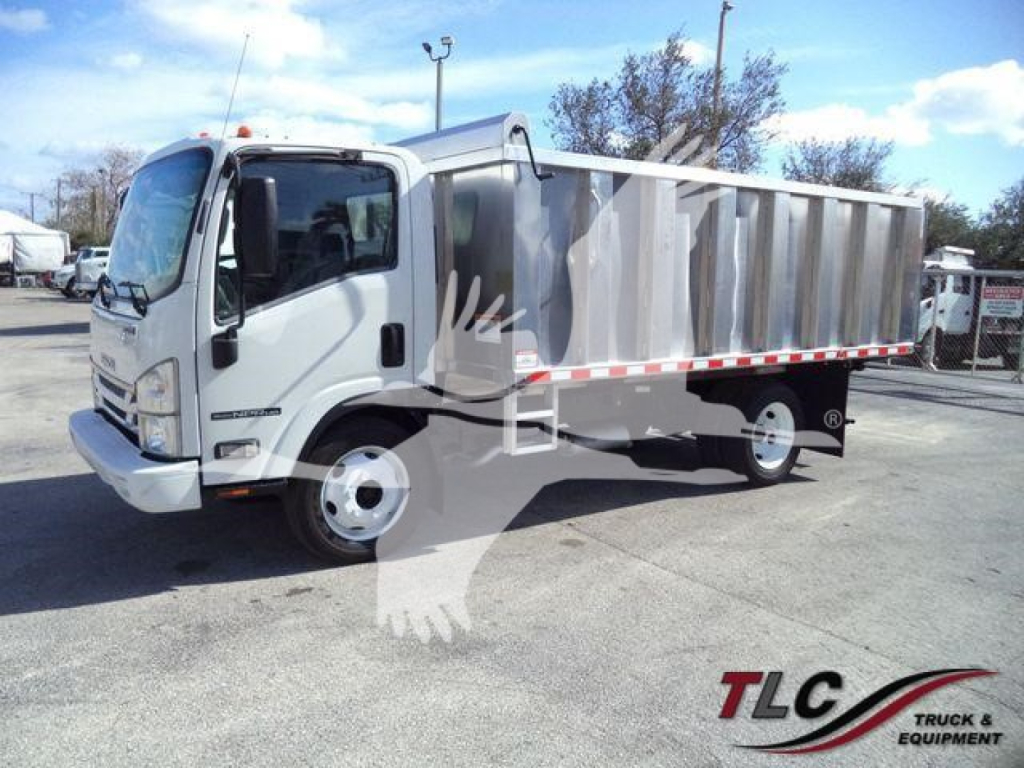
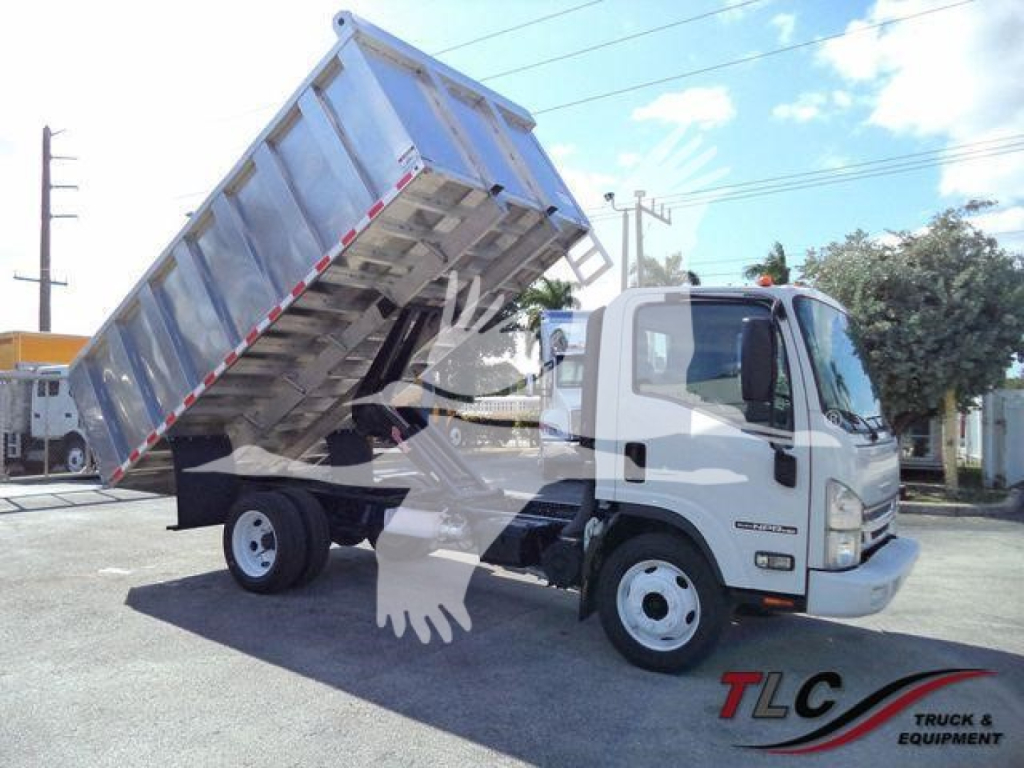
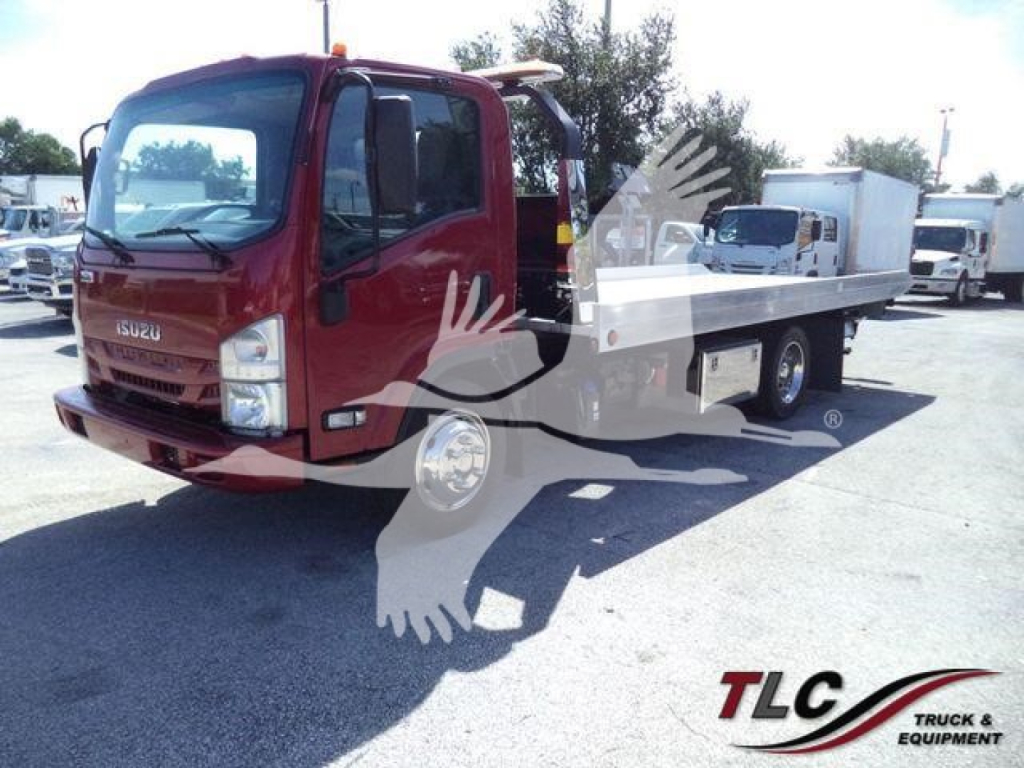
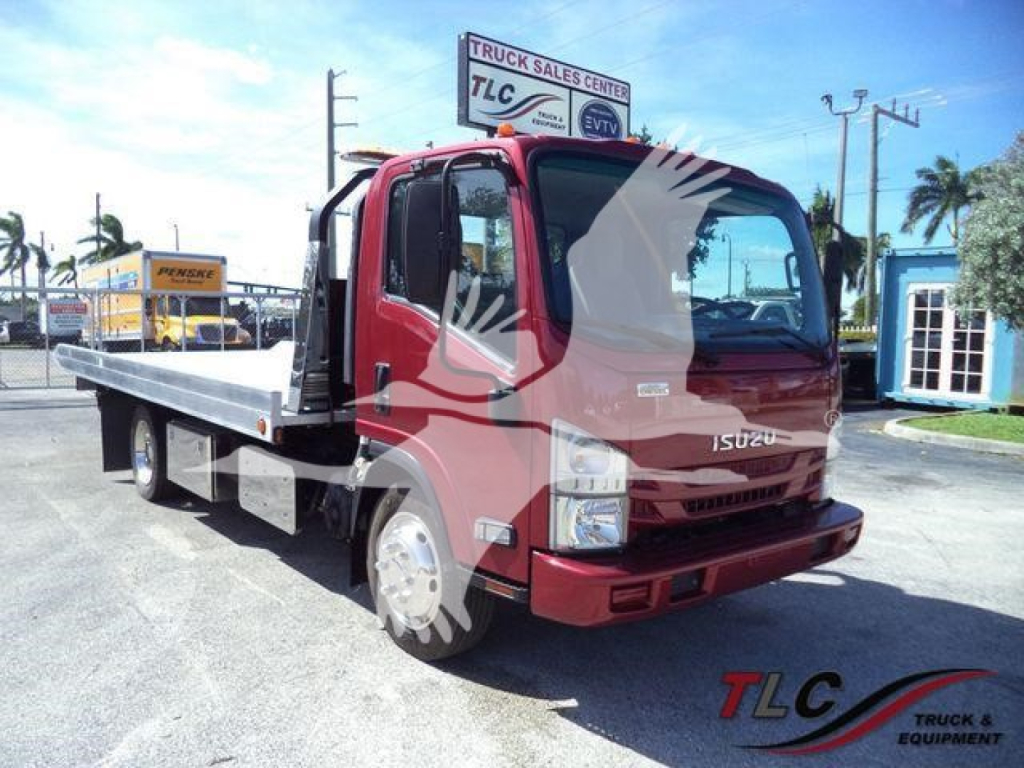
Selling a used 2017 isuzu truck? List your used 2017 isuzu truck for sale and reach thousands of commercial buyers.
Used 2017 Isuzu Trucks
Powertrains include the 6.0L gasoline V8 with 6‑speed automatic and the 5.2L 4HK1‑TC diesel paired to an Aisin 6‑speed automatic. Gas trims tare weight and simplifies emissions service, diesel delivers higher torque and better fuel economy under heavy or high‑mileage cycles. 2017 diesel trucks use DPF and SCR with DEF; review regeneration history and scan for inactive or stored codes to avoid surprise downtime. Most units run hydraulic brakes with ABS; ride quality and stopping performance benefit from proper tire spec, fresh brake fluid, and good caliper slide condition. Crew cab versions add seating flexibility at a small tare penalty.
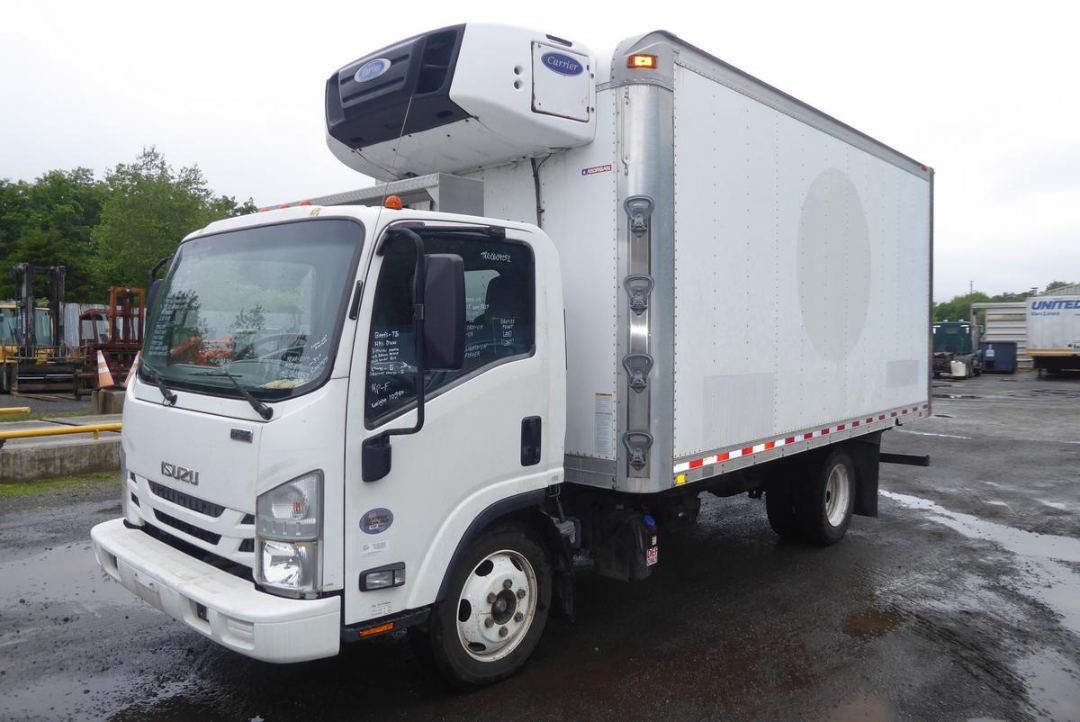
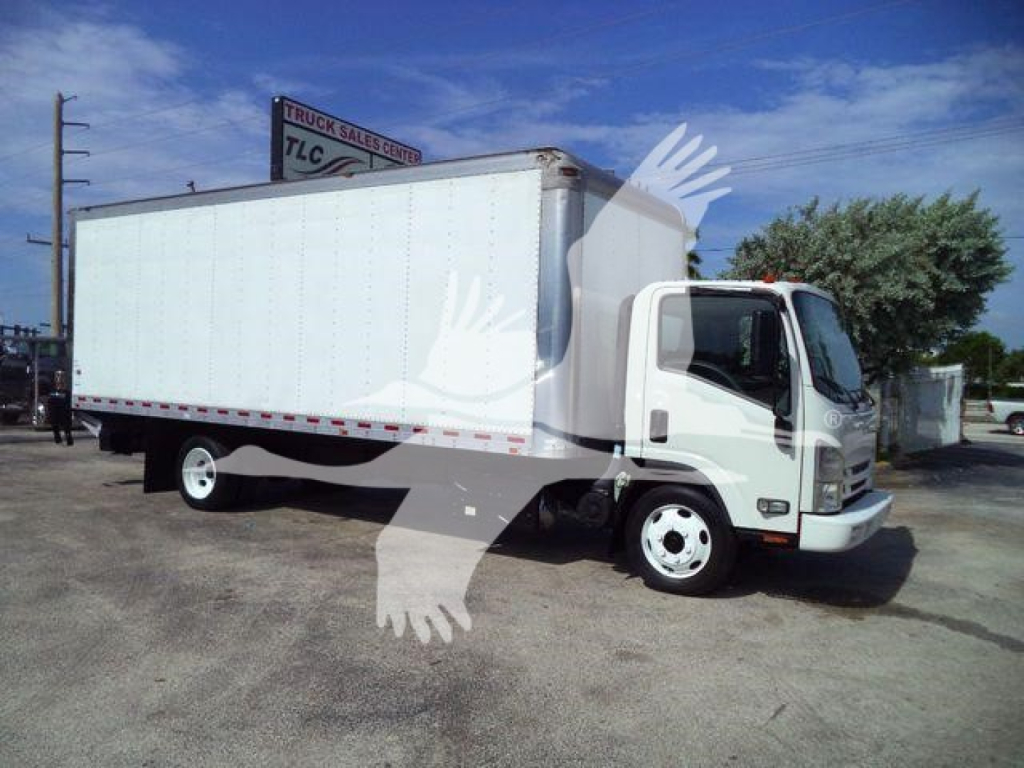
Floor strength and thermal integrity are critical on dry van and reefer builds. For dry freight, laminated hardwood floors paired with 12 to 16 inch crossmember spacing carry pallet jacks without rutting; closer spacing or aluminum plank floors increase point‑load capacity. Look for intact scuff liners at 12 to 24 inches or full height, solid threshold plates, and unworn rear frame caps to protect the box during dock work. For reefers, verify insulation continuity, door seal compression, and drain function; aluminum duct floors and stainless rear frames resist corrosion, but inspect for pitting at seams and fasteners. A brief temperature pull‑down test confirms thermal performance and evaporator airflow; unit hours, recent services, and any microchannel condenser repairs add clarity on lifecycle remaining.
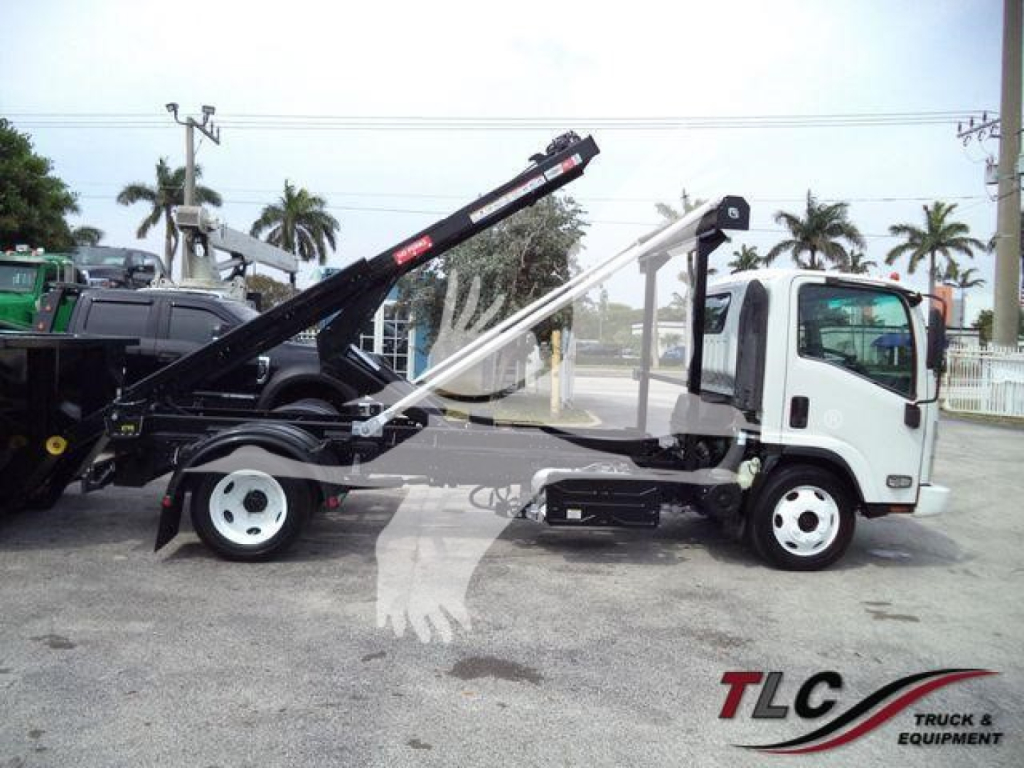
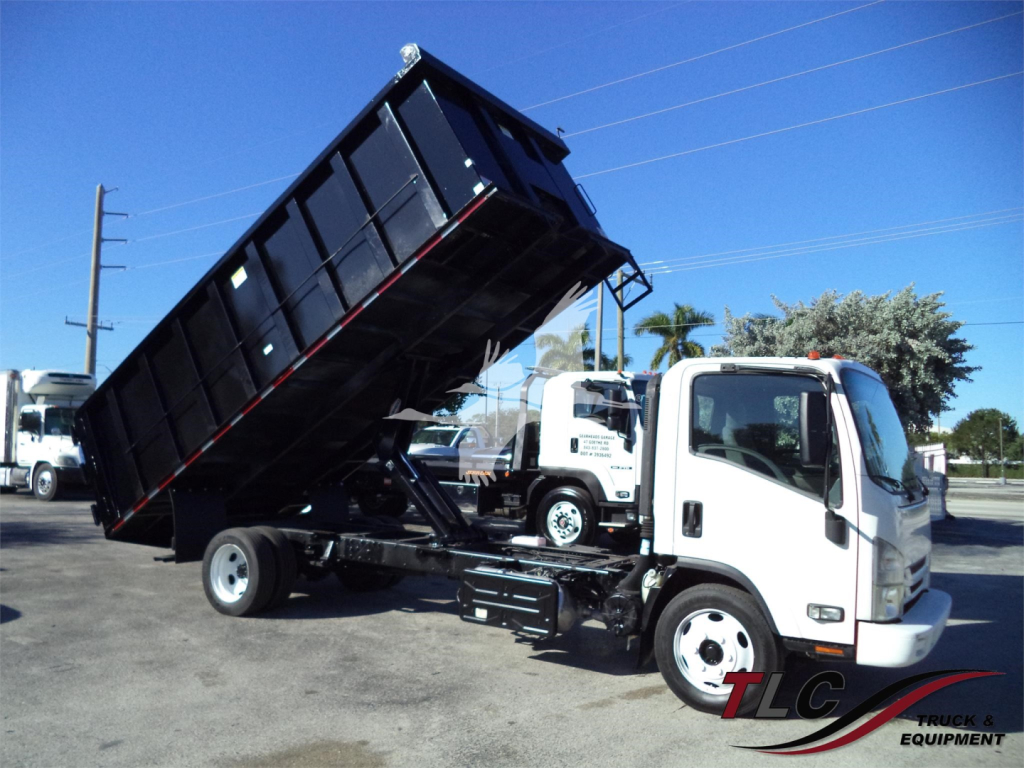
Corrosion resistance varies with body material and climate exposure. Isuzu cabs use e‑coat and wax cavity protection, yet check cab steps, windshield pinch welds, and door bottoms for bubbling. Frames should be free of deep scale around spring hangers and rear crossmembers; aluminum bodies, stainless hardware, and galvanized crossmembers extend life in de‑ice regions. Tare weight climbs with rail liftgates, side doors, and full‑height liners, which eats payload; verify actual curb weight on a certified scale and compare to the door‑tag GVWR to confirm legal payload. If you need hydraulics for a dump, hooklift, or service crane, confirm transmission PTO provision on diesel models or plan a belt‑driven or electric power pack. Match wheelbase and cab‑to‑axle to body length for proper axle load distribution, then choose axle ratio to balance stop‑and‑go delivery against limited highway legs.
Frequently Asked Questions about Used 2017 Isuzu Trucks
What GVWR and payload can a 2017 Isuzu N‑Series handle?
Typical 2017 N‑Series GVWR spans about 12,000 lb on NPR, 14,500 lb on NPR‑HD, 16,000 lb on NPR‑XD, 17,950 lb on NQR, and 19,500 lb on NRR. Usable payload depends on tare weight from the body, liftgate, fuel, and options; expect roughly 6,000 to 12,500 lb on common box or reefer builds. Always scale the truck to confirm actual curb weight, then subtract from the door‑tag GVWR to verify legal payload and axle compliance.
Should I choose a 2017 Isuzu gas or diesel for city delivery?
For dense urban routes with short trips and frequent stops, the 6.0L gas V8 keeps emissions hardware simple and trims tare weight, which can add a few hundred pounds of payload. It also warms quickly and avoids DPF regen concerns on short cycles. For heavier loads, higher annual miles, or hilly territory, the 5.2L 4HK1 diesel offers better torque, longer service life, and improved fuel economy; it does require clean DEF, proper regen behavior, and periodic DPF maintenance.
How do I evaluate floor strength and thermal integrity on a used van or reefer body?
Inspect the floor first. Laminated hardwood with 12 to 16 inch crossmember spacing handles pallet jacks and dock plates better than wider spacing; aluminum plank floors trade a little tare weight for higher point‑load durability and corrosion resistance. Check scuff liners for breaks and fastener pull‑through. On reefers, verify seal compression at the rear doors, look for crushed foam at patch panels, and run a brief pull‑down test to target temperature. Confirm even airflow, working drains, and clean evaporators; pitting at aluminum seams or the rear frame suggests future leak and corrosion risks.
What aftertreatment checks matter on a 2017 Isuzu diesel?
Scan the engine and aftertreatment modules for codes and perform a parked regen if data shows frequent aborts. Review DPF soot and ash load, regen counts, DEF quality, and pump duty cycle. Inspect dosing lines for crystal buildup and the SCR catalyst for heat discoloration or impact damage. Verify no exhaust leaks upstream of the DPF, as leaks disrupt regen and soot loading. A recent DPF cleaning with documentation and confirmed NOx sensor function reduces the risk of unscheduled downtime.
What wheelbase supports common body lengths on a 2017 Isuzu cabover?
Isuzu N‑Series wheelbases such as 109, 132.5, 150, 176, and 200 inches typically match bodies around 10, 12, 14, 16, 18, and 20 feet respectively, subject to door configuration and liftgate. Final fit depends on cab‑to‑axle, rear overhang limits, and weight distribution; work with the body builder’s chart to keep the rear axle loaded within spec and to maintain proper departure angle and DOT underride clearance.