
Used 2017 Cab and Chassis Trucks For Sale
Browse used 2017 cab and chassis trucks for sale. Compare wheelbase, CA, axle ratings, PTO setup, and body-ready specs for your application.
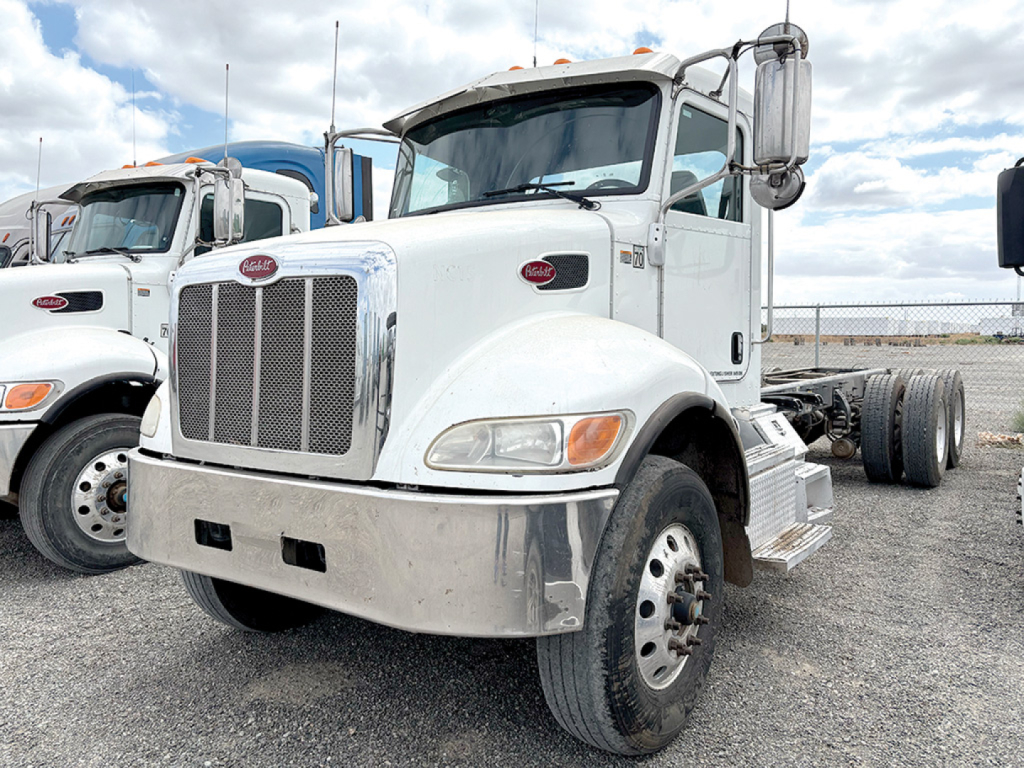
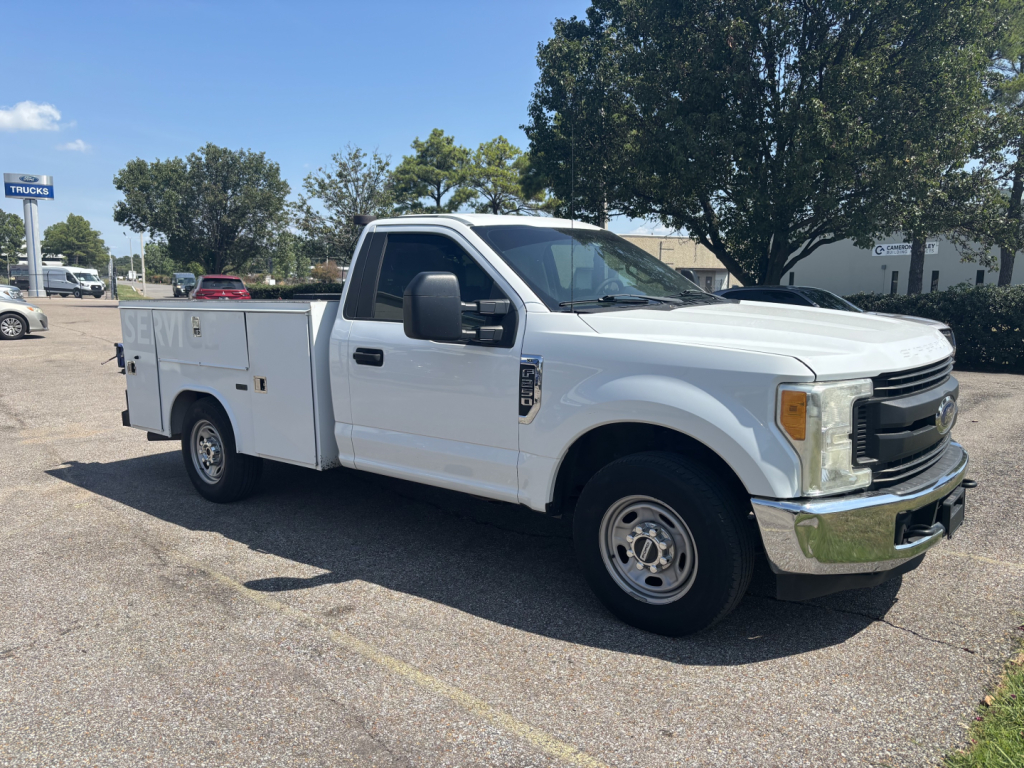
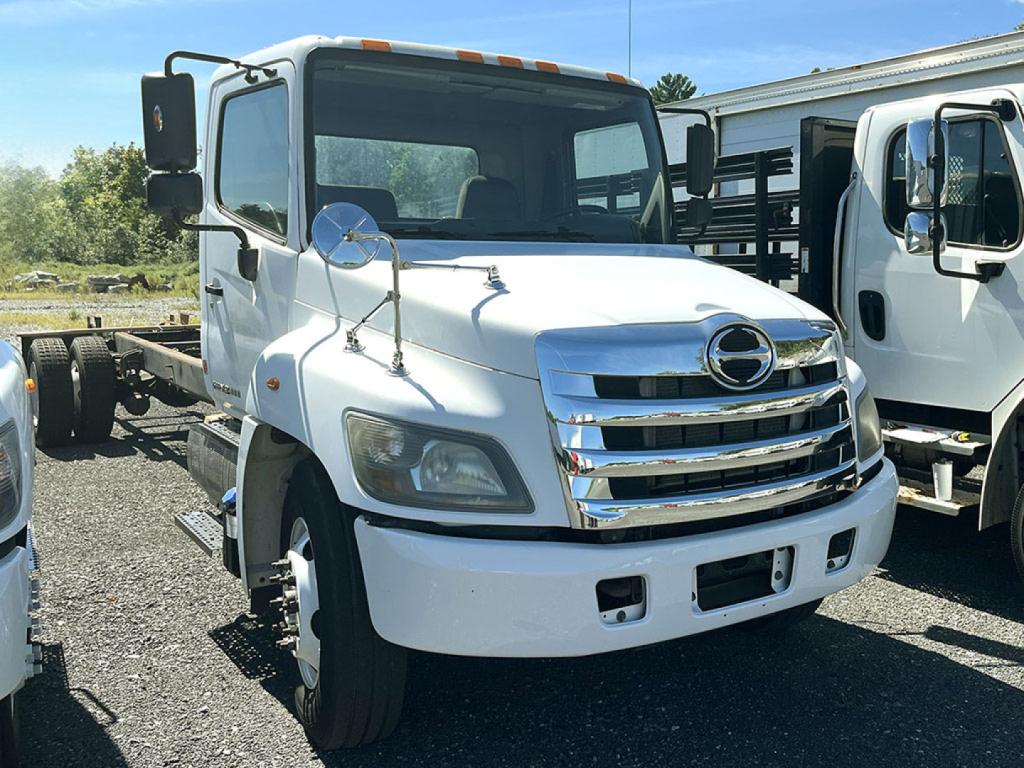
Looking for the easiest place to sell your used 2017 cab and chassis truck? List it here to reach thousands of buyers.
Used 2017 Cab and Chassis Trucks
This model year covers a wide spread of applications, from medium-duty platforms with Cummins or diesel V8 power up to heavy-duty chassis from Kenworth, Peterbilt, Freightliner, Mack, and International. Common transmission choices include Allison automatics for municipal, utility, and stop-and-go work, along with automated manuals in heavier vocational service. Front axle ratings, rear axle capacity, suspension type, and rear ratio should match the job, not just the body you plan to mount. A service truck or box body may work well on a lighter rear axle and moderate ratio, while a dump, sewer vac, crane, or plow truck usually needs heavier suspension, stronger frame rails, and PTO-friendly drivetrain specs.
For used buyers, prior application tells you a lot about remaining life. Municipal and utility trucks often have lower mileage but higher idle hours, more PTO use, and more corrosion exposure from road treatment. Former fleet trucks may have better maintenance records, but they can also show frame drilling, electrical add-ons, and body removal marks that affect the next install. Check for clean frame rails, crossmember condition, steering and brake wear, tire match, and any signs of rust scaling around spring hangers, cab mounts, and fuel tank brackets. If the truck had a previous body removed, inspect for cut wiring, damaged air lines, missing brackets, and altered lighting circuits.
A strong 2017 cab and chassis should be evaluated as a build platform, not just a running truck. Confirm GVWR, axle spread, tire size, brake type, and fuel tank placement before committing to a body. If your upfit requires a specific CA, exhaust routing, battery box location, or clear back-of-cab space for hoists or compressors, those details matter early. Buyers comparing used 2017 cab and chassis trucks usually get the best result by matching the chassis to the final job first, then narrowing by engine, transmission, mileage, and overall condition.
Frequently Asked Questions about Used 2017 Cab and Chassis Trucks
What is the most important measurement on a used 2017 cab and chassis truck?
Cab-to-axle is usually the first measurement to verify because it determines which body lengths and body styles will fit the chassis correctly. Wheelbase and cab-to-end are also critical, especially if the truck is being upfitted with a dump body, rollback, service body, or van body. A truck can have the right GVWR and still be a poor fit if the frame dimensions do not match the body manufacturer's requirements.
Are 2017 diesel emissions systems a concern on used cab and chassis trucks?
Yes. On a 2017 truck, the DPF, SCR, DEF system, sensors, and regen history should be checked carefully. These trucks can be very dependable when the aftertreatment system has been maintained properly, but unresolved emissions faults can create derates, poor performance, and expensive repairs. Service records, fault-code history, and signs of repeated forced regens are valuable when comparing used units.
How do I choose the right axle and suspension setup for a cab and chassis truck?
Start with the body and the actual payload, not the engine rating. A mechanics truck, utility body, or dry freight body may only need moderate rear axle capacity and a standard suspension, while a dump, hooklift, crane, or plow application often calls for heavier rear axles, stronger springs or vocational suspension, and sometimes a double frame. Front axle capacity also matters if the finished body or equipment puts weight ahead of the rear suspension.
Is mileage enough to judge a used cab and chassis truck?
No. Mileage only tells part of the story. Many cab and chassis trucks spend long periods idling, running PTO equipment, or working in stop-and-go municipal service. Engine hours, PTO hours, maintenance history, and corrosion level can matter more than odometer readings. A lower-mile truck with high idle time and neglected hydraulics may be less desirable than a higher-mile fleet-maintained chassis with complete records.
What should I inspect if a used cab and chassis had a body removed?
Look closely at the frame rails, crossmembers, wiring, air lines, and mounting areas. Removed bodies often leave behind drilled frame sections, cut harnesses, missing brackets, and altered light or PTO circuits. It is also smart to confirm that fuel tanks, battery boxes, DEF tank placement, and exhaust routing will not interfere with the next upfit. A clean, unmodified frame usually makes the next body installation faster and less expensive.