
New Mack Trucks For Sale
Shop new Mack trucks for vocational, refuse, delivery, dump, and day cab applications with current specs, engines, and body-ready configurations.
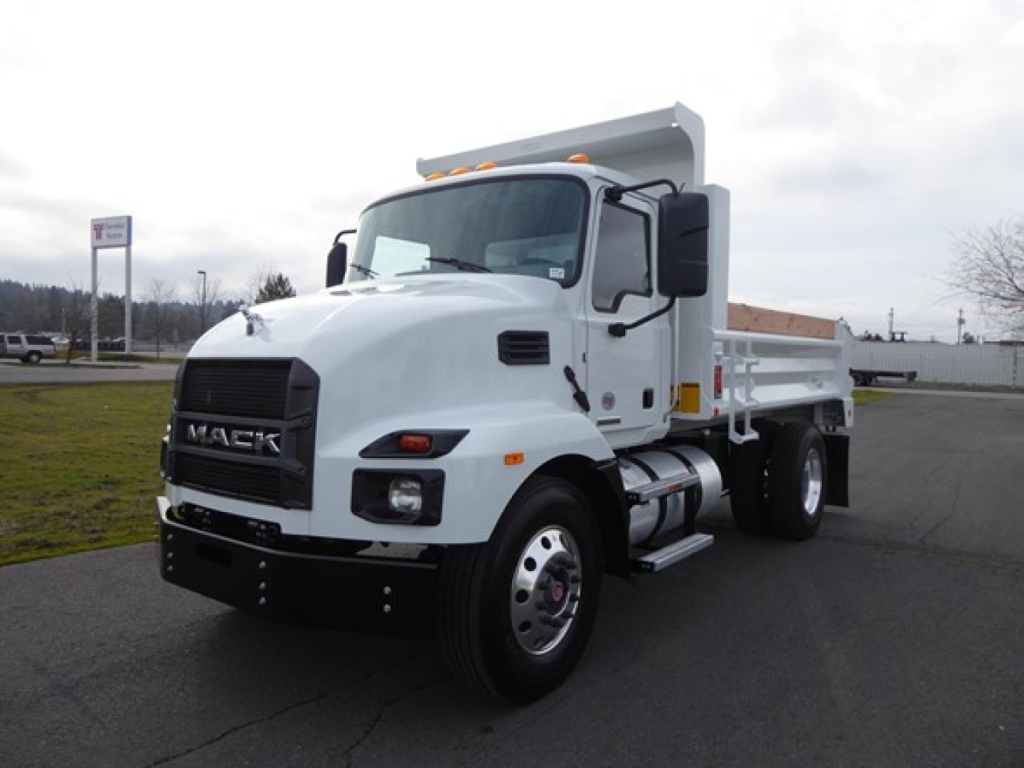
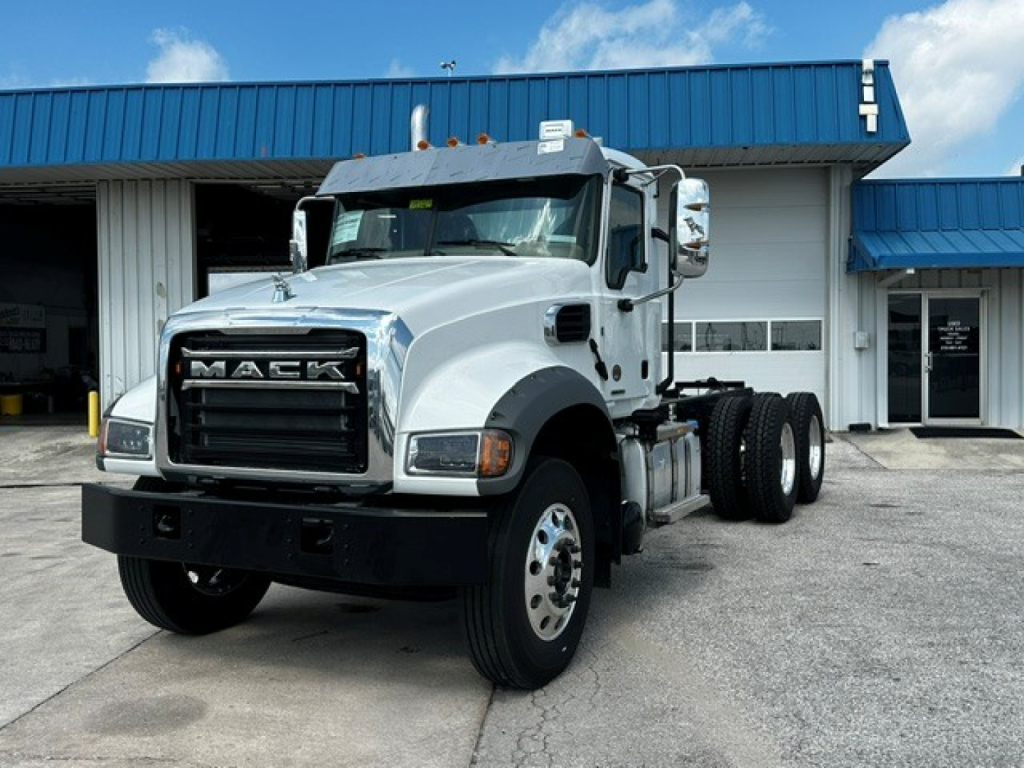
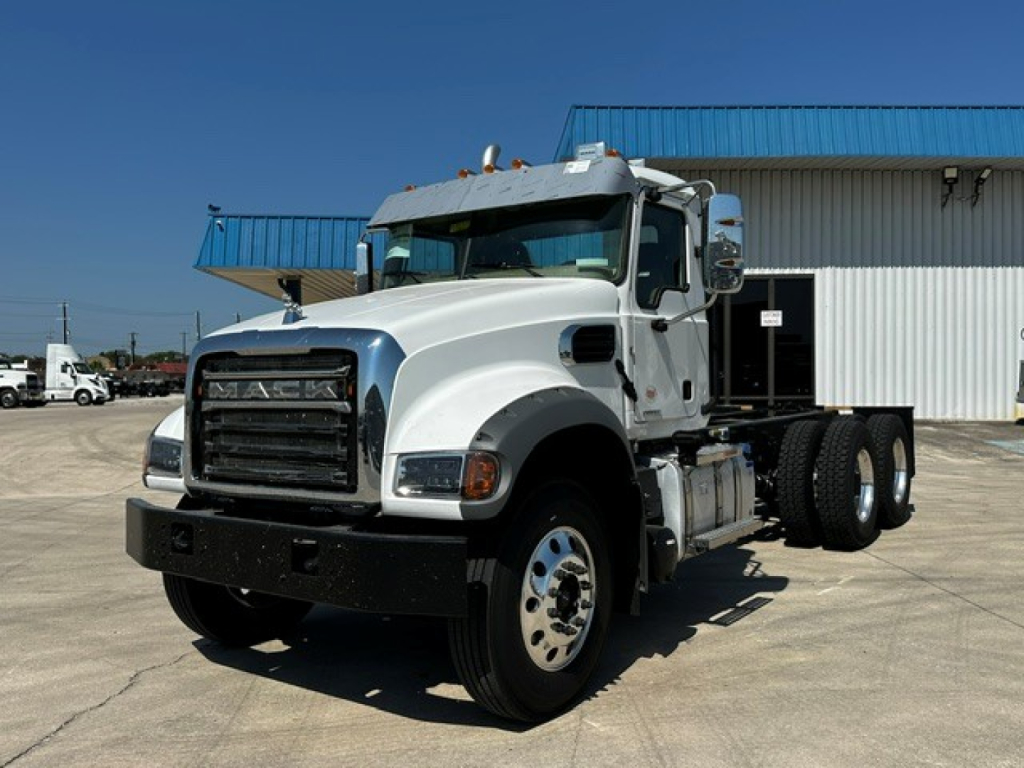
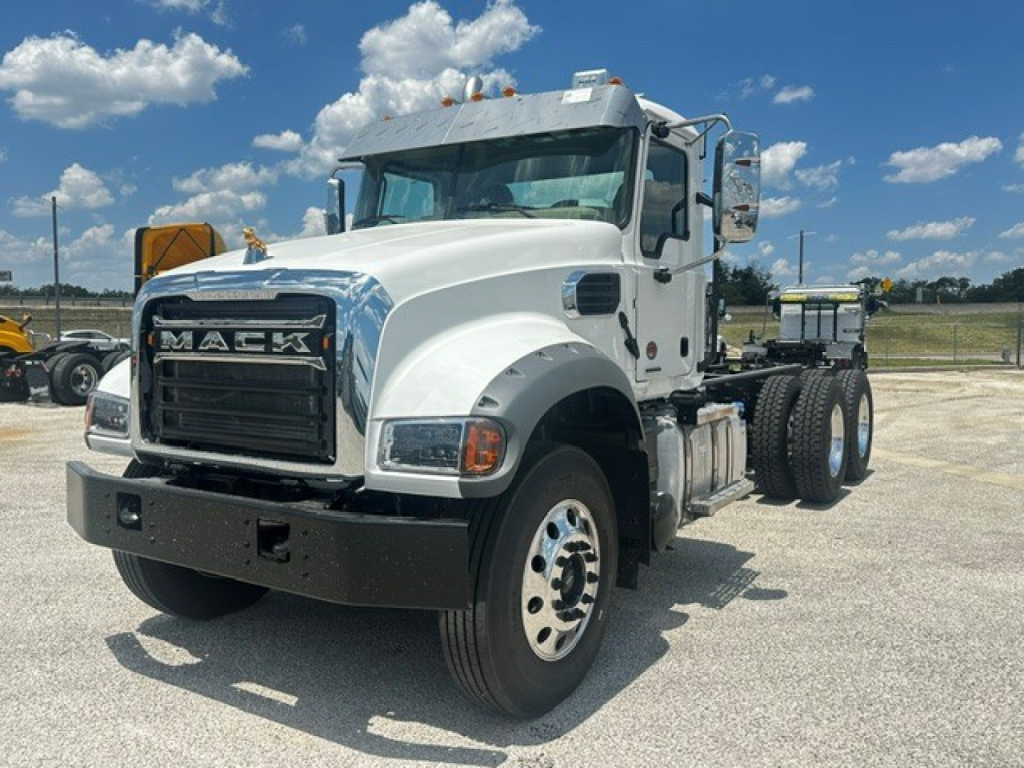
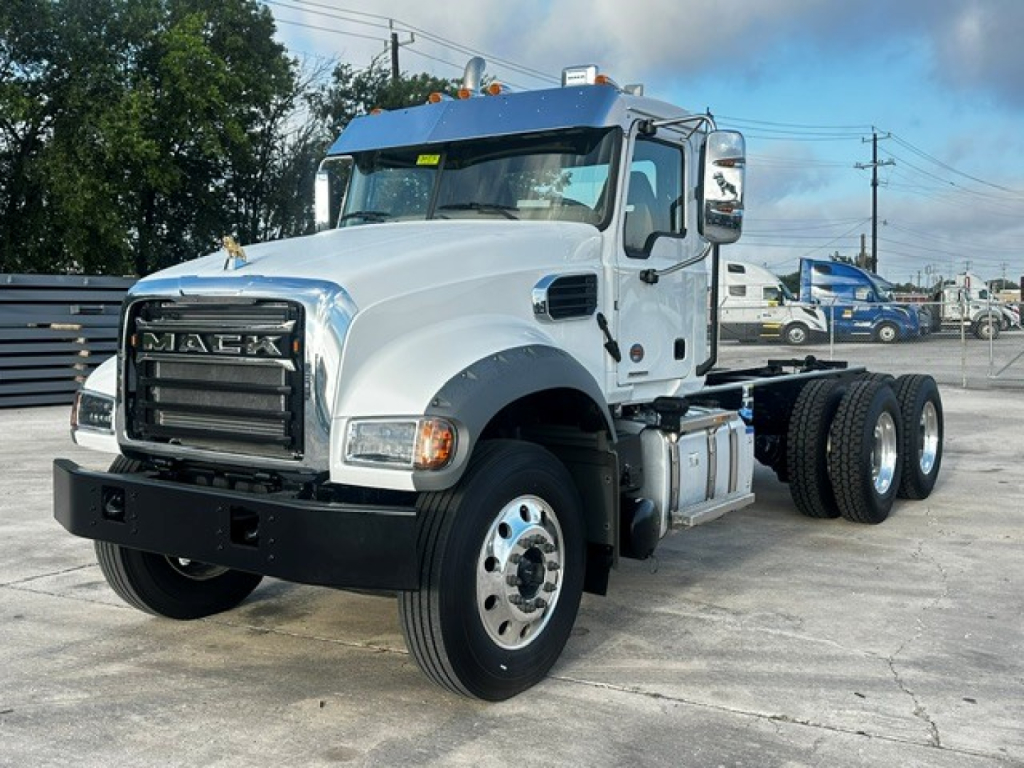
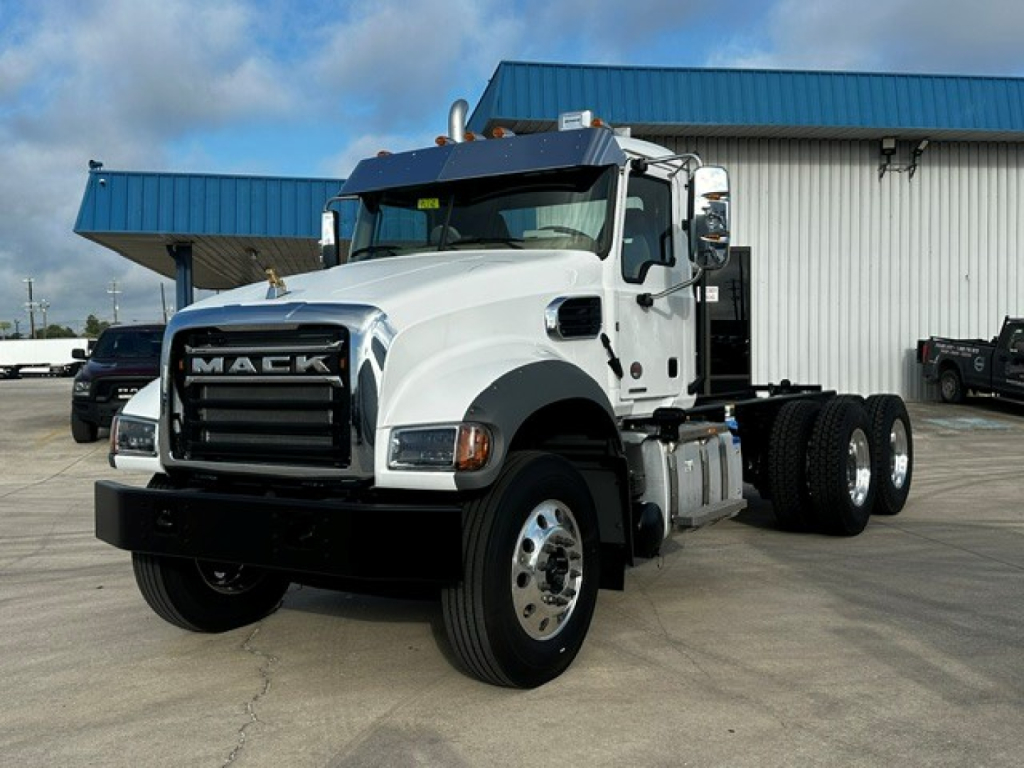
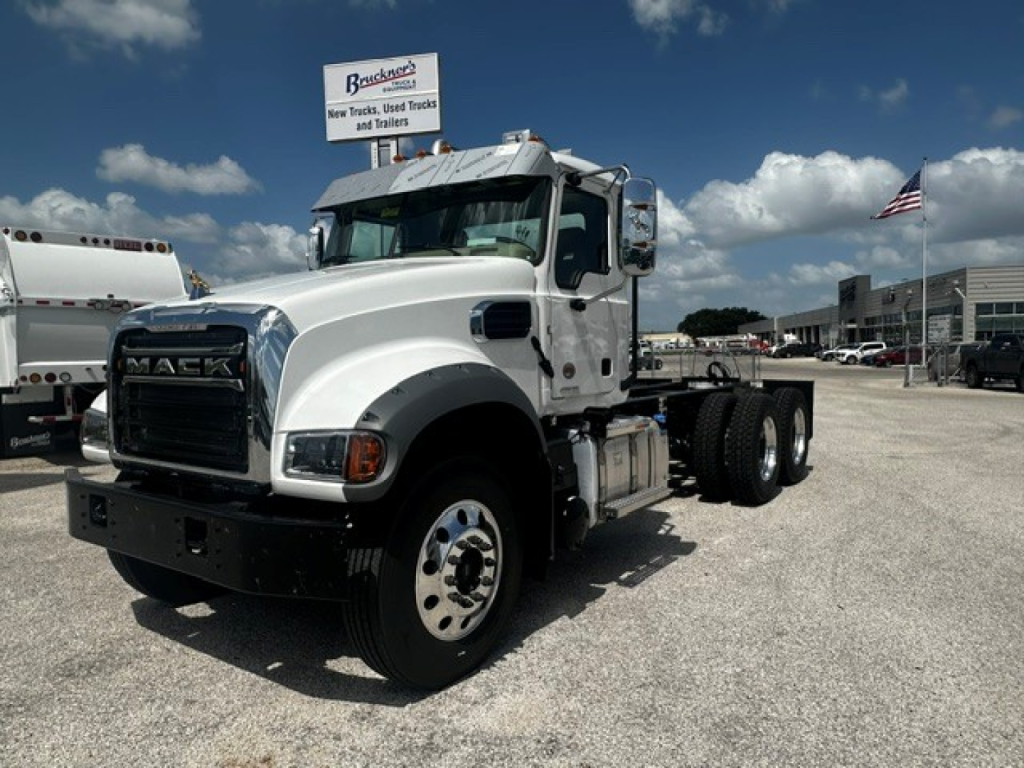
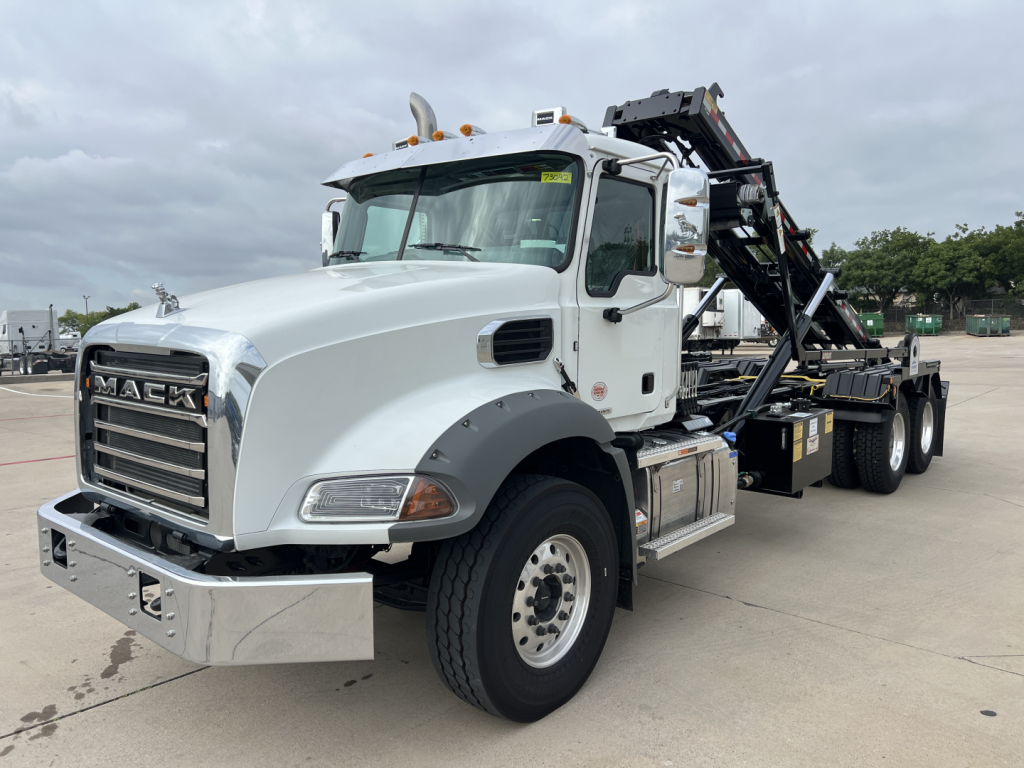
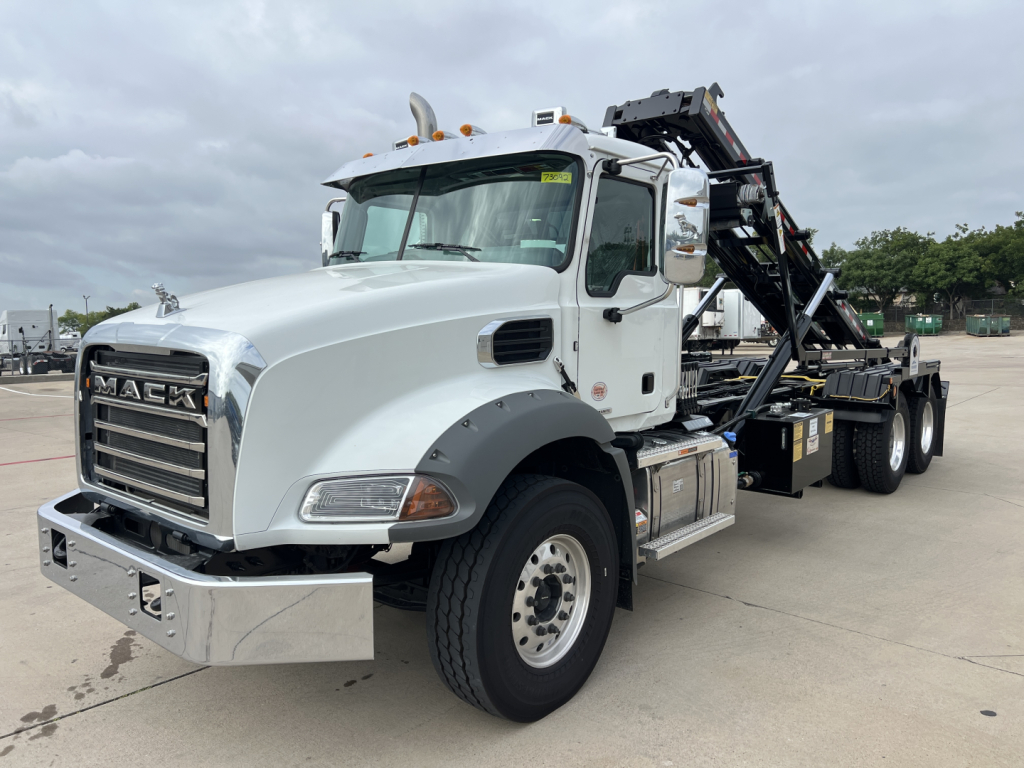
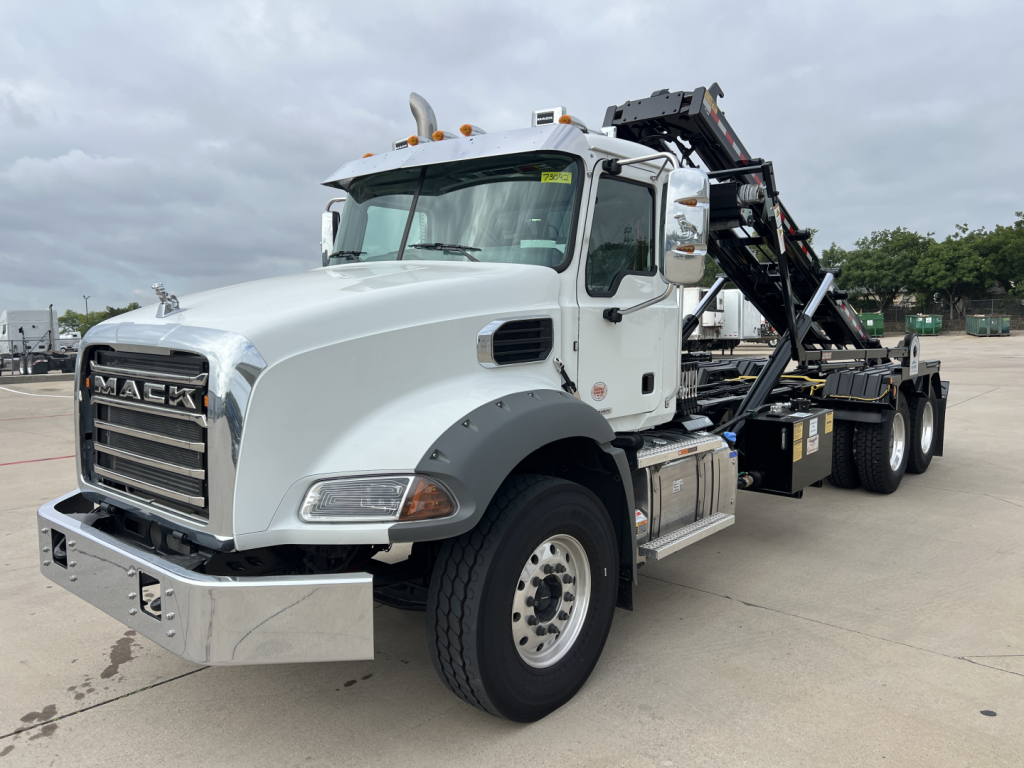
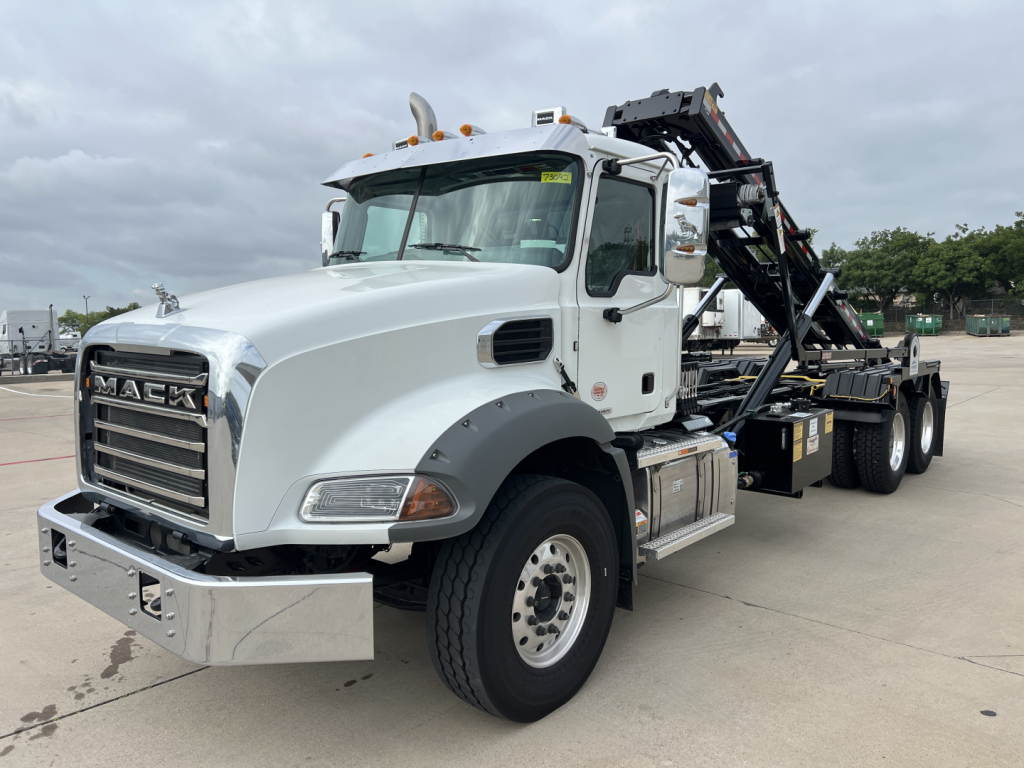
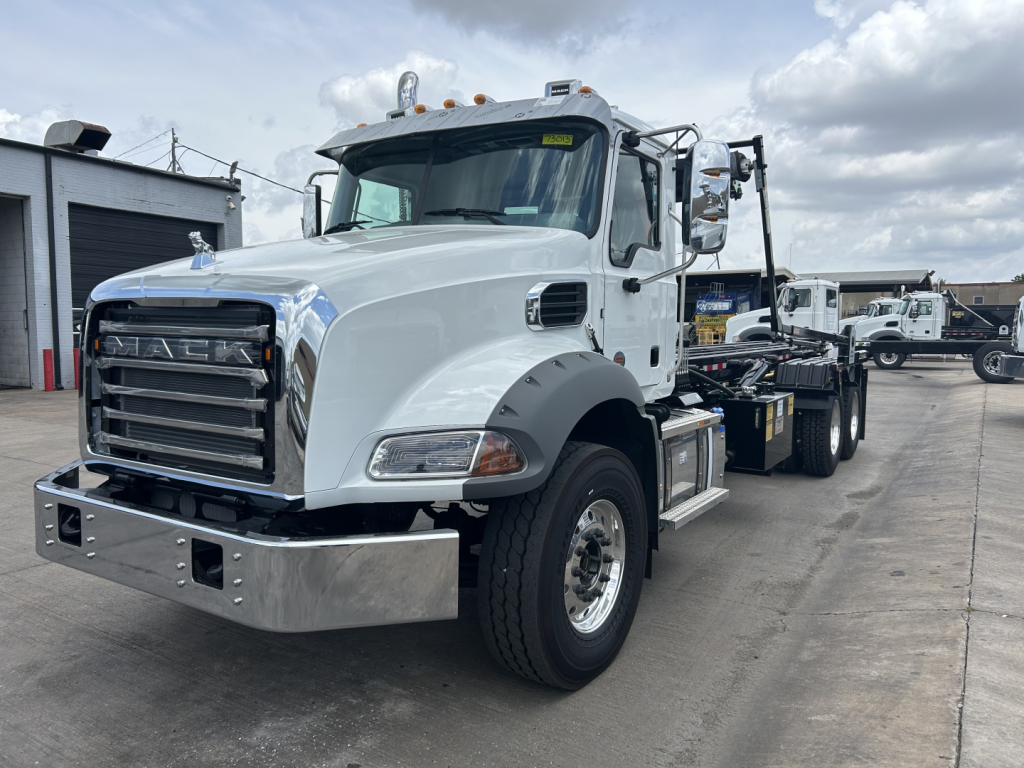
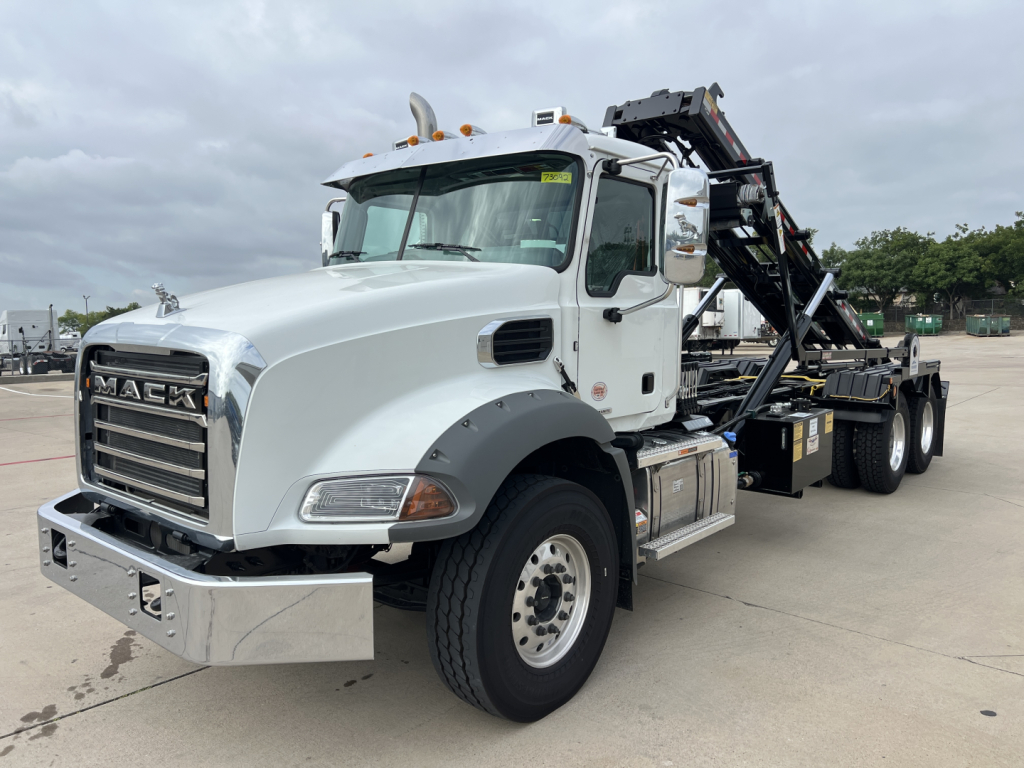
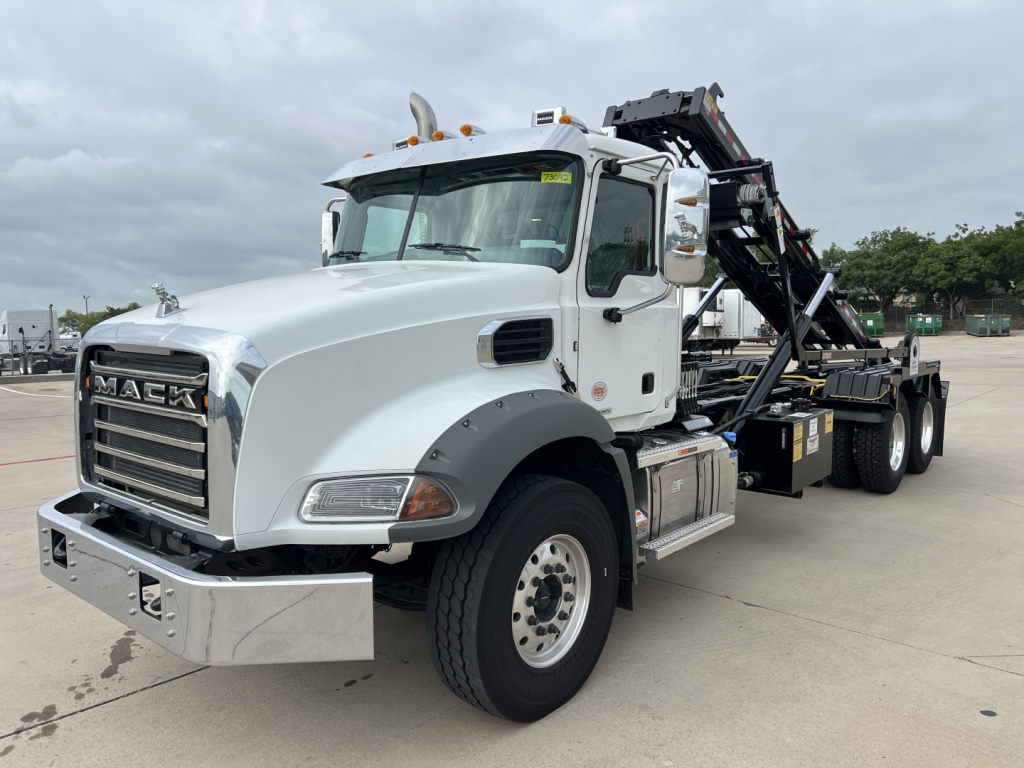
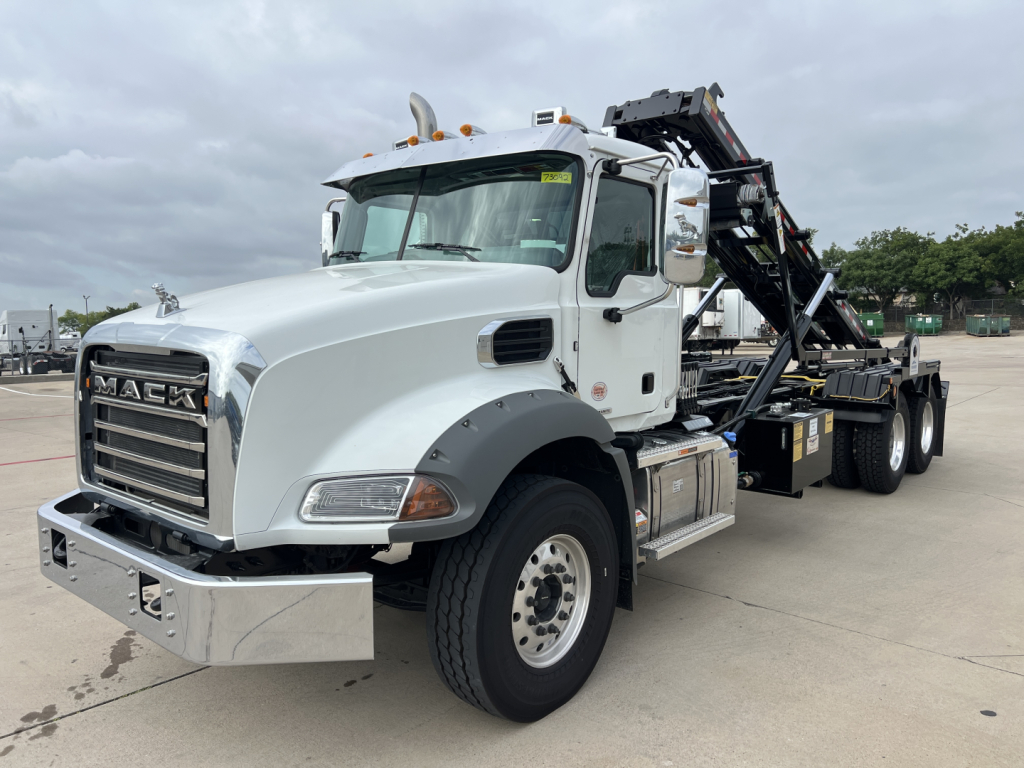
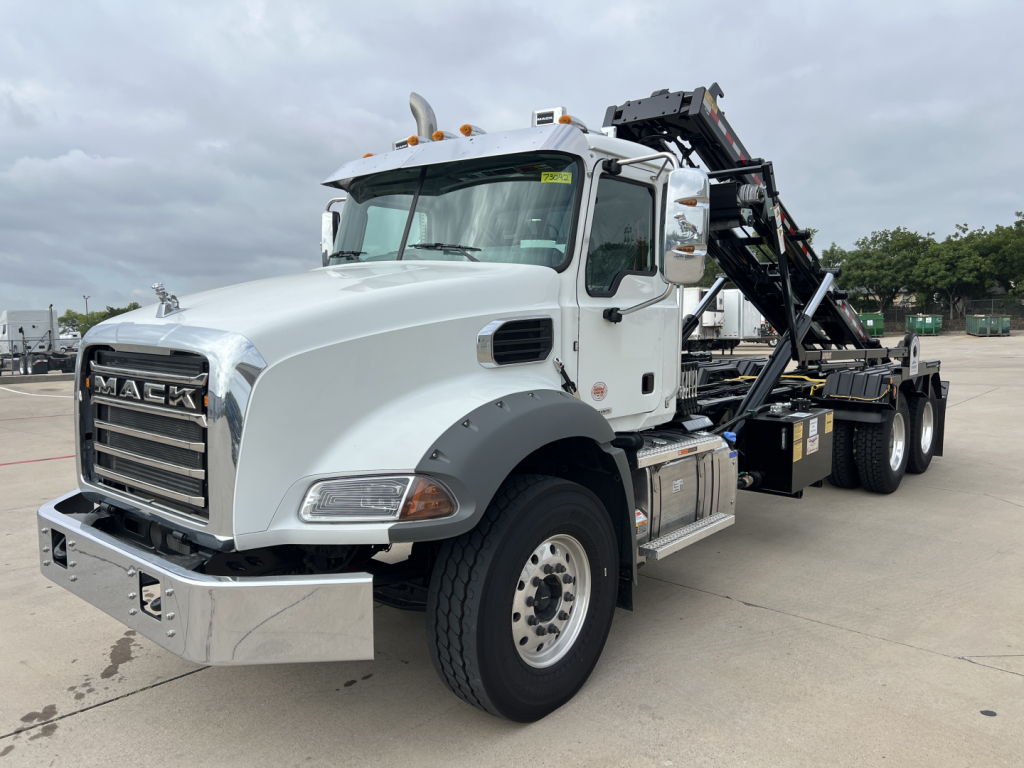
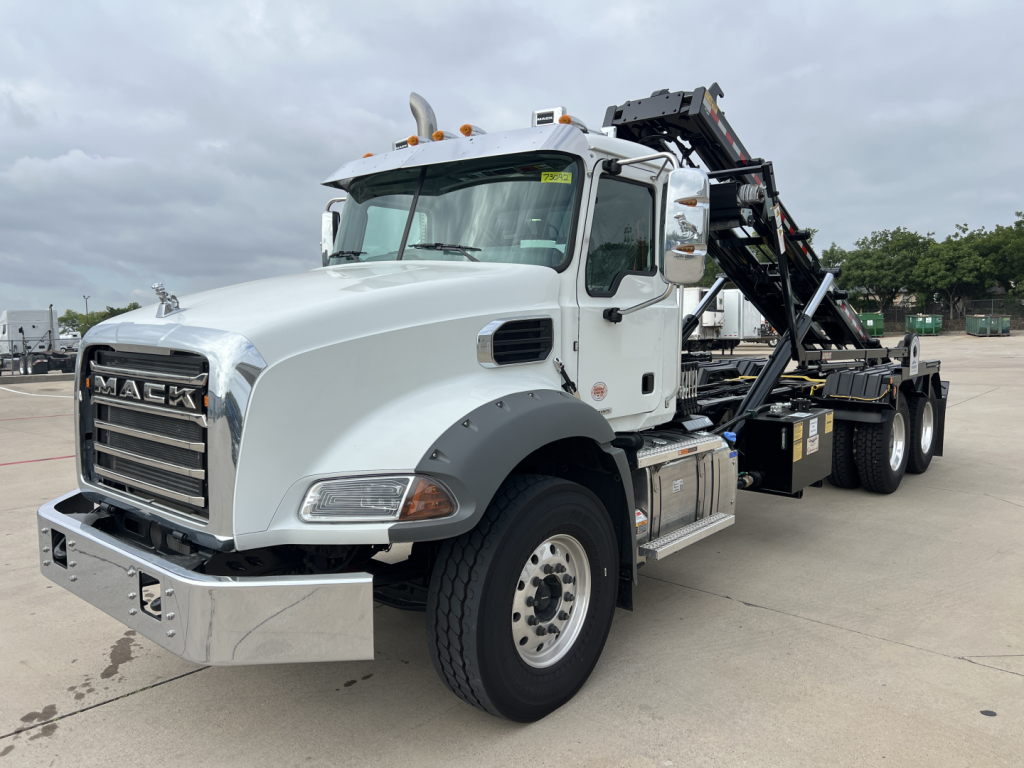
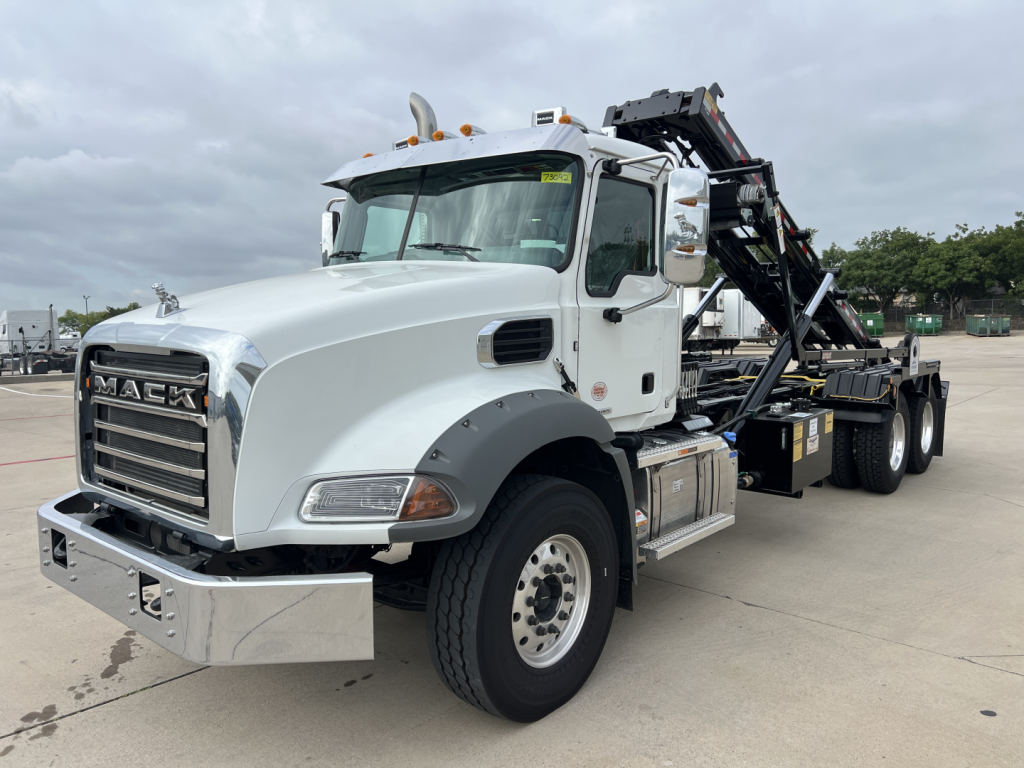
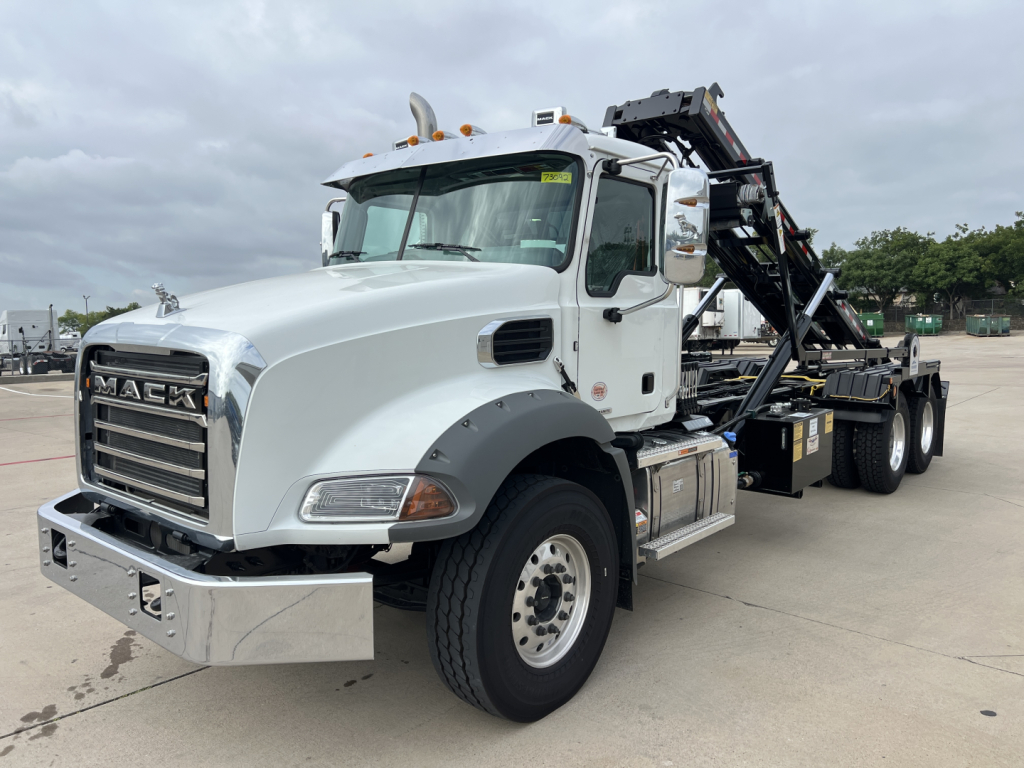
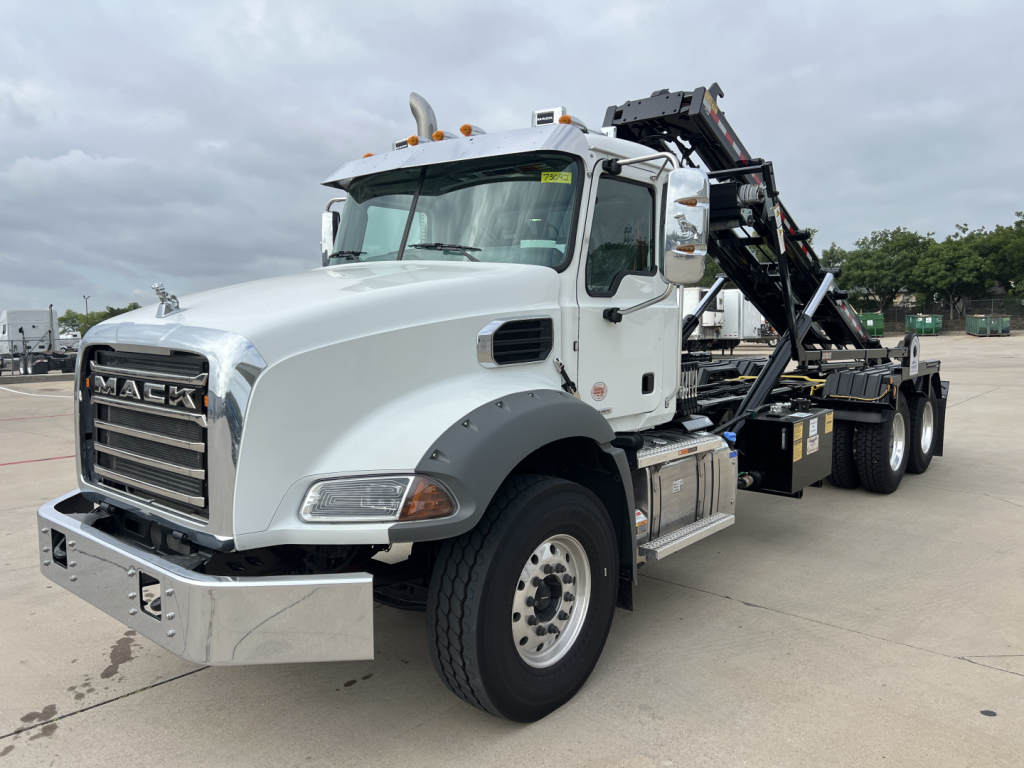
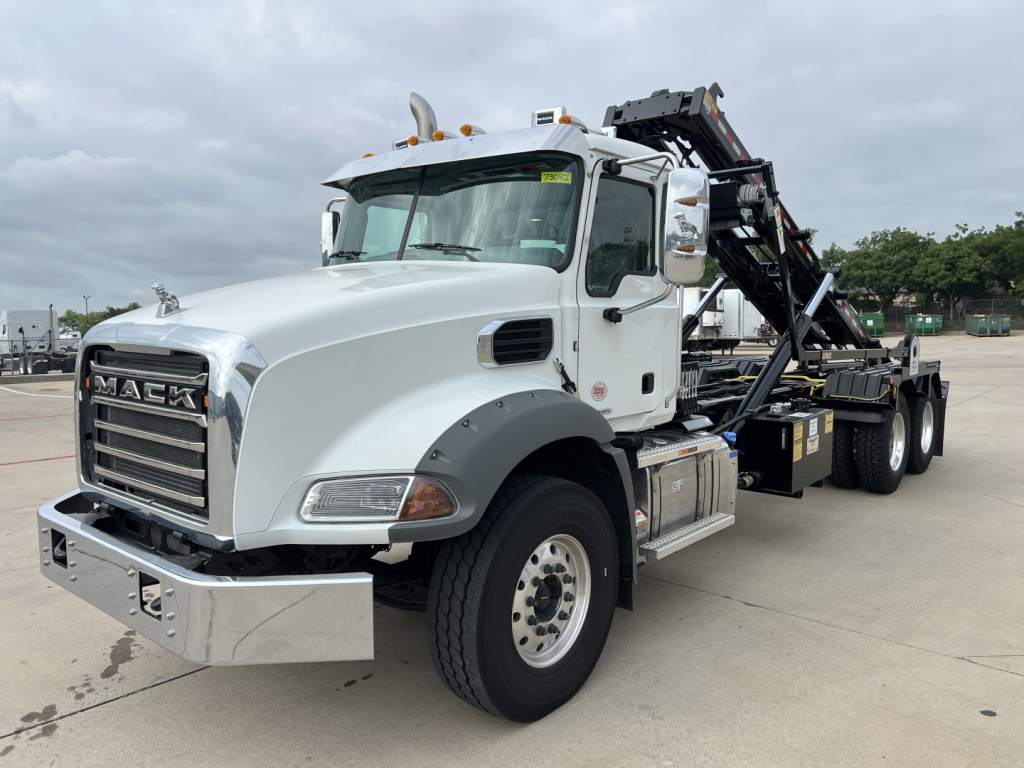
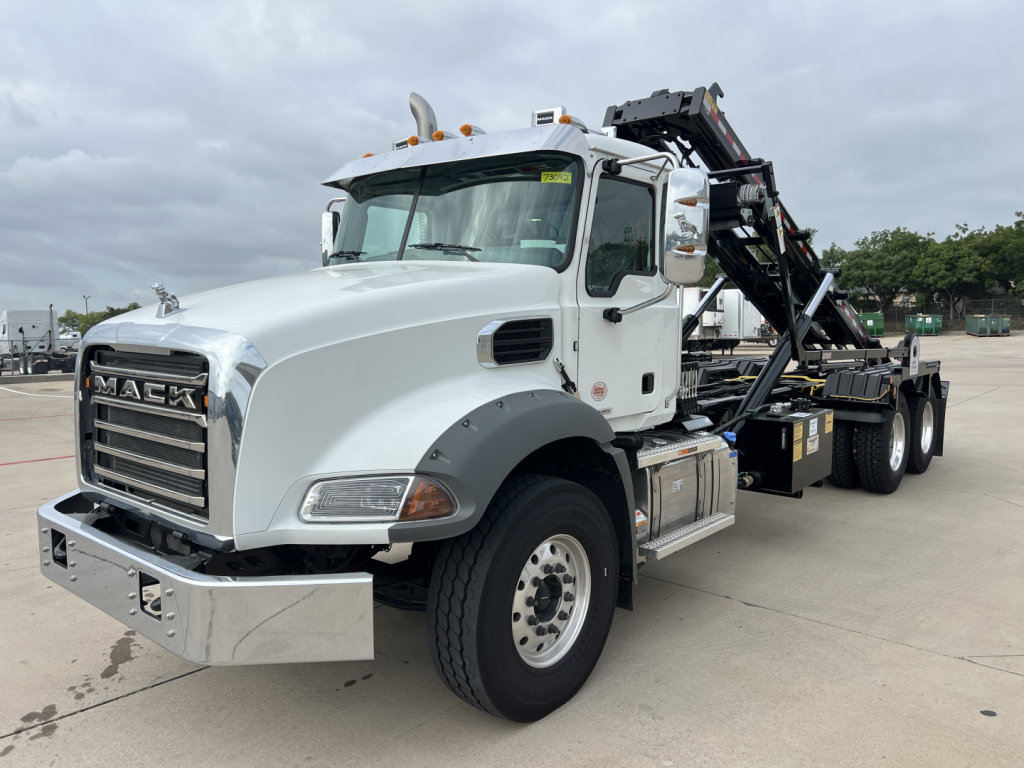
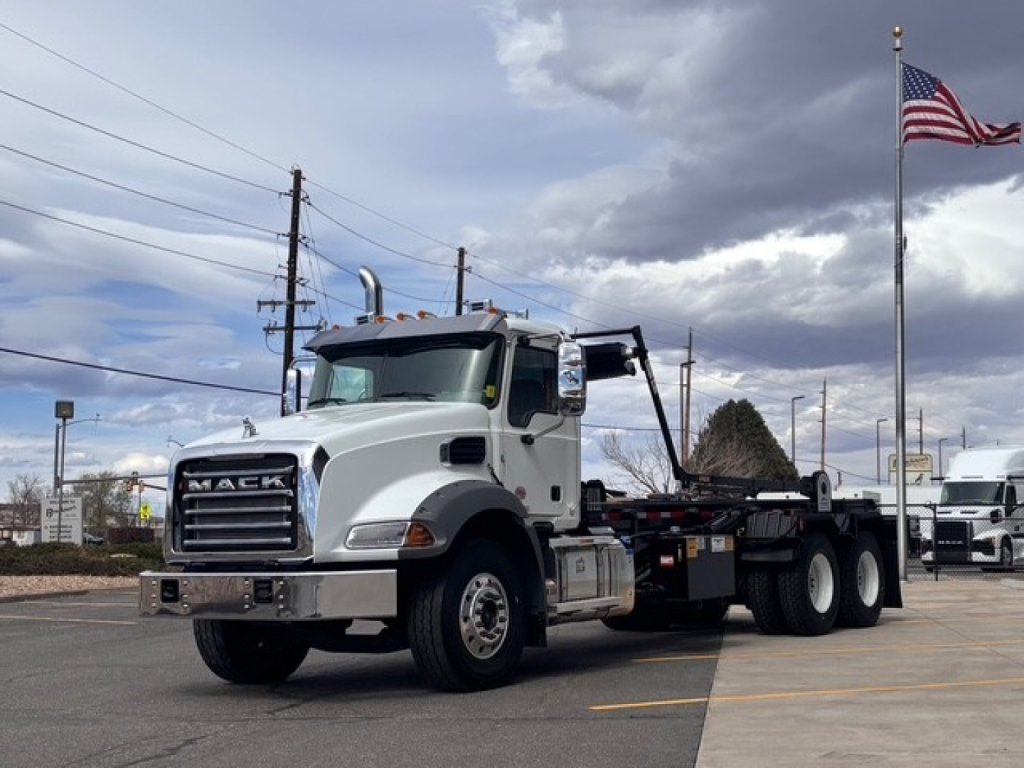
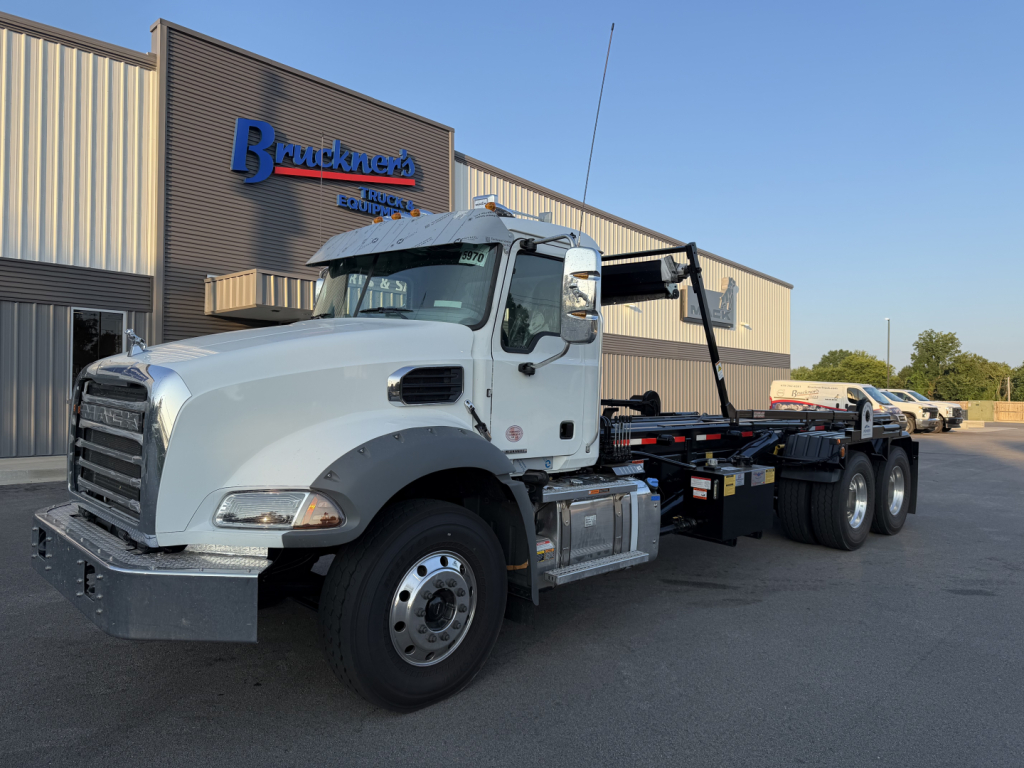
Showing 85 to 112 of 453 results
Selling a new mack truck? List your new mack truck for sale and reach thousands of commercial buyers.
New Mack Trucks
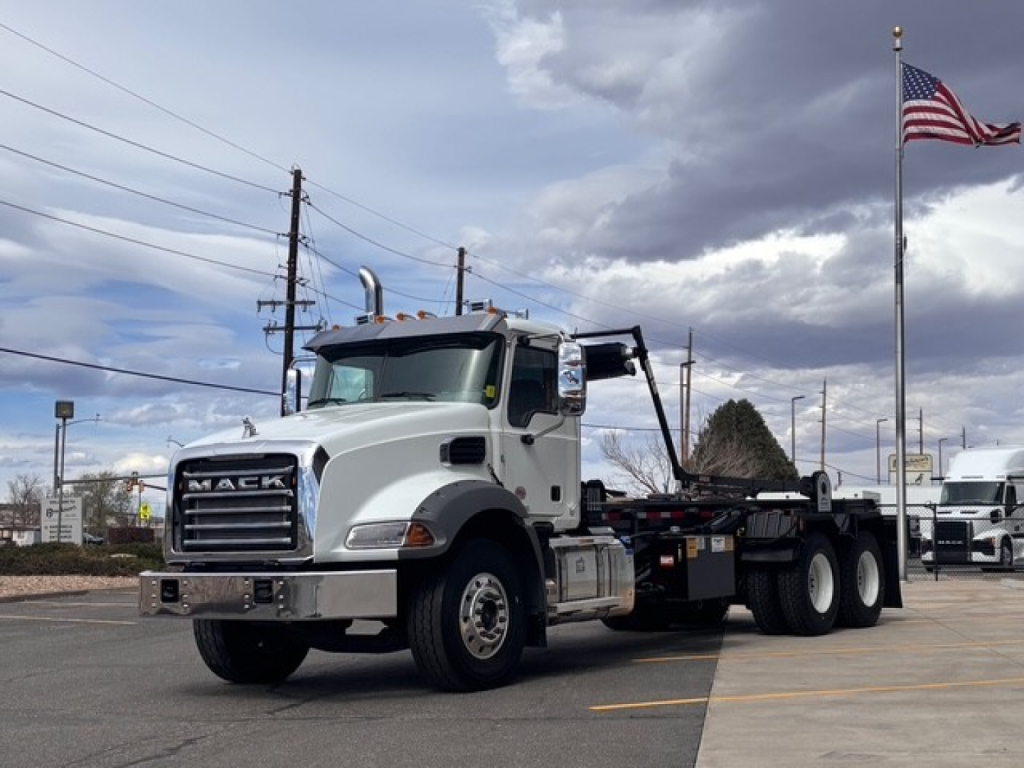
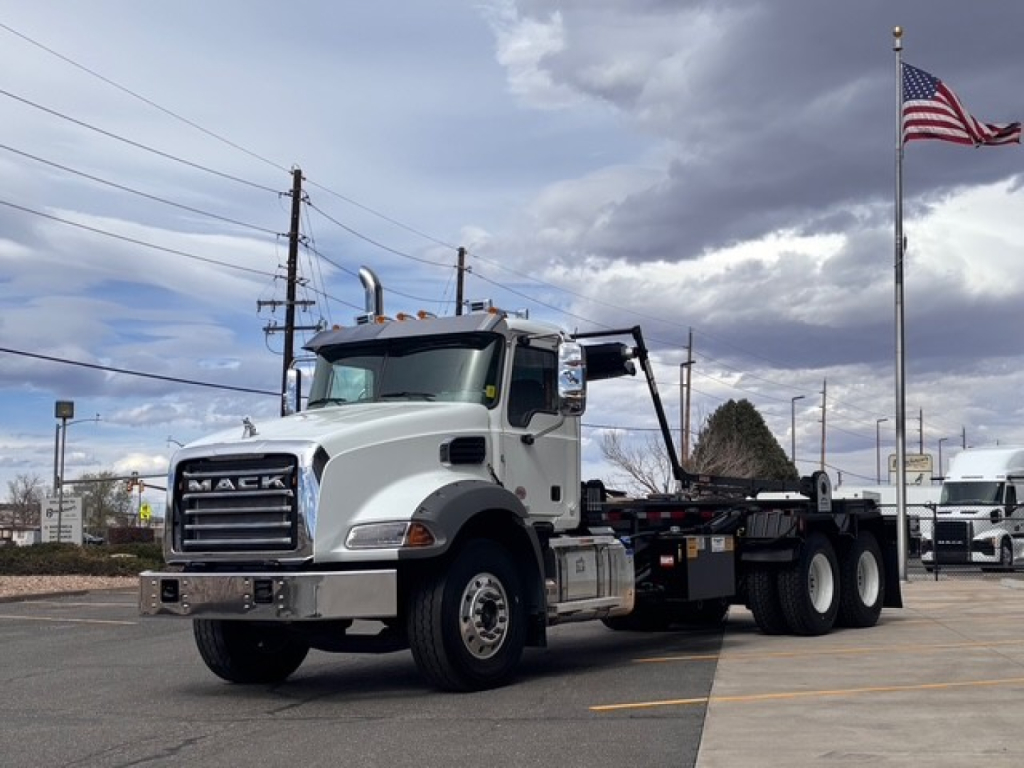
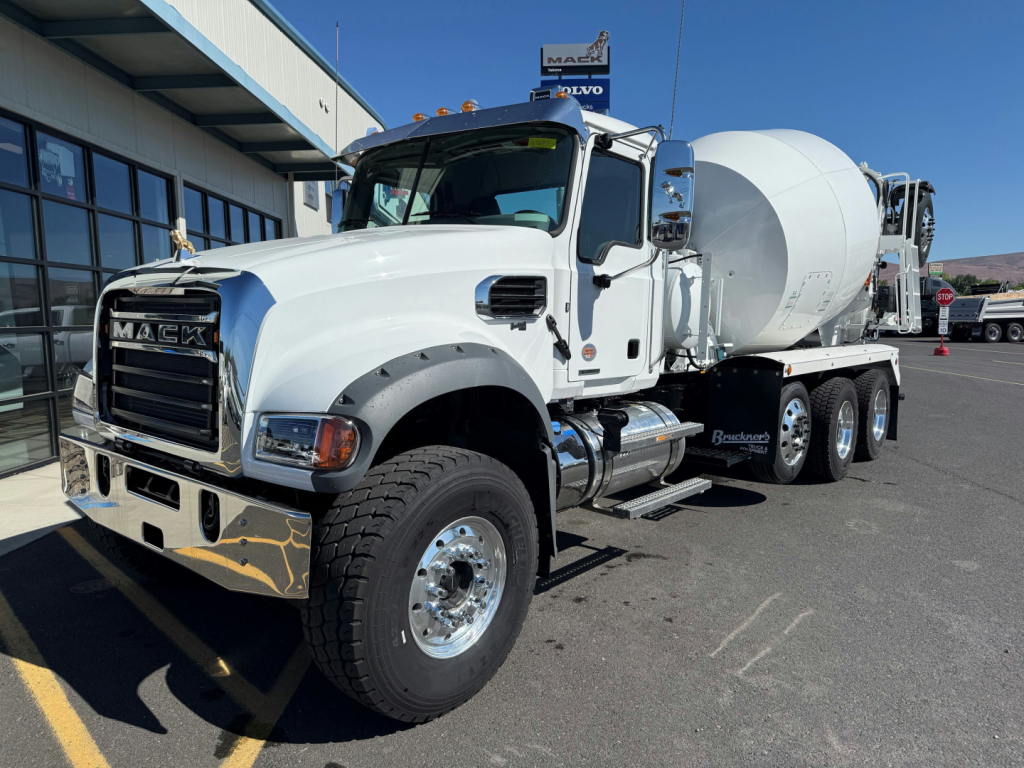
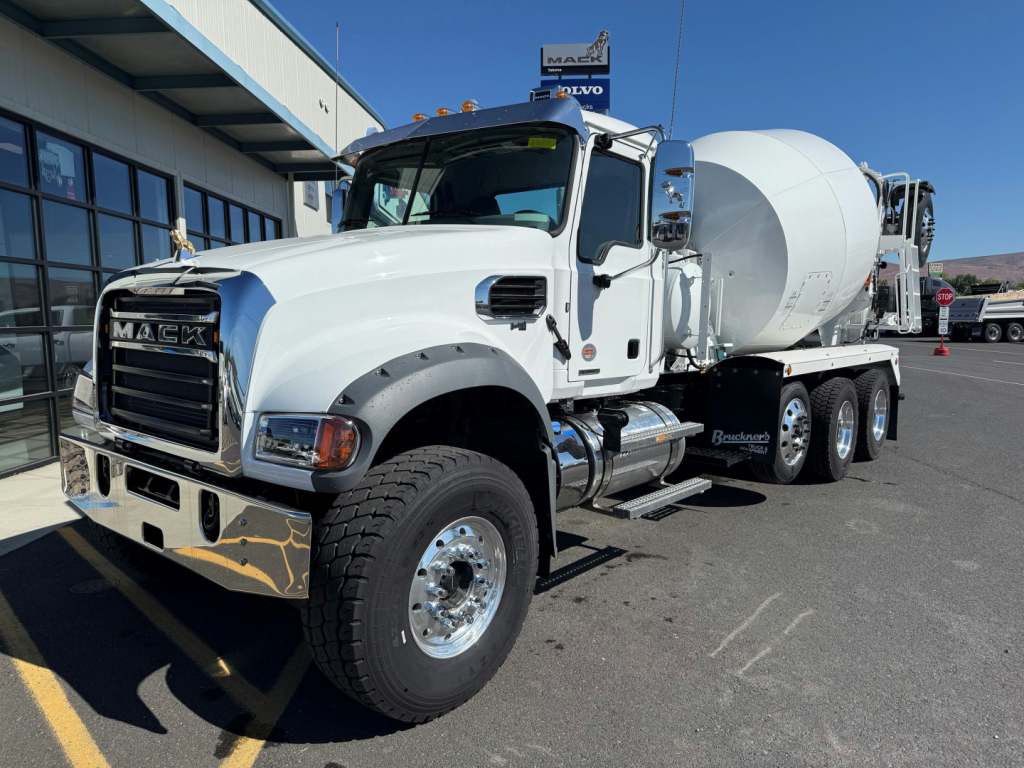
The first buying decision is usually application-specific. A Mack Pioneer or conventional day cab spec is aimed at regional hauling, terminal work, and tractor duty where wheelbase, sleeper needs, and fifth wheel layout matter. A Granite-type vocational chassis is commonly chosen for dump, crane, and municipal work because of frame strength, front axle capacity, and PTO integration. Mack LR models are purpose-built for refuse with low-entry cabs, excellent visibility, and configurations suited for side loader, rear loader, or automated collection bodies. In medium-duty use, models like the MD6 and MD7 fit box truck, stake, reefer, and local delivery work where GVWR, body length, liftgate needs, and CDL thresholds are key considerations.
Powertrain and chassis details have a direct effect on operating cost and body compatibility. Buyers should look closely at horsepower and torque ratings, transmission choice, rear axle ratio, and GCWR or GVWR to make sure the truck performs correctly in its duty cycle. On vocational units, frame RBM, suspension type, axle spread, and PTO readiness often matter more than headline horsepower. For delivery and municipal fleets, turning radius, cab access, visibility, and idle management can be just as important. New Mack trucks may also be spec'd with telematics, safety systems, automatic transmissions, driver-assist features, and body-builder switches that reduce upfit time and improve fleet standardization.
A new truck also gives buyers current emissions systems, factory warranty coverage, and cleaner integration between chassis and body equipment. That matters when the truck will run daily routes, carry specialized equipment, or enter a fleet that depends on predictable maintenance intervals. If you are comparing multiple new Mack trucks for sale, focus on the exact intended use: payload, terrain, route density, bridge law concerns, body weight, and service access. The best Mack spec is not just the newest one. It is the one with the right axle package, wheelbase, cab layout, and vocational setup for the work it will do every day.
Frequently Asked Questions about New Mack Trucks
What are the most common applications for new Mack trucks?
New Mack trucks are widely used in dump, refuse, crane, regional tractor, box truck, municipal, and local delivery applications. The brand is especially strong in vocational segments where chassis strength, axle options, PTO capability, and body-builder support are critical. Models vary from low-entry refuse platforms to medium-duty delivery chassis and heavy-duty day cabs built for demanding route and jobsite conditions.
How do I choose the right new Mack truck configuration?
Start with the work requirement, not the badge. Buyers should confirm GVWR or GCWR targets, payload, body type, wheelbase, front and rear axle ratings, suspension, cab style, and PTO needs before comparing engine or trim details. A dump or crane truck may need heavier frame specs and front axle capacity, while a box truck or local delivery unit may place more value on body length, liftgate compatibility, turning radius, and under-CDL operating limits.
Are new Mack trucks mainly for heavy-duty vocational work?
Mack is best known for heavy-duty vocational trucks, but the lineup also includes medium-duty models for box, stake, van body, and local delivery use. That gives buyers options across several weight classes and duty cycles. A refuse fleet, construction contractor, utility operator, and regional delivery business can all find Mack chassis built around very different operating needs.
What should I look for in a new Mack refuse or dump truck spec?
For refuse trucks, focus on cab entry height, visibility, axle ratings, turning performance, body integration, and route durability. For dump trucks, pay attention to frame strength, suspension, wheelbase, PTO setup, front axle capacity, and weight distribution once the body and hoist are installed. In both cases, the best result comes from matching the chassis to the finished upfit, not judging the truck as a bare cab and chassis alone.
What are the advantages of buying a new Mack truck instead of a used one?
A new Mack truck allows the buyer to spec the chassis for the exact job, including axle package, transmission, gearing, wheelbase, and body-builder provisions. It also provides current warranty coverage, updated safety and emissions systems, and less uncertainty around maintenance history. For fleets that need uptime, standardized specs, and long service life, those factors can outweigh the lower acquisition cost of a used truck.