
New Mack Trucks For Sale in Oklahoma
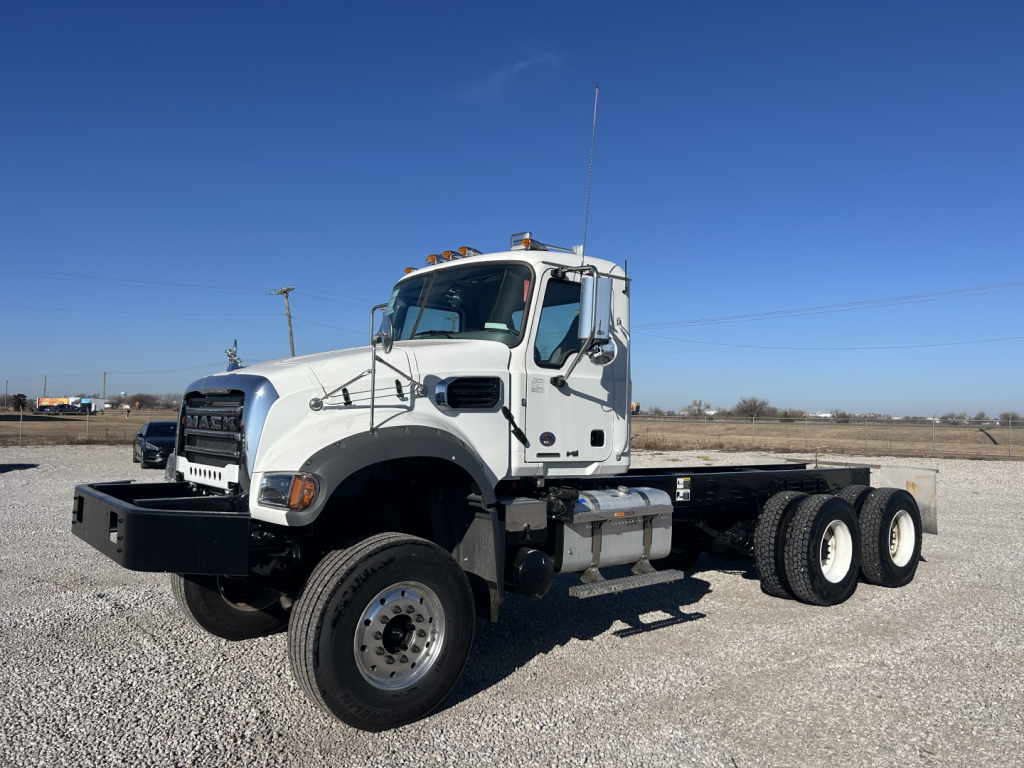
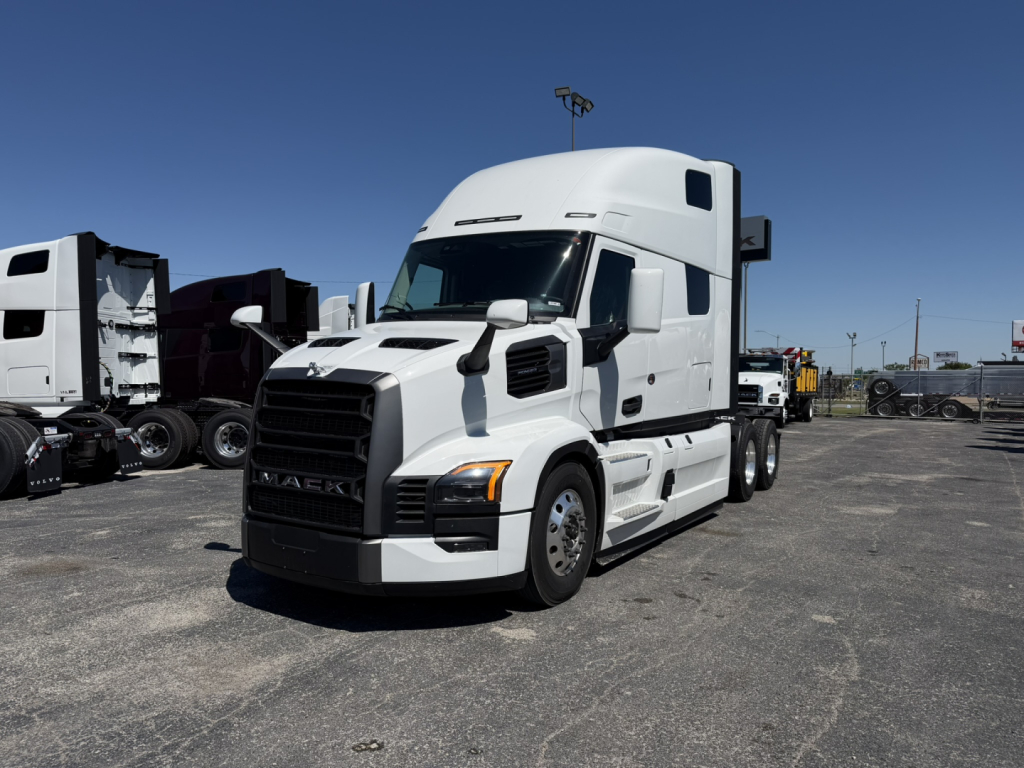
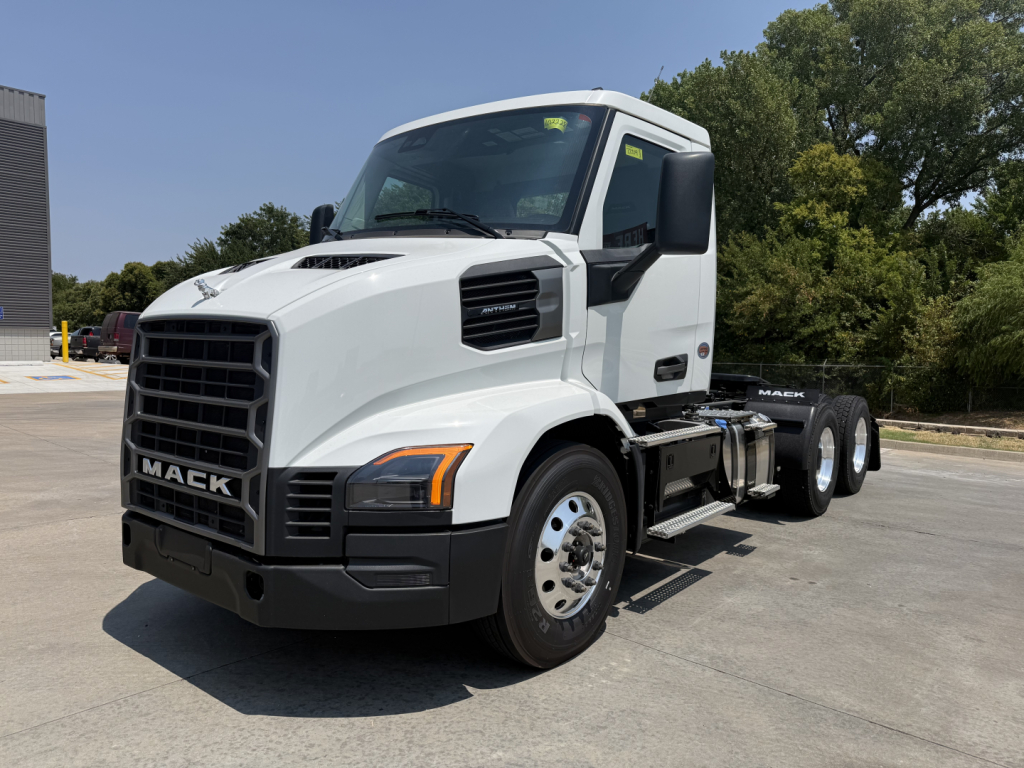
Browse new Mack trucks for sale in Oklahoma, including day cabs, sleepers, cab and chassis, and vocational Mack truck configurations.
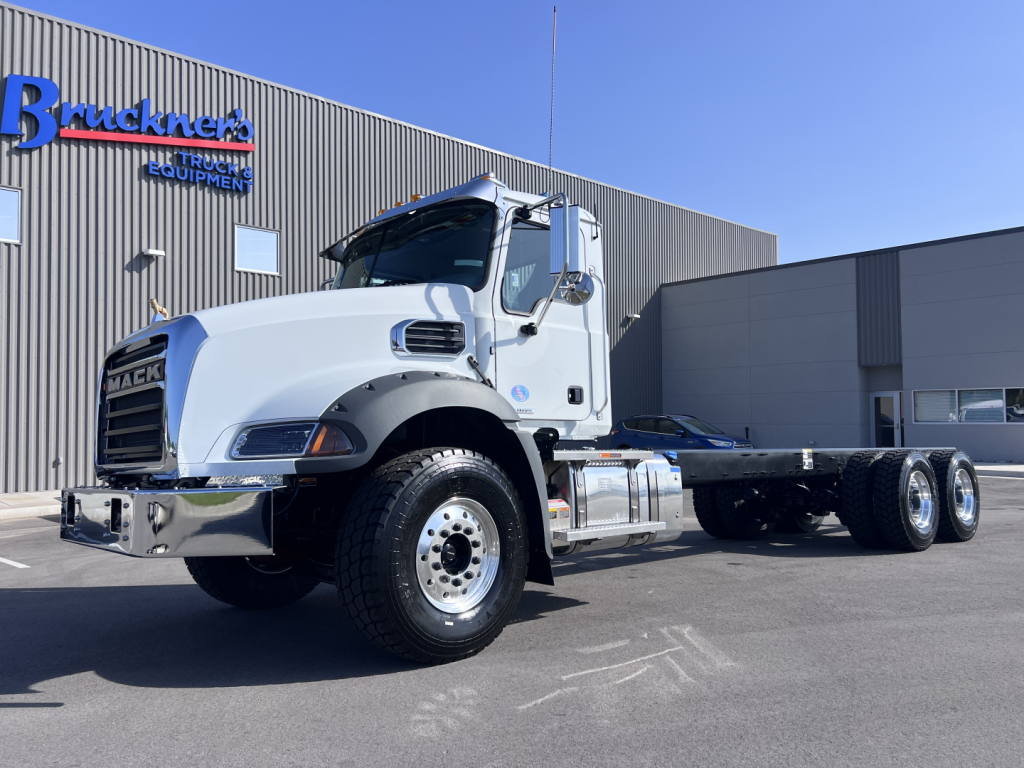
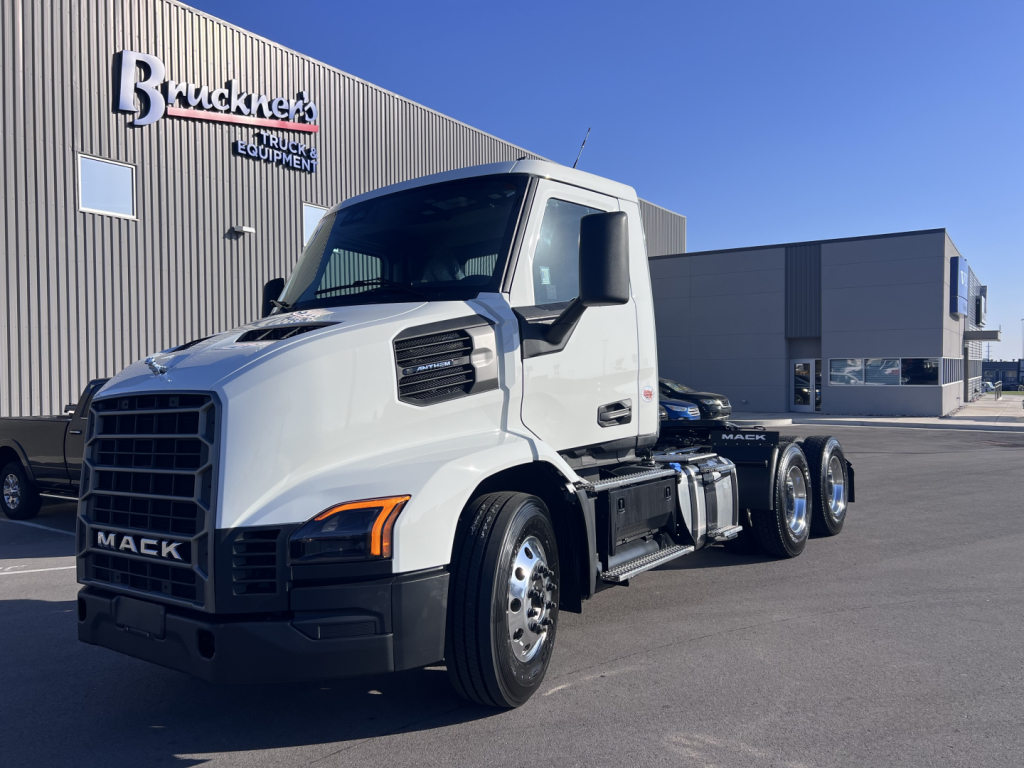
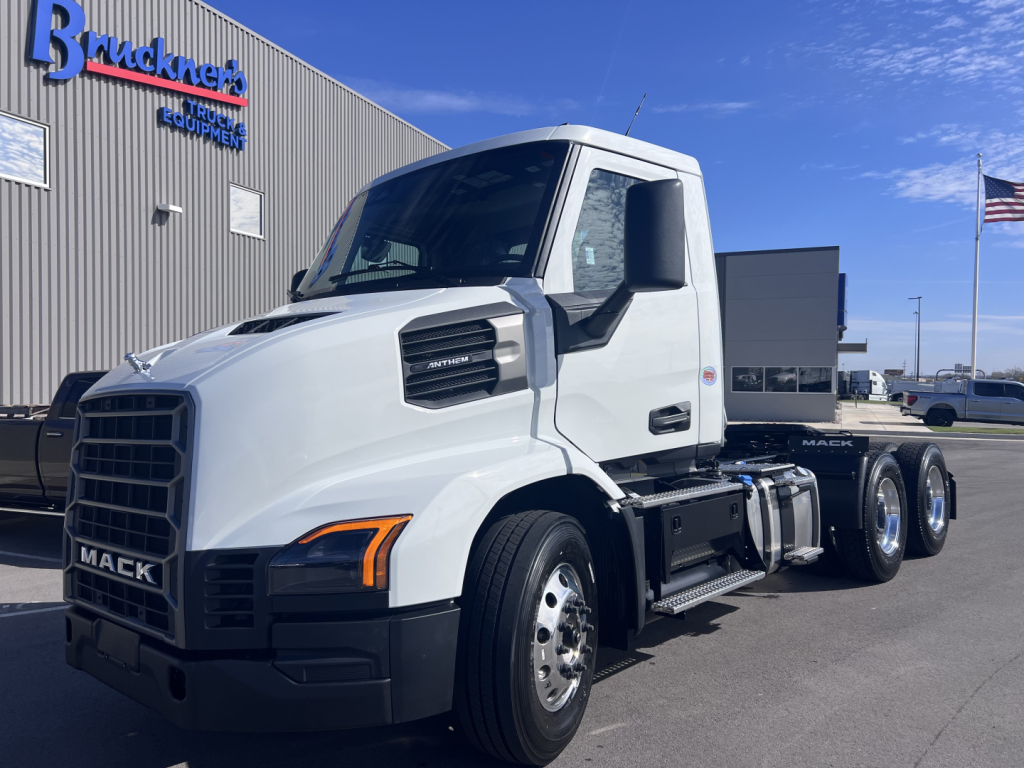
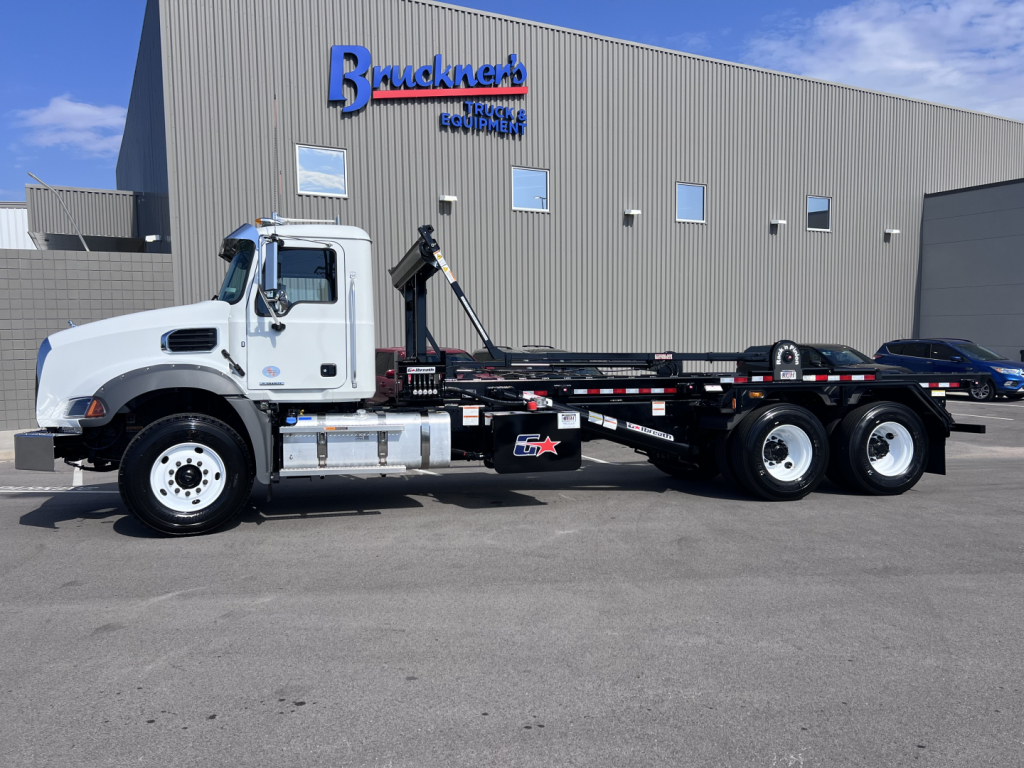
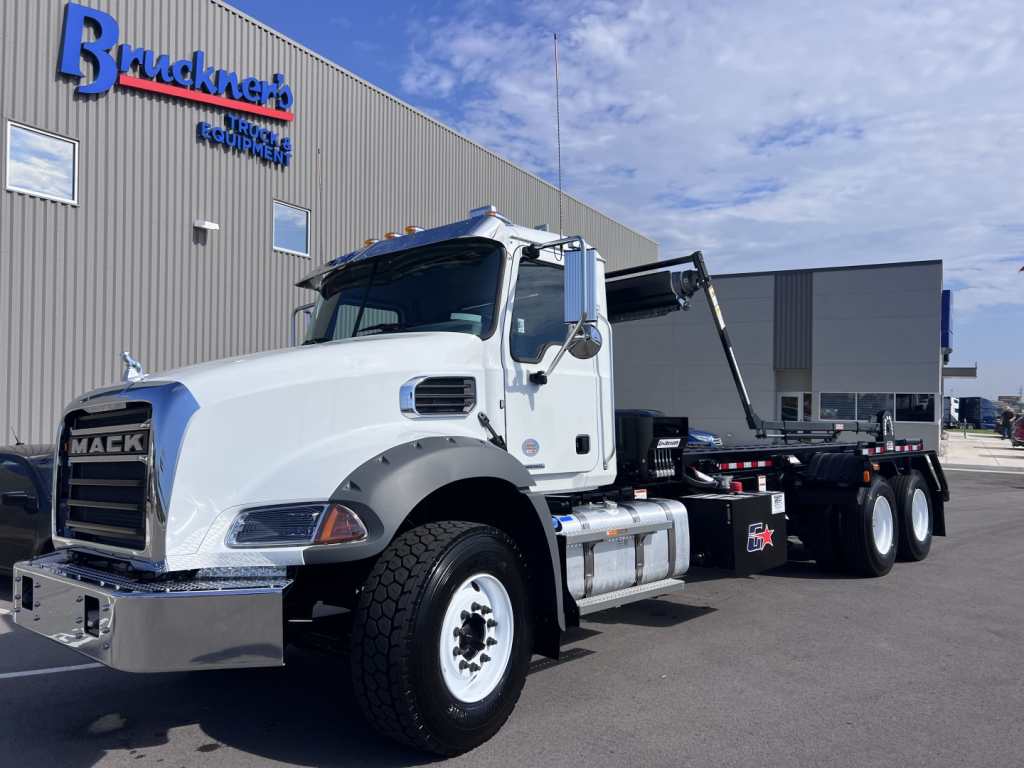

Selling a new mack truck? List your new mack truck for sale and reach thousands of commercial buyers.
New Mack Trucks in Oklahoma
A lot of new Mack trucks are spec'd around Mack MP7 or MP13 engines paired with the mDRIVE automated manual transmission, though certain vocational applications still use fully automatic Allison transmissions. The MP7 is a common fit for regional, municipal, and vocational work where strong low-end torque and manageable operating costs matter. The MP13 is more common when buyers need higher horsepower for heavier gross weights, higher cruising speeds, or sleeper applications. Front axle ratings like 12,000 to 20,000 pounds and rear axle ratings from 40,000 to 46,000 pounds are common in these classes, and axle ratio selection has a major effect on startability, fuel economy, and road speed. A lower numerical ratio such as 2.79 typically favors highway efficiency, while deeper ratios such as 3.98 or 5.31 are better suited to heavy vocational service, PTO work, stop-and-go routes, and body-up applications.
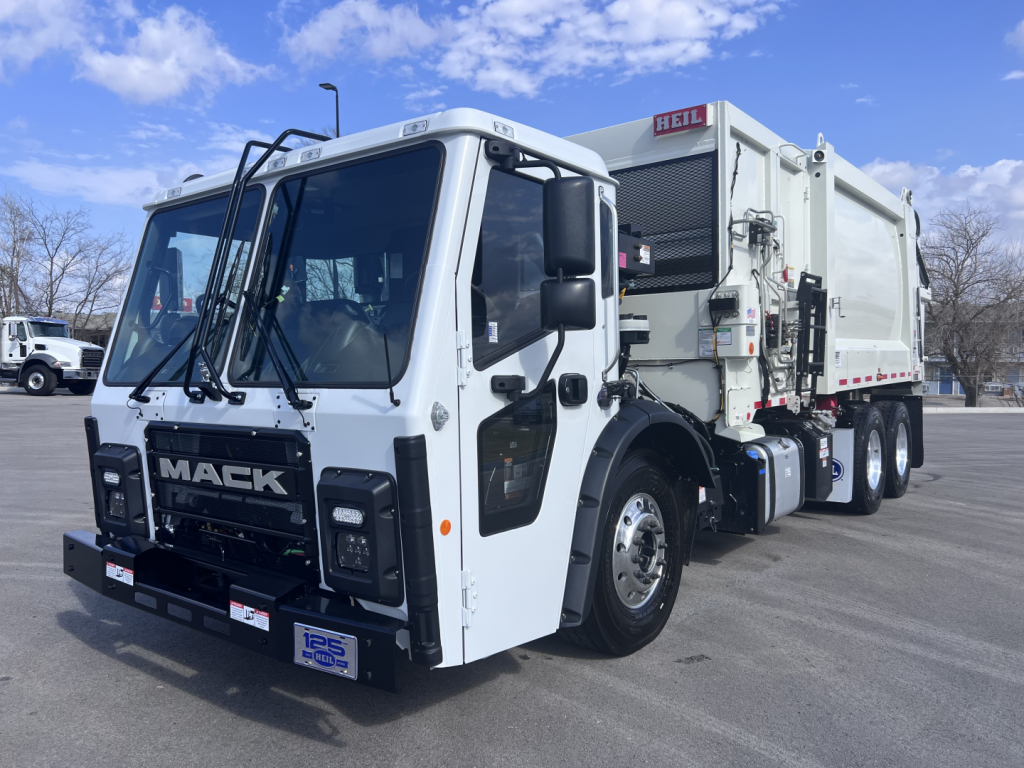
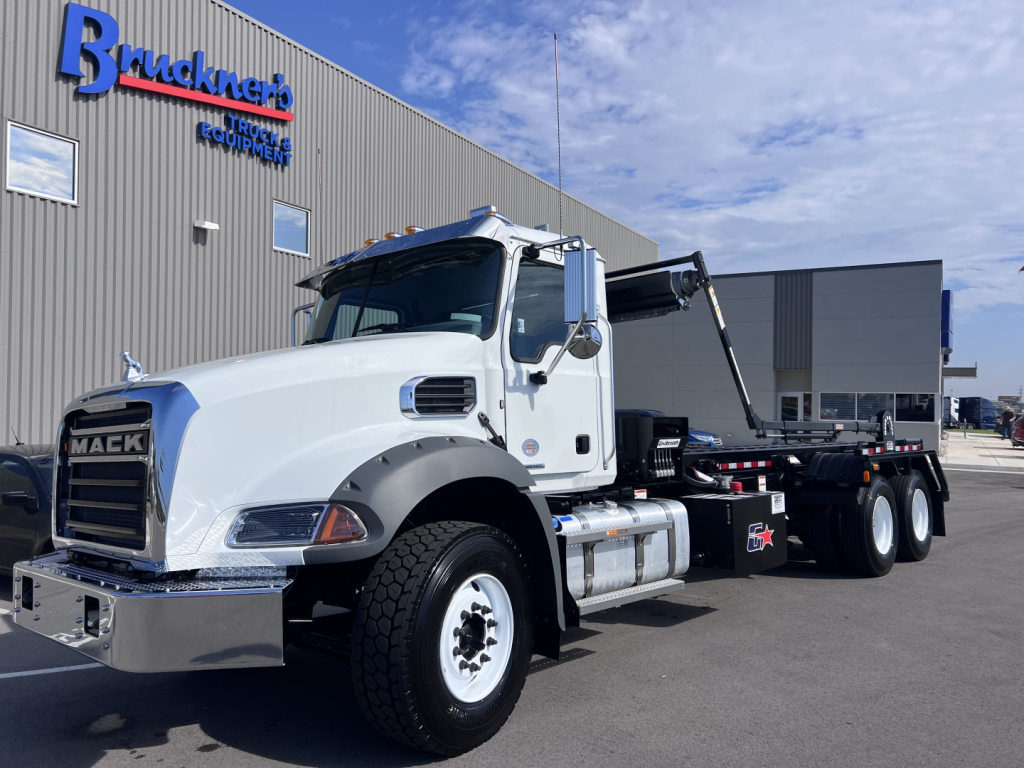
Cab style should match route profile and body requirements. Conventional day cabs are a practical fit for regional hauling, local fuel-sensitive operations, and dedicated-route tractor work. Raised-roof sleeper configurations make more sense for over-the-road fleets or owner-operators looking for bunk space, storage, inverter capacity, and driver comfort features. Cab and chassis Mack trucks are often purchased for upfitting as dumps, service trucks, roll-offs, mixers, or other vocational bodies, so buyers should pay close attention to frame layout, back-of-cab clearance, wheelbase, PTO provisions, and suspension compatibility. Refuse buyers looking at Mack LR models will usually focus on right-hand drive layout, visibility, body integration, automatic transmission choice, and hydraulic readiness, since those specs directly affect route efficiency and safety.
In Oklahoma, truck specs often need to balance highway miles with heat, dust, jobsite conditions, and mixed rural-urban routes. That makes cooling performance, brake type, suspension setup, and tire package more important than they might appear on a basic listing. Buyers comparing new Mack trucks should also look closely at wheel cut, steering axle capacity, frame strength, fuel tank placement, and any factory-installed driver-assist or camera systems. Mack's integrated driveline strategy is a selling point because engine, transmission, and software calibration are designed to work together, which can help with drivability, uptime, and service diagnostics. A well-chosen Mack spec is less about buying the highest horsepower number and more about matching the truck to payload, terrain, body equipment, and daily operating pattern.
Frequently Asked Questions about New Mack Trucks in Oklahoma
What are the most common types of new Mack trucks for sale in Oklahoma?
The most common new Mack truck types in Oklahoma include conventional day cabs, sleeper tractors, cab and chassis trucks, and vocational models such as refuse trucks. Day cabs are typically used for regional or local hauling, sleepers are built for longer runs, and cab and chassis units are purchased for custom body installation. Vocational Mack models are often spec'd for construction, municipal, and waste applications where axle ratings, frame strength, and PTO compatibility matter more than sleeper amenities.
What is the difference between a Mack MP7 and MP13 engine?
The Mack MP7 is generally chosen for medium to heavy vocational work, regional hauling, and applications where a balanced mix of torque, weight, and operating cost is important. The MP13 is a larger-displacement engine more commonly used in heavy highway and premium vocational specs that need more horsepower and stronger pull at higher gross weights. The better choice depends on the load, terrain, average trip length, and whether the truck will spend most of its life on the interstate or in stop-and-go severe service.
Is mDRIVE a good transmission choice in a new Mack truck?
For many buyers, yes. Mack's mDRIVE automated manual transmission is a popular choice because it is integrated with the engine and designed to improve shift quality, drivability, and fuel efficiency. It is especially common in highway tractors and many vocational specs. Buyers in refuse, mixer, or other heavy stop-start applications may still prefer an Allison automatic when smooth low-speed operation, PTO performance, or driver familiarity is the top priority.
What should I look for when buying a new Mack cab and chassis?
The key items are wheelbase, axle ratings, frame specification, PTO setup, suspension type, and back-of-cab clearance for the body being installed. A cab and chassis truck has to match the body builder's requirements, so body length, hoist placement, tank location, exhaust routing, and electrical integration all matter. Buyers should confirm that the chassis is spec'd for the finished application rather than assuming any heavy-duty frame can accept any body without compromise.
Which Mack truck models are best for vocational work?
Mack vocational buyers often focus on models such as the Granite for construction and heavy jobsite use, the LR for refuse collection, and certain cab and chassis configurations for dumps, service bodies, and municipal equipment. The right model depends on visibility needs, maneuverability, transmission preference, axle capacity, and how the truck will be upfitted. In vocational service, the best truck is usually the one with the correct frame, gearing, and body integration rather than the most basic purchase price.