
New Mack Crane Trucks For Sale
Shop new Mack crane trucks built for lifting, utility, construction, and material handling with durable chassis and vocational-ready specs.
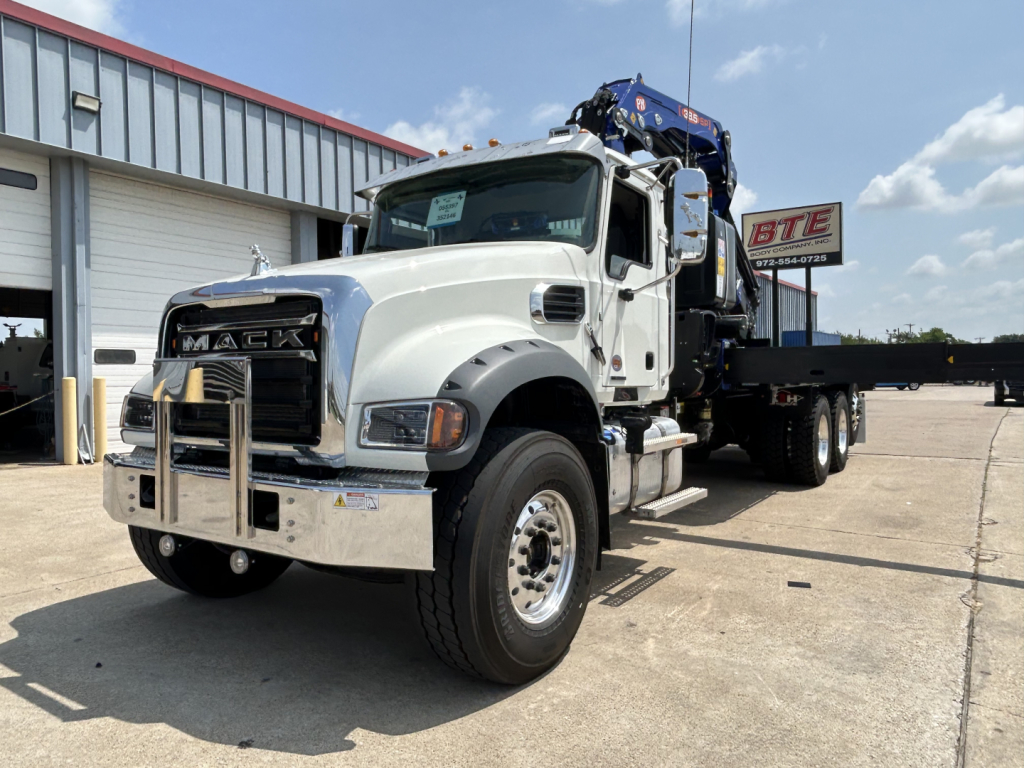
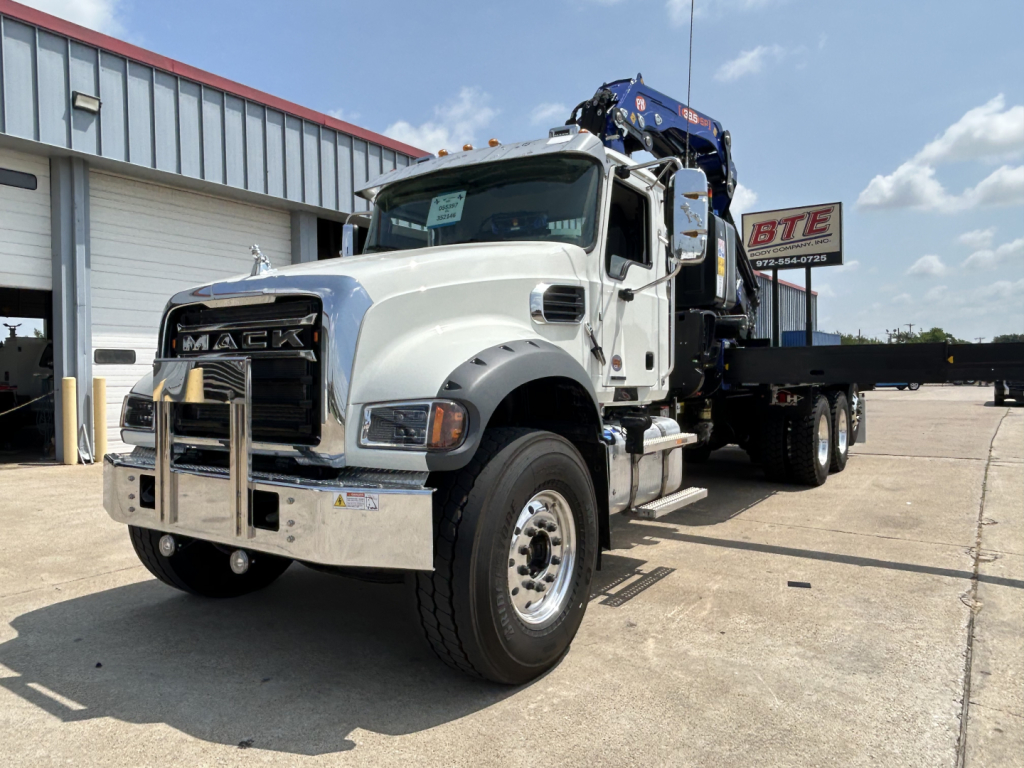
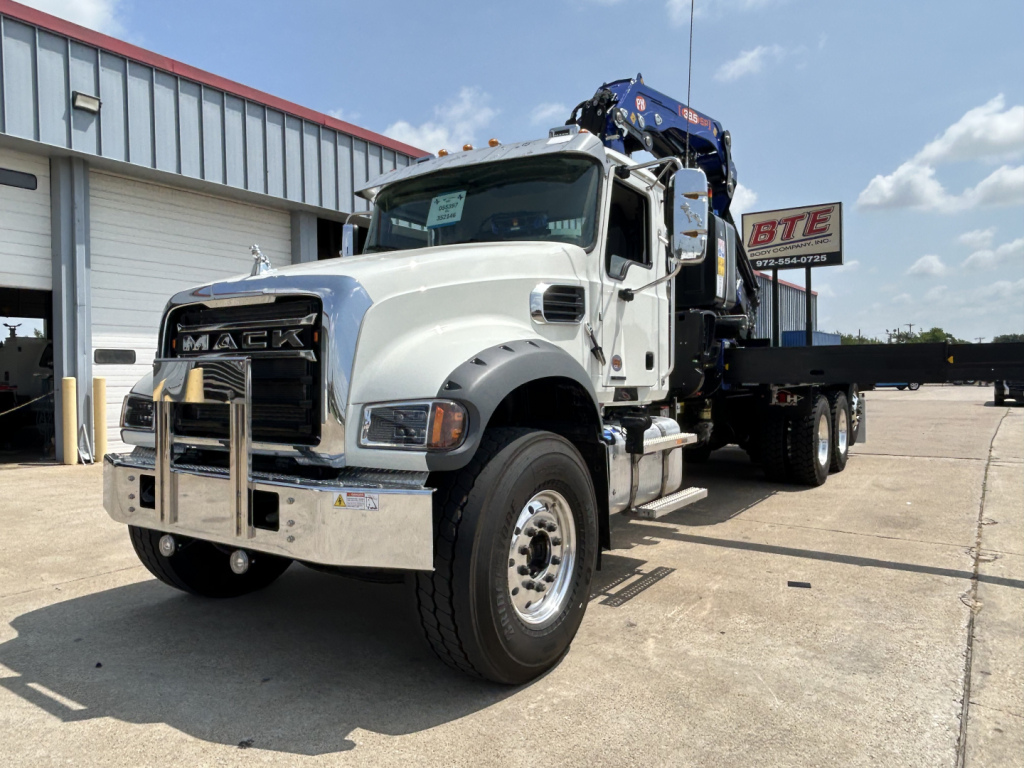
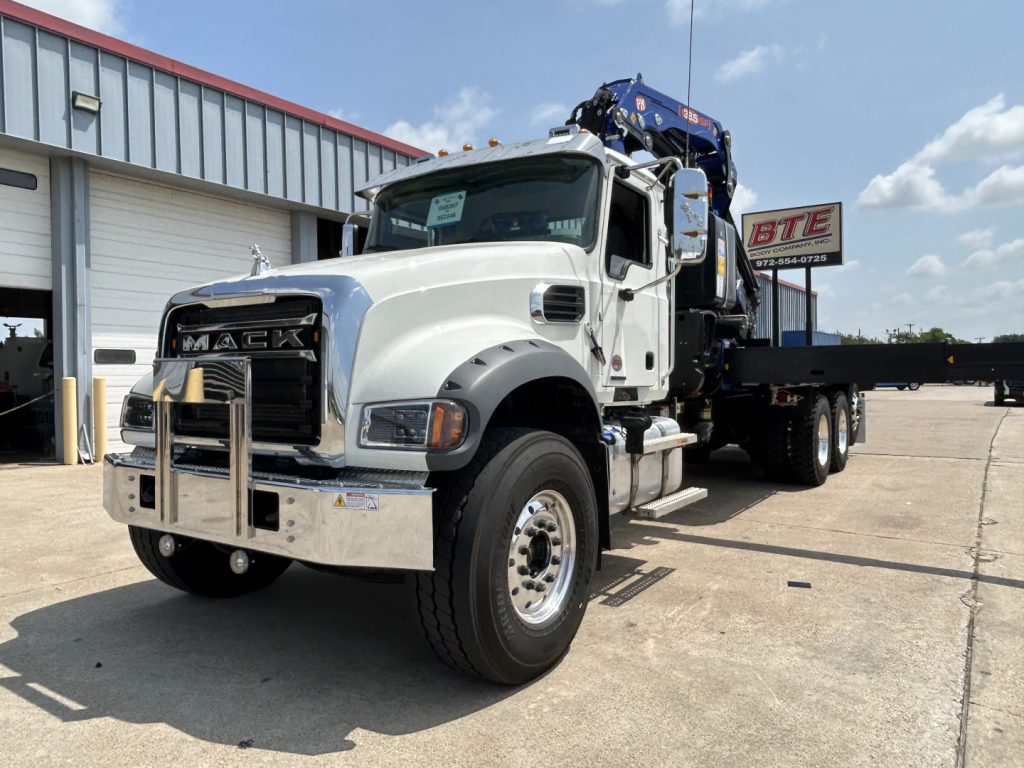
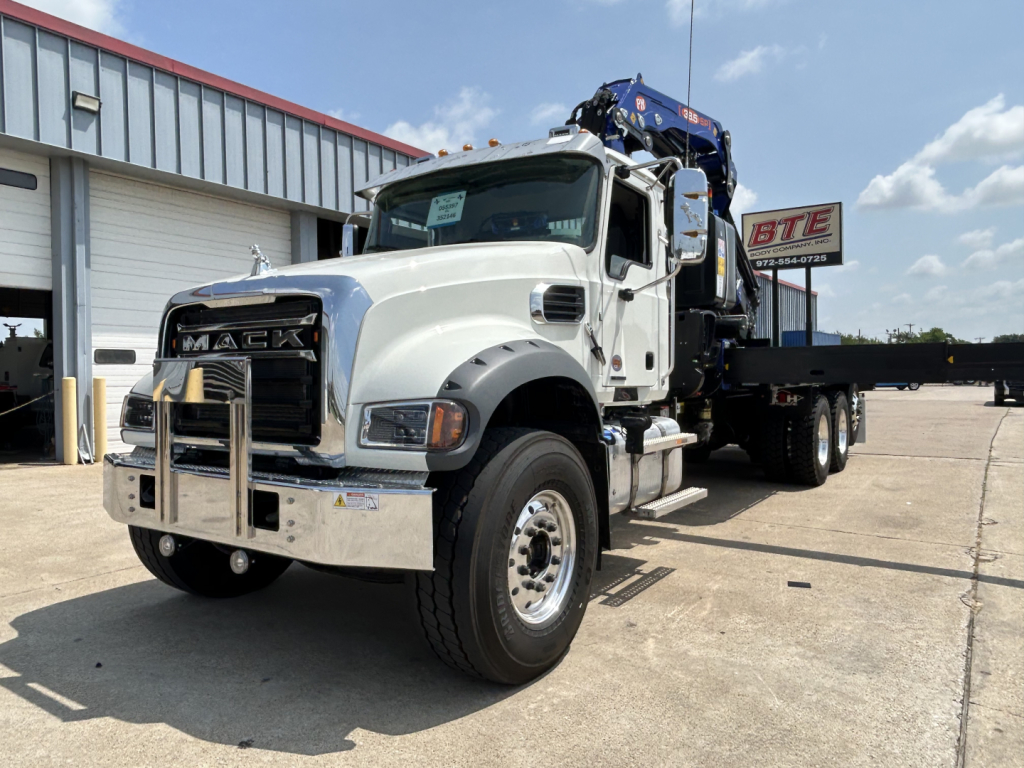
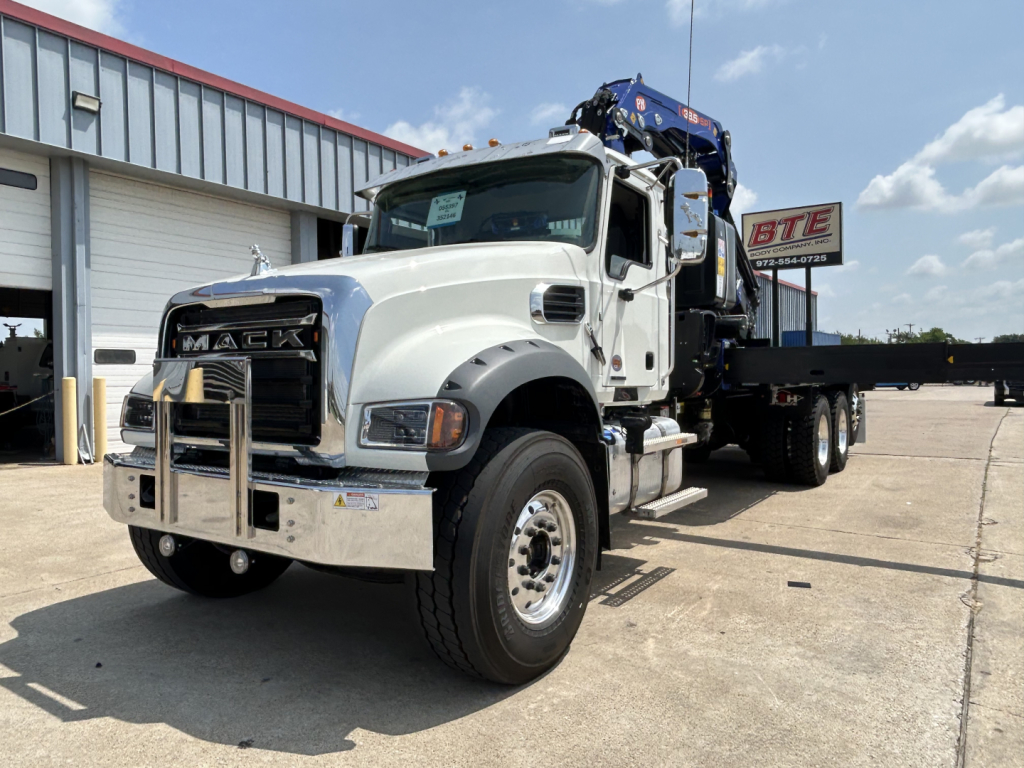
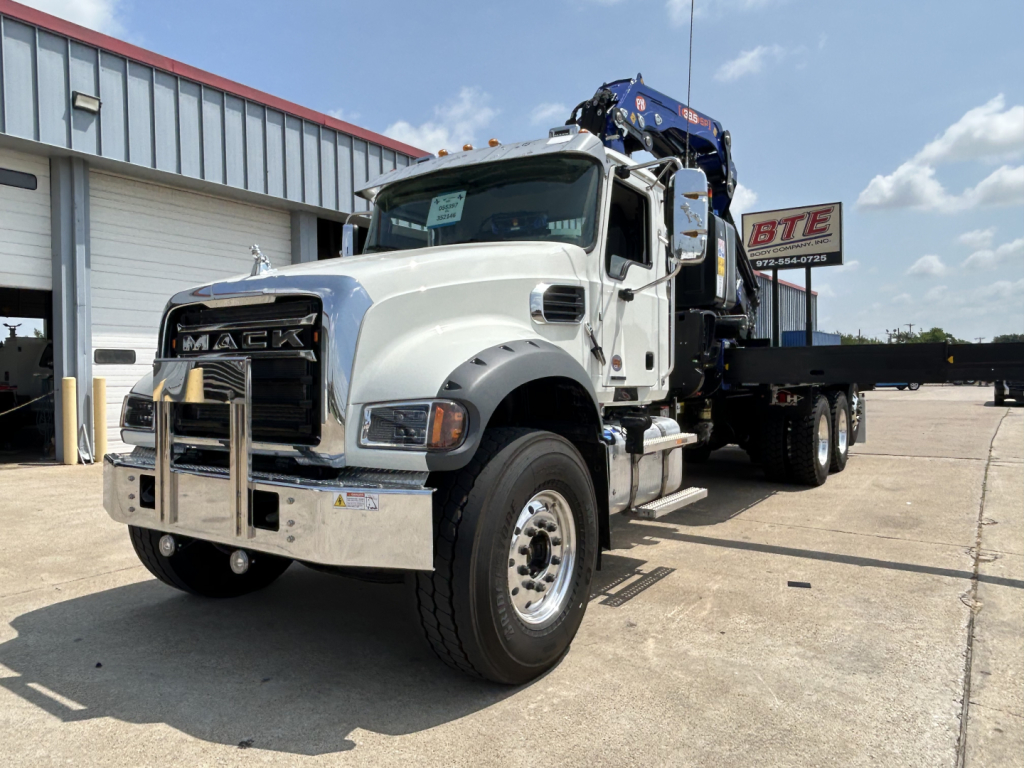
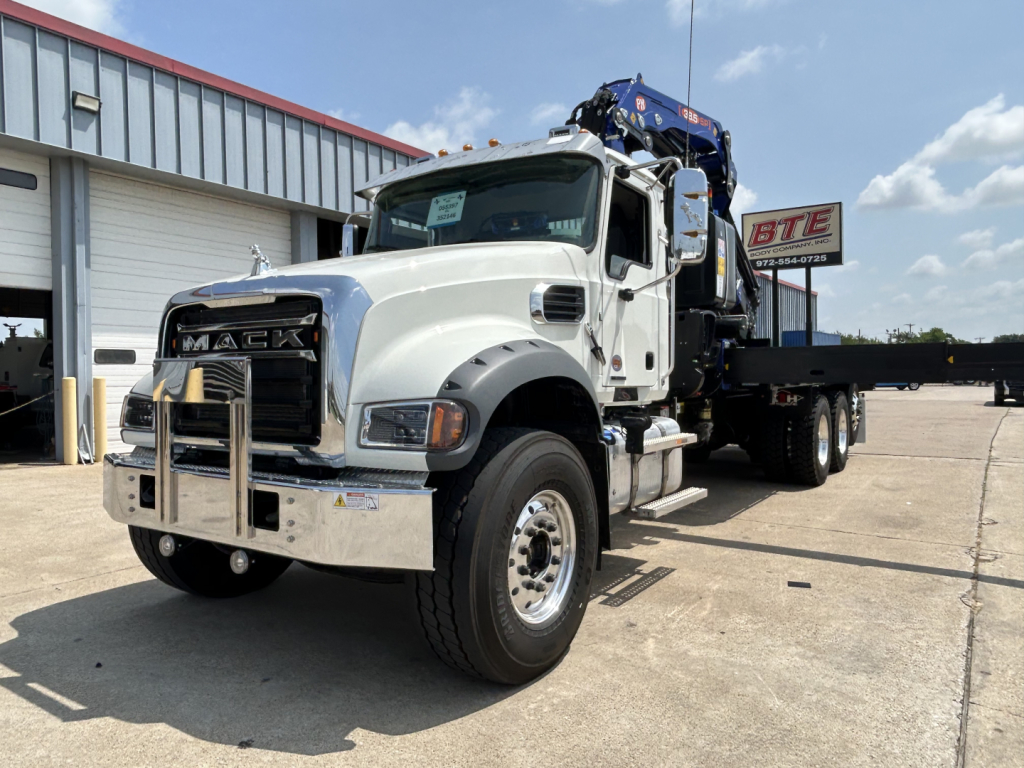
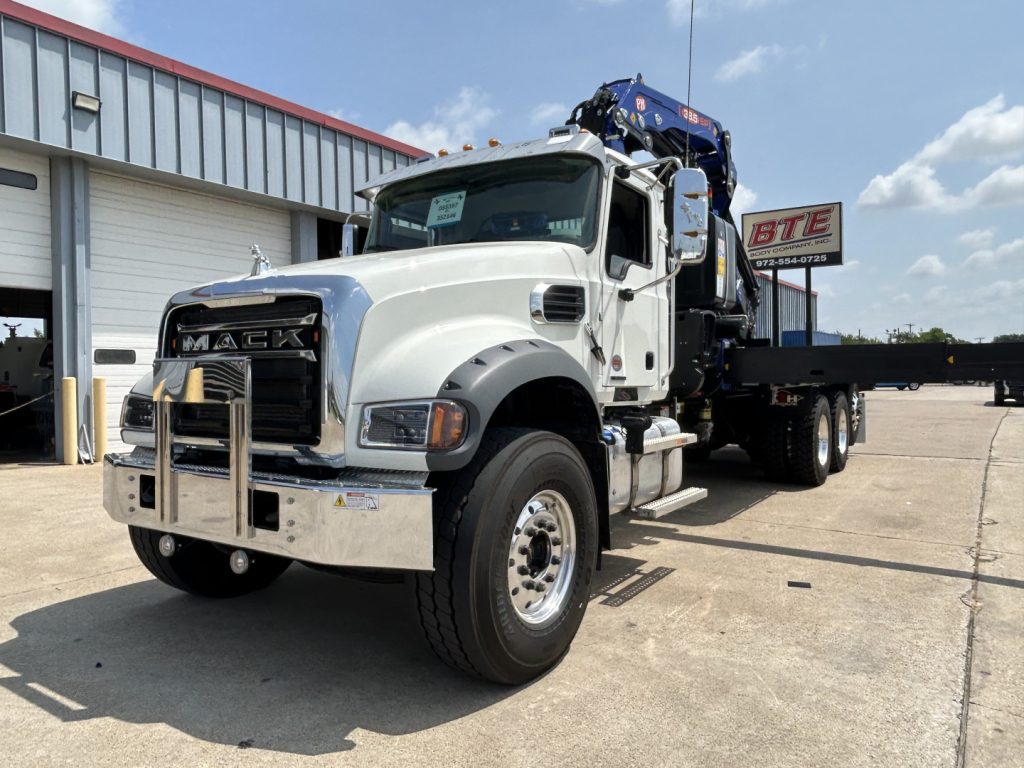
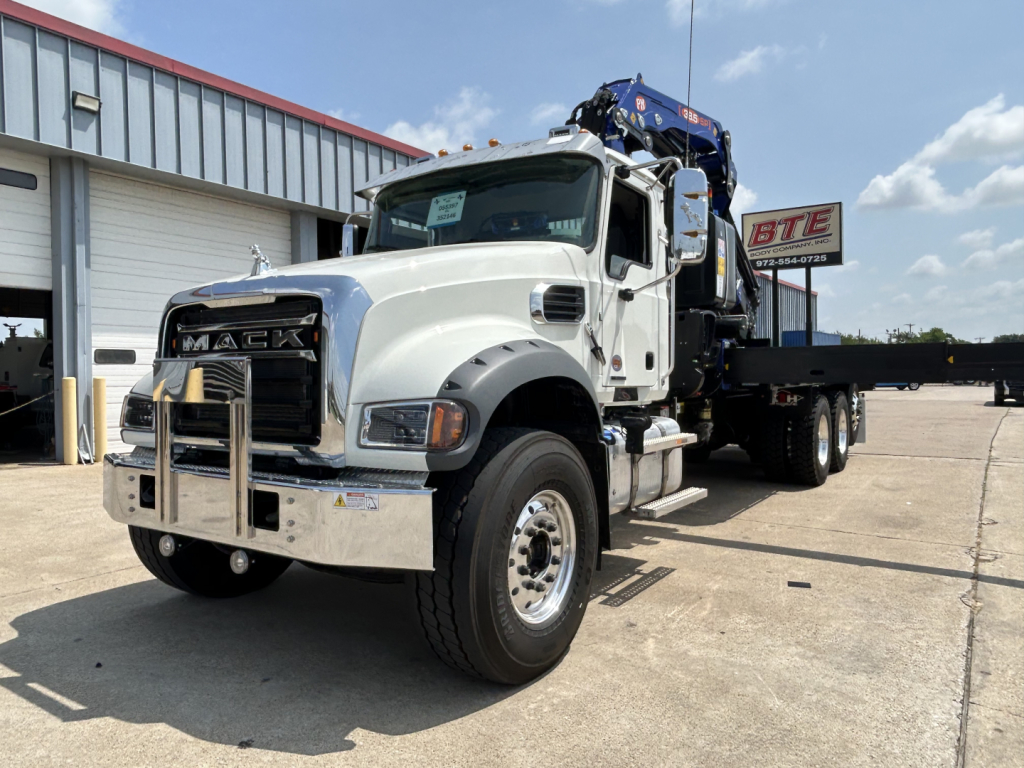
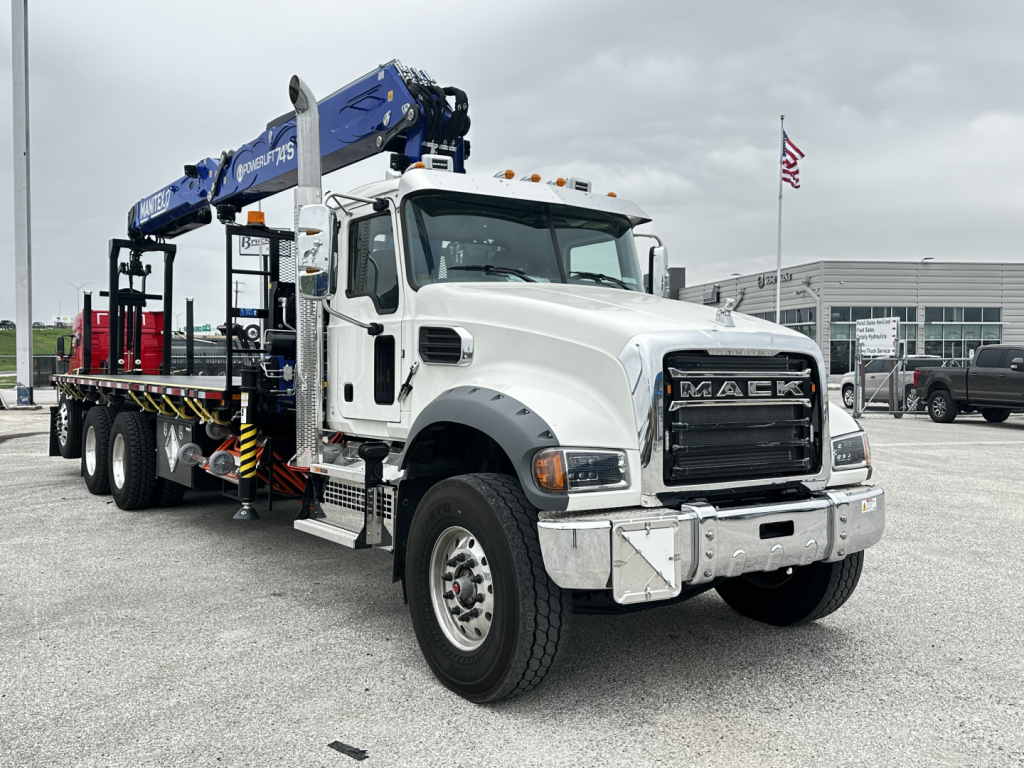
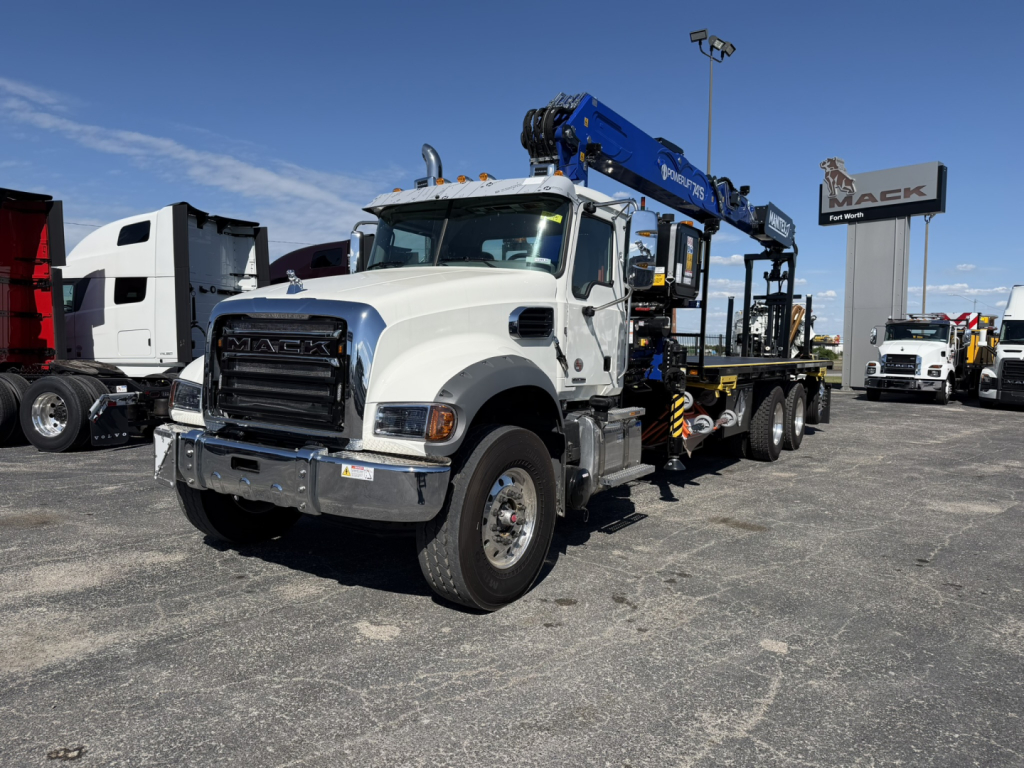

Selling a new mack crane truck? List your new mack crane truck for sale and reach thousands of commercial buyers.
New Mack Crane Trucks
For most buyers, the chassis specification matters as much as the crane itself. Mack vocational platforms are known for stout frames, axle capacity, and durability in severe-service use, which makes them a strong fit for crane body upfits. Key decisions usually start with axle configuration, wheelbase, front axle rating, rear suspension, and PTO compatibility. Buyers should also look closely at gross vehicle weight rating, body and crane weight distribution, and available frame space for outriggers, toolboxes, and deck length. If the truck will spend time on uneven jobsites or in urban delivery work, turning radius, cab configuration, and visibility can have a real impact on day-to-day usability.
Crane truck specs vary widely based on the intended lift profile. Important crane-side considerations include rated lifting capacity, boom length, hydraulic reach, winch configuration, stability, and outrigger spread. Some setups are optimized for lighter repetitive picks and fast cycle times, while others are built for heavier materials and longer reach. Buyers should match the crane chart to their actual work instead of shopping by maximum capacity alone. A truck that regularly handles roofing bundles, trusses, HVAC units, generators, or building materials needs the right balance of payload, deck space, and lifting performance at working radius, not just a big number on paper.
New Mack crane trucks also appeal to fleets that want current emissions systems, updated safety technology, and a clean starting point for a specialized upfit. When comparing listings, it is worth checking for engine horsepower and torque, transmission choice, PTO provisions, axle ratio, brake configuration, and any body-builder features that simplify crane installation. The best unit for the job is usually the one that fits local bridge laws, jobsite access, and the weight of the materials being handled every day. A properly spec'd Mack crane truck can serve as a reliable one-truck solution for lifting, transport, and vocational work across demanding applications.
Frequently Asked Questions about New Mack Crane Trucks
What is a Mack crane truck used for?
A Mack crane truck is used to transport materials and lift them into place from the same vehicle. Common applications include utility work, construction supply delivery, HVAC placement, roofing material handling, equipment moves, and general contractor support. These trucks are especially useful for jobs that require multiple stops or short setup times because they reduce the need for a separate trailer and crane.
What should I look for when buying a new Mack crane truck?
Start with the chassis ratings and the crane's real working capability. Buyers should review front and rear axle ratings, GVWR, wheelbase, frame strength, suspension, PTO setup, and available space for outriggers and body equipment. On the crane side, focus on lift capacity at working radius, boom length, hydraulic reach, and stability. The right specification depends on what you lift most often, how far you need to reach, and how much payload the truck must still carry.
Are crane trucks and boom trucks the same thing?
In many markets, the terms crane truck and boom truck are used interchangeably. Both usually refer to a truck chassis fitted with a hydraulic crane for lifting and placing materials. Some buyers use boom truck more often for construction delivery applications, while crane truck can be a broader term that includes several body and lifting configurations. The important part is understanding the crane chart, deck layout, and job application rather than relying only on the name.
Why choose a Mack chassis for a crane truck?
Mack chassis are popular in vocational service because they are designed for demanding duty cycles and body-builder applications. Buyers often choose Mack for frame strength, axle capacity, durability, and configurations that support specialized upfits. In crane truck service, those traits matter because the chassis must support the crane, body, outriggers, payload, and the repeated stress of lifting operations over the life of the truck.
How do I match crane capacity to my work?
Use the crane's load chart and match it to the materials you actually handle at the radius where you normally work. A truck may have a high maximum lift rating close to the centerline but much lower capacity as the boom extends outward. Buyers should account for load weight, reach, boom angle, outrigger position, body weight, and any accessories such as forks or rigging. The best match is the crane that safely handles everyday lifts without overspec'ing the truck for jobs it rarely performs.