
New Mack Other Trucks For Sale
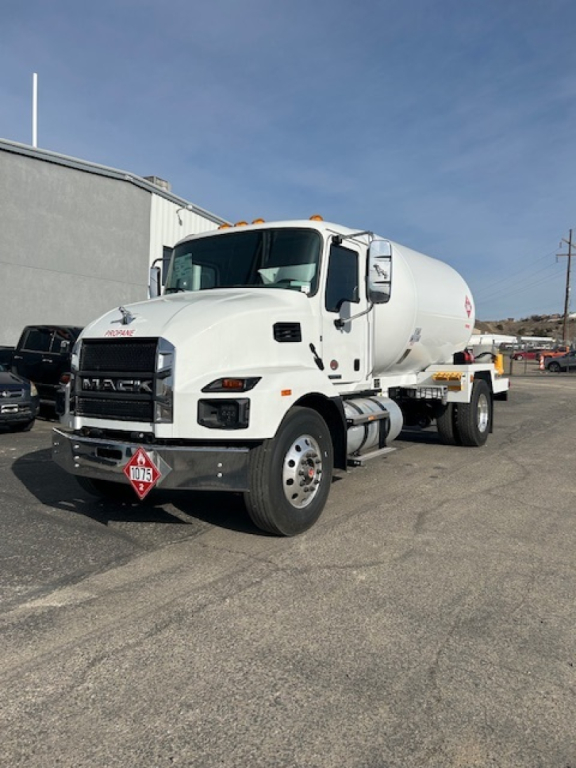
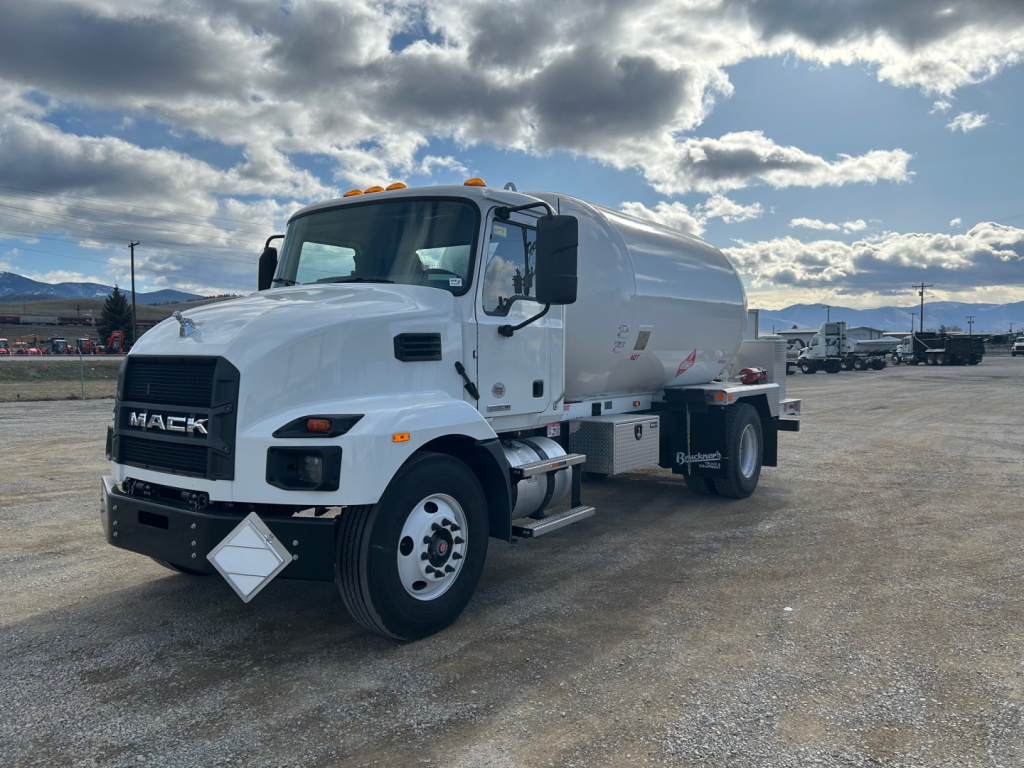
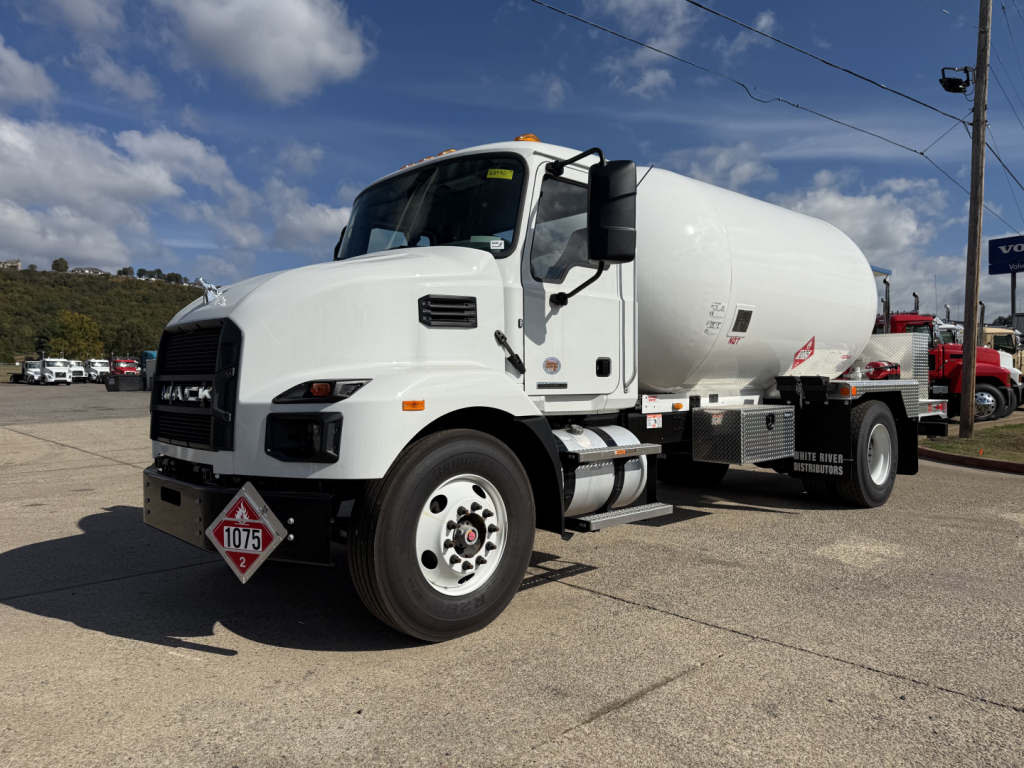
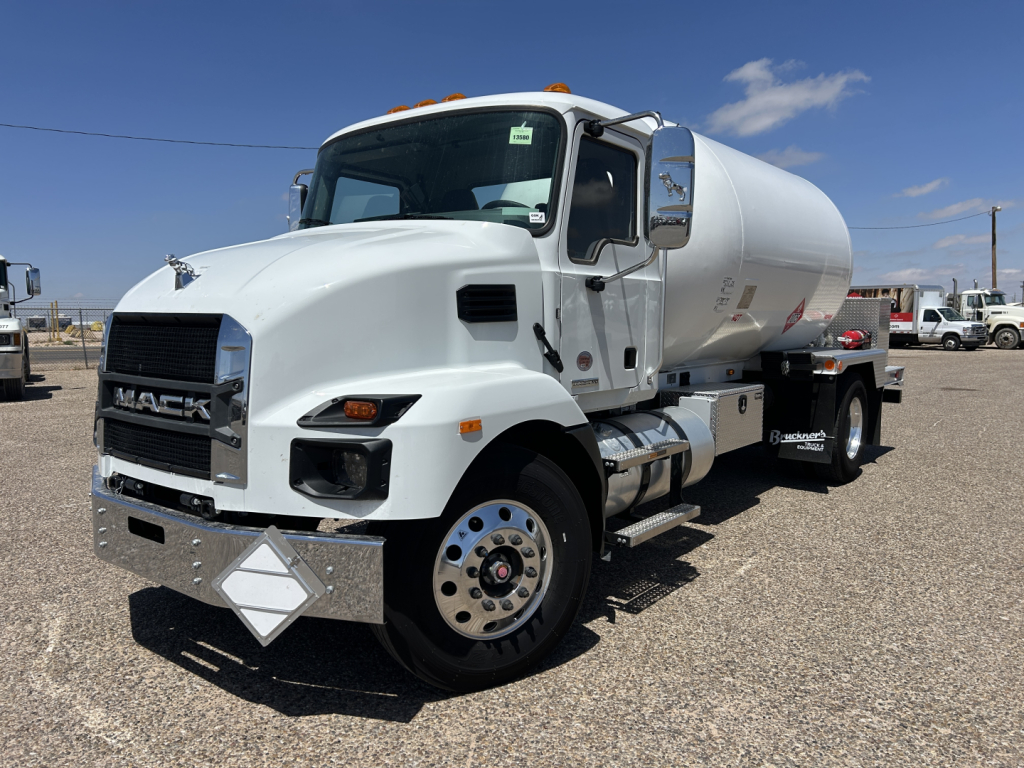
New Mack other trucks include propane bobtails and specialty medium-duty builds on MD7 chassis with Cummins power and route-ready specs.
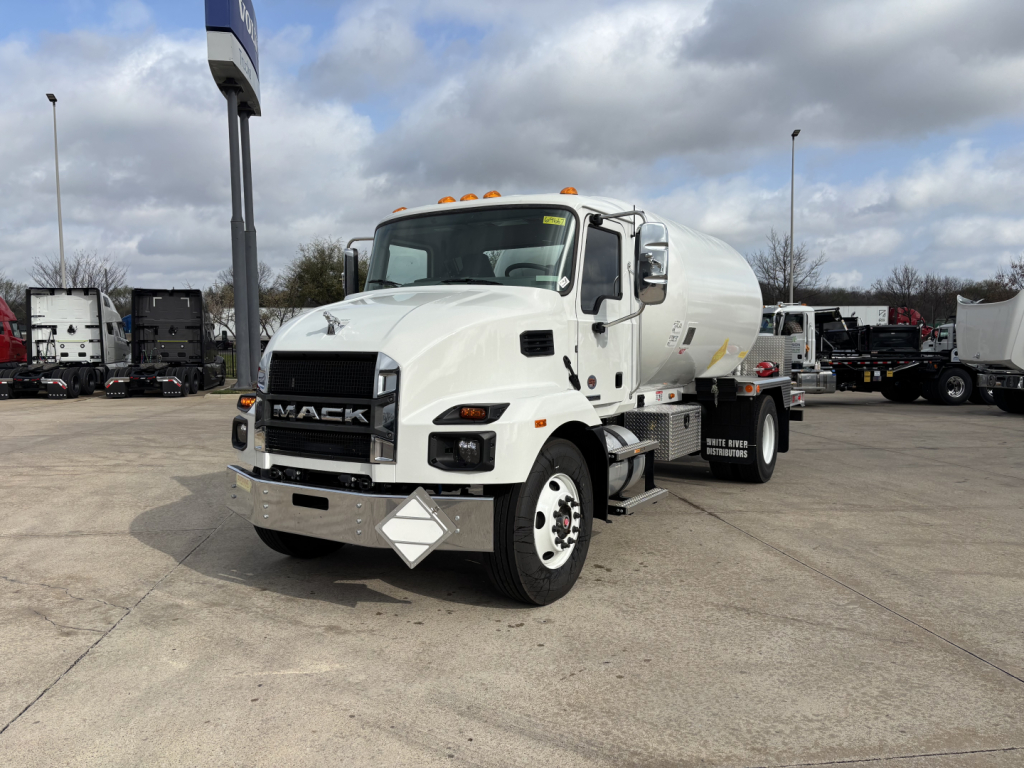

Selling a new mack other truck? List your new mack other truck for sale and reach thousands of commercial buyers.
New Mack Other Trucks
The Mack MD7 is a medium-duty platform that fits well in this segment because it balances payload, turning radius, and serviceability. Typical specs in this class include a Cummins ISB 6.7 diesel in the 300 to 325 horsepower range, an Allison automatic such as a 2500 RDS or 3000 RDS, and a 33,000-pound GVWR on a single-axle chassis. Wheelbases around 205 inches, front axles near 12,000 pounds, rear axles around 21,000 pounds, and multi-leaf rear suspension are common on propane and other liquid delivery builds. Rear axle ratios in the mid-5s are usually selected to improve low-speed pulling power and stop-and-go route performance rather than top-end road speed.
For propane bobtails specifically, tank capacity usually lands around 3,200 to 3,400 gallons on this size chassis, which is a practical range for residential and light commercial delivery. Buyers should look closely at the tank builder, pump and meter package, hose reel setup, liquid controls, deck layout, and how accessible the service points are in daily use. Components such as Lectro-Count registers, M-Series meters, and Hannay reels are common in the field because parts support and technician familiarity matter just as much as published capacity. A clean body integration on the chassis, proper weight distribution, and a well-laid-out rear work area can make a major difference in route efficiency and operator fatigue.
If you are shopping new Mack other trucks, the real decision is less about the badge on the hood and more about matching the truck to the duty cycle. A propane route truck running short winter stops has different needs than a flat-deck service truck or a specialized municipal body. Pay attention to transmission model, axle ratings, wheelbase, rear suspension, PTO compatibility, and body manufacturer reputation. On vocational Mack builds, long-term value usually comes from upfit quality, predictable parts support, and a chassis spec that is correct for the payload and the route from day one.
Frequently Asked Questions about New Mack Other Trucks
What types of trucks are usually listed under new Mack other trucks?
This category often includes specialized vocational trucks that do not fit neatly into standard box truck, dump, or tractor classifications. Common examples include propane bobtails, LPG delivery units, utility service bodies, and other medium-duty Mack MD7 upfits. These trucks are typically sold as completed chassis-and-body packages, so the body equipment, tank manufacturer, pump and meter components, and chassis specs should all be reviewed together.
Why is the Mack MD7 a common chassis for propane bobtail applications?
The Mack MD7 is well suited for propane delivery because it offers medium-duty maneuverability with enough axle capacity and GVWR for a practical tank size. A typical MD7 propane setup uses a Cummins 6.7L diesel, Allison automatic transmission, and single rear axle configuration that works well in residential and regional delivery environments. It gives operators a manageable truck for frequent stops while still supporting the weight and equipment requirements of a 3,200 to 3,400 gallon bobtail build.
What specs matter most when comparing new propane bobtail trucks?
The most important specs are tank capacity, GVWR, axle ratings, wheelbase, transmission model, rear axle ratio, and the actual liquid handling equipment installed on the truck. Buyers should also check the tank builder, meter and register brand, hose reel setup, rear deck layout, and service access around the pump and controls. A truck with the right engine and transmission can still be a poor fit if the body layout slows down deliveries or creates maintenance headaches.
What is the difference between an Allison 2500 RDS and 3000 RDS in this class?
Both are widely used automatic transmissions in medium-duty vocational work, but the 3000 RDS generally provides a heavier-duty rating and is often preferred for more demanding route service or higher-capacity upfits. In propane applications, that can translate to better durability under repeated stop-and-go use and heavier operating loads. The right choice depends on tank size, route profile, gross operating weight, and how aggressively the truck will be used during peak season.
How do I know if a new Mack vocational truck is spec'd correctly for my route?
Start with the payload and body requirements, then work backward to the chassis. Confirm the GVWR and axle ratings can legally and practically support the loaded unit, and make sure the wheelbase and turning radius fit the delivery environment. For propane or other specialized delivery work, rear axle ratio, PTO compatibility, suspension type, and body equipment layout are critical because they directly affect route speed, driver productivity, and long-term maintenance costs.