
New 2025 Trailers For Sale
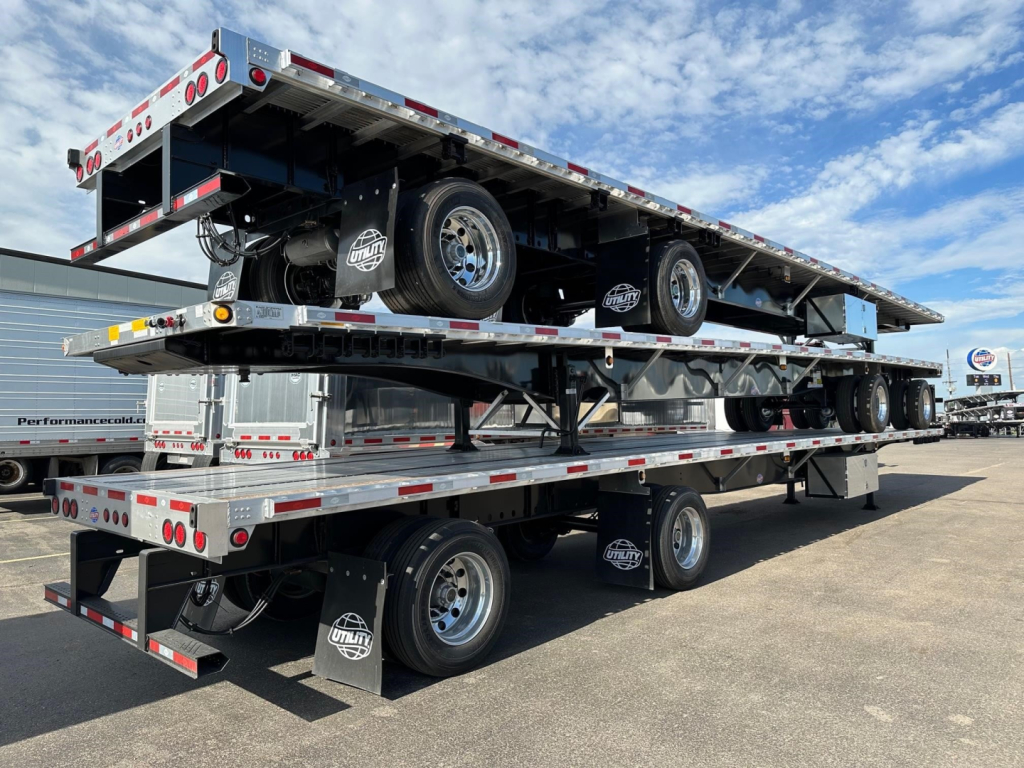
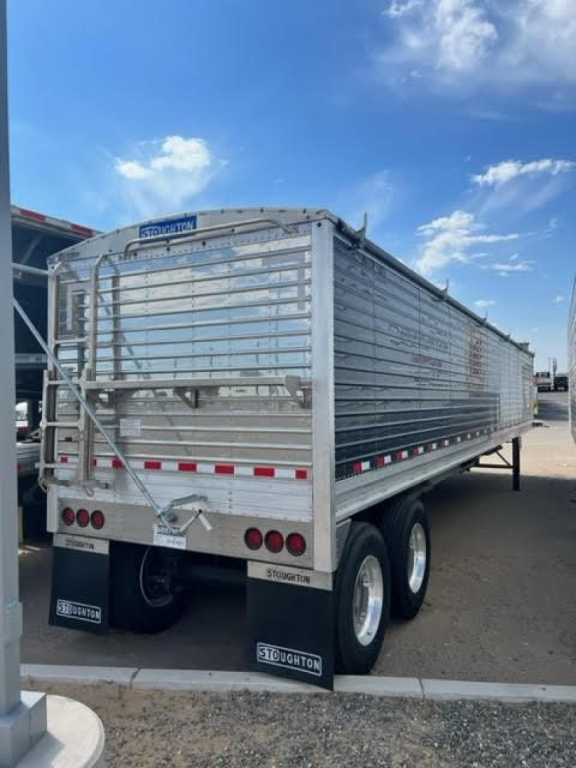
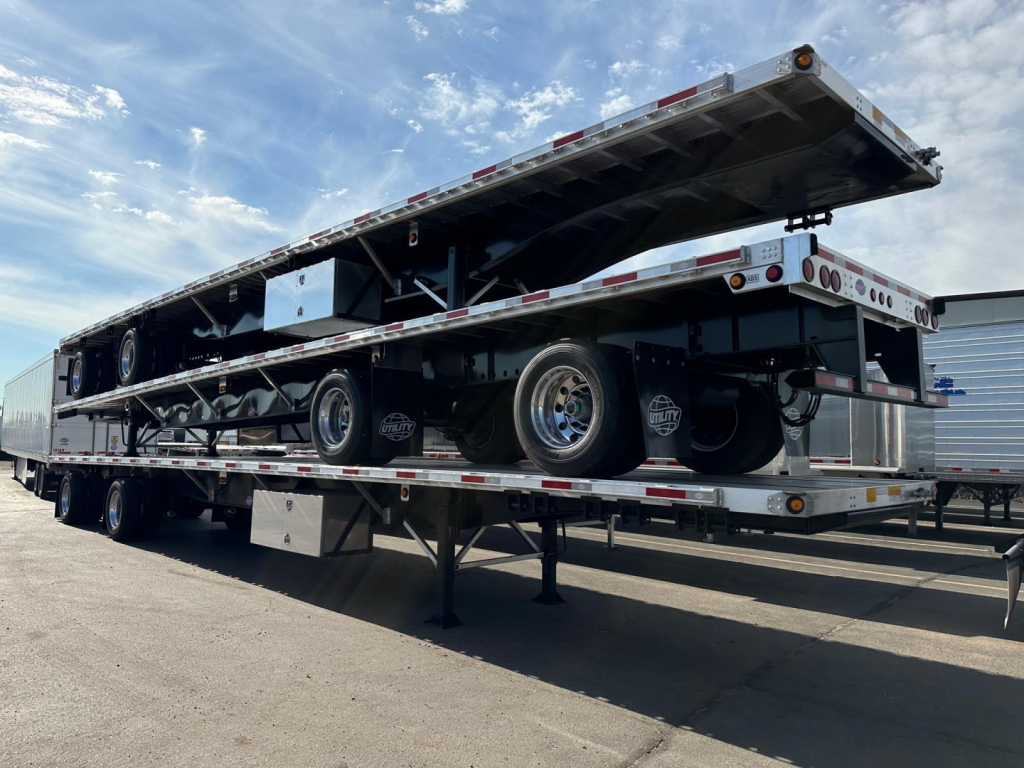
Showing 49 to 51 of 51 results
Have new 2025 trailer to sell? List it here to reach thousands of buyers.
New 2025 Trailers
Current-model flatbeds are often built around 48-foot by 102-inch dimensions, combo construction, and spread or tandem axle configurations. Buyers typically compare aluminum versus combo weight savings, crossmember spacing, kingpin setting, winch track layout, stake pocket spacing, chain tie count, and whether the trailer is equipped for coils, machinery, or general building products. A lowboy or detachable configuration puts more focus on loaded deck height, axle capacity, suspension type, flip axle compatibility, and how the trailer scales in your operating states. If the work includes concentrated loads, check flange ratings, floor construction, and the exact securement package rather than just overall trailer weight.
Dry vans and reefers in the 2025 model year are generally centered on 53-foot platforms with air ride suspension, 22.5-inch wheel packages, and sliding axle setups that help with bridge law compliance and dock positioning. For vans, buyers should look closely at roof material, sidewall construction, floor rating, logistics post spacing, and rear frame design, especially if the trailer will see heavy forklift traffic or high-cycle LTL use. For reefers, the trailer body and refrigeration system need to be evaluated together. Insulation package, floor type, evaporator layout, fuel tank sizing, and telematics readiness can affect uptime just as much as the refrigeration unit brand.
A new 2025 trailer can reduce maintenance surprises, improve spec consistency across a fleet, and give buyers access to current safety and efficiency features such as ABS, tire inflation systems, aerodynamic packages, LED lighting, and updated suspension designs. The right spec depends less on model year than on payload, route density, loading environment, and resale goals. Buyers comparing listings should focus on axle spread, suspension, wheel and tire package, frame or body material, flooring, and freight-specific options first. Those details determine how the trailer works in service, what it weighs empty, and how well it holds value over time.
Frequently Asked Questions about New 2025 Trailers
What should I compare first when shopping for a new 2025 trailer?
Start with trailer category and intended freight. A dry van, reefer, flatbed, and lowboy solve very different hauling problems, so the best comparison points are body style, deck or interior dimensions, axle configuration, suspension, and freight-specific options. After that, compare tare weight, materials, securement or cargo-control setup, and maintenance-related specs such as brakes, tires, and lighting.
What is the difference between a dry van trailer and a refrigerated trailer?
A dry van is built for general non-temperature-sensitive freight and prioritizes cubic capacity, floor durability, and dock-friendly loading. A refrigerated trailer, also called a reefer, adds insulated walls, a refrigeration unit, and a body designed to hold temperature across changing ambient conditions. Reefer buyers need to consider both the trailer shell and the refrigeration system, because uptime, fuel use, and temperature consistency depend on the full package.
Why does axle configuration matter on a new trailer?
Axle configuration affects legal weight distribution, turning characteristics, tire wear, and how the trailer fits specific routes and loading conditions. Sliding tandems are common on vans and reefers because they help with bridge law compliance and dock approach flexibility. Spread axles are popular on flatbeds for weight distribution and deck access, while specialized lowboy and heavy-haul setups may use fixed axles, air ride suspensions, or flip axle compatibility to handle concentrated loads.
What specs matter most on a new flatbed trailer?
The key flatbed specs are length, width, construction type, crossmember spacing, kingpin setting, axle spread, and the full cargo securement package. Buyers should also review floor design, stake pocket spacing, winch tracks, chain ties, coil package details, and flange ratings. These features determine how the trailer handles steel, lumber, machinery, and mixed open-deck freight, and they have a direct effect on payload efficiency and day-to-day usability.
Are new 2025 trailers worth the premium over older used trailers?
For many fleets, a new trailer justifies the higher upfront cost through lower near-term maintenance, better parts standardization, and a spec that matches current operating needs. Newer trailers also tend to offer better lighting, suspension options, aerodynamic improvements, and compatibility with telematics or tire inflation systems. The value depends on annual miles, downtime tolerance, and resale strategy, but buyers focused on uptime and long-term fleet consistency often prioritize current-model equipment.