
New 2025 Trailers For Sale in Colorado
Shop new 2025 trailers for sale in Colorado, including reefer, dump, hopper, and lowboy trailers built for demanding commercial hauling.
Selling a new 2025 trailer? List your new 2025 trailer for sale and reach thousands of commercial buyers.
New 2025 Trailers in Colorado
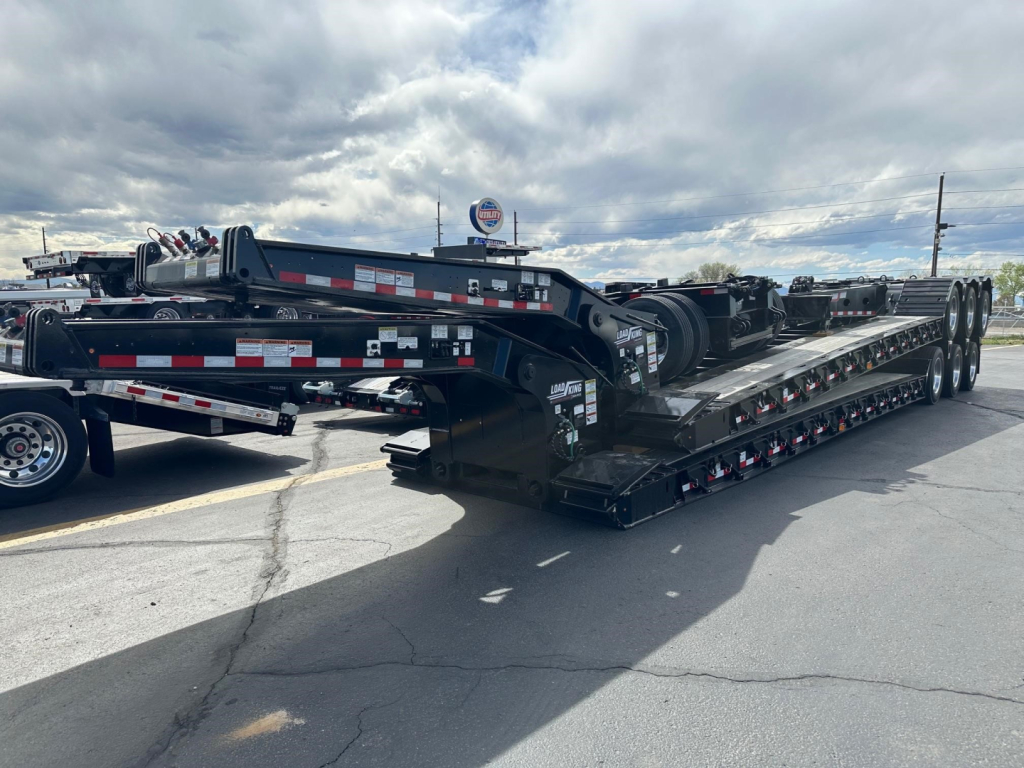
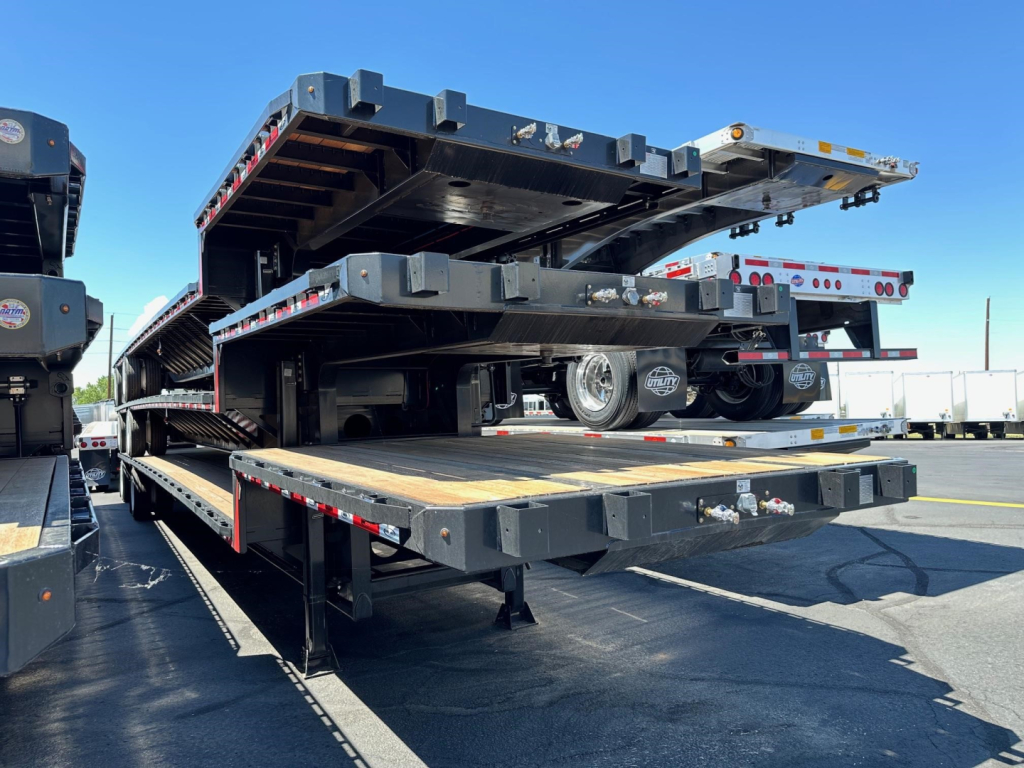
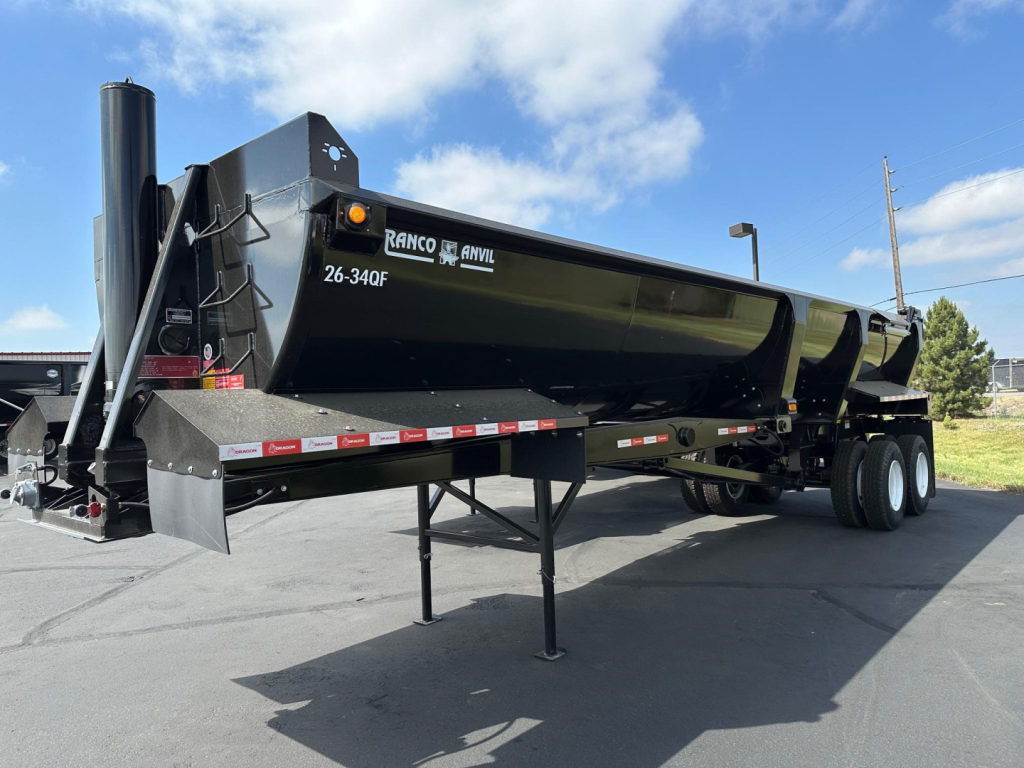
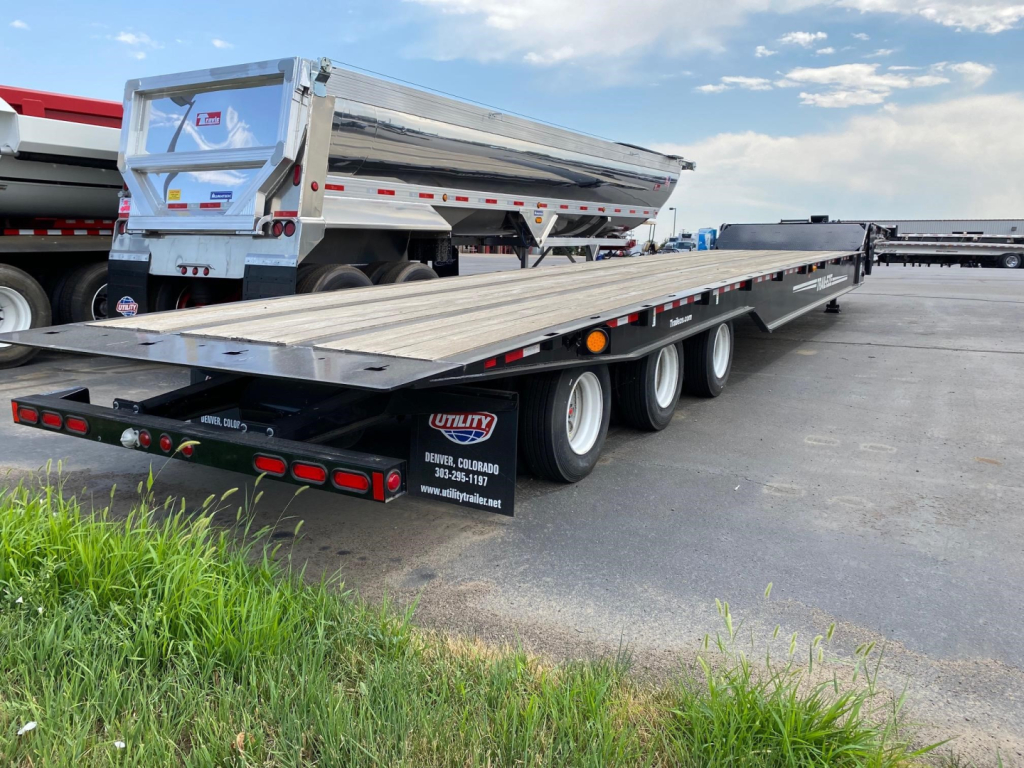
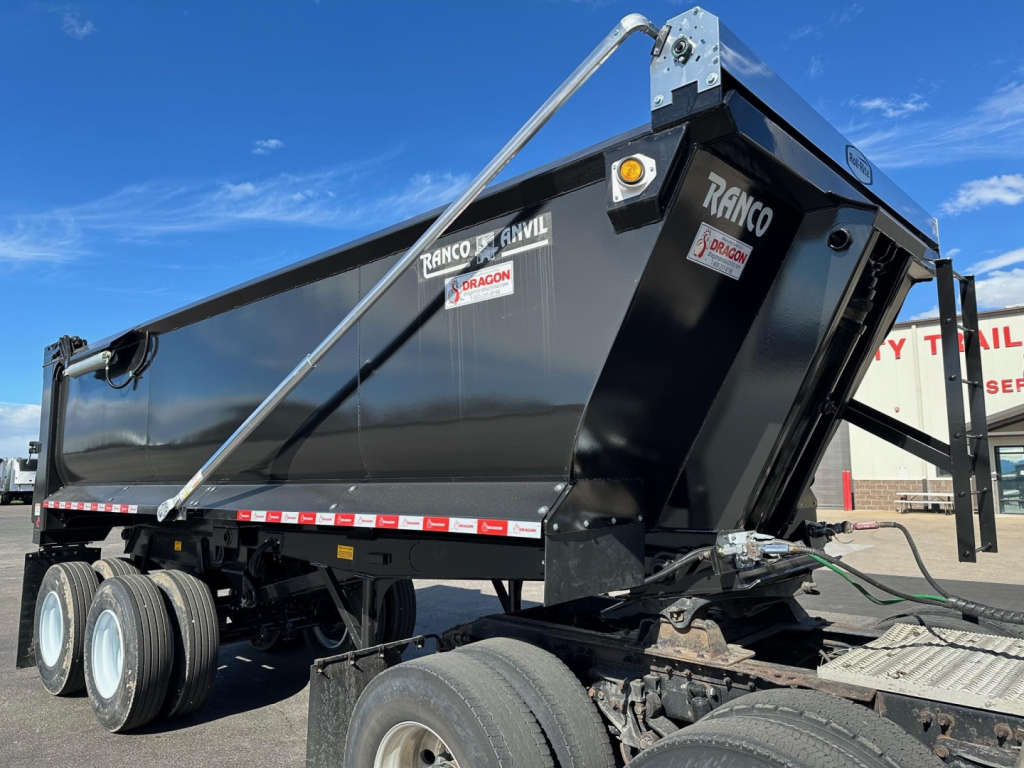
For dry bulk and agricultural work, hopper trailers are valued for fast gravity unloading, corrosion-resistant aluminum construction, and strong payload-to-weight ratios. Key details include trailer length, side height, hopper count, gate style, tarp system, suspension, and wheel spec. For construction and scrap work, end dumps are often selected based on tub material, side height, cubic yard capacity, gate configuration, and frame design. Steel frameless and quarter-frame dumps are common where impact resistance matters, especially for rock, asphalt, scrap, and demolition debris. If the work involves machinery, lowboy trailers are typically judged on rated capacity, well length, loaded deck height, neck style, axle setup, outriggers, and deck material. Features like hydraulic detach necks, adjustable ride height, and multiple kingpin settings can make a major difference in how easily the trailer handles varied equipment loads.
Reefer trailers remain a core category for fleets moving produce, frozen freight, dairy, and other temperature-sensitive cargo through regional and long-haul lanes. Buyers usually compare interior width, floor type, sidewall construction, rear door configuration, insulation performance, and suspension setup, along with options such as trailer skirts, tire inflation systems, anti-dock walk devices, and air-slide tandems. In Colorado, reefer buyers should pay close attention to aerodynamic features for highway efficiency and to tire, brake, and suspension specs that hold up under winter conditions and frequent elevation changes.
Across all trailer types, new model-year equipment gives buyers the advantage of current lighting, brake, suspension, and safety specifications, along with less immediate maintenance risk than older units. The most useful comparisons are not just make and model, but how the trailer is laid out for the work: axle spacing, floor and wall materials, gate or door design, tarp and liner options, wheel-end spec, and overall empty weight. A trailer that looks similar on paper can perform very differently once it is loaded daily, routed through jobsites, or pushed through mountain corridors, so the best buying decision usually comes down to application fit rather than sticker price alone.
Frequently Asked Questions about New 2025 Trailers in Colorado
What types of new 2025 trailers are commonly available in Colorado?
Common categories include reefer trailers, hopper trailers, end dump trailers, lowboy trailers, flatbeds, dry vans, and other specialized freight and equipment-hauling configurations. In Colorado, demand is especially strong for trailers that can handle agricultural hauling, aggregate and demolition work, refrigerated freight, and heavy equipment transport. The best category depends on cargo type, loading method, route profile, and required payload.
What should I look for first when comparing new trailers for sale?
Start with the trailer’s intended application, then compare core specs that affect daily use. For most buyers, the first checkpoints are overall length, width, axle configuration, suspension type, empty weight, body or deck material, tire and wheel setup, and cargo-specific features such as gates, hoppers, insulation, or detach necks. Those details determine payload, unloading speed, maintenance demands, and legal compliance more than brand name alone.
Are aluminum or steel trailers better for commercial hauling?
Neither material is automatically better because each serves a different purpose. Aluminum trailers are generally favored when low tare weight and corrosion resistance are priorities, which is common in hopper and some van or reefer applications. Steel trailers are typically preferred where impact resistance, abrasion resistance, and structural durability matter more, such as scrap, demolition, rock, and heavy-duty dump applications. Buyers should choose based on commodity, haul cycle, and expected wear rather than upfront price only.
Why does axle and suspension setup matter so much on a new trailer?
Axle count, axle spacing, and suspension design affect legal payload, ride quality, tire wear, maneuverability, and durability. Air ride is common where cargo protection and road manners matter, while heavy-duty mechanical or specialized configurations may be preferred for severe service. In Colorado, suspension and axle setup are especially important because mountain grades, rough jobsites, and variable weather can expose weak spec choices quickly.
Is buying a new 2025 trailer worth it compared with an older used trailer?
A new 2025 trailer can make sense when uptime, warranty support, current specifications, and lower near-term maintenance are important to the operation. New equipment also gives the buyer a better chance to get the exact configuration needed for the freight instead of adapting to a used trailer’s limitations. The cost is higher upfront, but for many fleets and owner-operators, the value comes from improved reliability, better resale position, and a trailer spec that matches the work from day one.