
New 2025 Utility Trailers For Sale in Colorado
Shop new 2025 Utility trailers in Colorado, including dry vans, reefers, and flatbeds built for payload, durability, and fleet uptime.
Selling a new 2025 utility trailer? List your new 2025 utility trailer for sale and reach thousands of commercial buyers.
New 2025 Utility Trailers in Colorado
On the dry van side, Utility trailers are commonly found in 53' x 102" configurations with features that matter for dock work and long-cycle freight. Look closely at wall construction, logistic post spacing, threshold plate strength, floor fastening pattern, and whether the trailer has a slider with air pin release. Tall bottom rail designs, composite wall panels, aluminum roofs, dock bumpers, side skirts, anti-dock-walk systems, and tire inflation systems are common spec points because they directly affect durability, cargo handling, and operating cost. Buyers running retail, palletized freight, LTL support, or dedicated contract lanes should pay close attention to interior cube, door configuration, and how the trailer is set up for repeated dock impact.
For reefer buyers, Utility's refrigerated platforms are often selected for grocery, frozen food, produce, and pharmaceutical distribution where temperature control and trailer insulation package matter as much as the refrigeration unit itself. Single-temp setups are common, but the key buying questions are floor design, rear door sealing, bulkhead arrangement, ducting, trailer weight, and compliance requirements in states with stricter emissions rules. Features such as hybrid TRUs, shore power capability, aluminum duct floors, rear vents, chute systems, disc brakes, and Tire-Maxx Pro inflation systems can make a meaningful difference in uptime, loading efficiency, and lifecycle cost. Colorado buyers also need to think about mountain grades, winter traction, and how air ride, brake spec, and tire profile will perform across mixed elevations and temperature swings.
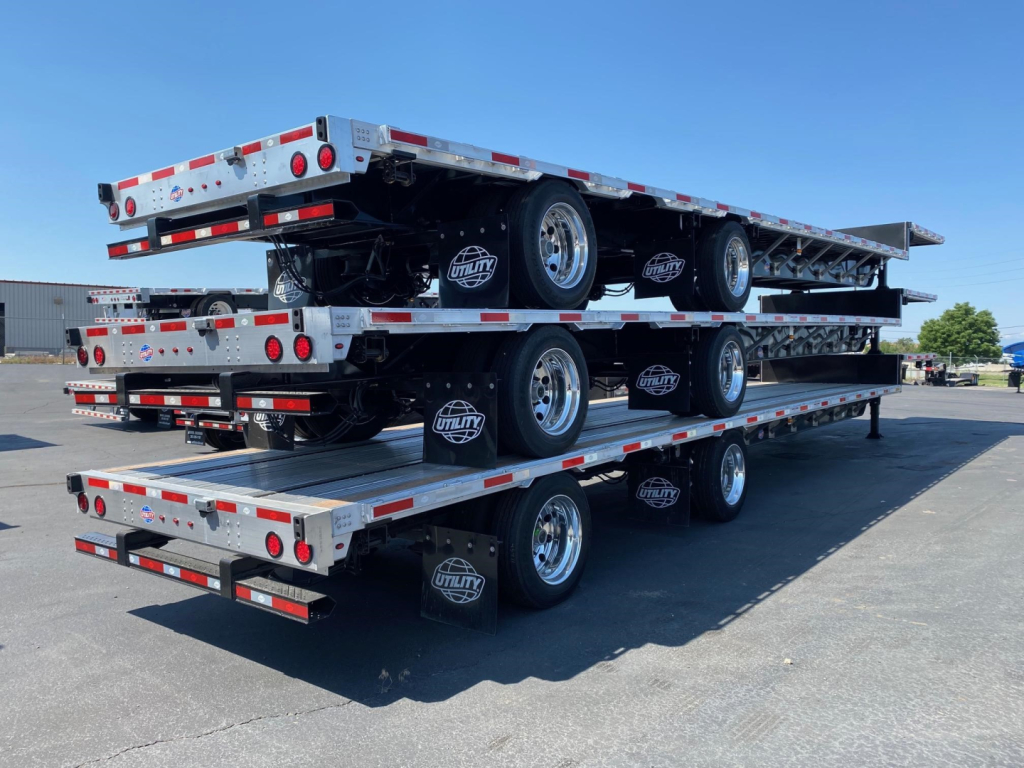
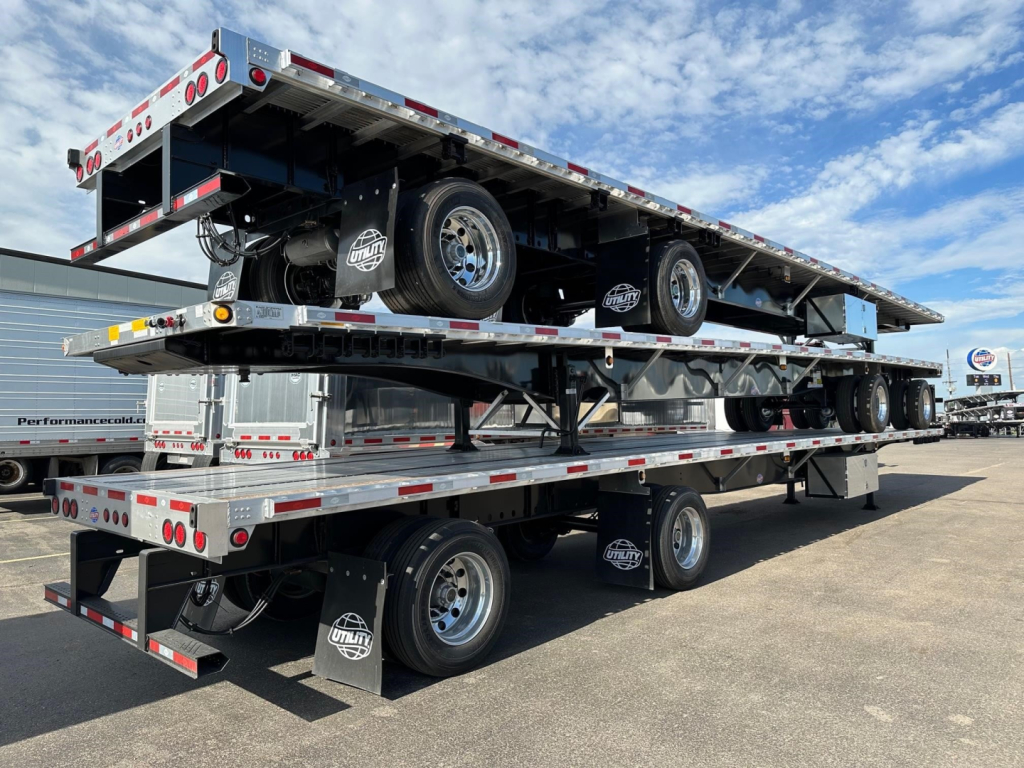
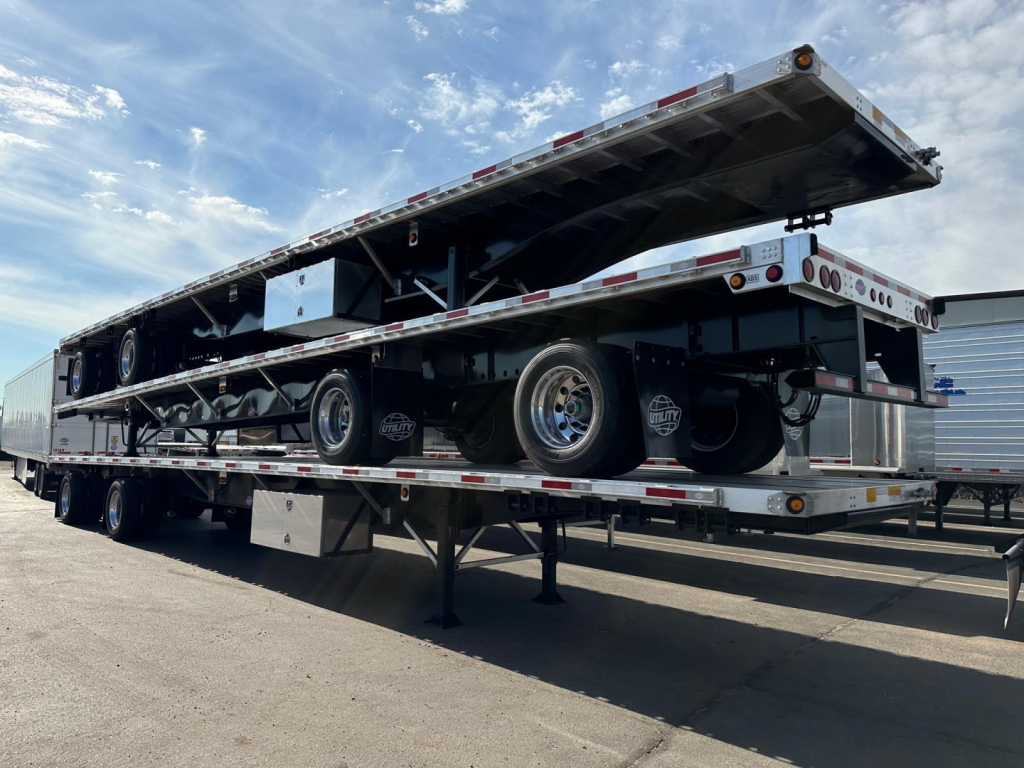
Utility flatbeds, including the 4000AE combo design, are popular when payload and corrosion resistance both matter. A steel main beam with aluminum crossmembers, deck, and rails is a common combination because it balances strength with tare weight. If the work includes steel coils, building products, machinery, or pipe, review the coil package rating, stake pockets, winch track placement, pipe spool rating, nail strips, and spread axle setup. Fixed spread and sliding tandem arrangements each have operational tradeoffs depending on bridge law, maneuverability, and lane mix. For buyers evaluating new 2025 Utility trailers, the best spec is the one that fits the freight first, then supports maintenance simplicity, legal compliance, and resale value over the full duty cycle.
Frequently Asked Questions about New 2025 Utility Trailers in Colorado
What types of new 2025 Utility trailers are most common?
The most common new Utility trailer types are dry vans, refrigerated trailers, and combo flatbeds. Dry vans are typically used for general freight and palletized cargo, reefers are built for temperature-sensitive loads, and flatbeds are used for cargo that loads from the side or top. Within each category, buyers will see major differences in suspension, axle layout, flooring, cargo securement, and aerodynamic equipment.
What should I look for on a Utility dry van trailer?
Focus on the structural and operational details that affect daily loading and long-term durability. Important items include floor type and fastener pattern, logistic post spacing, sidewall construction, slider operation, rear frame strength, threshold plate thickness, dock protection, and aero options such as side skirts. Tire inflation systems, anti-dock-walk features, and air ride suspension can also reduce wear and improve fleet uptime.
How do I choose the right Utility reefer specification?
Start with the freight profile and route pattern. A reefer used for grocery distribution, frozen freight, or mixed stop delivery may need a different floor, duct, bulkhead, and refrigeration package than a trailer running long-haul single-product loads. Buyers should also consider TRU type, shore power capability, door sealing, brake spec, and emissions compliance requirements, especially if the trailer will operate in California-regulated lanes.
Why are Utility flatbeds often spec'd as combo trailers?
A combo flatbed uses steel main beams with aluminum components such as crossmembers, deck, and side rails to balance strength and weight. This helps preserve payload while still giving the trailer the structural integrity needed for demanding freight. Buyers hauling coils, pipe, machinery, or construction materials should also verify coil package capacity, winch layout, stake pocket spacing, and axle spread configuration.
Are new Utility trailers a good fit for Colorado operations?
They can be a strong fit when the trailer is matched to the terrain and operating conditions. Colorado fleets should pay close attention to brake specification, suspension, tire profile, trailer weight, and stability under mixed weather conditions. Mountain grades, winter operations, and varying elevations can all influence the right setup for reefers, vans, and flatbeds alike.