
New 2025 Utility Trailers For Sale
Shop new 2025 Utility trailers, including dry van and reefer models, with specs and features that matter for freight efficiency and uptime.
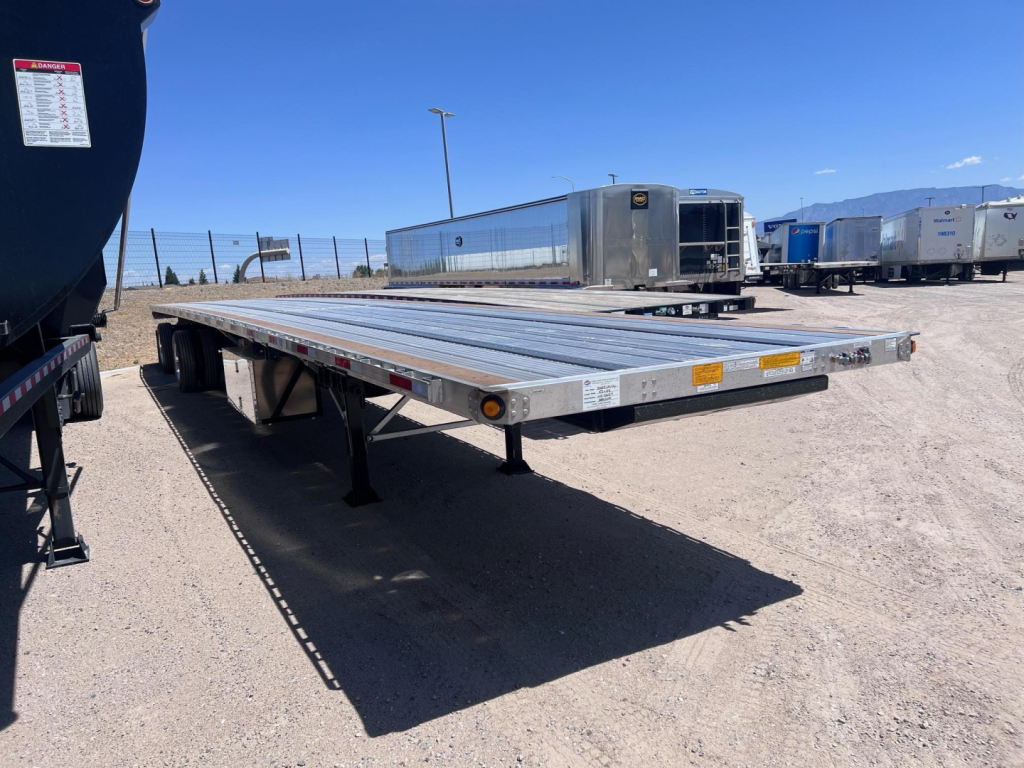
2025 Utility Combo Flatbed
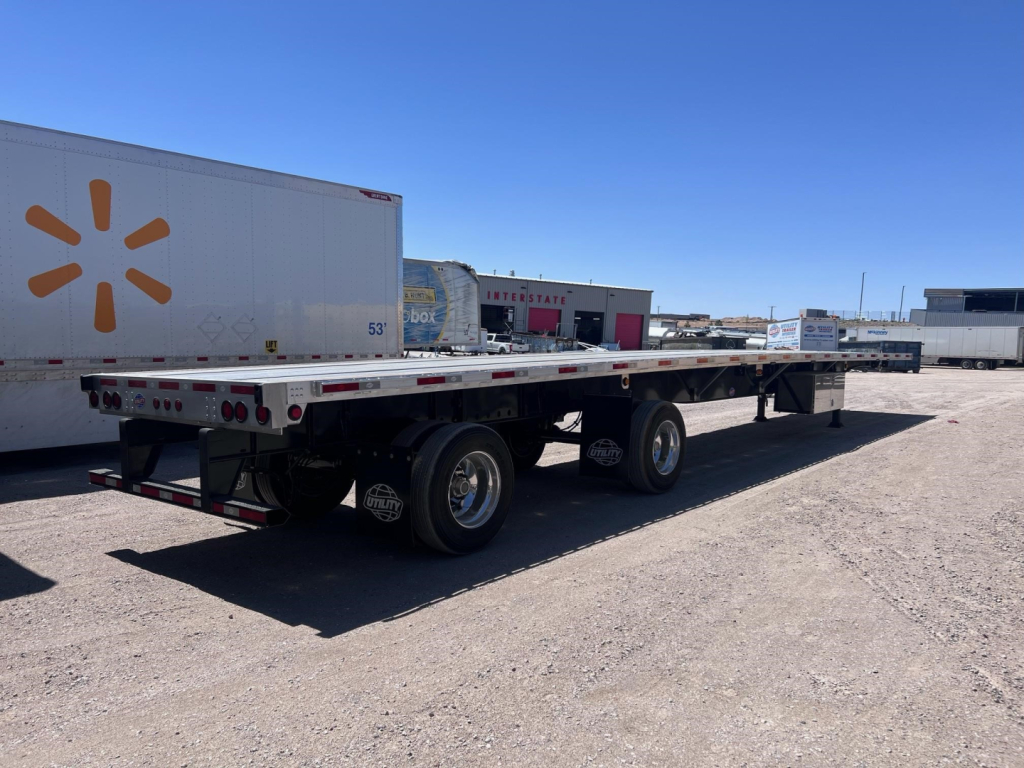
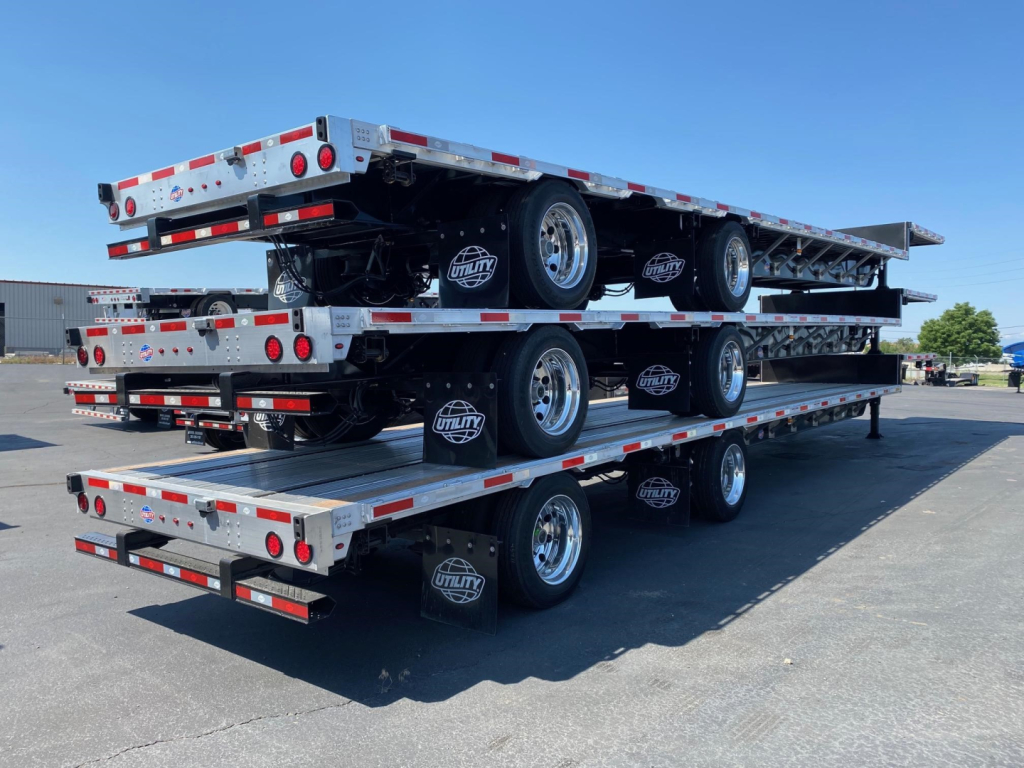
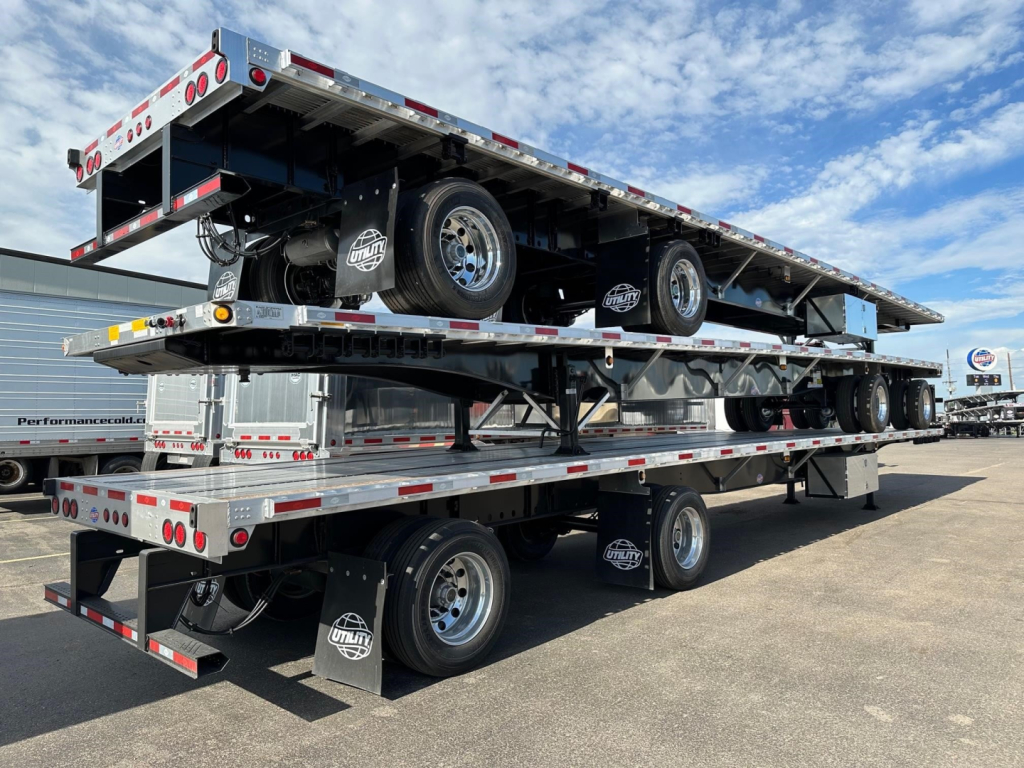
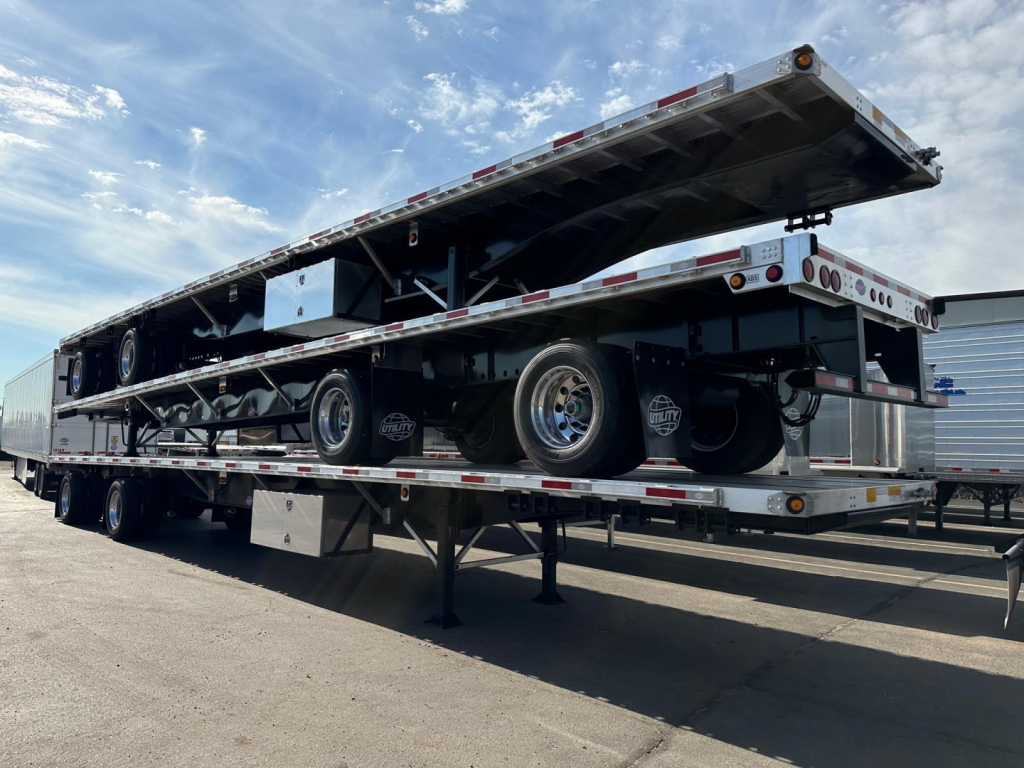
Selling a new 2025 utility trailer? List your new 2025 utility trailer for sale and reach thousands of commercial buyers.
New 2025 Utility Trailers
A common decision point is how the trailer will be loaded and where it will run. For dock freight and palletized general freight, a 53-foot dry van with tandem sliding suspension, 22.5-inch wheels, and a standard kingpin setting is a common baseline. Fleets moving food products, pharmaceuticals, or temperature-sensitive freight generally look at Utility reefer trailers with durable interior walls, ducted airflow, and trailer specs that support multi-stop operation. Aluminum wheels can help trim tare weight, while steel wheels may appeal to buyers prioritizing lower upfront cost and simpler replacement planning. Suspension choice, axle spacing, and tire package all affect maintenance intervals, ride quality, and bridge law flexibility.
Utility trailers are also known for details that matter over a full trade cycle, not just on day one. Buyers often evaluate roof construction, sidewall durability, floor life, door hardware, and rear impact protection because these are the wear points that show up in daily loading. In refrigerated applications, it is worth paying close attention to floor type, drain setup, fuel tank integration if equipped with a unit, and how easily the trailer can be serviced across a broad dealer network. Spec discipline matters with new trailers. A trailer built for light cube freight can look similar to one intended for heavy grocery or beverage work, but the floor system, crossmember spacing, and lining package may be very different.
For buyers comparing new 2025 Utility trailers, the smartest approach is to match the spec to the freight first, then fine-tune for operating cost. Dry vans should be judged on payload capacity, dock durability, and cargo control readiness. Reefers should be judged on thermal integrity, interior protection, and refrigeration support. Utility remains a common choice in both segments because the brand is widely recognized in fleet service, leasing, and resale channels, which can make parts access, trailer remarketing, and long-term lifecycle planning more predictable.
Frequently Asked Questions about New 2025 Utility Trailers
What types of Utility trailers are most common in the 2025 model year?
The most common Utility trailer types in this range are dry van trailers and refrigerated trailers, often called reefer trailers. Dry vans are used for general freight, retail, packaged goods, and dock-to-dock hauling. Reefer trailers are built for temperature-controlled freight such as produce, frozen food, dairy, and pharmaceuticals. Both types are commonly spec'd in 53-foot configurations for highway use.
What should I look at first when comparing new Utility dry van trailers?
Start with the floor rating, roof height, sidewall lining, suspension setup, and wheel material. Those core specs affect payload, durability, loading efficiency, and maintenance cost. Buyers should also check axle slider configuration, kingpin setting, and rear frame design because these details influence bridge compliance, turning characteristics, and dock abuse resistance.
How is a Utility reefer trailer different from a Utility dry van?
A Utility reefer trailer adds insulated walls, roof, and floor construction along with a front-mounted refrigeration unit or prep for one. The interior is designed to manage airflow and maintain stable temperatures during transit. Reefer trailers usually have more specialized interior finishes and flooring systems than dry vans, and they require more attention to thermal performance, unit service access, and washout needs.
Are aluminum wheels worth it on a new Utility trailer?
Aluminum wheels are often chosen to reduce weight and improve appearance, and they can help maximize payload in operations where every pound counts. Steel wheels usually cost less upfront and may fit fleets that prioritize lower acquisition cost over tare savings. The right choice depends on freight density, maintenance practices, and how closely the operation tracks payload and fuel performance.
Why do fleets pay close attention to axle spacing and sliding tandem setups?
Axle spacing and sliding tandem configuration affect weight distribution, bridge law compliance, and maneuverability. A sliding tandem gives the operator flexibility to adjust trailer balance for different loads and state requirements. That can be especially important in regional and over-the-road operations where freight profiles and route restrictions change from trip to trip.