
New 2025 Dump Trailers For Sale in Colorado
Have new 2025 dump trailer to sell? List it here to reach thousands of buyers.
New 2025 Dump Trailers in Colorado
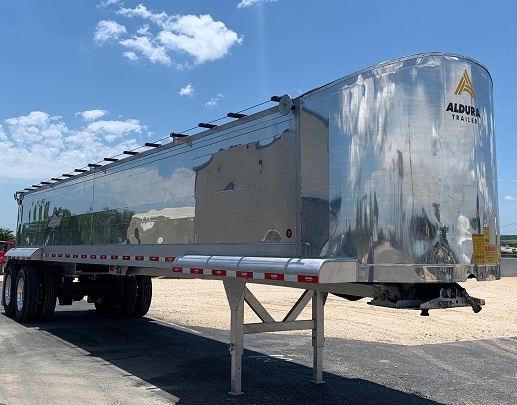
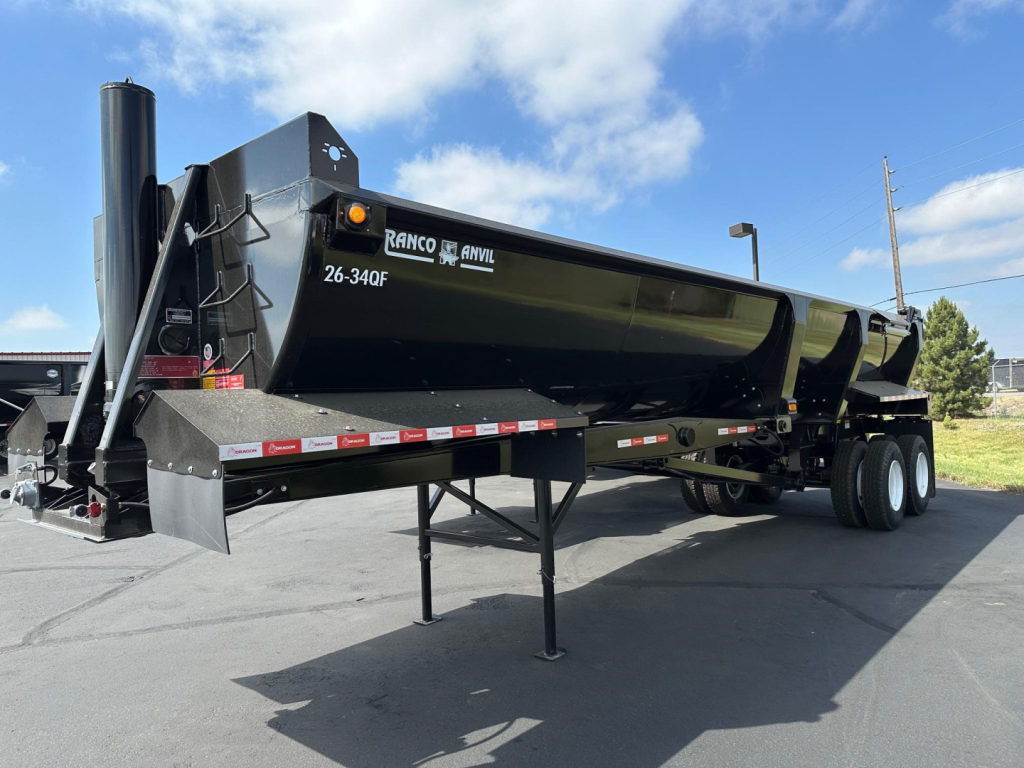
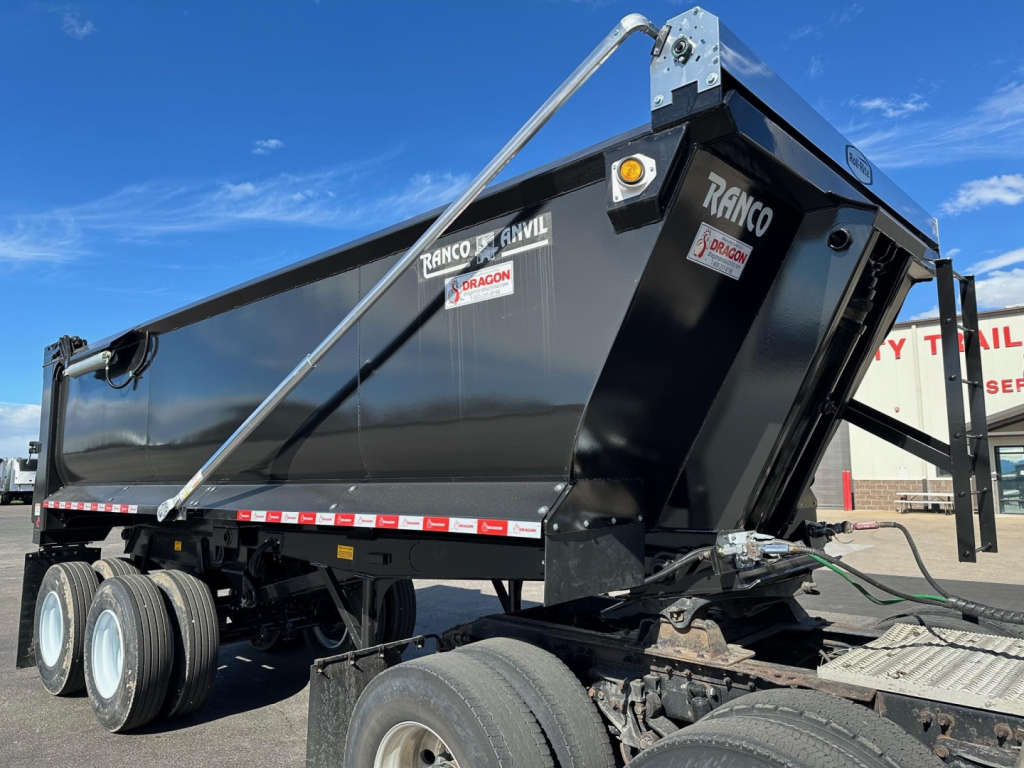
Body construction is one of the biggest value drivers in this category. Steel half-round tubs remain the standard for rock, riprap, demo material, and other abrasive loads because they shed material well and hold up to impact. AR450 and similar abrasion-resistant steel is common in side dump and rock-spec bodies. Aluminum dump trailers cut tare weight and can improve legal payload for sand, gravel, asphalt, or other lighter bulk commodities, but they are not always the best fit for severe demolition or sharp-edged rock. Frameless end dumps are popular when low weight and higher cubic yard capacity matter, while frame-type designs can offer different durability and stability advantages depending on application.
Running gear and suspension specs deserve close attention. Tandem and tri-axle dump trailers are both common, with lift axles used to balance bridge compliance, tire wear, and maneuverability. Air ride suspension is widely spec'd for Colorado fleets because it helps protect the trailer and cargo on rough roads, and it can improve control compared with harsher mechanical setups. Tire size, wheel material, ABS configuration, landing gear, fender design, and kingpin placement all affect day-to-day use. Buyers should also look at tarp systems, gate style, cylinder size, hoist geometry, push blocks, and onboard scale options. Electric flip tarps and rollover tarps save time and help with load securement compliance, especially for aggregate and paving work.
Capacity should be matched to the commodity, not just the advertised cubic yard figure. A 23.5-yard trailer and a 26-yard trailer can perform very differently depending on tub shape, wall height, material density, and legal axle limits. For Colorado operations, consider how often the trailer will run highways versus quarries, how steep the dump sites are, and whether winter conditions demand simpler systems with fewer failure points. A well-matched new 2025 dump trailer should be evaluated on structural spec, suspension, body material, unloading safety, and serviceability just as much as on purchase price.
Frequently Asked Questions about New 2025 Dump Trailers in Colorado
What is the difference between an end dump trailer and a side dump trailer?
An end dump trailer raises the body and unloads material out the rear, which makes it efficient for stockpiling and straight-line dumping. A side dump trailer discharges to the side through a tub that pivots on hinges, which generally improves stability during unloading and can be safer on uneven ground or in windy conditions. End dumps are common for aggregate and demolition work, while side dumps are often chosen for road building, site development, and jobs where rollover risk is a major concern.
Is steel or aluminum better for a dump trailer?
Steel is typically the better choice for severe service, including rock, riprap, and demolition debris, because it handles abrasion and impact better than aluminum. Aluminum reduces trailer weight and can increase legal payload, which makes it attractive for sand, gravel, and other bulk materials where every pound matters. The right choice depends on the commodity, loading method, expected abuse, and how important tare weight is to your operation.
Why do many dump trailers use air ride suspension?
Air ride suspension is popular because it improves ride quality, helps reduce shock transfer into the trailer structure, and can offer better load handling on rough roads and mixed surfaces. It is especially common on newer dump trailers running both highway and jobsite miles. Air ride can also work well with lift axle setups and helps fleets that want better control over tire wear and axle loading.
What should I look for in a Colorado dump trailer spec?
Colorado buyers should pay close attention to axle configuration, suspension, body material, tarp system, and unloading stability. Mountain grades, changing weather, and off-road access roads put extra stress on trailers and braking systems. A dump trailer used in Colorado should be matched to legal weight requirements, terrain, and material type, with special attention to traction, structural durability, and safe unloading on uneven surfaces.
How important is cubic yard capacity when buying a dump trailer?
Cubic yard capacity matters, but it should never be viewed by itself. The real question is how the trailer performs with the actual material being hauled, because dense commodities can hit axle limits long before the body is full. Tub shape, wall height, body length, and tare weight all affect usable capacity. Buyers should compare payload potential, not just advertised volume, to avoid ending up with a trailer that looks large on paper but does not optimize legal hauling capacity.