
New 2025 Dump Trailers For Sale
Shop new 2025 dump trailers for hauling aggregate, asphalt, dirt, and grain. Compare bottom dump and end dump specs, suspension, capacity, and tarp options.
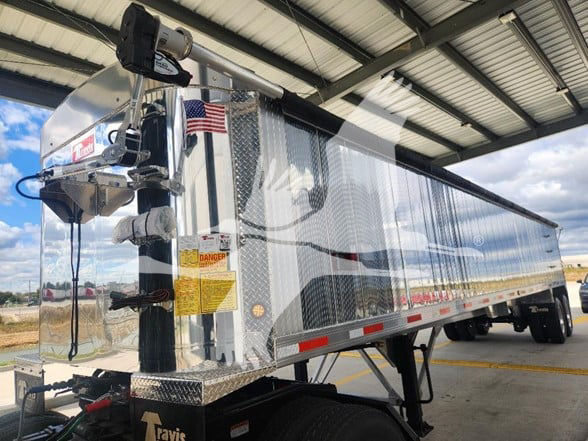
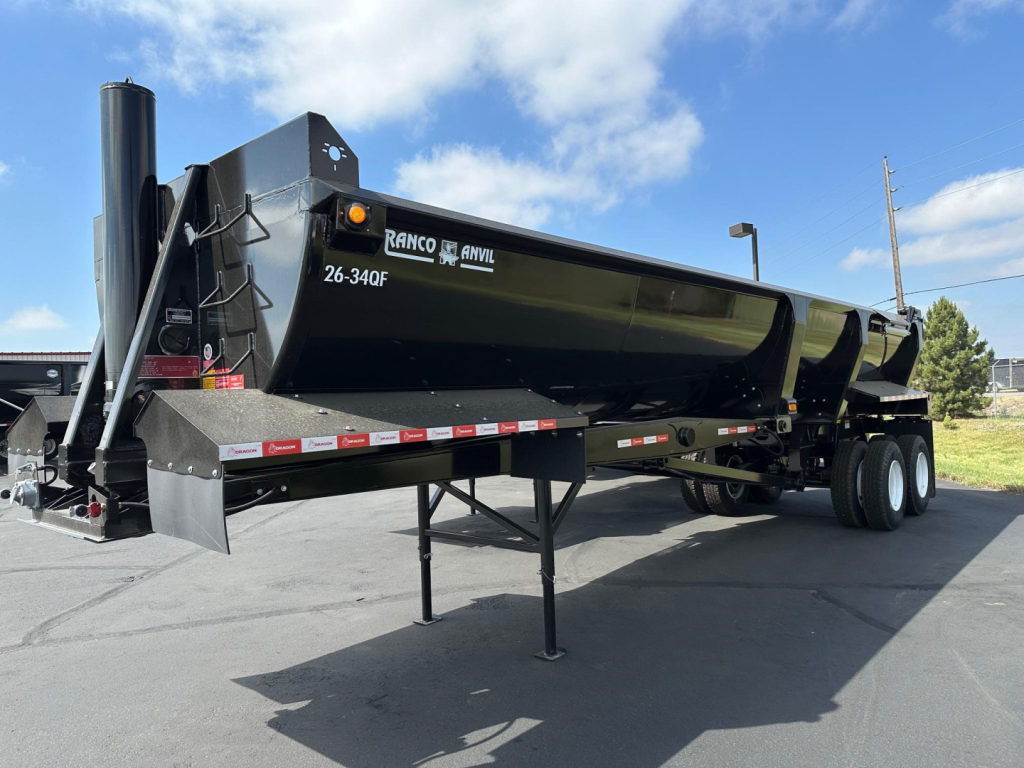
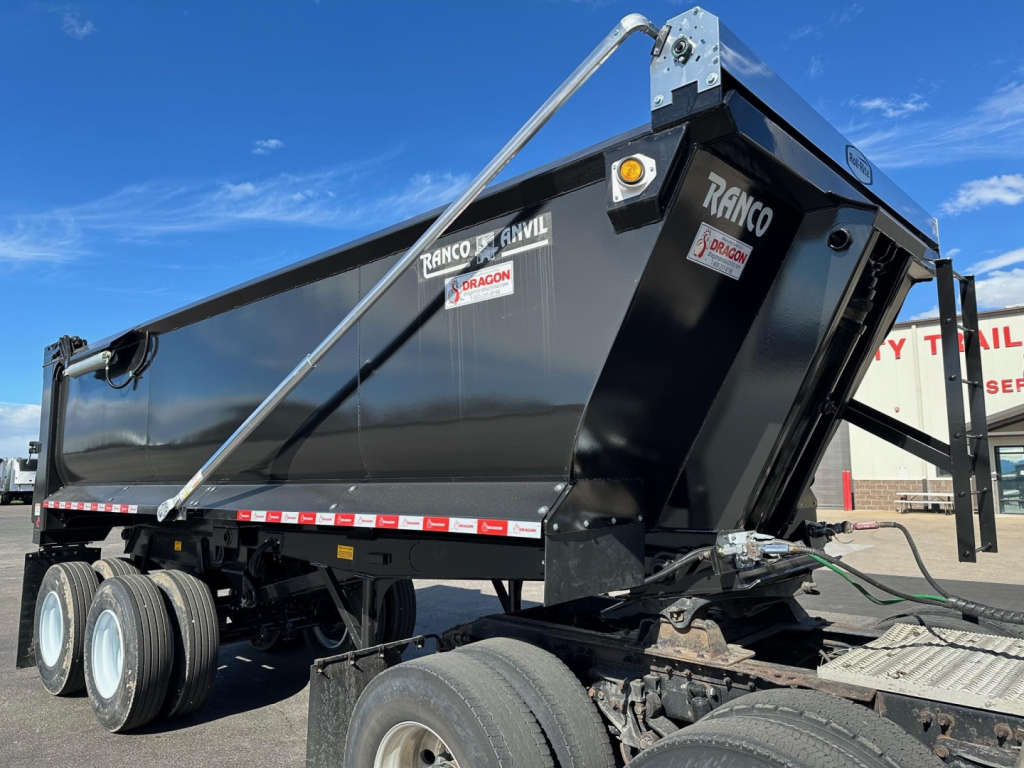
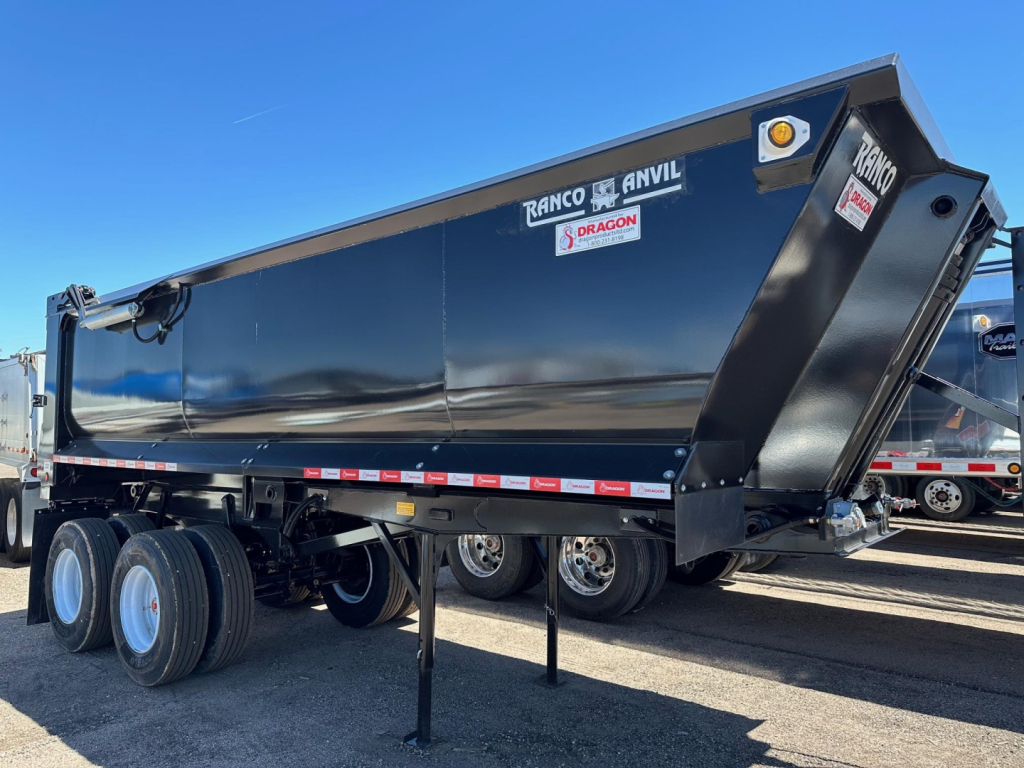
Selling a new 2025 dump trailer? List your new 2025 dump trailer for sale and reach thousands of commercial buyers.
New 2025 Dump Trailers
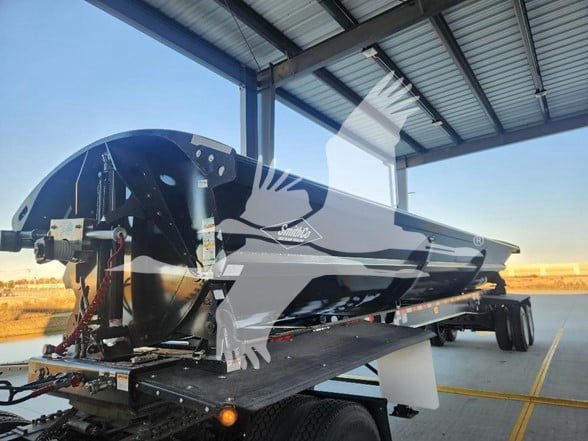
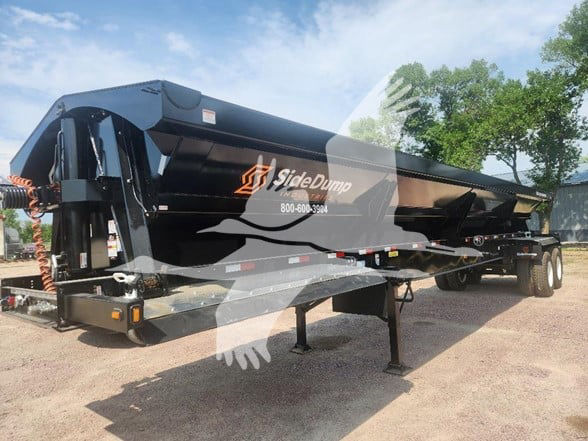
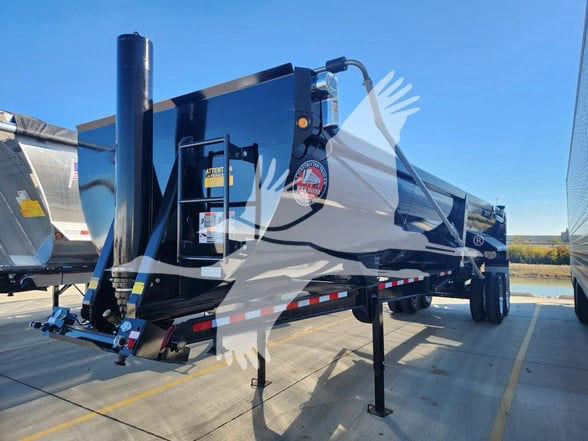
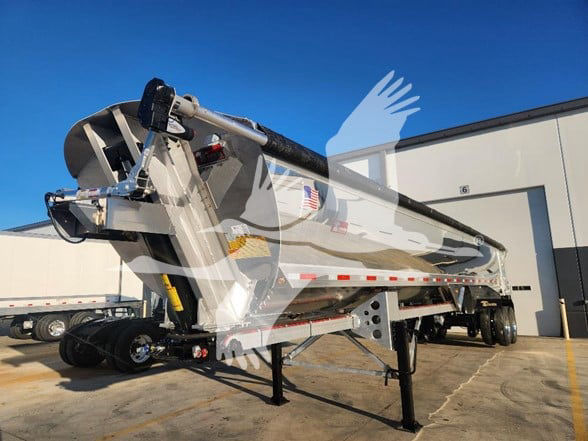
A lot of current-spec dump trailers are built around the 40-foot tandem platform, often with capacities in the low-to-mid 20 cubic yard range for lightweight aggregate and higher heaped ratings depending on body design. Buyers should look closely at body construction, especially floor and side material. AR450 and similar abrasion-resistant steel is common in hard-use tubs hauling rock, sand, and demolition debris. Lightweight builds may use aluminum components, skeleton construction, or lighter board setups to improve payload. Board height, slope sheet design, tub length, and hopper configuration all affect load release, carry volume, and material bridging. Kingpin setting, axle spacing, axle rating, brake size, and push block design also matter if the trailer will run with specific tractors, paving trains, or off-road support equipment.
Suspension and tarp spec can change day-to-day performance more than some buyers expect. Air ride is popular for smoother handling, load protection, and ride quality on mixed highway routes, while spring ride remains a simple and durable choice for certain vocational fleets. Electric flip tarps, mesh tarps, tarp lock-out systems, and windrow deflectors are common features on new dump trailers because they improve safety, load control, and compliance. Fenders, grease line routing, LED lighting, quick-release valves, larger air tanks, and tire and wheel combinations are worth comparing line by line, especially if uptime and ease of service are priorities. On bottom dumps, gate controls, pin settings, bang boards, and valve systems deserve extra attention because those details directly affect how cleanly and consistently material is discharged.
For a buyer comparing new 2025 dump trailers for sale, the best value is usually the trailer that matches the material and route, not just the highest published capacity. Dense aggregate, hot mix asphalt, grain, millings, and wet clay all behave differently in the body. A trailer used in highway construction may need a very different spec than one used in farm hauling or local quarry work. Focus on payload target, body durability, suspension type, gate or tub design, and serviceability of wear components. A well-matched dump trailer will load cleanly, pull straight, unload predictably, and hold up under the type of cycles your fleet runs every day.
Frequently Asked Questions about New 2025 Dump Trailers
What is the difference between a bottom dump trailer and an end dump trailer?
A bottom dump trailer releases material through gates in the bottom of the trailer, which makes it ideal for laying a controlled windrow of aggregate, road base, or asphalt-related material. An end dump trailer raises the body and unloads out the rear, which is better suited to applications where precise spread placement is less important and vertical clearance is available. Bottom dumps are often preferred in paving and road work, while end dumps are common in broader bulk-haul applications.
How many cubic yards does a typical 40-foot dump trailer hold?
A common 40-foot tandem dump trailer often falls in the 23 to 31 cubic yard range, depending on whether the rating is struck, water level, or heaped and depending on body style. Actual payload depends more on material density than trailer volume alone. Heavy rock or wet sand can max out axle and gross weight limits long before the body is full, so buyers should match cubic capacity to the type of material they haul most often.
Is air ride or spring ride better on a dump trailer?
Air ride generally offers a smoother ride, better load stability on the highway, and improved handling over mixed road conditions, which is why many fleets prefer it for higher-mileage vocational service. Spring ride remains a durable, lower-complexity setup that some operators choose for rough jobsite use or simpler maintenance. The better option depends on route conditions, driver preference, maintenance practices, and how sensitive the hauled material is to ride quality.
What body materials are best for dump trailers hauling aggregate or abrasive material?
For abrasive materials such as crushed stone, sand, and demolition debris, abrasion-resistant steel like AR450 is a common choice because it holds up well to wear on the floor and sidewalls. Lighter-duty or payload-focused applications may use aluminum components or lightweight structural designs to improve net carrying capacity. The right body material depends on the tradeoff between durability, empty weight, repairability, and the severity of the material being hauled.
What features should buyers prioritize on a new dump trailer?
The most important features are the ones that affect discharge performance, legal payload, uptime, and compatibility with your tractor fleet. Buyers should pay close attention to dump style, body material, cubic capacity, axle ratings, kingpin setting, suspension type, brake package, tarp system, and gate or valve controls. Service details such as grease line access, lighting, fender durability, tire and wheel spec, and push block design also matter because they influence maintenance time and jobsite practicality.