
New 2025 Dump Trailers For Sale in Illinois
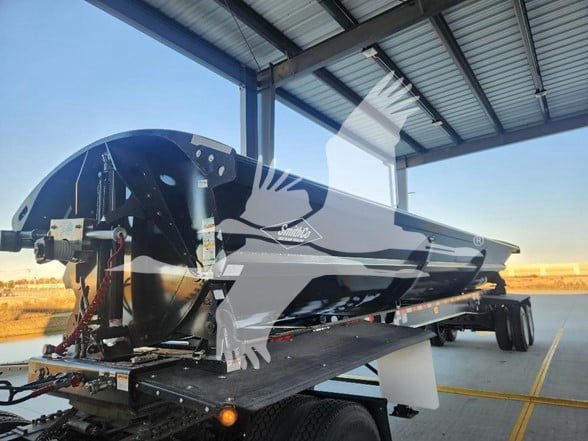
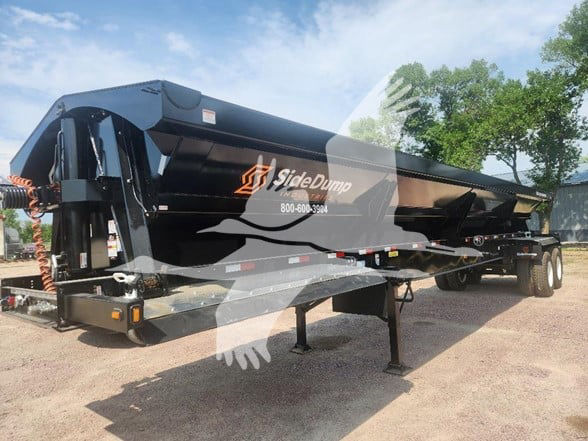
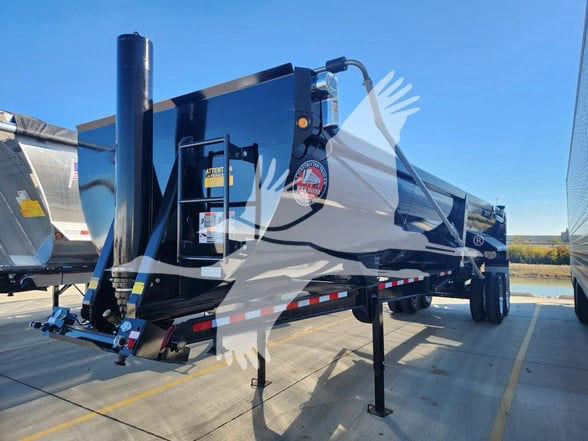
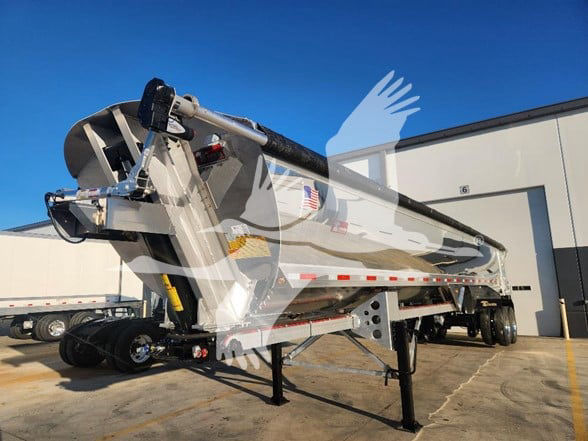
Shop new 2025 dump trailers in Illinois, including end dump and side dump models with steel or aluminum bodies, tarp systems, and air ride options.
Selling a new 2025 dump trailer? List your new 2025 dump trailer for sale and reach thousands of commercial buyers.
New 2025 Dump Trailers in Illinois
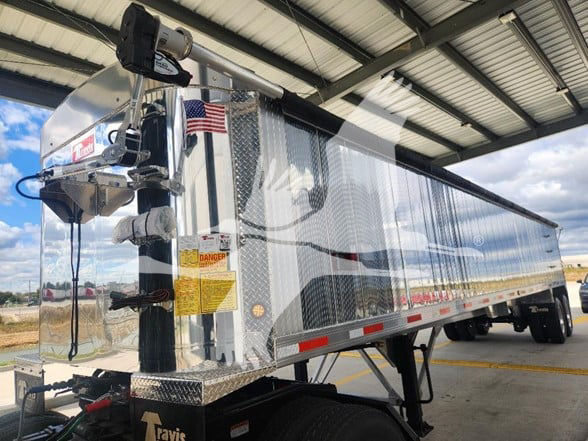
Body length, side height, and door configuration have a direct effect on trailer productivity. Common specs in this class include lengths in the mid-30-foot to 40-foot range, 102-inch width, and sidewall heights built around the commodity being hauled. Grain and coal doors are common on end dumps that need controlled discharge, while higher sidewalls and interior liners can help with lighter bulk material or loads that tend to hang up. Buyers comparing 2025 dump trailers should look closely at hoist design, body construction, floor thickness, crossmember layout, and gate hardware. Electric tarp systems are now a standard expectation for many operations because they improve load securement, speed up turnaround, and help with compliance on public roads.
Suspension and axle setup matter just as much as body design. Spring ride is still valued for simplicity and lower upfront cost, but air ride is popular for fleets focused on ride quality, trailer control, and reduced shock to the trailer structure. Lift axles can add flexibility when weight laws, tire wear, and empty return efficiency are part of the operating equation. Tire size, wheel material, and brake configuration should be matched to the trailer’s duty cycle and the tractor spec pulling it. Details like remote grease points, liquid-filled air gauges, and easy-access controls may seem minor, but they can improve daily serviceability and reduce downtime over the life of the trailer.
A good dump trailer spec is the one that fits the material, the roads, and the unload site. Illinois buyers often need a trailer that can handle a mix of highway miles, quarry access roads, seasonal weather, and strict weight enforcement. Pay attention to kingpin setting, overall empty weight, liner availability, tarp reliability, and how the trailer will behave when dumping on soft or uneven surfaces. A lighter trailer is not always the best trailer if the body, suspension, or gate package does not match the work. The best 2025 dump trailers are built around the exact commodity and lane they will run, with a focus on payload, stability, durability, and ease of maintenance.
Frequently Asked Questions about New 2025 Dump Trailers in Illinois
What is the difference between an end dump trailer and a side dump trailer?
An end dump trailer unloads by raising the front of the body and discharging material out the rear gate. It is widely used for aggregate, demolition debris, grain, and other bulk commodities where straight-line dumping is practical. A side dump trailer discharges to the side, typically faster and with more stability on uneven terrain, which can be valuable in roadbuilding, site work, and off-road applications. The better choice depends on unload space, ground conditions, and the type of material being hauled.
Should I choose a steel or aluminum dump trailer?
Steel dump trailers are generally preferred for severe-duty applications and abrasive materials because they offer strong resistance to impact and jobsite abuse. Aluminum dump trailers are commonly selected when payload matters most, since lower tare weight can allow more legal cargo. The tradeoff is that aluminum is often better suited to commodity hauling and operations where corrosion resistance and lighter weight outweigh the benefits of a heavier steel body. Material type, expected abuse, and weight sensitivity should drive the decision.
What suspension is best on a new dump trailer?
Air ride suspension is a strong choice for fleets that want better ride quality, improved trailer control, and less shock transmitted into the frame and body. Spring ride remains common because it is simple, durable, and typically less expensive to buy and maintain. Neither is automatically better for every operation. A quarry or short-haul construction fleet may prioritize rugged simplicity, while a longer-haul or weight-sensitive operation may prefer air ride and possibly a lift axle for added flexibility.
What features should buyers look for on a 2025 dump trailer?
The most important features are the ones that affect payload, unloading safety, and service life. Buyers should evaluate body material, trailer length, side height, hoist design, gate style, suspension type, tire and wheel package, and tarp system. Commodity-specific items such as grain or coal doors, interior liners, and lift axles can also make a major difference in daily performance. Service-friendly details like remote grease points and accessible controls are worth attention because they help reduce maintenance time.
Are electric tarp systems worth it on dump trailers?
For most operations, yes. Electric tarp systems improve load coverage, help meet road safety and compliance requirements, and reduce the time and effort needed to secure each load. They are especially useful in high-cycle work where drivers are loading and unloading multiple times per day. The value is highest when the tarp system is matched to the material being hauled and the trailer is used in weather conditions where reliable load containment matters.