
New 2025 Lowboy Trailers For Sale
Shop new 2025 lowboy trailers built for heavy equipment hauling, with detachable goosenecks, low deck heights, air ride, and flip axle options.
Selling a new 2025 lowboy trailer? List your new 2025 lowboy trailer for sale and reach thousands of commercial buyers.
New 2025 Lowboy Trailers
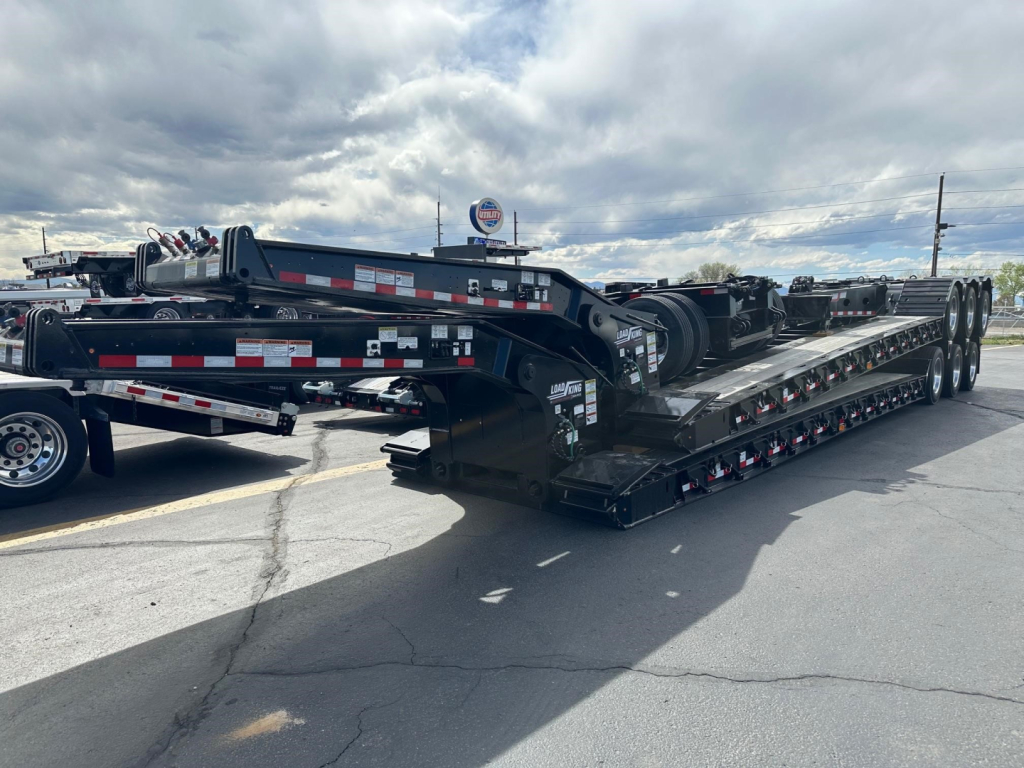
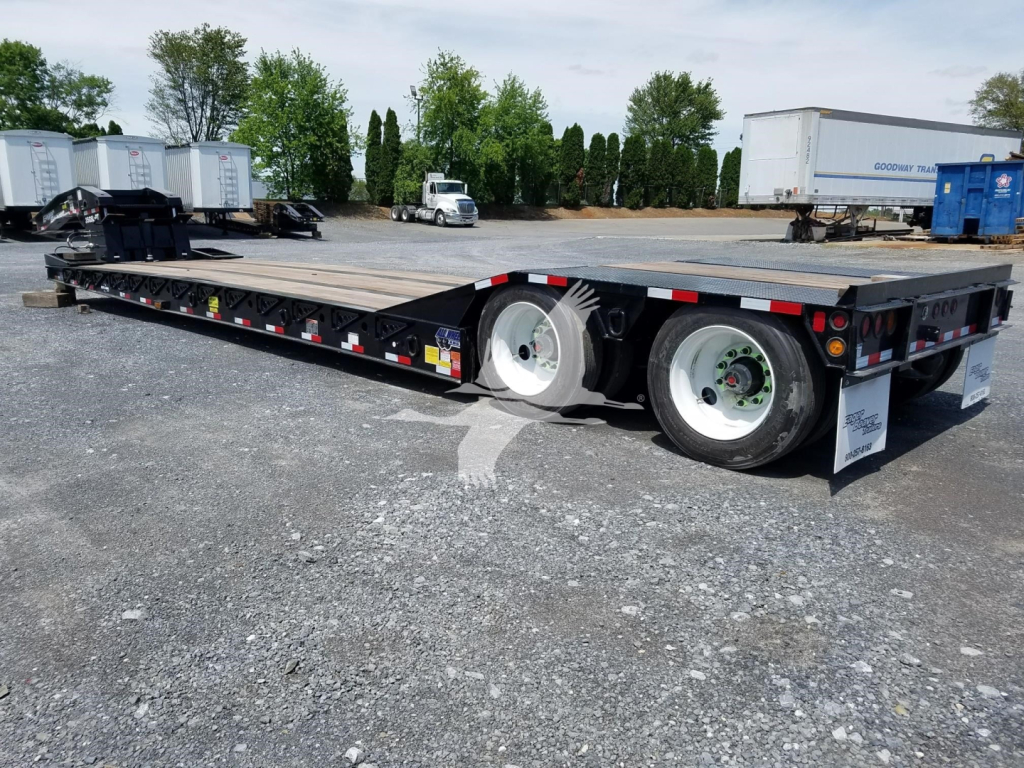
Deck layout matters as much as gross rating. Many lowboy trailers in this class run 102-inch overall width, main deck lengths in the mid-20-foot to mid-30-foot range, and loaded deck heights around 12 to 18 inches depending on frame design and tire package. Buyers hauling mixed fleets often look for full-width necks, swing clearance in the 84-inch to 110-inch range, low-profile 255/70R22.5 rubber, and multiple ride height positions to match different tractors and loading conditions. Apitong flooring, close crossmember spacing, steel perimeter frames, chain drops, bent D-rings, pan-style D-rings, and aluminum pull-outs all add day-to-day utility when the trailer sees different machines and securement patterns from one job to the next.
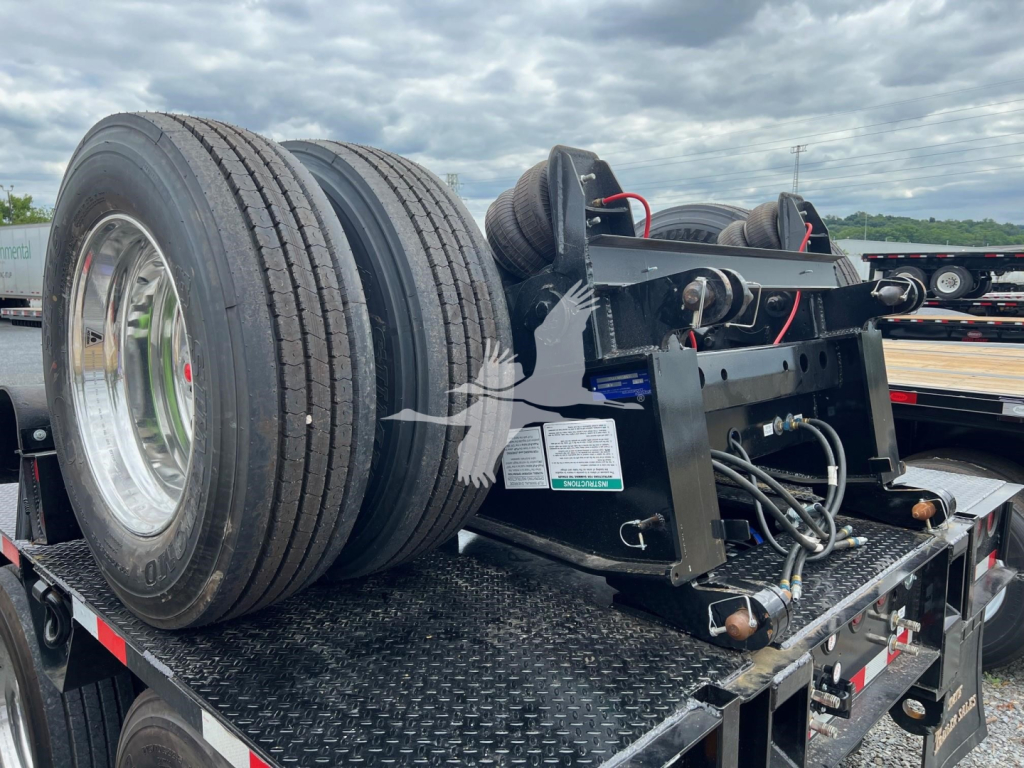
A 2025 new lowboy trailer should also be evaluated on loading and service features, not just tonnage. Hydraulic non-ground-bearing detachable necks are popular for fast hook-up and clean loading angles, while front flip ramps, tapered rear transitions, boom troughs, traction cleats, and covered excavator troughs support specific machine types. Air ride suspension remains a common choice for equipment protection and better road manners, and many buyers want raise-and-lower valves, manual ride height control, air weigh systems, liquid-filled gauges, LED lighting, battery-backed strobes, and lockable neck toolboxes. If permits and axle laws are a concern, rear frame prep for a flip axle can be valuable even if the trailer will start life as a tandem.
The best fit comes down to the machines being moved, the states traveled, and how often the trailer must adapt. A contractor hauling a 70,000-pound excavator needs a different deck concentration and axle strategy than a rental fleet moving compact equipment, attachments, and occasional oversize loads. Pay attention to rating language such as distributed capacity versus capacity in 16 feet, since that directly affects how the trailer handles concentrated machine weight. Kingpin setting, axle spacing, ground clearance, neck geometry, and tie-down layout all influence how easy the trailer is to run every day. Buyers comparing new 2025 lowboy trailers should focus on real operating details: legal height, loaded deck length, securement flexibility, detachable neck design, and future axle expandability.
Frequently Asked Questions about New 2025 Lowboy Trailers
What is a lowboy trailer used for?
A lowboy trailer is used to haul heavy equipment and tall machinery that need a lower deck height than a standard flatbed can provide. Common loads include excavators, bulldozers, wheel loaders, pavers, rollers, and agricultural equipment. The low deck helps keep overall loaded height within legal limits while also improving stability for heavy machines.
What capacity should I look for in a new 2025 lowboy trailer?
The right capacity depends on the actual operating weight, track width, and weight concentration of the equipment being hauled. Many buyers start in the 35-ton to 40-ton range, but the published rating can vary based on how the load is distributed across the deck. A trailer rated for a certain gross tonnage may have a different rating for concentrated weight in 16 feet, so it is important to match the trailer to the machine's axle or track footprint, not just the headline ton rating.
What is the advantage of a hydraulic detachable gooseneck on a lowboy?
A hydraulic detachable gooseneck allows the front of the trailer to disconnect so equipment can be driven directly onto the main deck from the ground. This improves loading efficiency and is especially useful for tracked equipment and machines with low ground clearance. Many operators prefer detachable neck lowboys because they reduce the need for separate loading ramps and can offer multiple ride height positions for better tractor compatibility.
Why do flip axle connections matter on a lowboy trailer?
Flip axle connections give the trailer the ability to add an extra axle at the rear, which can help with bridge law compliance, axle weight distribution, and higher legal payloads in some jurisdictions. Even if a buyer does not need a flip axle immediately, rear frame prep for one can add long-term flexibility. This is especially useful for fleets that expect heavier loads, multi-state hauling, or changing permit requirements over time.
What specifications are most important when comparing lowboy trailers?
The most important specifications usually include loaded deck height, main deck length, width, neck type, swing clearance, suspension type, axle spacing, tire size, and tie-down layout. Buyers should also look closely at flooring material, crossmember spacing, ground clearance, kingpin setting, and whether the trailer has pull-outs, boom troughs, toolboxes, and lighting upgrades. These details affect legal height, ease of loading, securement options, and how well the trailer fits the equipment being hauled.