
New 2025 Drop Deck Trailers For Sale
Shop new 2025 drop deck trailers with low deck height, high payload capacity, and versatile tie-down options for equipment and oversize freight.
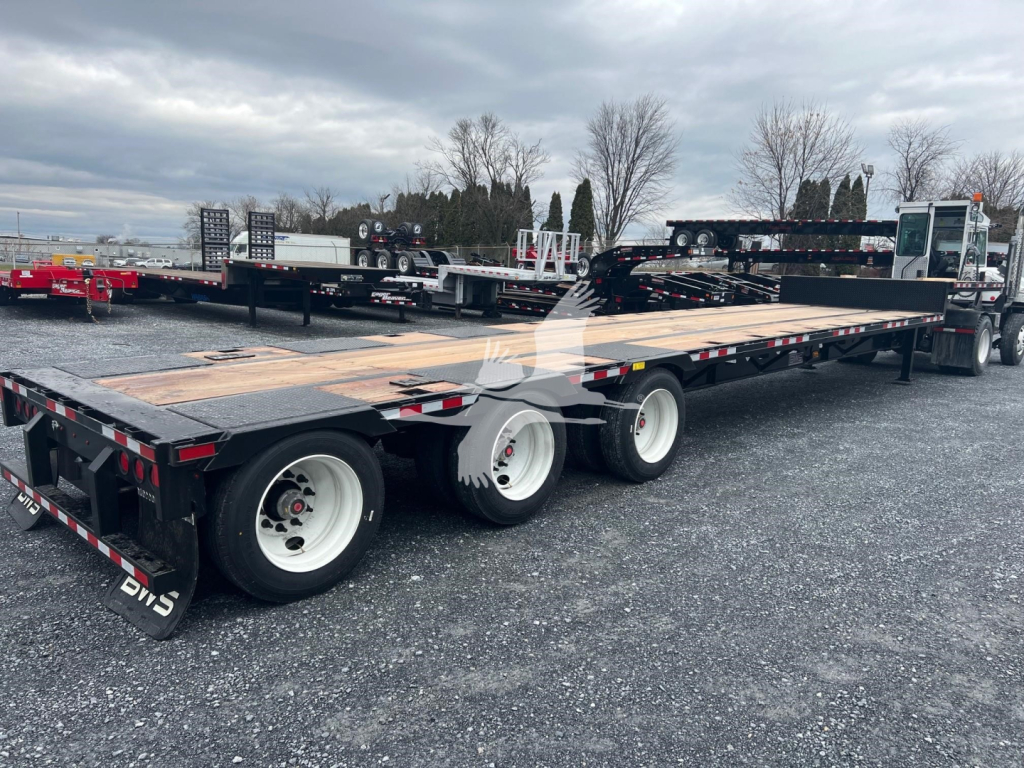
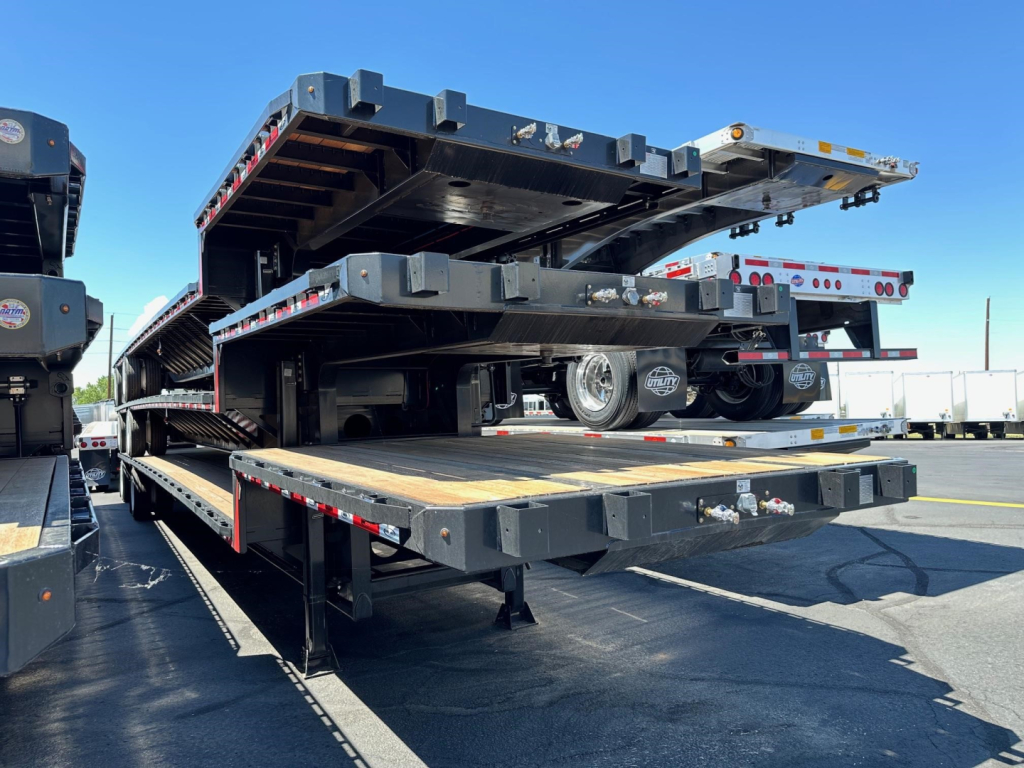
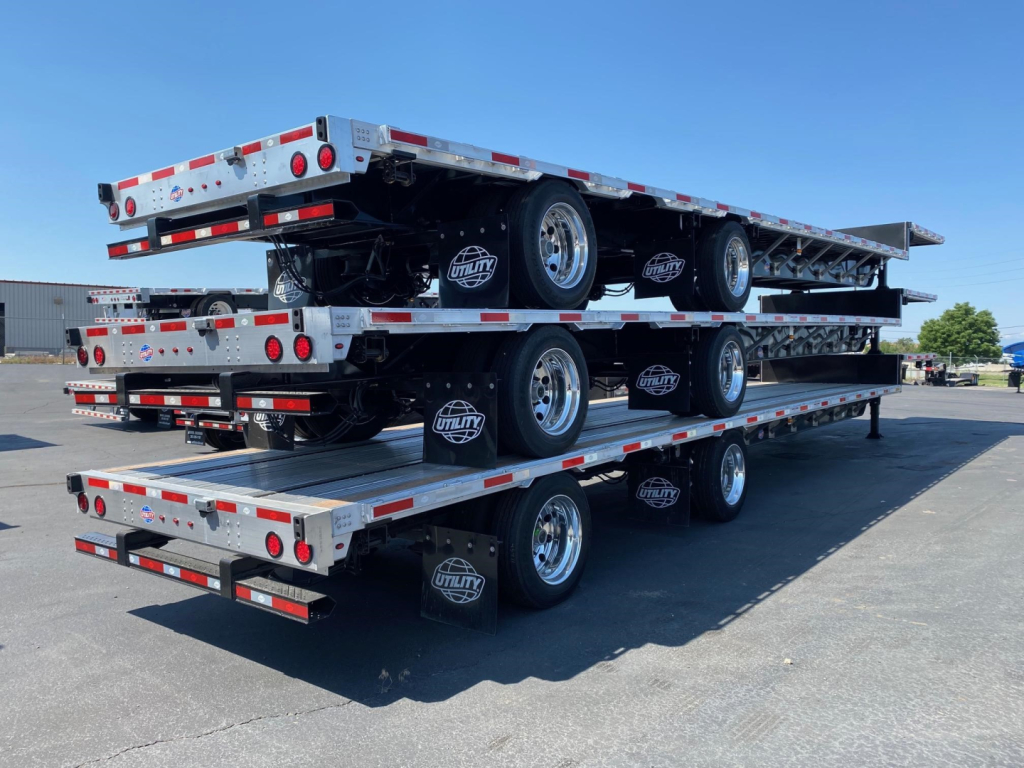
Selling a new 2025 drop deck trailer? List your new 2025 drop deck trailer for sale and reach thousands of commercial buyers.
New 2025 Drop Deck Trailers
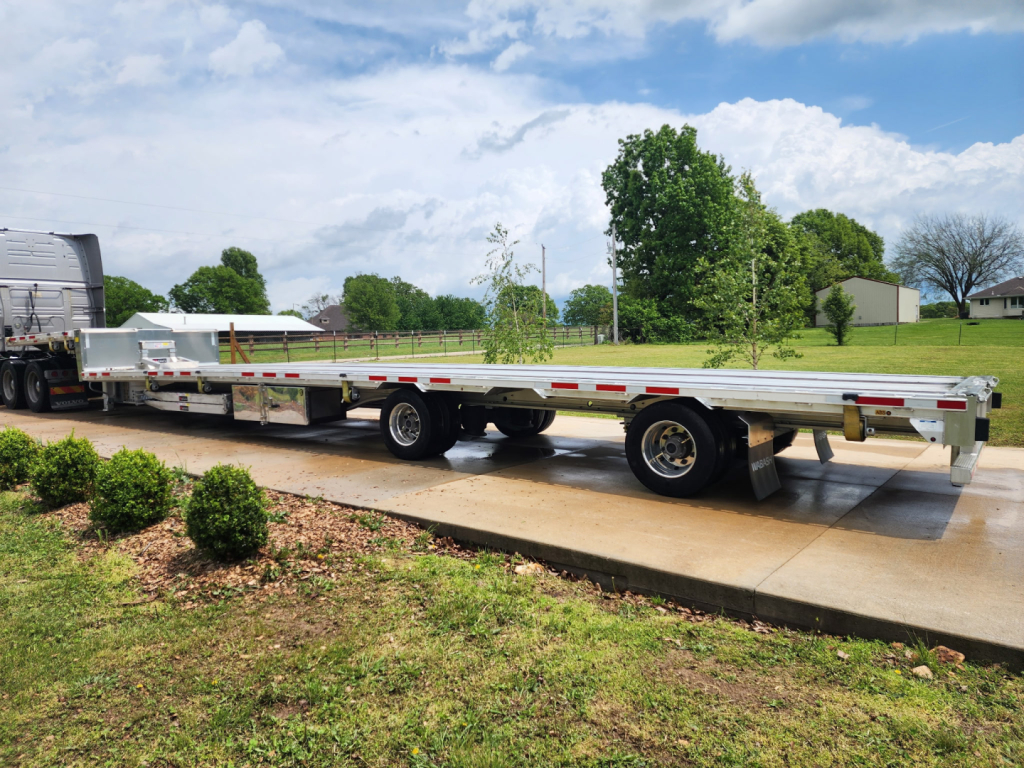
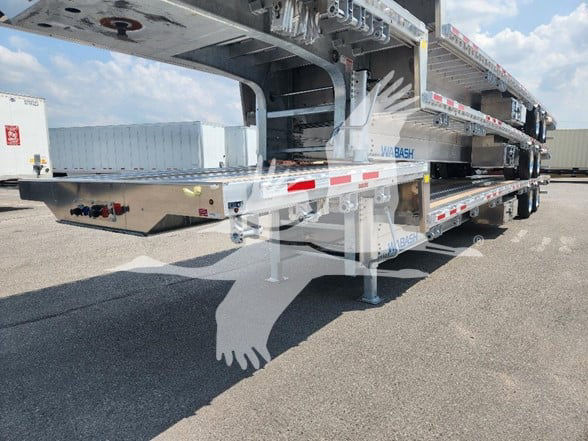
The main buying decision is usually steel versus combo or aluminum construction. Steel drop deck trailers tend to cost less up front and are common in hard-use service, especially when buyers want Apitong flooring, dense crossmember spacing, and simple repairability. Combo and aluminum models reduce tare weight and can improve payload, which matters when hauling freight that cubes out less often than it weighs out. Common specs in this category include 80,000-pound GVWR, concentrated load ratings in a short section of the main deck, air ride suspension, tandem axles, and 255/70R22.5 tires. Kingpin settings, loaded fifth wheel height, and axle spread also matter because they affect bridge compliance, turning characteristics, and state-specific legality.
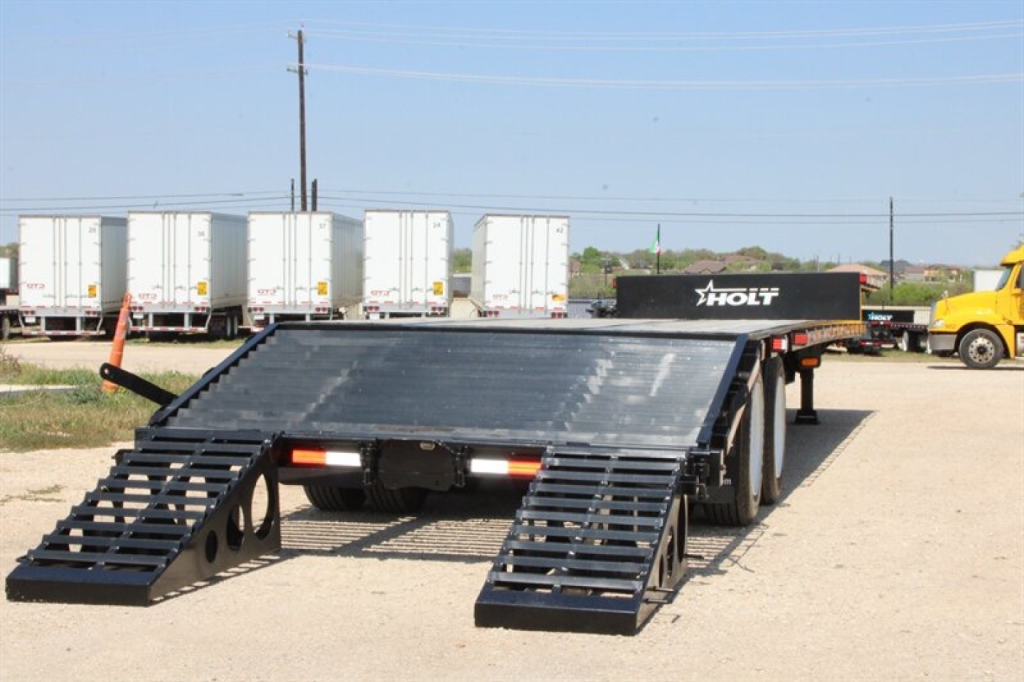
Securement and deck layout deserve close attention. Many new drop deck trailers are equipped with winch tracks, sliding winches, stake pockets, double pipe spools, chain tie-downs, and integrated rub rails. Buyers hauling mixed freight often prefer full-length securement options on both sides rather than a basic roadside-only setup. Flooring can be 1-1/8 inch Apitong or aluminum with nailer strips, and crossmember spacing is often tighter on the main deck to better support concentrated loads. If equipment loading is part of the job, a beavertail with flip ramps can turn a standard drop deck into a much more capable machinery hauler. Ramp angle, beavertail length, and rear deck construction all affect how easily low-clearance equipment can be loaded.
Suspension and axle configuration should match the lanes you run. Air ride remains the standard for ride quality and freight protection, while dump valves help at docks and on uneven loading surfaces. Rear axle slide configurations are valuable for operators managing California bridge law or trying to balance weight across multiple states. Practical details like LED lighting, galvanized crossmembers, galvanized rear bumpers, dock bumpers, spare tire carriers, and mud flap brackets can make a real difference in long-term durability and day-to-day use. For buyers comparing new 2025 drop deck trailers for sale, the best unit is usually the one with the right deck height, tare weight, securement package, and axle layout for the freight profile you haul most often.
Frequently Asked Questions about New 2025 Drop Deck Trailers
What is the difference between a drop deck trailer and a flatbed trailer?
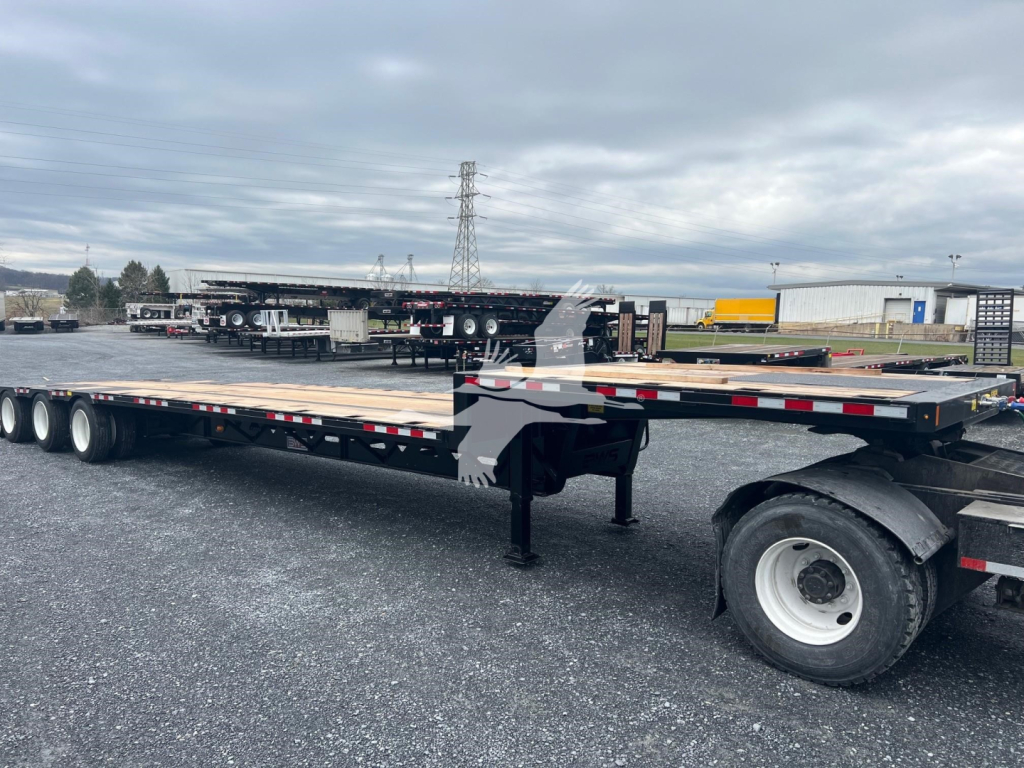
A drop deck trailer has two deck levels, with the main deck sitting lower than the upper deck behind the tractor. That lower deck height gives you more legal freight height than a standard flatbed, which is why drop decks are commonly used for taller machinery, crated equipment, and building materials. A flatbed is still the simpler choice for some freight, but a drop deck is often the better fit when cargo height would otherwise push you into overheight permitting.
What lengths and deck dimensions are common on new drop deck trailers?
The most common new drop deck trailer sizes are 48 feet and 53 feet long, generally at 102 inches wide. Upper decks are often around 10 to 11 feet long, while lower decks usually range from about 38 to 43 feet depending on overall length and axle setup. Main deck height is commonly around 40 to 42 inches loaded, although exact height depends on tire size, suspension, and trailer design.
Are steel or aluminum drop deck trailers better?
Neither is automatically better because the right choice depends on your freight and operating priorities. Steel drop deck trailers are typically less expensive up front and are favored for rugged service, heavy point loading, and straightforward repairs. Aluminum or combo trailers reduce tare weight and can improve payload capacity, which can make a measurable difference for operations hauling dense legal loads on a regular basis. Buyers usually compare purchase price, expected payload gains, repair environment, and corrosion exposure before deciding.
When should I choose a beavertail and ramps on a drop deck?
A beavertail and ramp package makes sense when the trailer will regularly load self-propelled or wheeled equipment. The sloped rear section reduces loading angle, and flip ramps help low-clearance machines get onto the deck more easily than they would on a straight rear frame. This setup is common for skid steers, compact construction equipment, forklifts, and similar machinery. Buyers should pay attention to ramp length, spring assist design, rear traction bars, and whether the trailer frame is set up for future ramp changes.
Why does axle spread or a rear axle slide matter on a drop deck trailer?
Axle spread and sliding axle configurations affect weight distribution, bridge law compliance, and state-by-state operating flexibility. A rear axle slide can help position weight more effectively for different loads and can be important for operators running into California or other jurisdictions with stricter axle spacing requirements. It also gives you more flexibility when trying to keep axle groups legal without changing the way the freight is loaded on the deck.