
New 2025 Load King Trailers For Sale
Shop new 2025 Load King trailers, including lowboy and heavy haul configurations built for high-capacity equipment transport.
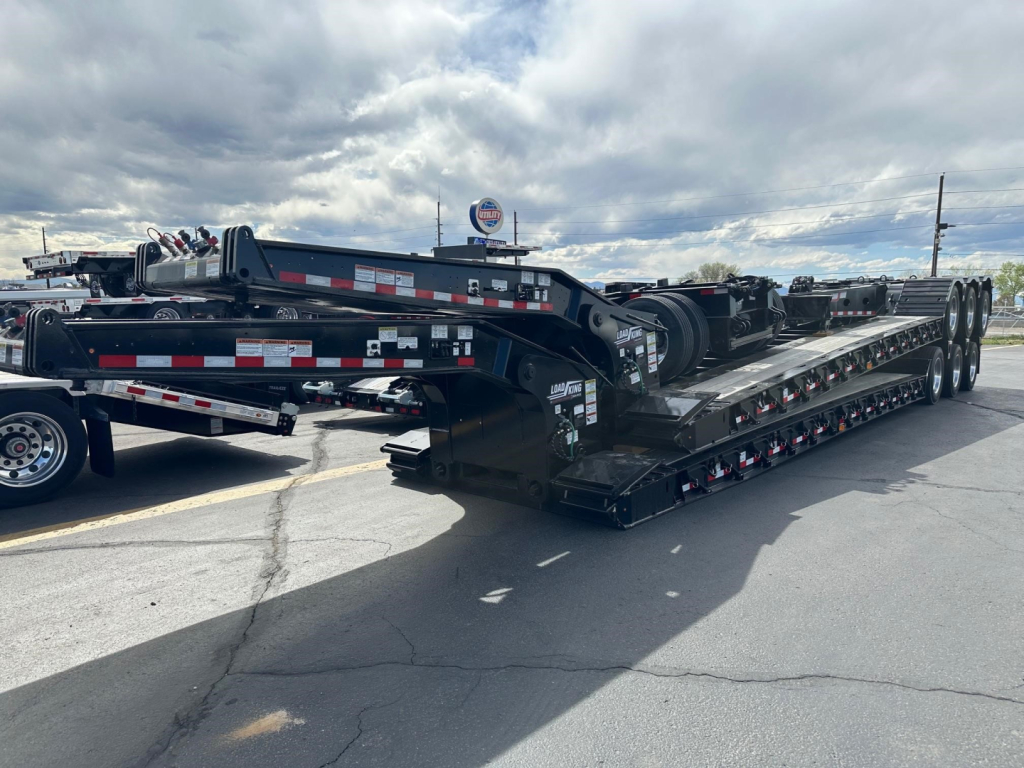
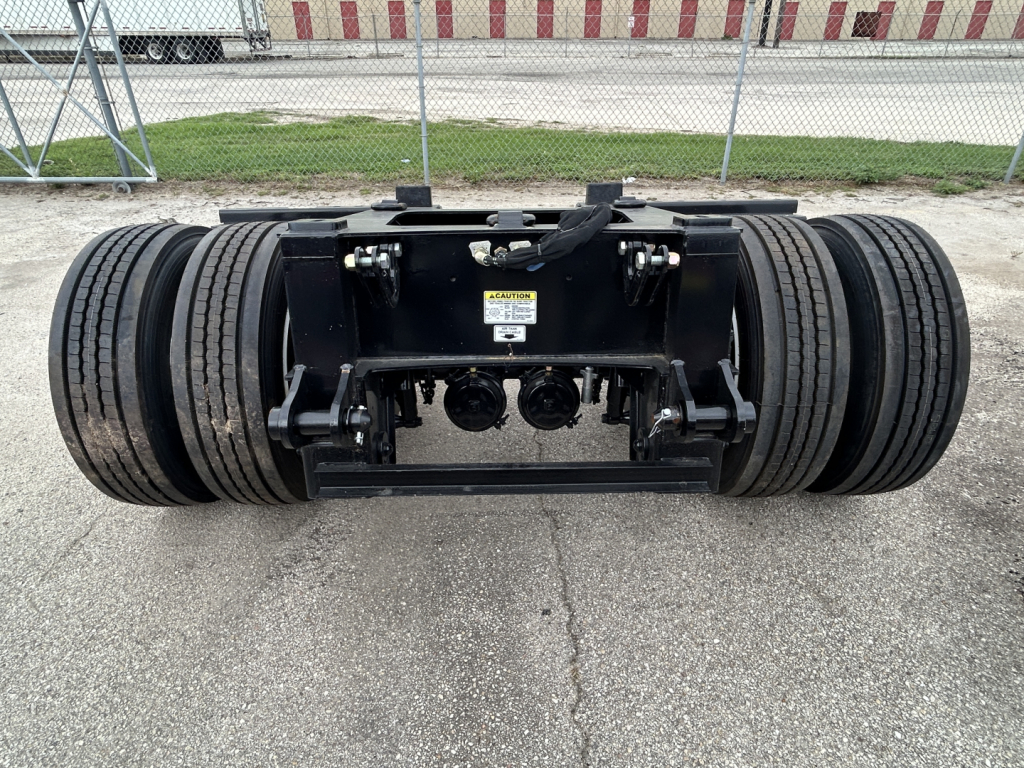
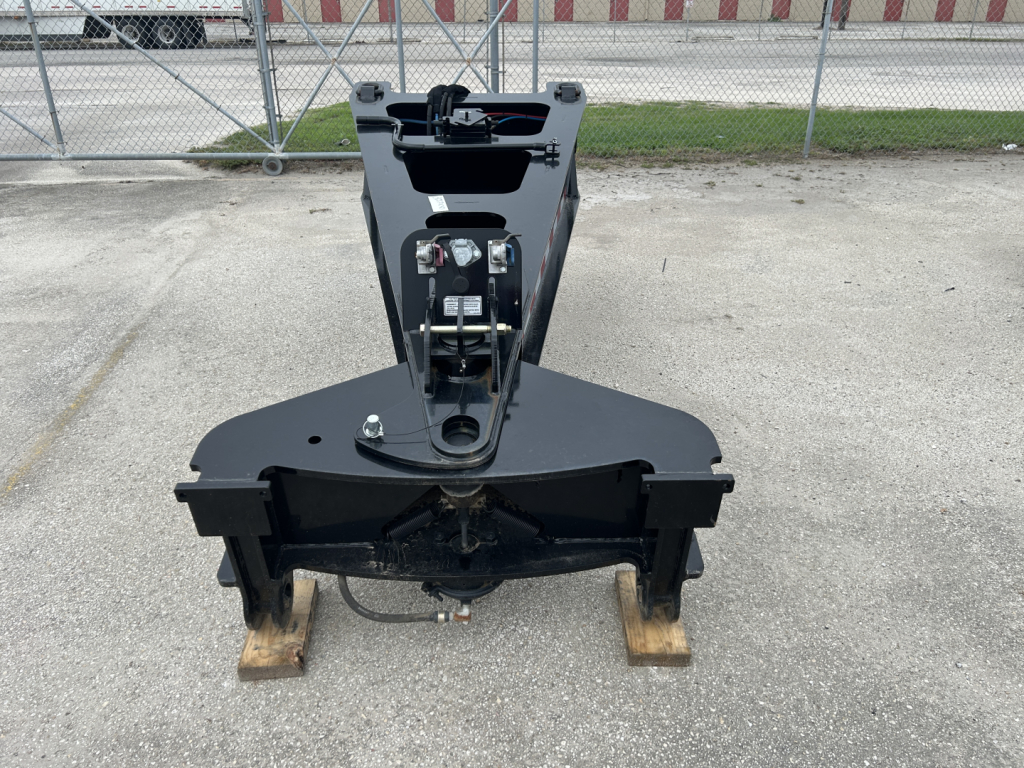
Selling a new 2025 load king trailer? List your new 2025 load king trailer for sale and reach thousands of commercial buyers.
New 2025 Load King Trailers
For many buyers, the first decision is trailer style. A Load King lowboy, also known as a low-bed trailer, is typically chosen for legal deck height and easier loading of taller equipment. Hydraulic detachable gooseneck models are common when fast loading, reduced ramp angle, and frequent equipment changes matter. Main deck length, loaded deck height, neck style, and ground clearance all affect what machines can be hauled without routing problems. On heavier configurations, buyers should look closely at load concentration rating, axle count, axle spacing, suspension type, ride height adjustment, and whether the trailer is prepped for future stinger, jeep, or flip axle use.
Load King heavy haul trailers are commonly spec'd with features such as apitong decking, swingout outriggers, chain slots, bent D-rings, flip ramps, air ride suspension, and high-capacity axles in the 25,000 to 27,500 pound range and beyond depending on configuration. Drum brakes remain common in many heavy haul specs, though the exact brake package should match your service environment and maintenance preferences. Tire size, wheel material, and axle lift options also matter more than many first-time buyers expect, especially when balancing loaded stability, empty return wear, and state-specific axle group requirements. A trailer that works well for a 12-foot load concentration on paper may still need the right neck swing, deck length, and attachment options to fit your actual machine fleet.
If you're comparing new 2025 Load King trailers across listings, focus on application fit before headline ton rating. A 55-ton or 60-ton class trailer can differ substantially in usable deck space, loading angle, attachment compatibility, and permit flexibility. Buyers running regional heavy equipment routes may prioritize maneuverability and faster detach cycles, while buyers hauling larger iron across multiple jurisdictions may place more value on modularity through jeeps, stingers, or flip axles. The best choice is the one that matches your load concentration, route restrictions, tractor setup, and loading routine without forcing compromises every time the permit changes.
Frequently Asked Questions about New 2025 Load King Trailers
What types of trailers does Load King commonly build for heavy haul work?
Load King is best known for heavy haul and specialized transport trailers, especially lowboy trailers, hydraulic detachable gooseneck trailers, and related components such as flip axles, jeeps, and converter dollies. These configurations are used to move tall, heavy, or concentrated equipment loads that would not fit efficiently on a standard flatbed or step deck. Many buyers choose Load King when they need a trailer system that can be expanded or adapted for different state permit requirements and machine sizes.
What should I look at first when comparing a new Load King lowboy?
Start with load concentration rating, loaded deck height, main deck length, neck design, and axle configuration. Those specs determine whether the trailer can legally and practically haul your equipment. After that, review suspension type, axle spacing, ramp or detach design, securement features, and deck construction. A trailer can have the right ton rating and still be a poor fit if the machine's weight distribution, track width, or overall height do not match the trailer's geometry.
Why would I need a flip axle or jeep with a Load King trailer?
A flip axle or jeep is used to redistribute weight and help meet bridge law or state axle requirements on heavy loads. These attachments can increase legal payload options and improve permit flexibility, but they also add complexity to overall trailer length, maneuvering, and setup time. Buyers who regularly move heavier equipment across multiple states often look for trailer packages that are already compatible with future flip, jeep, or stinger additions.
Is air ride suspension common on Load King heavy haul trailers?
Yes, air ride suspension is common on many Load King heavy haul trailer specs because it helps with ride quality, load protection, and ride height adjustment. On detachable lowboys and other specialized trailers, ride height control can be important during loading, unloading, and permit-sensitive operation. Suspension choice should still be matched to your maintenance practices, the type of equipment hauled, and the roads the trailer will see most often.
How important is deck material and securement layout on a heavy haul trailer?
It is very important because deck material and securement points affect daily usability as much as rated capacity. Apitong decking is widely used for durability, and features like chain slots, D-rings, and swingout outriggers help operators secure varied equipment safely and efficiently. If you haul multiple machine types, the securement layout should support different track widths, tie-down angles, and loading positions without making every load a custom setup.