
New 2025 Trailers For Sale in Texas
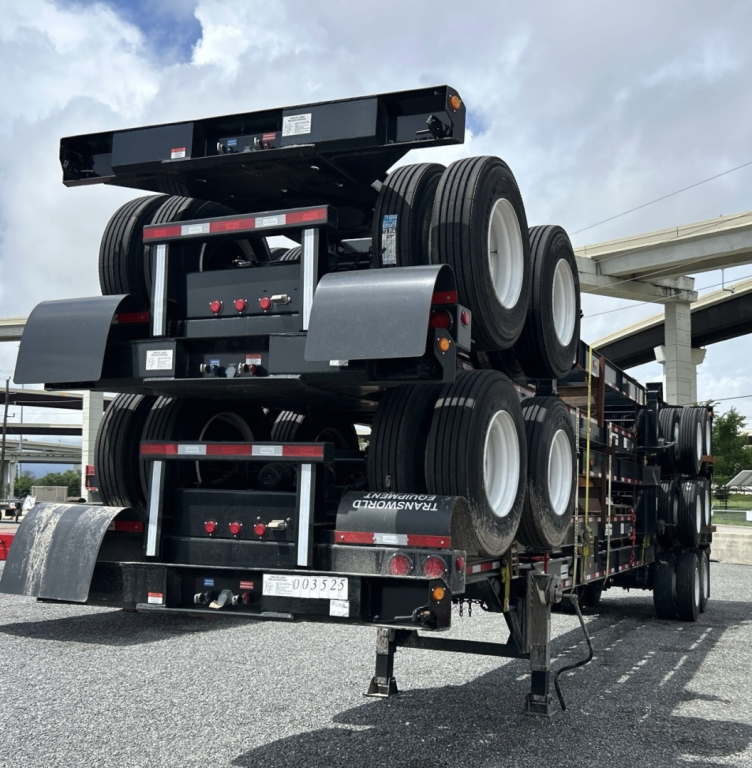
Shop new 2025 trailers for sale in Texas, including lowboy, vacuum, dump, and specialty trailers built for heavy-duty commercial work.
Have new 2025 trailer to sell? List it here to reach thousands of buyers.
New 2025 Trailers in Texas
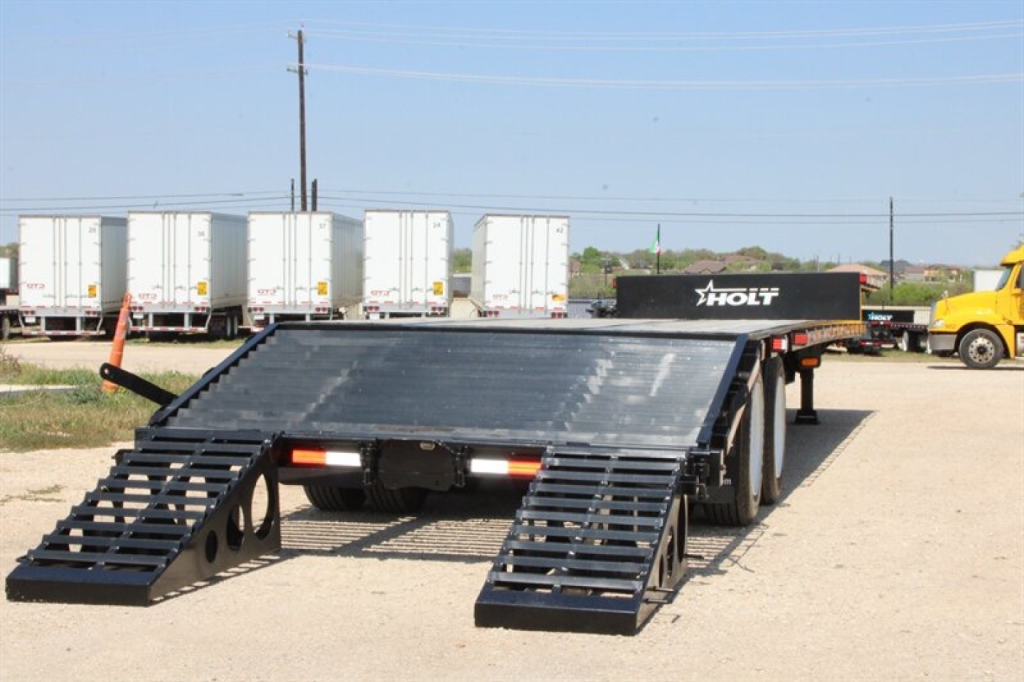
Texas buyers usually focus on application, legal weight strategy, and durability in hot, high-mileage service. A new 2025 lowboy trailer may be spec'd around 55-ton to 60-ton capacity, 20-inch loaded deck height, 25,000 to 27,500 lb axles, and options like hydraulic detachable goosenecks, front flip ramps, and third or fourth axle configurations. For construction, pipeline, and equipment transport, deck length, ramp style, axle spacing, and deck reinforcement are the details that separate a trailer that simply carries the load from one that loads easier and lasts longer. Tire size, aluminum versus steel wheels, and lift axle setup also affect maintenance cost and operating flexibility.
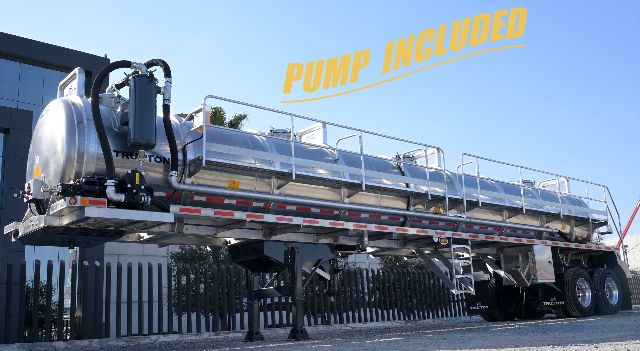
In the vacuum trailer segment, common specs include 130 to 150 BBL tanks, aluminum or steel construction, full walkways, sight glasses, rear discharge plumbing, relief valves, and either spring or air suspension. Buyers in oilfield service and fluid handling should pay close attention to code versus non-code design, shell thickness, internal baffling, pump brand, hydraulic hookups, and lining or coating requirements. A 2-axle non-code vacuum tank trailer may be ideal for lighter-duty fluid transfer, while higher-spec trailers with aluminum construction, anti-slip walkways, ABS, and lined interiors are better suited for demanding field conditions and long-term corrosion control.
Across all new trailers, the best value usually comes from matching the trailer spec to the freight, routes, and loading method. Landing gear brand, lighting system, brake configuration, kingpin arrangement, toolbox placement, tarp systems, suspension type, and wheel-end serviceability all affect uptime. New 2025 trailers also appeal to buyers looking for current safety compliance, updated LED lighting, FMVSS-ready brake systems, and fresh warranties on structural components. If the trailer will run statewide and interstate in Texas, it pays to compare axle ratings, empty weight, and configuration details closely, because those three factors often determine how profitable the trailer will be in daily service.
Frequently Asked Questions about New 2025 Trailers in Texas
What types of new 2025 trailers are most common in Texas commercial use?
The most common new 2025 trailers in Texas include lowboy trailers for heavy equipment, vacuum tank trailers for oilfield and industrial fluid service, dump trailers for aggregate and material hauling, and other specialty trailers built around a specific payload. Texas demand is driven by construction, energy, agriculture, and municipal work, so buyers often compare trailer categories based on payload type, legal weight requirements, and how the trailer will be loaded and unloaded in the field.
How do I choose between a lowboy trailer and another heavy-haul trailer?
A lowboy trailer is the right choice when load height is the main concern and the freight includes excavators, dozers, loaders, or other tall machinery. The lower deck height helps keep equipment within legal height limits while improving loading stability. Important factors include rated capacity, loaded deck height, gooseneck style, deck length, bucket well dimensions, axle count, and whether the trailer is configured for future flip axles or jeep use. If the load is not height-sensitive, a different heavy-haul platform may be more efficient.
What should I look for in a new vacuum trailer?
The key points on a new vacuum trailer are tank capacity, code or non-code construction, tank material, shell thickness, internal baffles, pump specification, suspension, and discharge plumbing. Aluminum tanks can reduce tare weight and improve corrosion resistance, while steel designs may fit some applications and budgets better. Buyers should also confirm operating pressure, vacuum rating, relief valves, walkway and ladder design, sight glass placement, and lining or coating details if the trailer will handle harsh fluids or continuous oilfield service.
Is air ride or spring ride better on a new trailer?
Air ride generally provides better load protection, improved ride quality, and more flexibility in certain applications, especially on tank and equipment trailers where stability and reduced vibration matter. Spring ride is simpler and can be a durable, cost-effective choice in severe-duty environments. The better option depends on trailer type, road conditions, maintenance practices, and the sensitivity of the cargo. Many buyers in Texas balance upfront cost against ride quality and long-term service needs when choosing suspension.
Why does trailer empty weight matter so much?
Trailer empty weight directly affects payload capacity, fuel efficiency, and legal operating flexibility. A lighter trailer can allow more freight within gross weight limits, which matters on every load cycle. On specialized equipment such as lowboys and vacuum trailers, reducing tare weight through aluminum wheels, aluminum tank construction, or carefully chosen components can improve revenue potential. The tradeoff is that buyers still need enough structural strength, suspension capacity, and brake performance for the intended job.