
New 2025 Flatbed Trailers For Sale
Shop new 2025 flatbed trailers with common specs, weight-saving designs, securement options, axle setups, and hauling applications.
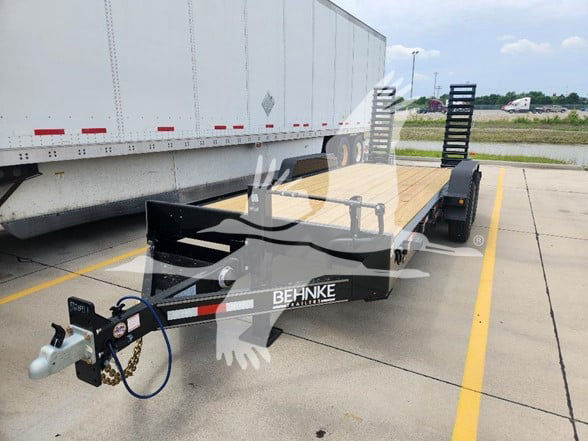
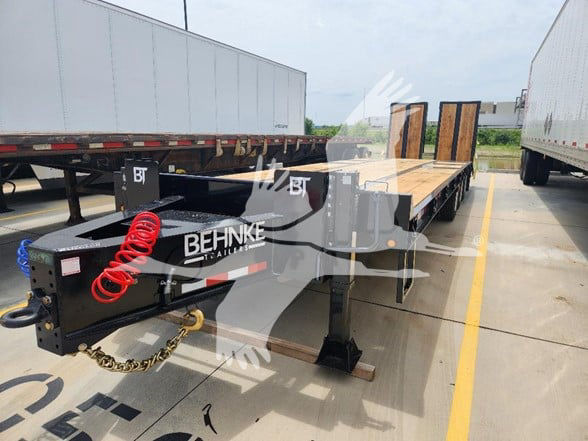
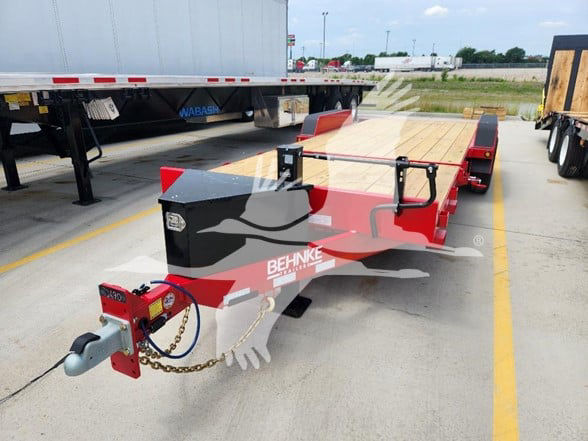
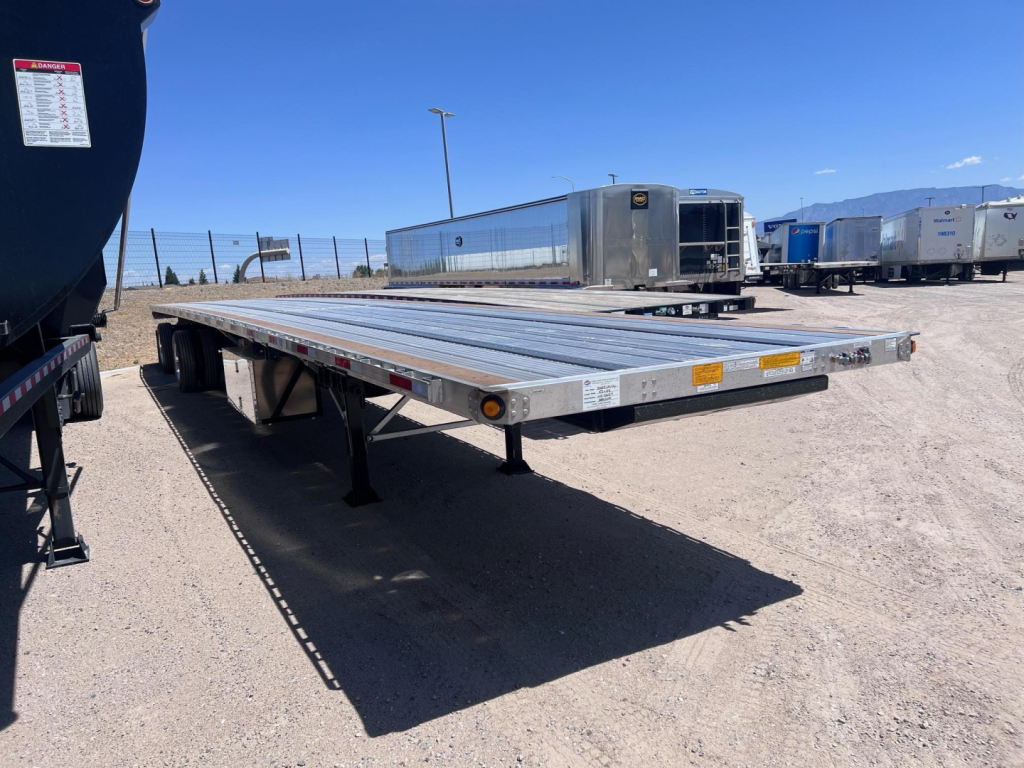
2025 Utility Combo Flatbed
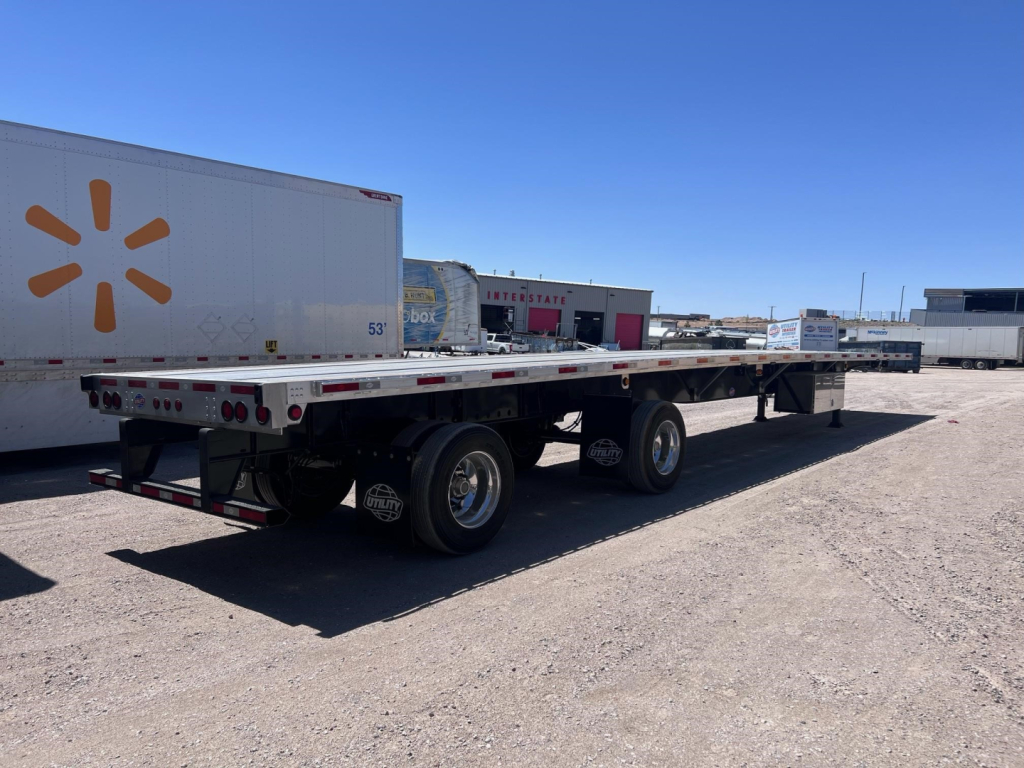
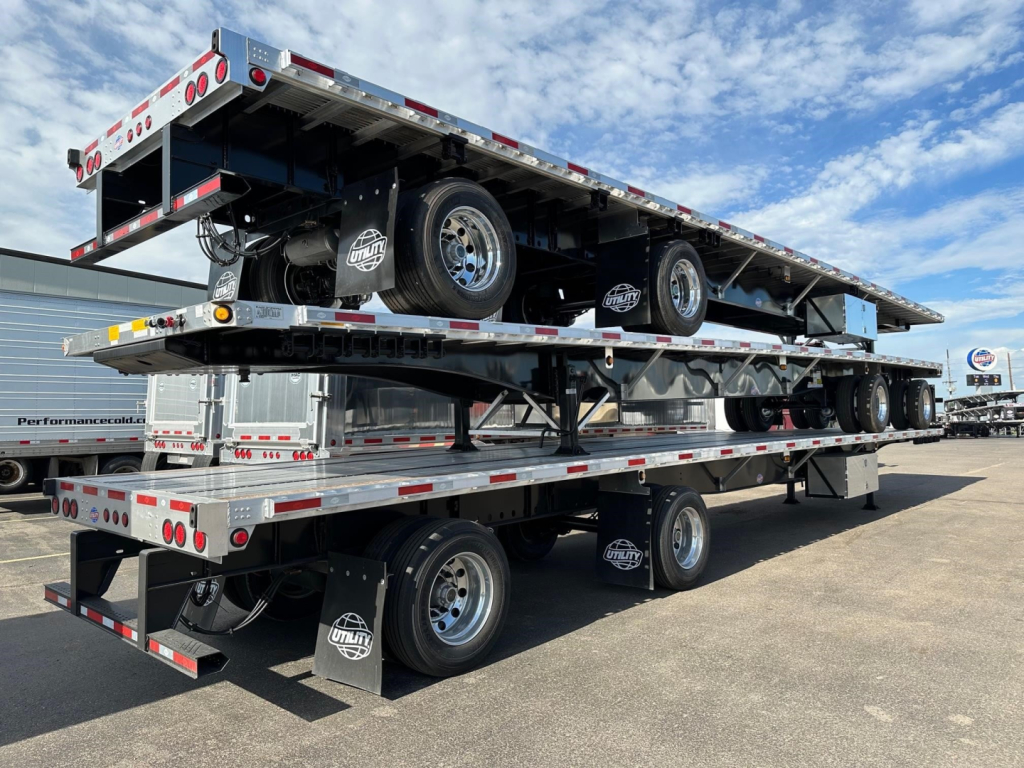
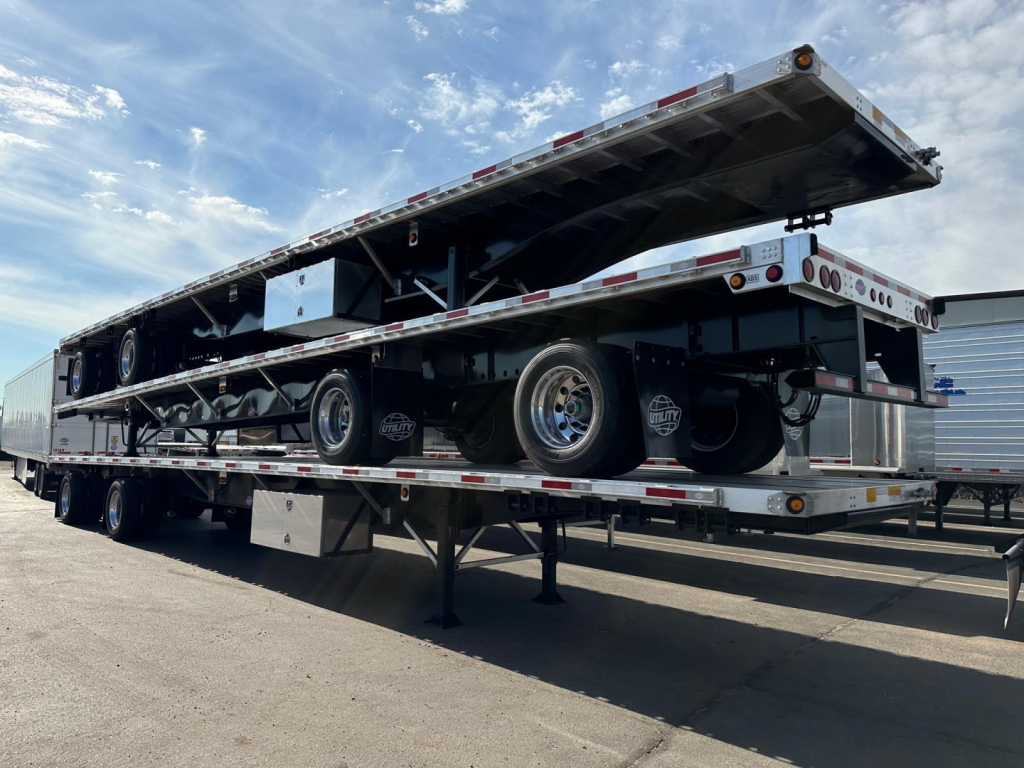
Selling a new 2025 flatbed trailer? List your new 2025 flatbed trailer for sale and reach thousands of commercial buyers.
New 2025 Flatbed Trailers
For most highway applications, 48-foot by 102-inch flatbeds remain the standard, though specialized short-deck or tag-style equipment also appears in this category for machinery and equipment hauling. Common axle setups include tandem closed tandem and spread axle configurations. Spread axles can improve bridge compliance and load distribution, but they may add tire scrub in tight turns and can affect maneuverability in urban work. Suspension choice also matters. Air ride is common on highway flatbeds carrying finished goods, steel, or building materials, while spring ride is still seen on more specialized or severe-duty applications. Tire size, wheel material, kingpin setting, landing gear, and dump valve configuration all affect service life, scaling flexibility, and day-to-day usability.
Load securement equipment often separates a basic flatbed from one that is ready for your freight mix. Buyers should look for full-length winch tracks, sliding winches, stake pockets, chain tie-downs, pipe spools, coil packages, and nail strips or apitong decking where mixed freight is common. Coil hauling capacity is especially important if steel is part of the lane mix, since reinforced coil packages, added crossmembers, and concentrated load ratings can make a major difference in trailer longevity. Side rail design, bulkhead configuration, dunnage storage, toolboxes, and protected LED lighting are also practical details worth checking. Recessed lighting, routed side rails, and durable rear light protection can reduce maintenance and downtime over the life of the trailer.
A new 2025 flatbed trailer should be matched to commodity, route, and loading method before brand preference. Lightweight aluminum models make sense when payload is the priority, but fleets hauling dense freight may prefer the added toughness of combo construction and reinforced deck options. If the trailer will regularly see forklifts, coils, bundled steel, pipe, or machinery, concentrated rating, crossmember spacing, floor material, and securement layout matter more than brochure tare weight alone. The best flatbed setup is the one that fits the freight, keeps legal weight distribution manageable, and gives drivers enough securement flexibility to handle reloads without improvising.
Frequently Asked Questions about New 2025 Flatbed Trailers
What is the difference between an all-aluminum flatbed and a combo flatbed trailer?
An all-aluminum flatbed is designed to minimize tare weight and maximize legal payload, which is valuable for operations hauling lighter but volume-sensitive freight. A combo flatbed typically uses steel main beams with aluminum crossmembers, deck, and side rails. That design adds strength in high-stress areas while still keeping weight lower than a full steel trailer. Buyers hauling dense freight, coils, or frequent forklift traffic often consider combo construction for its durability, while weight-focused operations often prefer all-aluminum units.
Is a spread axle flatbed better than a tandem axle flatbed?
A spread axle flatbed can improve load distribution and bridge law flexibility, which helps on many legal-weight loads. It is common on 48-foot highway flatbeds and pairs well with air ride suspensions for general freight. The tradeoff is increased tire scrub in tight turns, more space needed to maneuver, and possible operational restrictions in certain states or customer yards. Tandem axle setups are often easier in tight areas and can be simpler for fleets that prioritize maneuverability over bridge spread advantages.
What specs matter most when buying a new 2025 flatbed trailer?
The most important specs are trailer construction, empty weight, axle spacing, suspension type, deck length and height, and concentrated load ratings. Securement equipment is just as important as structural specs for many buyers. Winch tracks, sliding winches, stake pockets, pipe spools, chain tie-downs, nail strips, and coil packages should match the freight you haul every week, not just occasional loads. Buyers should also review crossmember spacing, kingpin setting, tire and wheel configuration, lighting protection, and storage options such as toolboxes or dunnage racks.
Do I need a coil package on a flatbed trailer?
A coil package is important if the trailer will regularly haul steel coils or other dense concentrated loads. Coil packages typically include reinforced floor sections, added crossmembers, and higher ratings in short sections such as 4 feet or 10 feet. Without that reinforcement, repeated concentrated loading can shorten trailer life and create structural issues. If coils are only an occasional backhaul, buyers should still verify the trailer's concentrated load rating and securement layout before assuming a standard deck will handle the work.
What freight is a flatbed trailer best suited for?
Flatbed trailers are best suited for freight that requires side loading, top loading, crane loading, or oversized handling. Common examples include lumber, steel products, machinery, pipe, construction materials, pallets of brick or block, and certain oversized or irregular freight that cannot be loaded in a dry van. The open deck offers flexibility, but that also means securement and weather exposure become the buyer's responsibility. Matching the trailer's deck, tie-down equipment, and axle configuration to your core commodity mix is the key to getting the most value from the trailer.