
New 2025 Flatbed Trailers For Sale in Illinois
Shop new 2025 flatbed trailers in Illinois. Compare deck lengths, axle setups, tie-down systems, materials, and hauling applications.
Selling a new 2025 flatbed trailer? List your new 2025 flatbed trailer for sale and reach thousands of commercial buyers.
New 2025 Flatbed Trailers in Illinois
For highway use, the main buying decisions are trailer length, axle configuration, frame material, and cargo securement. Many new flatbeds are aluminum combo or all-aluminum designs to reduce tare weight and preserve payload, while steel-heavy packages trade weight for durability in severe service. Common specs include 53-foot decks, air ride suspension, spread axles, sliding rear axle arrangements, LP22.5 tires, and wheel-end packages designed for lower maintenance. Buyers hauling coils, building products, or machinery should pay close attention to winch track placement, number of sliding winches, tie bar layout, multi-position tie-downs, floor construction, and toolbox capacity. Features like a tire inflation system, dump valve, extra lighting, and CA-legal axle slide can matter if the trailer will run multi-state lanes or dense urban freight patterns.
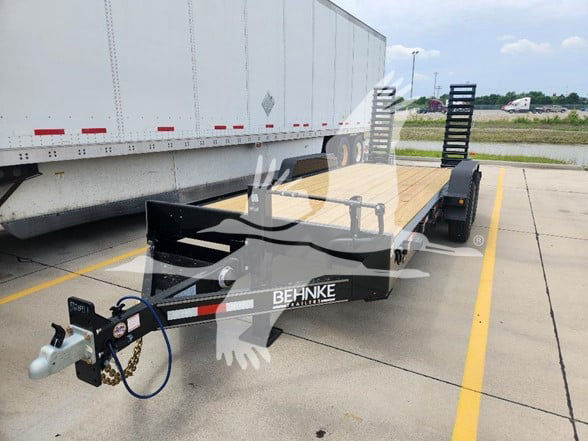
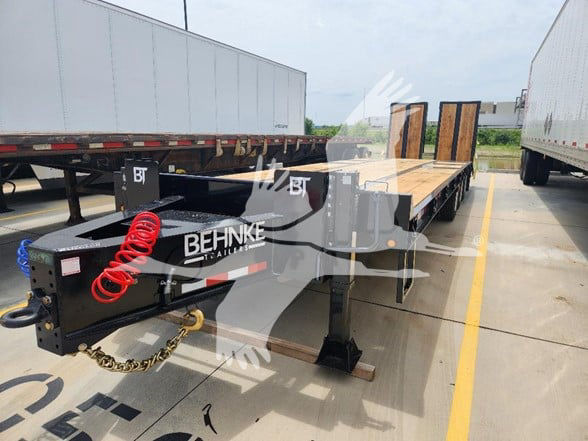
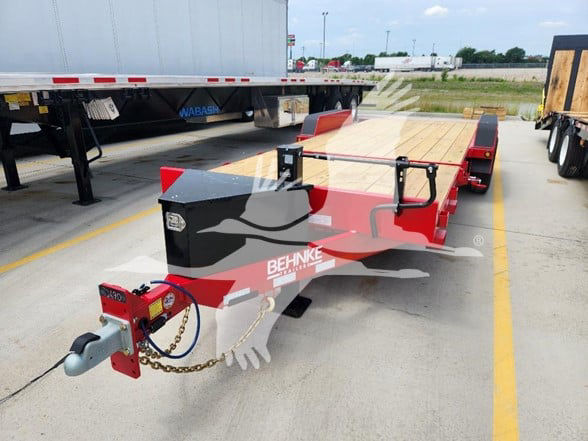
On equipment-oriented flatbeds, the decision points shift toward GVWR, deck layout, and loading hardware. Common examples include 20,000-lb, 30,000-lb, and 50,000-lb class trailers with straight or torsion axles, electric brakes or heavier-duty brake packages, dropleg jacks, stake pockets, D-rings, and integrated toolbox storage. A beavertail shortens the loading angle for skid steers, compact excavators, and farm equipment, while tilt-deck designs reduce ramp handling and speed up loading for wheeled machines. Ramp design matters more than many buyers expect. Width, length, spring assist, self-cleaning construction, and hydraulic or bi-fold operation all affect how safely and efficiently the trailer works day to day. Tire size, oil bath hubs, fender protection, pallet fork holders, and pintle height adjustment are also practical details worth checking before purchase.
A new 2025 flatbed trailer should be matched to actual freight, not just rated capacity on paper. Buyers in Illinois often need a trailer that can handle mixed use, highway miles, seasonal weather, and legal weight distribution across state routes and jobsite access roads. Look closely at deck height, loaded approach angle, suspension type, securement points per side, jack capacity, and brake serviceability. If the trailer will spend most of its life on freight lanes, lighter construction, air ride, and a stronger securement package usually drive value. If it will live around equipment yards and construction sites, frame stiffness, ramp durability, jack quality, and hitch configuration tend to matter more over the long run. The best flatbed trailer is the one that loads cleanly, secures cargo without workarounds, and stays compliant under the routes and commodities you actually haul.
Frequently Asked Questions about New 2025 Flatbed Trailers in Illinois
What is the difference between a highway flatbed trailer and an equipment flatbed trailer?
A highway flatbed trailer is usually a semitrailer built for palletized freight, steel, lumber, machinery, and other over-the-road loads, often in 48-foot or 53-foot lengths with air ride and commercial cargo securement systems. An equipment flatbed trailer is typically shorter and heavier per foot, with features like a beavertail, ramps, tilt deck, pintle hitch, or gooseneck connection for loading machines such as skid steers, tractors, and excavators. The two trailer types may share the flatbed name, but they are built around different loading methods, suspension designs, and duty cycles.
What flatbed trailer specs matter most for cargo securement?
The most important securement specs are winch track location, number of sliding winches, stake pockets, D-rings, tie bars, and multi-position tie-down points built into the floor or side rail. Buyers should also look at deck material, floor condition, rub rail design, and whether the trailer has enough anchor points for the commodities being hauled. A trailer that matches the securement pattern to the freight reduces loading time and helps avoid improvised chaining or strap placement.
Is aluminum or steel better for a new flatbed trailer?
Aluminum and aluminum combo flatbeds are popular because they cut tare weight and allow more payload, which is valuable in over-the-road freight service. Steel offers durability and impact resistance, especially in severe-duty applications, but it adds weight and can reduce legal payload. Many buyers choose combo construction because it balances weight savings with structural strength in high-wear areas. The better material depends on the freight, route density, and how much the trailer will be exposed to jobsite abuse.
Should I choose ramps, a beavertail, or a tilt deck on an equipment flatbed?
That depends on what you load and how often. A beavertail and ramps are a common setup for compact equipment because they reduce loading angle and keep the trailer simple to maintain. Tilt decks eliminate separate ramp handling and can speed up loading for wheeled equipment, but they introduce hydraulic or cylinder components that should be evaluated for serviceability. Ramp width, ramp length, spring assist, and deck angle are just as important as the basic loading style because those details determine how practical the trailer is in daily use.
Why do axle configuration and suspension matter on a flatbed trailer?
Axle layout affects legal weight distribution, ride quality, tire wear, and how the trailer tracks under different loads. On semitrailers, spread axles and sliding rear axle setups are common because they help with bridge law compliance, maneuverability tradeoffs, and state-to-state operating requirements. On equipment trailers, tandem or tri-axle layouts influence capacity, turning radius, and how the trailer handles uneven surfaces. Suspension type also matters because air ride helps protect sensitive freight, while spring ride is often chosen for simplicity and rugged service.