
New 2025 Behnke Flatbed Trailers For Sale
Shop new 2025 Behnke flatbed trailers with heavy-duty GVWR options, beavertails, ramps, tilt decks, and equipment-hauling configurations.
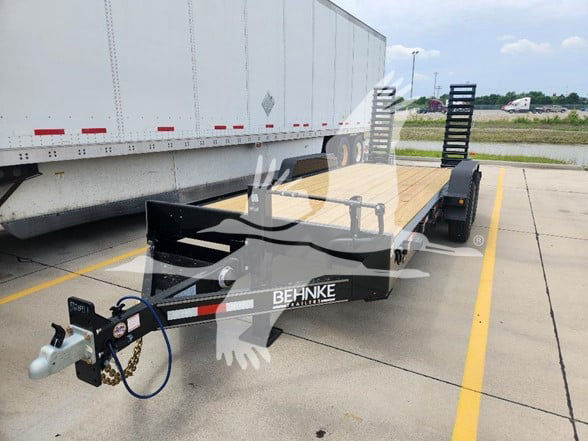
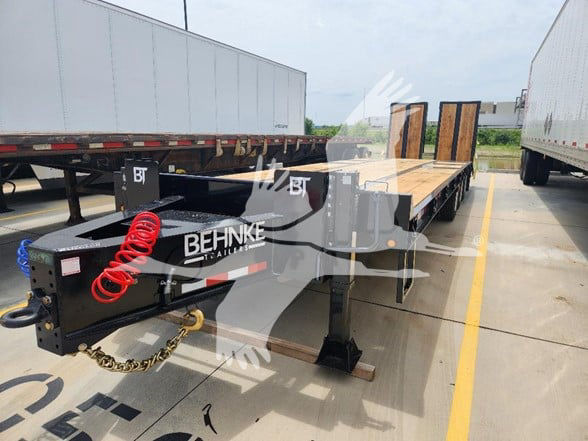
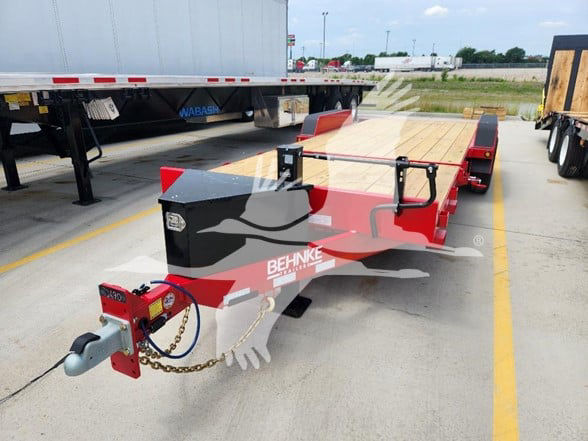
Selling a new 2025 behnke flatbed trailer? List your new 2025 behnke flatbed trailer for sale and reach thousands of commercial buyers.
New 2025 Behnke Flatbed Trailers
One of the first decisions is deck style. A fixed-deck flatbed with a beavertail and spring-assist ramps is a common choice for wheeled or tracked equipment that loads repeatedly in the field. A tilt-bed configuration can reduce loading time and eliminate separate ramps, which is useful for low-clearance machines and operators who want a cleaner approach angle. Bed length, beavertail length, deck width between fenders, and ramp width all affect what can actually be loaded without fighting clearance issues. Buyers comparing new 2025 Behnke flatbed trailers should also pay close attention to GVWR, axle ratings, and hitch style, especially when stepping from 16,000 to 20,000 pounds or into 50,000-pound class trailers with pintle couplers and tandem dual or tri-axle layouts.
Axle and suspension specs matter as much as deck dimensions. Common setups in this category include Dexter straight axles, Torflex torsion axles, and heavier spring-ride suspensions depending on trailer capacity and intended duty cycle. Oil bath hubs, E-Z Lube spindles, electric brakes, and self-adjusting brake systems are all worth comparing because maintenance intervals and serviceability can differ from one build to another. Tire size also changes with capacity, with heavier units moving into 17.5-inch or 22.5-inch commercial rubber for better load support. On the structural side, stake pockets, D-rings, pallet fork holders, formed fenders, toolboxes, dropleg jacks, and Grade 70 safety chains are the kinds of details that make a trailer more usable every day, not just more impressive on paper.
A serious buyer should match the trailer to the machine fleet and the tow vehicle as a complete combination. Trailer empty weight affects payload, and deck height affects loading angle and machine stability. Brake controller compatibility, breakaway system condition, landing gear capacity, and coupler height adjustment all deserve a close look before purchase. If the trailer will spend time on rough jobsites, spring-assist ramps, self-cleaning ramp designs, scuff-resistant deck surfaces, and durable fender protection can pay off over time. For operators hauling mixed equipment, Behnke flatbed trailers in this class offer a practical balance of capacity, serviceability, and loading convenience.
Frequently Asked Questions about New 2025 Behnke Flatbed Trailers
What is the difference between a Behnke flatbed trailer and a tilt trailer?
A Behnke flatbed trailer with ramps uses a fixed deck and separate loading ramps, often combined with a beavertail to improve the loading angle. A tilt trailer uses a deck section that tilts to the ground, reducing the need for ramps and often making loading faster for low-clearance equipment. Flatbeds with ramps are simple, durable, and familiar to many crews, while tilt decks can improve convenience and loading efficiency for frequent equipment moves.
How do I choose the right GVWR for a new 2025 Behnke flatbed trailer?
Start with the heaviest machine or load the trailer will carry, then add attachments, fuel, chains, binders, and any material carried on the deck. The trailer's GVWR must cover the total loaded weight, and the tow vehicle, hitch, brakes, and registration class also need to match that rating. Many buyers move up in capacity to avoid operating at the limit every trip, especially when hauling compact construction equipment or multiple smaller machines.
Are torsion axles or spring axles better on a flatbed trailer?
Torsion axles can provide a smoother ride and lower maintenance in certain applications, and they are common on mid-capacity equipment trailers. Spring axles are widely used on heavier-duty trailers because they are robust, proven under harsh conditions, and generally easier to service in the field. The better choice depends on trailer capacity, road conditions, frequency of use, and how much abuse the trailer sees on jobsites.
Why do beavertails and ramp design matter on flatbed trailers?
Beavertails and ramp design directly affect loading angle, traction, and ease of use. A longer beavertail and properly sized ramps help reduce breakover problems for low-clearance equipment and can make loading safer for machines with small tires or attachments close to the ground. Ramp width, spring assist, and self-cleaning designs also matter because they influence operator effort, mud shedding, and tire or track contact during loading.
What features should I prioritize on a heavy-duty Behnke flatbed trailer?
The most important features usually include correct GVWR, axle and brake capacity, hitch type, deck length, and tie-down points. After that, buyers should look at practical items such as dropleg jacks, toolbox storage, pallet fork holders, oil bath hubs, commercial-grade tires, and durable ramp construction. A trailer that is easy to secure, easy to service, and properly matched to the equipment fleet will usually deliver better long-term value than one chosen only by price or listed capacity.