
New Behnke Flatbed Trailers For Sale
Shop new Behnke flatbed trailers built for equipment hauling, with GVWR options, tilt or ramp loading, heavy-duty axles, and secure tie-downs.
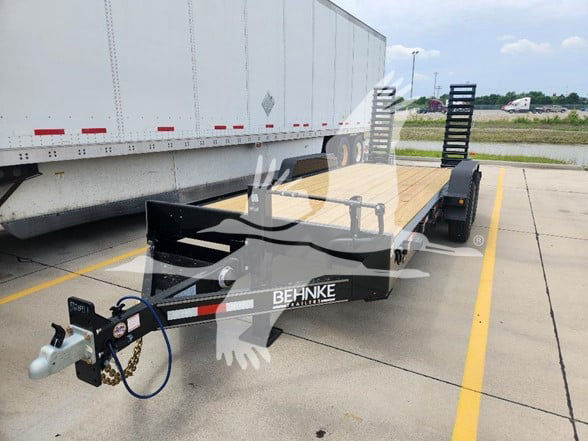
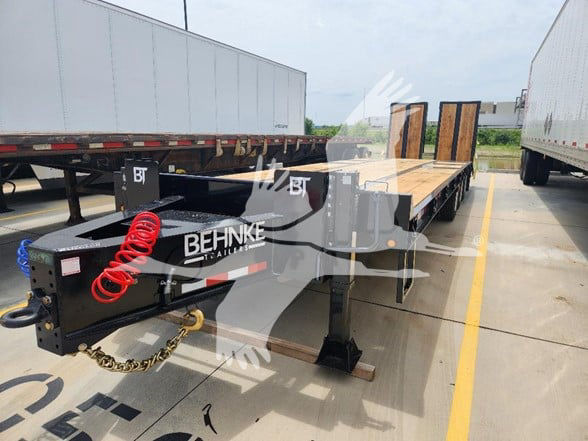
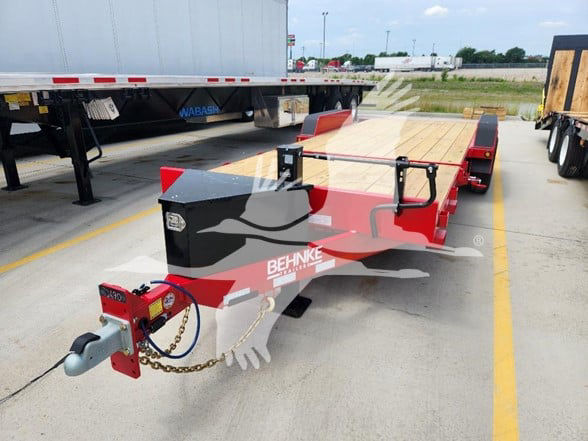
Selling a new behnke flatbed trailer? List your new behnke flatbed trailer for sale and reach thousands of commercial buyers.
New Behnke Flatbed Trailers
Capacity and axle spec should be matched to the real operating weight of the machine, attachments, fuel, and any material carried on the deck. New Behnke flatbed trailers in this segment often range from around 20,000 lb GVWR into much heavier commercial ratings, with tandem 8,000 lb or 10,000 lb axles on medium-duty models and triple-axle spring ride setups on heavy equipment haulers. Buyers should pay close attention to suspension type, oil bath versus E-Z Lube hubs, brake spec on all axles, tire size, and hitch configuration. Pintle hitch setups are common on higher-capacity trailers, while bumper-pull and gooseneck arrangements depend on the intended tow vehicle and duty cycle. On heavier builds, landing gear, jack rating, and coupler adjustability are not small details. They affect hookup speed, trailer attitude, and long-term durability under repeated loading.
Deck layout and securement features are where one Behnke flatbed can separate itself from another. Stake pockets, rub rail access, D-rings, pallet fork holders, toolbox options, fender guards, and self-cleaning ramps all matter if the trailer will be used every day. Buyers hauling compact equipment often focus on between-fender width and approach angle, while equipment contractors may care more about beavertail length, ramp width, and how the deck handles concentrated axle loads. Tilt models with cushion cylinders, dampening control, and visible latch hardware can reduce operator effort and improve safety during repeated load cycles. For steel-deck trailers, check deck length versus usable flat space, especially when part of the trailer includes a beavertail or tilt section.
New-condition Behnke trailers appeal to buyers who want current brake components, fresh suspension, unworn decks, and the ability to spec the trailer around the load instead of adapting to somebody else’s wear pattern. For commercial use, the right flatbed trailer is usually the one that balances GVWR, deck length, loading method, hitch type, and securement points without creating a mismatch with the tow vehicle. If the trailer will spend time on rough jobsites, heavier fenders, protected lighting, sealed wiring, and durable finishes deserve extra attention. If the route is mostly pavement and frequent loading, loading angle, jack design, and tie-down placement often have a bigger effect on day-to-day productivity than headline capacity alone.
Frequently Asked Questions about New Behnke Flatbed Trailers
What is the difference between a tilt flatbed trailer and a ramp-style flatbed trailer?
A tilt flatbed trailer uses a tilting deck to create the loading angle, which reduces the need to handle separate ramps and can speed up loading for low-clearance equipment. A ramp-style flatbed uses flip-up, stand-up, or spring-assisted ramps, often paired with a beavertail. Tilt trailers are often preferred for frequent loading cycles and machines with limited ground clearance, while ramp trailers can offer simpler deck layouts and flexibility for varied cargo.
How do I choose the right GVWR for a Behnke flatbed trailer?
Start with the actual operating weight of the equipment, then add attachments, fuel, chains, binders, and any material or accessories carried on the trailer. The trailer’s GVWR needs to cover the full loaded weight, not just the base machine. Buyers should also confirm the tow vehicle’s towing capacity, hitch rating, brake controller setup, and registration requirements. Leaving a reasonable margin helps with stability, component life, and compliance.
Are Behnke flatbed trailers good for hauling equipment?
Yes. This category is commonly configured for equipment hauling with features such as heavy-duty axles, electric brakes on all axles, beavertails, spring-assisted ramps, tilt decks, stake pockets, D-rings, and pallet fork holders. The best fit depends on the size and type of equipment being moved. Compact machines may fit well on tandem-axle models, while larger construction equipment may require triple-axle, higher-GVWR configurations with pintle hitch setups.
What deck and loading features should I pay attention to on a flatbed trailer?
Deck length, usable deck space, beavertail length, between-fender width, ramp width, and loading angle are the first items to check. After that, look at tie-down placement, D-ring count, stake pockets, toolbox storage, fender protection, and deck construction. These features affect how easily you can position, secure, and reload equipment through a full workweek. Small differences in ramp design or deck geometry can have a big impact on real productivity.
What axle and suspension details matter most on a new flatbed trailer?
Axle rating, hub type, brake setup, and suspension design are the core items. Dexter axles, oil bath hubs, E-Z Lube hubs, and self-adjusting electric brakes are common specs buyers compare. On heavier trailers, spring ride and triple-axle layouts are often chosen for equipment hauling duty. The axle package should match not only the trailer’s GVWR, but also the kind of roads, load concentration, and annual mileage the trailer will see.