
New Behnke Flatbed Trailers For Sale in Illinois
Shop new Behnke flatbed trailers in Illinois. Compare GVWR, deck length, ramps, beavertails, axle types, and hauling applications.
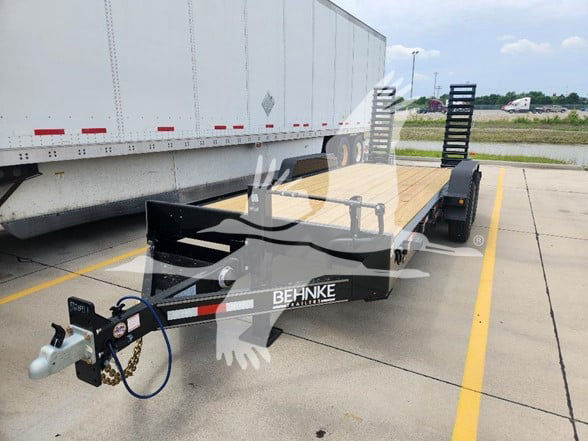
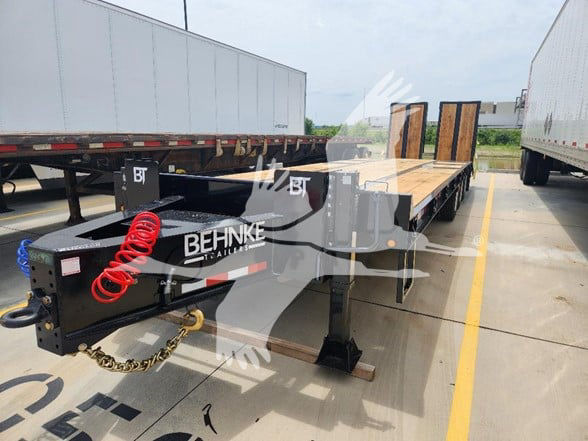
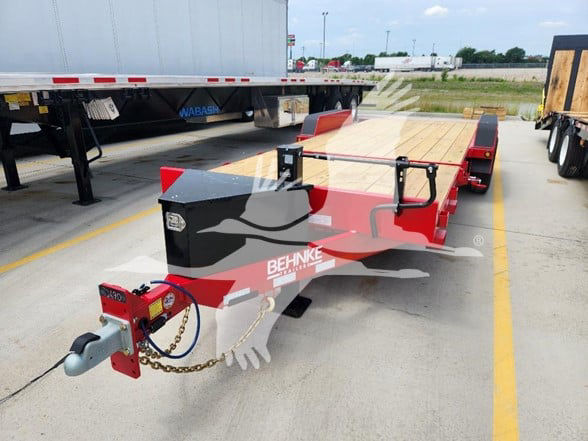
Selling a new behnke flatbed trailer? List your new behnke flatbed trailer for sale and reach thousands of commercial buyers.
New Behnke Flatbed Trailers in Illinois
A lot of the buying decision comes down to how the trailer loads. Behnke flatbed trailers in this class are often set up with flip-up ramps, self-cleaning angle iron ramps, hydraulic or bi-fold ramp systems, or gravity tilt decks with stationary front sections. A beavertail can reduce loading angle for wheeled machines, while a tilt deck can speed up loading and eliminate ramp handling for certain equipment. Deck width between fenders, ramp width, beavertail length, and tail transition are all worth checking closely if you haul low-clearance machines or rubber-tracked equipment. Stake pockets, D-rings, pallet fork holders, and tool boxes are more than convenience items on this type of trailer. They directly affect how efficiently the trailer works in daily use.
Axle and suspension spec is another key differentiator. Buyers will commonly find Dexter axles in oil bath, E-Z Lube, straight axle, spring ride, or Torflex setups depending on trailer size and application. Lower-GVWR models may use tandem 8,000 or 10,000 pound axles, while larger equipment flatbeds can step up to triple 20,000 pound axles, semi-style landing gear, and adjustable pintle hitch arrangements for severe-duty use. Tire size, brake type, breakaway system, jack capacity, and coupler style should all match the truck and the loads being hauled. If the trailer will see frequent stop-and-go work, rough yard surfaces, or seasonal use in Illinois, details like fender protection, brake adjustability, and serviceable hub design can make a noticeable difference in uptime and maintenance.
Behnke is well known in the equipment trailer market for straightforward, work-focused designs, and that is exactly what many buyers want in a new flatbed trailer. The best unit for your operation is usually not the heaviest trailer on the page, but the one with the right combination of usable deck length, payload capacity, loading method, and tie-down layout. If you regularly haul mixed equipment, pay close attention to deck plus beavertail length, machine wheelbase fit, and where the load will sit over the axles. A properly matched Behnke flatbed trailer can improve loading speed, load security, and brake performance while reducing wear on ramps, tires, and tow vehicle components.
Frequently Asked Questions about New Behnke Flatbed Trailers in Illinois
What is the difference between a Behnke flatbed trailer and a Behnke tilt trailer?
A Behnke flatbed trailer typically uses ramps or a beavertail for loading, while a Behnke tilt trailer raises and lowers the deck to create the loading angle. A standard flatbed is often better for mixed cargo, pallets, and equipment that benefits from a full stationary deck. A tilt trailer can reduce loading time and ramp handling, which is useful for skid steers, small rollers, and other machines that are loaded frequently. The better choice depends on the equipment being hauled, the need for full deck space, and how often operators load and unload during the day.
What GVWR should I look for in a new Behnke flatbed trailer?
The correct GVWR depends on the actual operating weight of the equipment, attachments, fuel, chains, and any material carried on the trailer. Many buyers look at 20,000 pound class trailers for medium equipment and step into much heavier ratings for larger machines or severe-duty hauling. It is important to account for payload, trailer empty weight, axle rating, tire rating, and the towing vehicle's capacity as a complete system. Buying too close to the limit usually reduces flexibility and can affect braking, tire life, and overall trailer durability.
Are beavertails or ramps better for equipment hauling?
A beavertail helps reduce the loading angle and can make loading smoother for wheeled machines, lifts, and other equipment with limited ground clearance. Ramps provide flexibility and can work well across many machine types, especially when ramp width matches tire or track width. Some buyers prefer self-cleaning or spring-assisted ramps for repeated use, while others want hydraulic ramp systems on heavier trailers to reduce manual effort. The best setup depends on machine geometry, loading frequency, and how much deck space needs to remain usable once the trailer is loaded.
What axle and suspension features matter most on a heavy-duty flatbed trailer?
Axle capacity, brake configuration, and suspension type have a direct effect on ride quality, maintenance, and long-term durability. Dexter axles, oil bath hubs, E-Z Lube service points, spring ride suspensions, and Torflex axles are all common features buyers compare in this category. Spring ride is common on heavier equipment trailers, while torsion-style setups may appeal to buyers who want a different ride characteristic for certain loads. The right choice depends on payload, road conditions, annual mileage, and how easy the trailer needs to be to service in the field or at the shop.
What should Illinois buyers check before choosing a new flatbed trailer?
Illinois buyers should pay close attention to trailer size, axle spread, brake setup, coupler type, and how the trailer will be used on local roads, jobsites, and seasonal conditions. Deck length, width between fenders, and loading angle matter if the trailer will handle multiple machines through the year. It is also smart to verify that the towing vehicle, hitch, safety chains, and electrical setup are matched to the trailer's rated capacity and brake requirements. For operations that work in wet, dirty, or cold conditions, service-friendly components and durable ramp or tilt hardware can be especially important.