
New 2025 Vacuum Trailers For Sale
Shop new 2025 vacuum trailers for fluid hauling, oilfield service, waste transfer, and industrial cleanup with the specs buyers compare most.
Have new 2025 vacuum trailer to sell? List it here to reach thousands of buyers.
New 2025 Vacuum Trailers
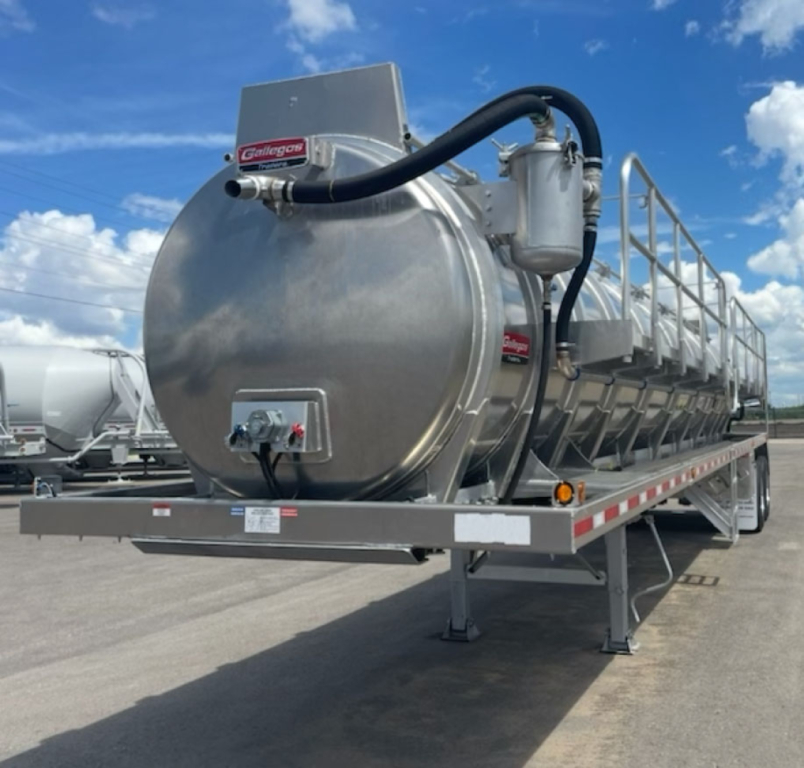
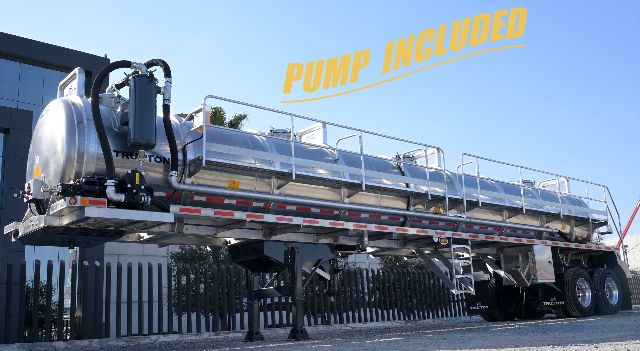
Tank construction drives long-term durability and service fit. Steel vacuum trailers are common when upfront cost and rugged field use are the priority, while aluminum vacuum tanks can reduce tare weight and improve corrosion resistance in the right application. Buyers should look closely at shell thickness, head thickness, ring stiffeners, baffle count, compartment design, and any interior lining or epoxy coating if the trailer will see corrosive or abrasive material. Manway layout, rear discharge size, butterfly or ball valve configuration, scrubber setup, sight glasses, level gauges, hose troughs, catwalks, ladders, toolboxes, and work lights all affect day-to-day usability more than they may appear to on paper.
Pump and running gear specs deserve just as much attention as the tank itself. Many vacuum trailers in this class are paired with well-known systems such as Fruitland pumps, along with manual dump valves, primary and secondary shutoffs, and booster arrangements depending on intended service. Air ride suspension is common on newer vacuum tank trailers because it helps protect the tank and improves road manners when the trailer is loaded or partially loaded. Tire size, wheel type, landing gear, ABS, axle rating, and the presence of a lift axle can all change how the trailer performs across state weight limits and uneven lease roads. A 42-foot tandem axle unit may fit one operation well, while a 46-foot tri-axle with rear lift axle may be the better choice for higher-capacity hauling.
A good buying decision comes down to matching the trailer to the product being hauled and the roads it will run. Vacuum trailers used in oilfield water service have different priorities than units handling industrial waste or septic work. Buyers should confirm barrel rating versus usable capacity, non-code versus code requirements, discharge plumbing, cleanout access, and compatibility with the tractor’s wet kit or drive system if applicable. When comparing new 2025 vacuum trailers for sale, the strongest value usually comes from a unit with the right tank material, legal axle package, dependable vacuum system, and a service-friendly layout that keeps downtime low.
Frequently Asked Questions about New 2025 Vacuum Trailers
What size vacuum trailer is most common for oilfield and water hauling work?
One of the most common ranges is roughly 130 to 165 barrels. A 130 BBL vacuum trailer can offer a good balance of capacity, weight, and maneuverability, while 150 to 165 BBL units are often chosen when maximizing volume is the priority. The right size depends on product density, state bridge laws, axle configuration, and how often the trailer will run on soft field roads versus paved highway miles.
What is the difference between a steel and aluminum vacuum trailer?
Steel vacuum trailers are typically chosen for rugged service and lower initial purchase cost, while aluminum vacuum trailers are often selected to reduce tare weight and improve corrosion resistance. Aluminum can help preserve payload in weight-sensitive operations, but buyers should still evaluate shell thickness, baffle design, and repair considerations. The best material depends on the fluids being hauled, the operating environment, and how the trailer will be maintained over time.
Do I need a tandem axle or tri-axle vacuum trailer?
That decision usually comes down to legal payload, local bridge laws, and route conditions. Tandem axle vacuum trailers can be simpler and lighter, which may suit certain regional applications. Tri-axle units, especially those with a lift axle, are often preferred when a larger barrel tank is needed and the operation must spread weight more effectively. Buyers should compare axle ratings, suspension type, and the actual loaded weight of the product being hauled before choosing.
What features matter most on a vacuum trailer besides barrel capacity?
Pump brand and performance, baffle layout, manway access, discharge plumbing, suspension, and overall serviceability are all critical. Buyers should also pay attention to hose trays, catwalks, ladders, level gauges, scrubbers, toolboxes, work lights, and valve placement because these details directly affect loading, unloading, inspection, and cleanup time. A trailer with the right support equipment can save labor and reduce downtime over the life of the unit.
Are most vacuum trailers in this category code or non-code tanks?
Many vacuum trailers used for water, waste, and general fluid service are sold as non-code tanks, but that does not mean every application has the same compliance requirement. Tank code status should always be matched to the commodity, operating pressure or vacuum requirements, and customer or site regulations. Buyers should verify legal and job-specific requirements before selecting a unit, especially if the trailer will handle hazardous, regulated, or specialized materials.